
Craving something deliciously different for dinner tonight? You’re in luck! Ground pork is the secret star of countless Asian dishes, transforming into spicy stir-fries, savory dumplings, and comforting bowls with minimal effort. Get ready to explore 18 flavorful recipes that will bring exciting new tastes to your table. Let’s dive into this collection of quick, satisfying meals that are sure to become new favorites in your kitchen!
Spicy Szechuan Ground Pork Stir-Fry
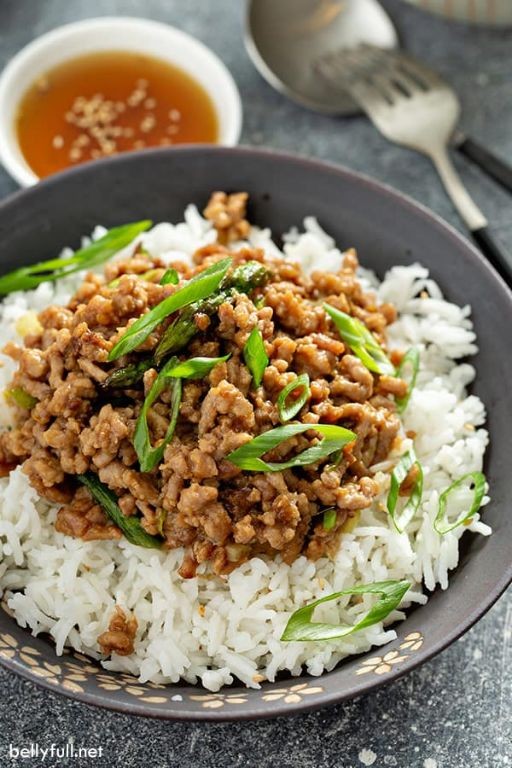
Sometimes, on quiet evenings when the kitchen feels like a sanctuary, I crave something that warms from the inside out—a dish that’s both comforting and vibrantly alive.
Serving: 4 | Pre Time: 15 minutes | Cooking Time: 15 minutes
Ingredients
– Ground pork – 1 lb
– Szechuan peppercorns – 1 tbsp
– Garlic – 4 cloves
– Ginger – 1-inch piece
– Soy sauce – 3 tbsp
– Chili oil – 2 tbsp
– Sugar – 1 tsp
– Green onions – 4 stalks
– Vegetable oil – 2 tbsp
– Cooked white rice – 4 cups
Instructions
1. Mince the garlic and ginger finely.
2. Slice the green onions, separating the white and green parts.
3. Heat the vegetable oil in a large skillet or wok over medium-high heat until it shimmers, about 1 minute.
4. Add the ground pork to the hot oil, breaking it apart with a spatula.
5. Cook the pork for 5–7 minutes, stirring occasionally, until it is no longer pink and starts to brown.
6. Add the minced garlic, ginger, and white parts of the green onions to the skillet.
7. Stir-fry the mixture for 1–2 minutes until fragrant.
8. Crush the Szechuan peppercorns lightly with a mortar and pestle or the back of a spoon to release their aroma.
9. Add the crushed peppercorns, soy sauce, chili oil, and sugar to the skillet.
10. Stir everything together thoroughly and cook for another 3–4 minutes, allowing the sauce to coat the pork and reduce slightly.
11. Turn off the heat and stir in the green parts of the green onions.
12. Serve the stir-fry immediately over the cooked white rice.
Here, the tender pork mingles with the tingling heat of Szechuan peppercorns and the deep umami of soy, creating a lively dance on the palate. For a creative twist, try spooning it over crispy lettuce cups or tossing it with noodles for a different texture.
Thai Basil Pork with Chili and Garlic
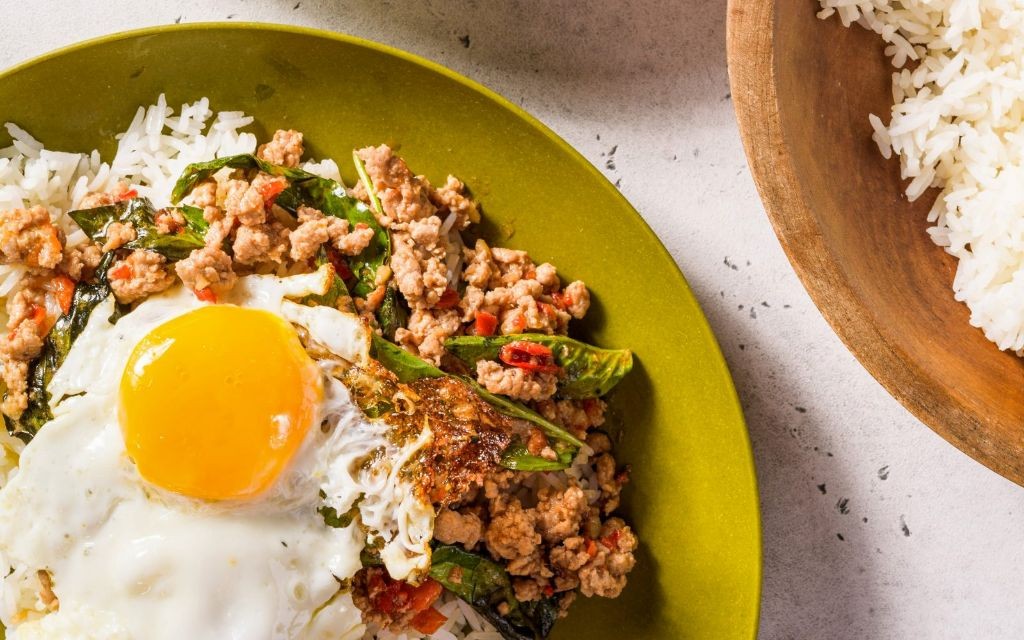
Zigzagging through memories of street food stalls in Bangkok, I find myself craving the bold, aromatic stir-fry that always felt like a warm embrace. This Thai basil pork dish, with its fiery chilies and fragrant garlic, is a humble yet deeply satisfying meal that comes together in minutes, perfect for a quiet evening when you need something both comforting and exciting.
Serving: 2 | Pre Time: 10 minutes | Cooking Time: 10 minutes
Ingredients
– Ground pork – 1 lb
– Garlic – 4 cloves
– Thai bird’s eye chilies – 4
– Vegetable oil – 2 tbsp
– Oyster sauce – 2 tbsp
– Soy sauce – 1 tbsp
– Sugar – 1 tsp
– Thai holy basil – 1 cup
Instructions
1. Mince the garlic and thinly slice the Thai bird’s eye chilies.
2. Heat the vegetable oil in a large wok or skillet over medium-high heat until it shimmers, about 1 minute.
3. Add the minced garlic and sliced chilies to the hot oil, stirring constantly for 30 seconds until fragrant but not browned.
4. Tip: To prevent burning, keep the garlic moving in the pan—this releases its aroma without bitterness.
5. Increase the heat to high and add the ground pork, breaking it up with a spatula into small pieces.
6. Cook the pork for 4–5 minutes, stirring occasionally, until it is fully browned and no pink remains.
7. Stir in the oyster sauce, soy sauce, and sugar, mixing thoroughly to coat the pork evenly.
8. Tip: Taste the sauce at this stage; if it needs more salt, add a pinch, but the oyster sauce usually provides enough depth.
9. Add the Thai holy basil leaves, stirring gently for 1 minute until they wilt slightly but retain their vibrant green color.
10. Tip: For the best flavor, add the basil just before serving to keep its aromatic notes fresh and lively.
11. Remove the skillet from the heat immediately to avoid overcooking the basil.
12. Serve the pork hot over steamed rice or noodles.
Crunchy bits of pork mingle with the soft, wilted basil, creating a texture that’s both hearty and delicate. The chilies deliver a slow-building heat that dances on the tongue, balanced by the savory-sweet sauce, making this dish ideal for spooning over jasmine rice or wrapping in crisp lettuce leaves for a handheld treat.
Korean Ground Pork Bibimbap
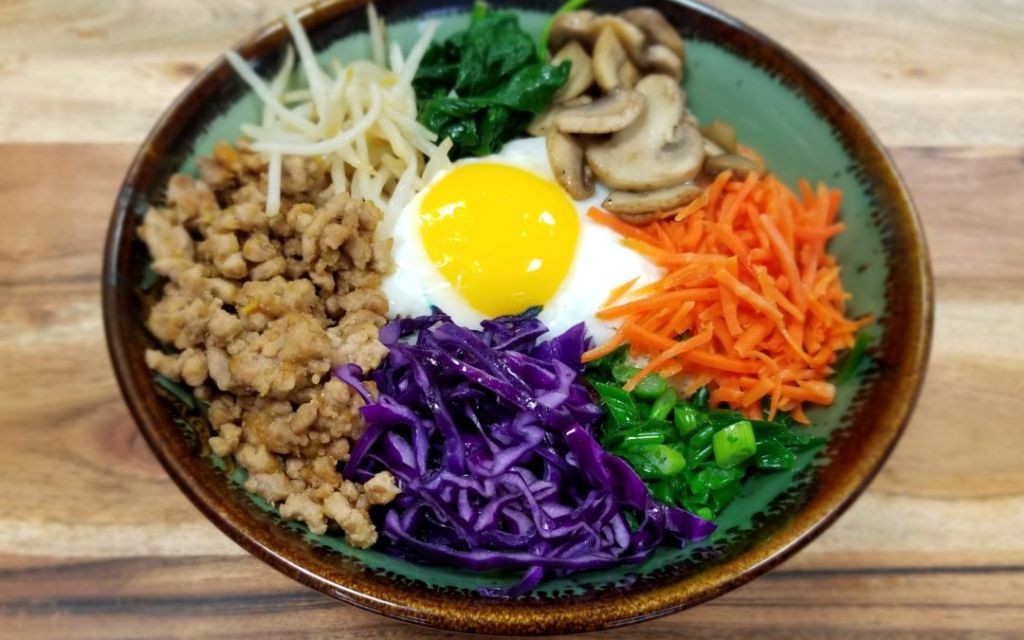
Folding the warm rice into a bowl, I think about how this dish holds space for quiet evenings. It’s a gentle assembly of savory pork and crisp vegetables, a comforting mosaic that comes together with little fuss. Each component cooks simply, leaving room for reflection in the kitchen.
Serving: 2 | Pre Time: 15 minutes | Cooking Time: 20 minutes
Ingredients
– Ground pork – ½ lb
– Short-grain white rice – 1 cup
– Carrot – 1 medium
– Zucchini – 1 medium
– Soy sauce – 2 tbsp
– Sesame oil – 1 tbsp
– Gochujang – 1 tbsp
– Vegetable oil – 1 tbsp
– Salt – ½ tsp
– Water – 1 ¼ cups
Instructions
1. Rinse 1 cup of short-grain white rice under cold water until the water runs clear, about 3 rinses, to remove excess starch for fluffier grains.
2. Combine the rinsed rice and 1 ¼ cups of water in a small pot, bring to a boil over high heat, then reduce heat to low, cover, and simmer for 18 minutes until all water is absorbed.
3. Peel 1 medium carrot and cut it into thin matchsticks about 2 inches long.
4. Slice 1 medium zucchini into thin rounds, then stack and cut into matchsticks similar to the carrot.
5. Heat 1 tbsp of vegetable oil in a large skillet over medium-high heat until it shimmers, about 1 minute.
6. Add ½ lb of ground pork to the skillet and cook, breaking it up with a spatula, for 5-7 minutes until no pink remains and it’s lightly browned.
7. Stir in 2 tbsp of soy sauce and 1 tbsp of sesame oil into the pork, cook for 1 more minute, then remove from heat and set aside.
8. In the same skillet, add the carrot matchsticks and cook over medium heat for 3-4 minutes until slightly softened but still crisp.
9. Push carrots to one side, add zucchini matchsticks to the skillet, and cook for 2-3 minutes until tender-crisp, seasoning both vegetables with ½ tsp of salt as they cook to enhance their natural sweetness.
10. Divide the cooked rice between two bowls, top with the pork, carrots, and zucchini in separate sections.
11. Dollop 1 tbsp of gochujang on the side of each bowl for mixing in to taste, as its spicy depth balances the savory pork. The soft rice cradles the savory pork and crisp vegetables, with the gochujang adding a warm, fermented kick that ties it all together. For a creative twist, try serving it with a fried egg on top, letting the yolk run into the bowl for extra richness.
Vietnamese Lemongrass Pork Bowls

Under the soft glow of the kitchen light, the fragrant memory of a bustling Saigon street stall feels close enough to touch, a quiet promise of warmth and comfort. This simple bowl gathers those bright, aromatic notes into a meal that feels both grounding and celebratory, a quiet moment of connection made tangible.
Serving: 4 | Pre Time: 20 minutes | Cooking Time: 15 minutes
Ingredients
– Pork shoulder – 1.5 lbs
– Lemongrass – 3 stalks
– Garlic – 5 cloves
– Shallot – 1 large
– Fish sauce – 3 tbsp
– Brown sugar – 2 tbsp
– Neutral oil – 2 tbsp
– Jasmine rice – 2 cups
– Water – 4 cups
– Cucumber – 1
– Fresh mint – ½ cup
Instructions
1. Thinly slice the pork shoulder into ¼-inch strips against the grain for tenderness.
2. Finely mince the lemongrass, using only the tender white and pale green lower third of each stalk.
3. Mince the garlic and shallot until they form a fine paste.
4. In a large bowl, combine the pork, minced lemongrass, garlic-shallot paste, fish sauce, and brown sugar.
5. Mix thoroughly by hand until every piece of pork is evenly coated, then let it marinate at room temperature for 15 minutes.
6. While the pork marinates, rinse the jasmine rice under cold water until the water runs clear.
7. Place the rinsed rice and 4 cups of water in a medium saucepan and bring to a boil over high heat.
8. Once boiling, immediately reduce the heat to the lowest setting, cover the pot tightly, and simmer for exactly 15 minutes; do not lift the lid.
9. After 15 minutes, remove the rice from the heat and let it sit, covered, for 10 minutes to steam finish.
10. Heat the neutral oil in a large skillet or wok over medium-high heat until it shimmers.
11. Add the marinated pork in a single layer, working in batches if necessary to avoid crowding the pan.
12. Cook the pork for 3-4 minutes without stirring to allow a caramelized crust to form.
13. Flip each piece and cook for another 2-3 minutes until the pork is cooked through and richly browned.
14. Thinly slice the cucumber into rounds.
15. Pick the mint leaves from their stems.
16. Fluff the finished rice with a fork.
17. Divide the rice among four bowls, top with the cooked lemongrass pork, and garnish with cucumber slices and mint leaves.
What emerges is a beautiful contrast: the rice is fluffy and subtly fragrant, a perfect bed for the savory, caramelized pork with its sharp, citrusy notes from the lemongrass. The cool, crisp cucumber and bright mint offer a refreshing counterpoint, making each bite dynamic. For a different presentation, try wrapping the components in large, soft lettuce leaves for a hands-on, interactive meal that echoes the street food tradition.
Chinese Mapo Tofu with Ground Pork

Beneath the quiet hum of the kitchen light, there’s a comfort in the familiar sizzle of pork meeting a hot pan, a promise of the deep, warming flavors to come. This dish, with its soft tofu and savory sauce, feels like a gentle embrace on a quiet evening, a simple pleasure to be savored slowly.
Serving: 4 | Pre Time: 15 minutes | Cooking Time: 15 minutes
Ingredients
– Ground pork – ½ lb
– Firm tofu – 14 oz block
– Vegetable oil – 2 tbsp
– Garlic – 3 cloves, minced
– Ginger – 1 tbsp, minced
– Sichuan peppercorns – 1 tsp, ground
– Doubanjiang (fermented broad bean paste) – 1 tbsp
– Soy sauce – 2 tbsp
– Chicken broth – 1 cup
– Cornstarch – 1 tbsp
– Water – 2 tbsp
– Green onions – 2, sliced
Instructions
1. Cut the block of firm tofu into ¾-inch cubes and set them aside on a plate.
2. Heat the vegetable oil in a large skillet or wok over medium-high heat until it shimmers, about 1 minute.
3. Add the ground pork to the hot oil and cook for 4-5 minutes, breaking it apart with a spatula until it is fully browned and no longer pink.
4. Add the minced garlic and ginger to the skillet and stir constantly for 30 seconds until fragrant.
5. Stir in the ground Sichuan peppercorns and doubanjiang, coating the pork evenly, and cook for 1 minute to bloom the spices.
6. Pour in the soy sauce and chicken broth, then gently add the tofu cubes without stirring to prevent breaking them.
7. Bring the liquid to a gentle simmer, then reduce the heat to medium-low and let it cook undisturbed for 5 minutes to allow the tofu to absorb the flavors.
8. In a small bowl, whisk the cornstarch and water together until smooth to create a slurry.
9. Drizzle the cornstarch slurry evenly over the skillet while gently stirring the sauce to thicken it, which should take about 1 minute.
10. Remove the skillet from the heat and sprinkle the sliced green onions over the top.
Just as the dish settles, the tofu yields softly to the spoon, its creamy interior contrasting with the rich, numbing heat of the sauce. Serve it over a bed of steamed rice to soak up every drop, or enjoy it straight from the skillet for a comforting, solitary meal that warms from the inside out.
Japanese Pork Gyoza Filling
Venturing into the quiet kitchen this morning, I find myself drawn to the simple, grounding ritual of preparing a filling—a small, savory promise folded into dough. It’s a quiet meditation, this process of mincing and mixing, a way to gather the day’s scattered thoughts into something whole and nourishing.
Serving: 4 | Pre Time: 25 minutes | Cooking Time: 10 minutes
Ingredients
– Ground pork – 1 lb
– Napa cabbage – 2 cups, finely chopped
– Green onions – 3, thinly sliced
– Garlic – 2 cloves, minced
– Ginger – 1 tbsp, grated
– Soy sauce – 2 tbsp
– Sesame oil – 1 tsp
– Salt – ½ tsp
– Gyoza wrappers – 1 package (about 40)
– Vegetable oil – 2 tbsp
– Water – ½ cup
Instructions
1. Place the finely chopped napa cabbage in a clean kitchen towel, gather the corners, and squeeze firmly over the sink to remove all excess moisture.
2. In a large mixing bowl, combine the ground pork, squeezed cabbage, sliced green onions, minced garlic, grated ginger, soy sauce, sesame oil, and salt.
3. Use your hands to mix the ingredients together for about 2 minutes, until the mixture becomes sticky and well combined.
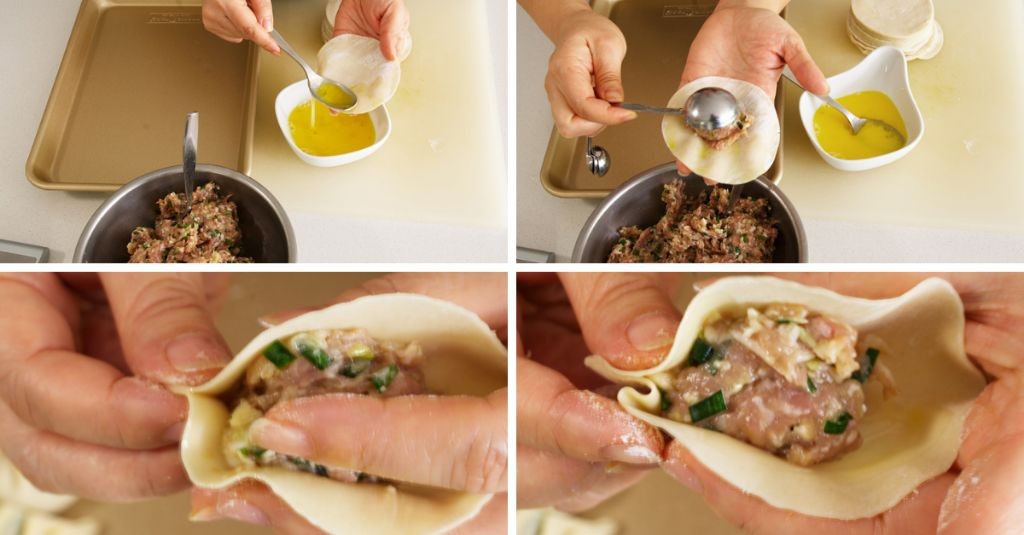
4. Lay a gyoza wrapper flat on your palm and place 1 teaspoon of the pork filling in the center.
5. Dip your finger in a small bowl of water and moisten the outer edge of the wrapper.
6. Fold the wrapper in half over the filling to create a half-moon shape, then pleat and pinch the edges together firmly to seal, ensuring no air pockets remain.
7. Repeat steps 4 through 6 until all the filling is used, placing the finished gyoza on a parchment-lined tray.
8. Heat 1 tablespoon of vegetable oil in a large, non-stick skillet over medium-high heat until it shimmers, about 2 minutes.
9. Arrange the gyoza in the skillet, flat-side down, in a single layer without touching, and cook undisturbed for 3 minutes, or until the bottoms turn a deep golden brown.
10. Carefully pour the ½ cup of water into the skillet, immediately cover with a tight-fitting lid, and reduce the heat to medium-low.
11. Steam the gyoza for 7 minutes, or until the wrappers become translucent and the filling is cooked through.
12. Remove the lid, increase the heat to medium-high, and cook for 1 more minute to evaporate any remaining water and re-crisp the bottoms.
13. Use a thin spatula to transfer the gyoza to a serving plate, crispy-side up.
Unfolding these little parcels reveals a juicy, savory interior where the pork’s richness is perfectly balanced by the bright, fresh notes of cabbage and ginger. The contrast between the crisp, lacy bottom and the tender, steamed top is pure textural delight. Try serving them alongside a simple dipping sauce of soy sauce and rice vinegar, or tuck a few into a warm broth for a comforting, quick soup.
Filipino Pork Lumpia Spring Rolls

Beneath the quiet hum of the kitchen light, there’s a simple comfort in the ritual of rolling—a moment to slow down and fold care into each delicate parcel. These Filipino pork lumpia spring rolls carry that gentle intention, transforming humble ingredients into something crisp and warmly satisfying. It’s a quiet celebration of texture and flavor, perfect for sharing or savoring alone.
Serving: 20 | Pre Time: 30 minutes | Cooking Time: 15 minutes
Ingredients
– Ground pork – 1 lb
– Garlic – 4 cloves, minced
– Onion – 1 medium, finely chopped
– Carrot – 1 medium, grated
– Soy sauce – 2 tbsp
– Salt – ½ tsp
– Black pepper – ¼ tsp
– Lumpia wrappers – 20 sheets
– Vegetable oil – 2 cups, for frying
Instructions
1. In a large bowl, combine 1 lb of ground pork, 4 minced garlic cloves, 1 finely chopped onion, 1 grated carrot, 2 tbsp of soy sauce, ½ tsp of salt, and ¼ tsp of black pepper.
2. Mix the ingredients thoroughly with your hands until evenly distributed, about 2 minutes.
3. Place 1 lumpia wrapper on a clean surface with a corner pointing toward you.
4. Spoon 1 heaping tablespoon of the pork mixture onto the wrapper, about 1 inch from the bottom corner.
5. Fold the bottom corner over the filling, then fold in the left and right corners tightly.
6. Roll the wrapper upward firmly to form a cylinder, sealing the top corner with a dab of water. Tip: Keep unused wrappers covered with a damp towel to prevent drying.
7. Repeat steps 3–6 until all filling and wrappers are used.
8. Heat 2 cups of vegetable oil in a deep skillet or pot to 350°F, using a thermometer to check.
9. Carefully place 4–5 lumpia rolls into the hot oil without overcrowding.
10. Fry for 3–4 minutes, turning occasionally, until golden brown and crisp on all sides. Tip: Maintain the oil temperature at 350°F; if it drops, the rolls may absorb too much oil.
11. Remove the lumpia with tongs and drain on a wire rack or paper towels. Tip: Draining on a rack keeps them crispier than on a plate.
12. Repeat steps 9–11 until all lumpia are fried.
13. Let the lumpia cool for 5 minutes before serving.
Sometimes, the first bite is all crunch, giving way to a savory, well-seasoned filling that’s both hearty and light. Serve them hot with a sweet chili dip or alongside a simple salad for a balanced meal, letting the contrast of textures shine in every quiet moment at the table.
Malaysian Ground Pork Curry Laksa
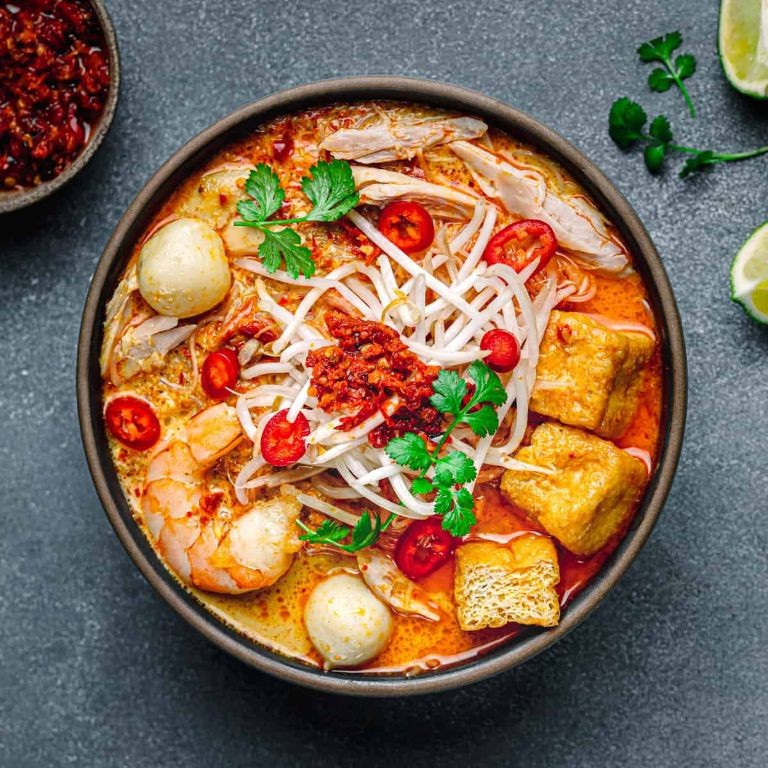
Perhaps it’s the quiet morning light on this December day that makes me crave something both comforting and vibrant—a bowl of Malaysian ground pork curry laksa feels like a warm embrace for the soul, its rich, aromatic broth promising to chase away any lingering chill.
Serving: 4 | Pre Time: 15 minutes | Cooking Time: 25 minutes
Ingredients
– Ground pork – 1 lb
– Laksa paste – ¼ cup
– Coconut milk – 1 (13.5 oz) can
– Chicken broth – 4 cups
– Rice noodles – 8 oz
– Bean sprouts – 1 cup
– Lime – 1
– Cilantro – ¼ cup, chopped
– Vegetable oil – 1 tbsp
– Salt – ½ tsp
Instructions
1. Heat 1 tbsp of vegetable oil in a large pot over medium heat until it shimmers, about 1 minute.
2. Add 1 lb of ground pork to the pot and cook for 5–7 minutes, breaking it into small crumbles with a spoon until no pink remains.
3. Stir in ¼ cup of laksa paste and cook for 2 minutes, stirring constantly to release its fragrant oils—this step deepens the flavor base.
4. Pour in 4 cups of chicken broth and bring the mixture to a gentle boil over medium-high heat, which should take about 3–4 minutes.
5. Reduce the heat to low, add 1 can of coconut milk and ½ tsp of salt, and simmer uncovered for 10 minutes, stirring occasionally to prevent curdling.
6. While the broth simmers, cook 8 oz of rice noodles according to package directions until al dente, then drain and rinse under cold water to stop the cooking.
7. Divide the cooked noodles evenly among four bowls and top each with ¼ cup of bean sprouts for a fresh crunch.
8. Ladle the hot broth and pork mixture over the noodles and sprouts in each bowl.
9. Squeeze the juice of 1 lime evenly over the bowls and garnish with ¼ cup of chopped cilantro for a bright, herbal finish.
Soft rice noodles soak up the creamy, spiced broth, while the ground pork adds a savory depth that melds with the tangy lime and crisp bean sprouts. Serve it with extra lime wedges on the side for those who love a zesty kick, or pair it with a simple cucumber salad to balance the richness.
Indonesian Pork Soto Soup
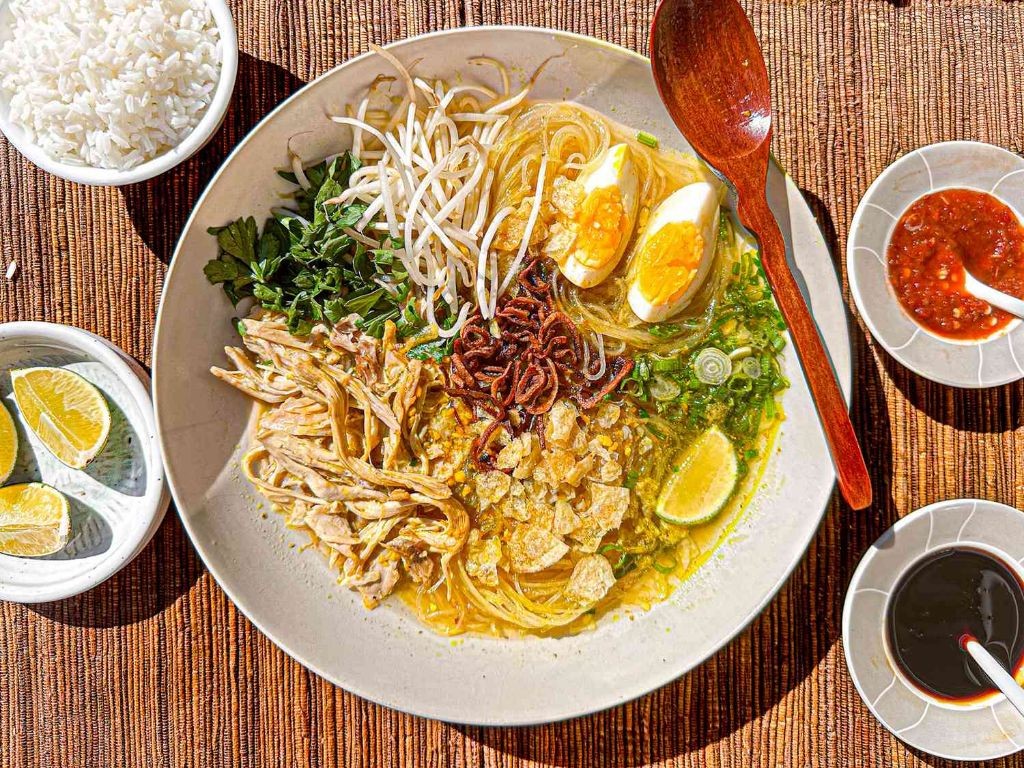
Even on a quiet December morning like this, when the world outside feels hushed and still, there’s something deeply comforting about letting a pot of soup simmer slowly on the stove. Indonesian Pork Soto Soup wraps you in warmth, its fragrant broth and tender meat a gentle reminder of how simple ingredients can create something truly nourishing.
Serving: 4 | Pre Time: 15 minutes | Cooking Time: 90 minutes
Ingredients
– Pork shoulder – 1 lb
– Chicken broth – 6 cups
– Lemongrass – 2 stalks
– Garlic – 4 cloves
– Ginger – 1 inch piece
– Turmeric – 1 tsp
– Lime – 1
– Rice noodles – 8 oz
– Bean sprouts – 1 cup
– Green onions – 2
– Salt – 1 tsp
Instructions
1. Cut the pork shoulder into 1-inch cubes.
2. Place the pork cubes in a large pot and add the chicken broth.
3. Bruise the lemongrass stalks with the back of a knife to release their aroma, then add them to the pot.
4. Mince the garlic and ginger finely, then stir them into the broth along with the turmeric and salt.
5. Bring the broth to a boil over high heat, then immediately reduce to a low simmer.
6. Cover the pot and let it simmer gently for 1 hour and 15 minutes, until the pork is fork-tender.
7. While the soup simmers, cook the rice noodles according to package instructions, then drain and set aside.
8. Thinly slice the green onions and rinse the bean sprouts under cold water.
9. After the soup has simmered, remove the lemongrass stalks and discard them.
10. Squeeze the juice from the lime directly into the pot, stirring gently to incorporate.
11. Divide the cooked rice noodles among four bowls, then ladle the hot soup and pork over the noodles.
12. Top each bowl with a handful of bean sprouts and a sprinkle of sliced green onions.
13. Serve immediately while the soup is piping hot.
Rich and aromatic, the broth carries the earthy warmth of turmeric and the bright citrus notes of lemongrass, while the pork melts into tender shreds with each spoonful. For a creative twist, try serving it with a side of crispy fried shallots or a dollop of sambal for those who enjoy a bit of heat.
Singaporean Chili Pork Noodles

Years ago, I discovered a faded recipe card tucked inside an old cookbook at a garage sale, its edges softened by time and its ink slightly blurred. Today, as the morning light filters through my kitchen window, I find myself drawn back to that moment, ready to bring its promise to life with a gentle, unhurried hand.
Serving: 4 | Pre Time: 15 minutes | Cooking Time: 20 minutes
Ingredients
– Pork shoulder – 1 lb
– Fresh egg noodles – 12 oz
– Garlic – 4 cloves
– Shallot – 1 medium
– Tomato paste – 2 tbsp
– Soy sauce – 3 tbsp
– Rice vinegar – 1 tbsp
– Brown sugar – 1 tbsp
– Chili flakes – 1 tsp
– Vegetable oil – 2 tbsp
– Water – ½ cup
Instructions
1. Slice the pork shoulder into thin strips, about ¼-inch thick, against the grain for tenderness.
2. Mince the garlic and finely dice the shallot, keeping them separate on your cutting board.
3. Heat the vegetable oil in a large skillet over medium-high heat until it shimmers, about 2 minutes.
4. Add the pork strips to the skillet in a single layer, cooking without stirring for 3 minutes to develop a golden-brown sear.
5. Flip the pork and cook for another 2 minutes until lightly browned on both sides, then transfer to a plate.
6. Reduce the heat to medium and add the shallot to the skillet, sautéing for 3 minutes until translucent and fragrant.
7. Stir in the garlic and cook for 1 minute until just softened, being careful not to let it burn.
8. Add the tomato paste, chili flakes, and brown sugar to the skillet, stirring constantly for 2 minutes to toast the spices and deepen the flavors.
9. Pour in the soy sauce, rice vinegar, and water, scraping the bottom of the skillet to incorporate any browned bits.
10. Return the pork to the skillet, stirring to coat it in the sauce, then simmer uncovered for 10 minutes until the sauce thickens slightly.
11. While the pork simmers, bring a large pot of water to a rolling boil and cook the fresh egg noodles according to package instructions, usually 3–4 minutes until al dente.
12. Drain the noodles thoroughly and divide them among four bowls.
13. Spoon the chili pork and sauce evenly over the noodles, ensuring each serving gets a balance of meat and liquid.
Layers of tender pork meld with the glossy, slightly sweet-and-spicy sauce, clinging to each strand of noodle in a comforting embrace. For a creative twist, top it with a soft-boiled egg or serve alongside crisp cucumber slices to contrast the rich warmth.
Cambodian Pork and Green Bean Stir-Fry
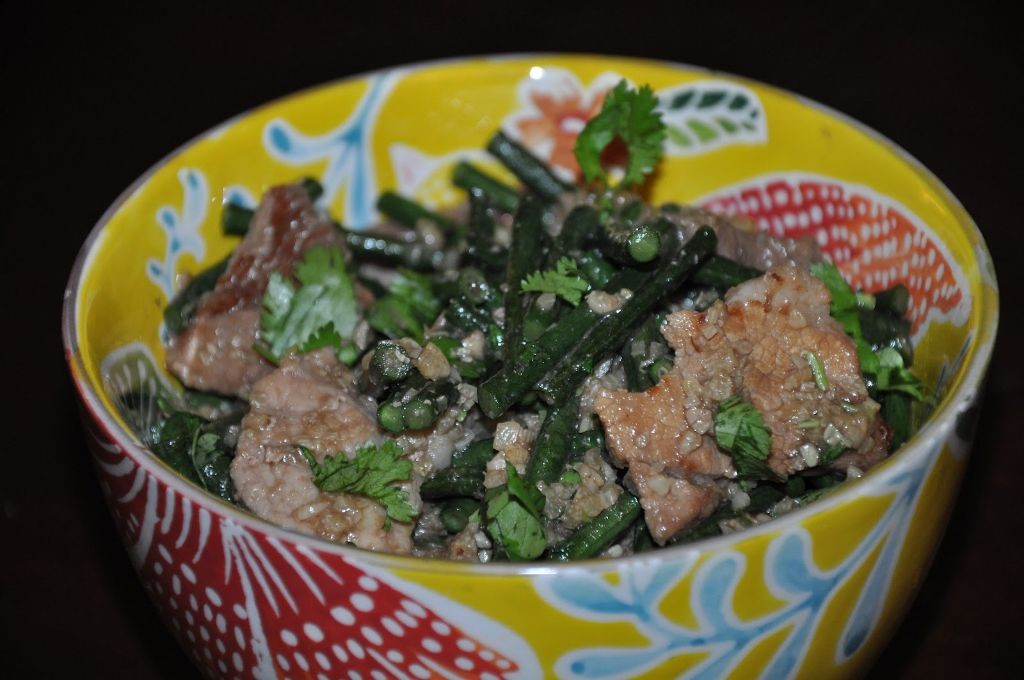
Lately, I’ve found myself craving the kind of meal that feels both grounding and gently exciting, a quiet celebration of simple, honest ingredients coming together in a pan. This Cambodian stir-fry, with its tender pork and crisp green beans, is exactly that—a humble dish that speaks in whispers of garlic, oyster sauce, and warmth.
Serving: 4 | Pre Time: 15 minutes | Cooking Time: 15 minutes
Ingredients
– Pork tenderloin – 1 lb
– Green beans – 12 oz
– Garlic – 4 cloves
– Vegetable oil – 2 tbsp
– Oyster sauce – 3 tbsp
– Water – ¼ cup
– Granulated sugar – 1 tsp
Instructions
1. Trim any silver skin from the pork tenderloin and slice it into thin, ¼-inch strips against the grain for maximum tenderness.
2. Wash the green beans, trim off the ends, and cut them into 2-inch pieces.
3. Mince the garlic cloves finely.
4. Heat the vegetable oil in a large wok or skillet over medium-high heat until it shimmers, about 2 minutes.
5. Add the pork strips to the hot oil in a single layer and cook without stirring for 2 minutes to allow a light sear to develop.
6. Stir the pork and continue cooking until it is no longer pink, about 3 more minutes, then transfer it to a clean plate.
7. In the same wok, add the green beans and stir-fry for 4 minutes until they brighten in color and develop slight blistered spots.
8. Push the beans to the side, add the minced garlic to the center of the wok, and cook for 30 seconds until fragrant, being careful not to let it burn.
9. Return the cooked pork to the wok and stir everything together.
10. In a small bowl, whisk together the oyster sauce, water, and granulated sugar until the sugar dissolves.
11. Pour the sauce mixture over the pork and green beans, stirring to coat evenly.
12. Reduce the heat to medium and let the dish simmer for 3 minutes, allowing the sauce to thicken slightly and cling to the ingredients.
13. Remove the wok from the heat.
But what truly makes this dish sing is its beautiful contrast: the pork, now glazed and succulent, against the snappy, fresh green beans, all brought together by that rich, savory-sweet sauce. Serve it simply over a mound of steamed jasmine rice to soak up every last drop, or for a lighter touch, alongside a crisp cucumber salad.
Laotian Ground Pork Larb Salad
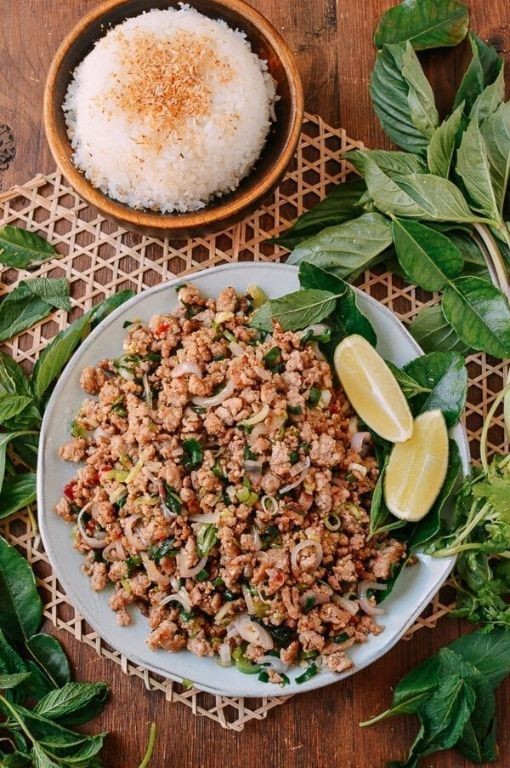
Folding back the pages of my worn kitchen journal, I find a quiet memory of a summer evening when the air hung thick with jasmine and the sizzle of pork in a hot pan promised something vibrant and alive. This Laotian ground pork larb salad feels like that moment captured—a quick, fragrant dance of textures meant to be shared with laughter and cold drinks.
Serving: 4 | Pre Time: 15 minutes | Cooking Time: 10 minutes
Ingredients
– Ground pork – 1 lb
– Lime juice – ¼ cup
– Fish sauce – 3 tbsp
– Granulated sugar – 1 tbsp
– Shallot – 1, thinly sliced
– Fresh mint leaves – ½ cup, roughly chopped
– Fresh cilantro leaves – ½ cup, roughly chopped
– Green onions – 2, thinly sliced
– Toasted rice powder – 2 tbsp
– Dried red chili flakes – 1 tsp
– Lettuce leaves – 1 head
Instructions
1. Heat a large skillet over medium-high heat until a drop of water sizzles and evaporates immediately.
2. Add the ground pork to the dry skillet, breaking it into small crumbles with a wooden spoon.
3. Cook the pork for 5–7 minutes, stirring occasionally, until it is no longer pink and has developed light golden-brown spots.
4. Tip: Avoid overcrowding the pan to ensure the pork browns properly instead of steaming.
5. Transfer the cooked pork to a large mixing bowl and let it cool for 5 minutes to room temperature.
6. In a small bowl, whisk together the lime juice, fish sauce, and granulated sugar until the sugar fully dissolves.
7. Pour the dressing over the slightly warm pork in the mixing bowl and toss gently to coat evenly.
8. Add the thinly sliced shallot, chopped mint, chopped cilantro, sliced green onions, toasted rice powder, and dried red chili flakes to the bowl.
9. Tip: Toasting raw rice in a dry pan until golden, then grinding it, creates the essential nutty, crunchy rice powder—don’t skip it.
10. Toss all ingredients together thoroughly until the herbs are well distributed and the pork is fully dressed.
11. Taste the salad and adjust with an extra teaspoon of lime juice or fish sauce if needed for a brighter or saltier balance.
12. Tip: Let the salad sit for 5 minutes before serving to allow the flavors to meld and the shallots to soften slightly.
13. Arrange the lettuce leaves on a large platter or individual plates.
14. Spoon the larb salad generously into the lettuce leaves, serving immediately.
Aromatic and lively, this salad offers a delightful contrast: the warm, savory pork against the cool, crisp lettuce, with the toasted rice powder adding a subtle, earthy crunch. Serve it straight from the bowl with extra lime wedges, or tuck it into lettuce cups for a handheld meal that feels both rustic and refreshingly light.
Burmese Pork and Tomato Curry

Sometimes, on quiet winter afternoons like this one, I find myself craving the deep, comforting warmth of a curry that feels like a slow, savory embrace—a dish that simmers patiently and fills the kitchen with the rich, aromatic scent of tomatoes and spices. This Burmese pork and tomato curry is just that, a humble yet deeply satisfying meal that transforms simple ingredients into something soulful and nourishing, perfect for a cozy evening at home.
Serving: 4 | Pre Time: 15 minutes | Cooking Time: 45 minutes
Ingredients
– Pork shoulder – 1 lb, cut into 1-inch cubes
– Vegetable oil – 2 tbsp
– Onion – 1 medium, finely chopped
– Garlic – 3 cloves, minced
– Ginger – 1 tbsp, grated
– Turmeric powder – 1 tsp
– Paprika – 1 tsp
– Tomatoes – 4 medium, chopped
– Water – 1 cup
– Salt – 1 tsp
Instructions
1. Heat the vegetable oil in a large, heavy-bottomed pot over medium heat until it shimmers slightly, about 2 minutes.
2. Add the chopped onion to the pot and cook, stirring occasionally, until it turns soft and translucent, about 5 minutes.
3. Stir in the minced garlic and grated ginger, cooking for 1 minute until fragrant to release their aromatic oils without burning.
4. Add the pork cubes to the pot and sear them on all sides until lightly browned, about 5 minutes, which helps lock in juices for a tender result.
5. Sprinkle the turmeric powder and paprika over the pork, stirring to coat evenly and toast the spices for 30 seconds to deepen their flavor.
6. Pour in the chopped tomatoes and water, then add the salt, stirring to combine all ingredients in the pot.
7. Bring the mixture to a gentle boil, then reduce the heat to low, cover the pot with a lid, and let it simmer for 30 minutes, stirring halfway through to prevent sticking.
8. After 30 minutes, check the pork by piercing a piece with a fork; it should be fork-tender and easily shred apart, with the tomatoes broken down into a thick sauce.
9. If the sauce is too thin, simmer uncovered for an additional 5-10 minutes until it reaches your desired consistency, adjusting heat as needed to avoid scorching.
10. Remove the pot from the heat and let the curry rest for 5 minutes before serving to allow the flavors to meld together beautifully.
Zesty and rich, this curry yields tender pork that falls apart in a vibrant, tomato-based sauce with a subtle warmth from the spices. Serve it over steamed jasmine rice to soak up every bit of the savory broth, or pair it with crusty bread for a comforting, hands-on meal that feels both rustic and deeply satisfying.
Taiwanese Pork Zongzi Sticky Rice Dumplings
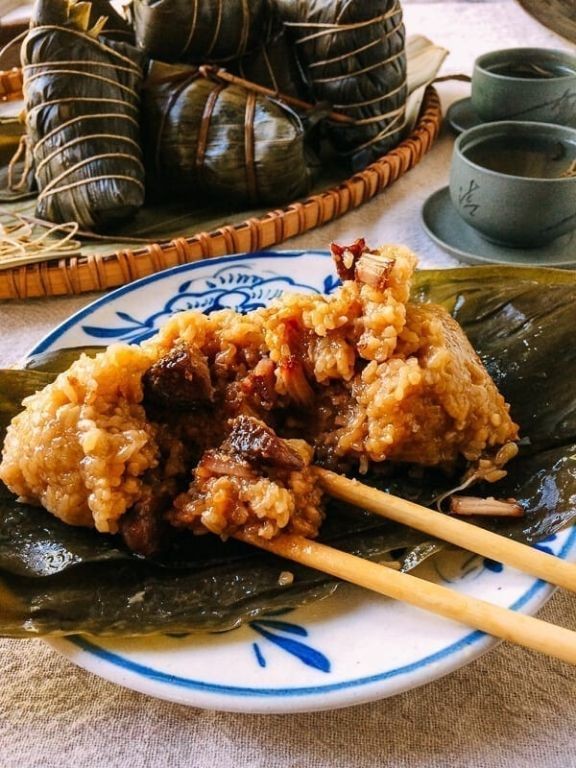
Perhaps it’s the quiet of a winter morning like this one, the light just beginning to soften the edges of the day, that makes me reach for the familiar comfort of assembling these parcels. There’s a gentle, almost meditative rhythm to wrapping zongzi, a quiet connection to hands that have done this for generations, turning simple ingredients into a meal that feels like a warm embrace.
Serving: 8 | Pre Time: 60 minutes | Cooking Time: 120 minutes
Ingredients
- Glutinous Rice – 3 cups
- Pork Belly – 1 lb, cut into 1-inch cubes
- Dried Bamboo Leaves – 16 leaves
- Soy Sauce – ¼ cup
- Shallots – 2, minced
- Five-Spice Powder – 1 tsp
- Cotton Kitchen Twine – 1 roll
Instructions
- Soak the dried bamboo leaves in a large bowl of warm water for 30 minutes until pliable, then gently scrub each leaf clean with a soft brush to remove any dust.
- Rinse the glutinous rice under cold water in a fine-mesh strainer until the water runs clear, then transfer it to a bowl and cover with 2 inches of cold water to soak for 1 hour.
- Pat the pork belly cubes completely dry with paper towels to ensure proper browning.
- Heat a large skillet or wok over medium-high heat for 2 minutes, then add the pork belly and cook for 5-7 minutes, stirring occasionally, until the edges are lightly browned and some fat has rendered.
- Add the minced shallots to the skillet and cook for 3 minutes, stirring constantly, until they are fragrant and translucent.
- Pour in the soy sauce and sprinkle the five-spice powder over the pork mixture, stirring to coat evenly, then remove the skillet from the heat and let the filling cool completely to room temperature.
- Drain the soaked glutinous rice thoroughly in the strainer, shaking it gently to remove excess water.
- Take two bamboo leaves and overlap them lengthwise, shiny side up, to form a wide cone in your palm.
- Spoon 2 tablespoons of the drained glutinous rice into the bottom of the leaf cone.
- Place 2-3 pieces of the cooled pork filling in the center of the rice.
- Cover the pork filling completely with another 2 tablespoons of glutinous rice, pressing down lightly with the back of the spoon to compact the layers.
- Fold the top portion of the bamboo leaves down over the rice filling, then fold in the sides to create a tight, rectangular parcel. Tip: The key to a secure zongzi is to fold firmly but gently to avoid tearing the leaves.
- Secure the parcel by wrapping cotton kitchen twine around it several times in a crisscross pattern, then tie it off with a double knot. Repeat with the remaining leaves and filling to make 8 parcels total.
- Place all the tied zongzi in a large pot and add enough cold water to cover them by 2 inches.
- Bring the water to a boil over high heat, then immediately reduce the heat to low, cover the pot, and simmer gently for 2 hours. Tip: Maintain a very low simmer—just a few bubbles breaking the surface—to prevent the parcels from bursting open.
- After 2 hours, carefully remove one zongzi with tongs, let it cool for 5 minutes, then unwrap it to check that the rice is fully cooked and tender with no hard, white centers.
- Once cooked, turn off the heat and let the zongzi rest in the hot water, covered, for 20 minutes to allow the flavors to settle and the texture to set. Tip: This resting period is crucial for the sticky rice to achieve its signature cohesive, slightly chewy texture.
- Remove the zongzi from the water with tongs and let them drain and cool on a wire rack for at least 15 minutes before serving.
Releasing a zongzi from its leafy wrap reveals a mosaic of glossy, pearl-like rice clinging to the savory pork. The flavor is deeply comforting, with the five-spice powder and soy sauce melding into a rich, aromatic essence that permeates every grain. For a delightful contrast, try serving them slightly warm with a small dish of chili crisp or a drizzle of sweet soy sauce, letting the sticky texture play against a sharp or sweet accent.
Hong Kong Style Pork Wontons
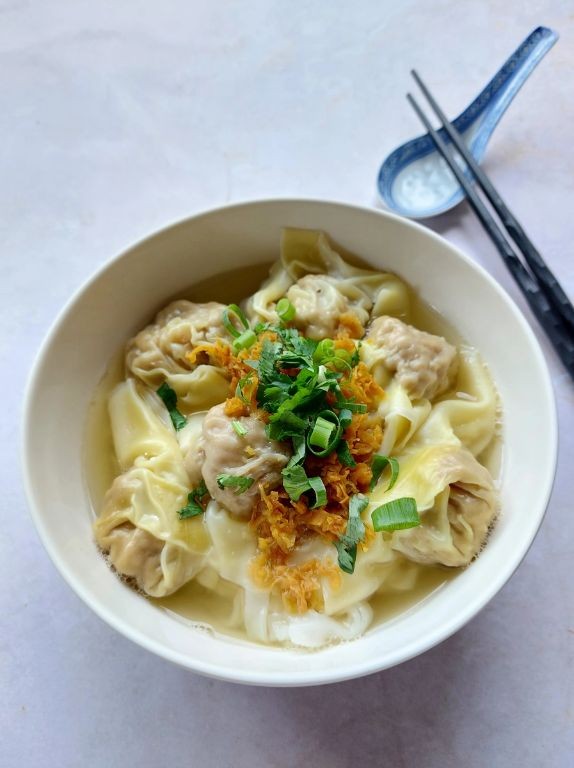
Cradling a warm bowl of wontons on a quiet evening feels like holding a piece of comfort in your hands. These Hong Kong-style pork wontons, with their delicate skins and savory filling, are a simple joy to make from scratch. The process itself becomes a gentle, mindful ritual.
Serving: 4 | Pre Time: 30 minutes | Cooking Time: 10 minutes
Ingredients
– All-purpose flour – 1 cup
– Water – ½ cup
– Ground pork – ½ lb
– Soy sauce – 1 tbsp
– Sesame oil – 1 tsp
– Salt – ½ tsp
– Chicken broth – 4 cups
Instructions
1. In a medium bowl, combine 1 cup of all-purpose flour and ½ tsp of salt.
2. Gradually add ½ cup of water to the flour mixture, stirring with a fork until a shaggy dough forms.
3. Turn the dough onto a lightly floured surface and knead for 5 minutes until smooth and elastic. Tip: Let the dough rest under a damp cloth for 15 minutes to relax the gluten, making it easier to roll out.
4. In a separate bowl, mix ½ lb of ground pork, 1 tbsp of soy sauce, and 1 tsp of sesame oil until well combined.
5. Roll the rested dough into a thin sheet, about ⅛ inch thick, using a rolling pin.
6. Cut the dough sheet into 3-inch squares with a knife or pastry cutter.
7. Place 1 tsp of the pork mixture in the center of each dough square.
8. Fold each square into a triangle, pressing the edges firmly to seal. Tip: Dab the edges with a little water before sealing to ensure they stick together during cooking.
9. Bring 4 cups of chicken broth to a boil in a large pot over high heat.
10. Gently drop the wontons into the boiling broth and cook for 5-7 minutes until they float to the surface and the wrappers turn translucent. Tip: Avoid overcrowding the pot; cook in batches if necessary to prevent sticking.
11. Ladle the wontons and broth into bowls immediately.
Pleasingly tender, the thin wrappers give way to a juicy, umami-rich pork filling that’s subtly seasoned. Serve them simply in the clear broth for a light meal, or for a creative twist, drizzle with a bit of chili oil and garnish with sliced green onions to add a vibrant kick.
Indian Spiced Pork Keema
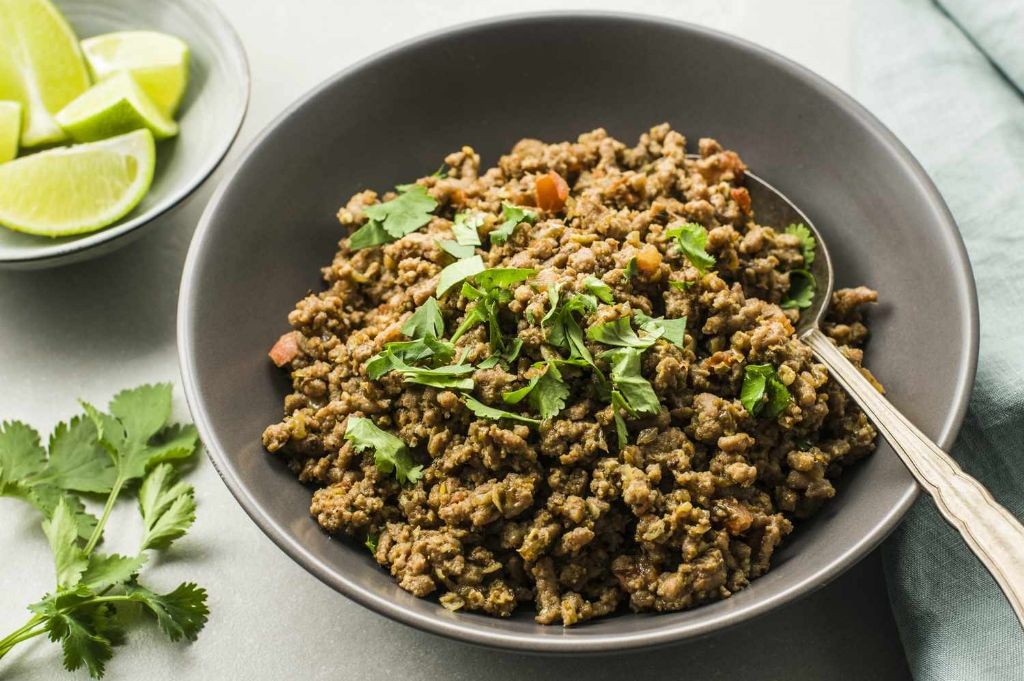
Yesterday, as the winter light faded early, I found myself craving something deeply comforting yet vibrant—a dish that could warm the kitchen and the soul with its aromatic spices. This Indian-spiced pork keema is just that: a humble, one-pan wonder where ground pork transforms into a richly seasoned, savory filling, perfect for spooning over rice or stuffing into warm flatbreads. It’s the kind of simple, forgiving recipe that feels like a quiet gift to yourself on a busy evening.
Serving: 4 | Pre Time: 10 minutes | Cooking Time: 25 minutes
Ingredients
– Ground pork – 1 lb
– Yellow onion – 1 medium, finely chopped
– Garlic – 3 cloves, minced
– Ginger – 1 tbsp, grated
– Tomato – 1 medium, finely chopped
– Frozen peas – 1 cup
– Vegetable oil – 2 tbsp
– Ground cumin – 1 tsp
– Ground coriander – 1 tsp
– Turmeric powder – ½ tsp
– Cayenne pepper – ¼ tsp
– Salt – 1 tsp
– Water – ½ cup
– Fresh cilantro – ¼ cup, chopped
Instructions
1. Heat the vegetable oil in a large skillet or Dutch oven over medium heat until it shimmers, about 2 minutes.
2. Add the chopped onion and cook, stirring occasionally, until soft and translucent, about 5 minutes.
3. Stir in the minced garlic and grated ginger, and cook for 1 minute until fragrant.
4. Add the ground pork, breaking it up with a wooden spoon, and cook until no pink remains, about 5–7 minutes.
5. Sprinkle in the ground cumin, ground coriander, turmeric powder, cayenne pepper, and salt, stirring to coat the pork evenly for 1 minute.
6. Tip: Toasting the spices briefly in the fat unlocks their full aroma, so don’t skip this step.
7. Add the chopped tomato and cook, stirring frequently, until the tomato breaks down and the mixture thickens slightly, about 3–4 minutes.
8. Pour in the water, stir to combine, and bring to a simmer.
9. Reduce the heat to low, cover the skillet, and let it simmer gently for 10 minutes to allow the flavors to meld.
10. Tip: Keeping the heat low prevents the pork from drying out, ensuring a tender texture.
11. Uncover the skillet, add the frozen peas, and stir to incorporate.
12. Cook uncovered for another 3–4 minutes until the peas are heated through and the liquid has reduced to a thick sauce.
13. Tip: For a brighter color, add the peas at the end so they retain their vibrant green.
14. Remove from heat and stir in the chopped fresh cilantro.
15. Here, the keema settles into a coarse, moist texture, with the pork finely crumbled and clinging to the peas in a warmly spiced gravy. Its flavor is earthy from the cumin and coriander, with a gentle heat from the cayenne that builds slowly. Try serving it tucked into buttered dinner rolls for a playful twist on sloppy joes, or alongside a cool cucumber raita to balance the spices.
Nepalese Pork Momo Dumplings
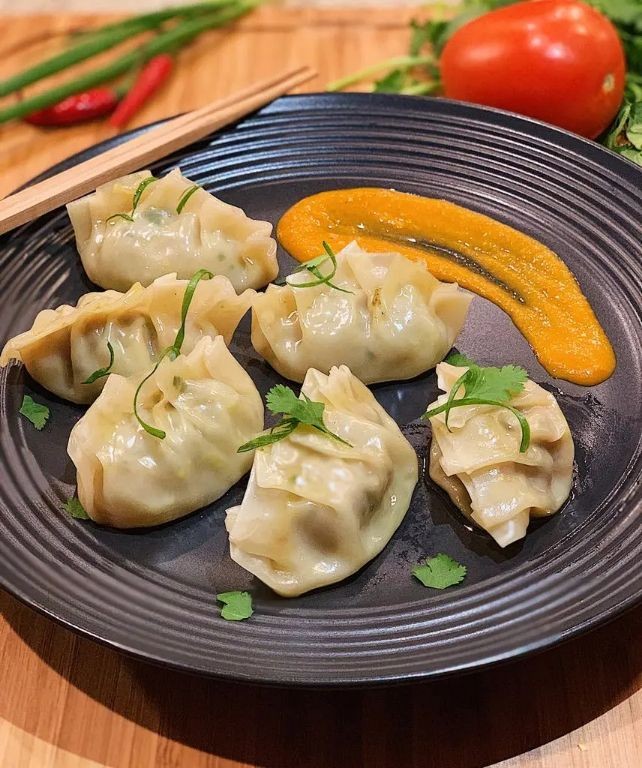
Beneath the quiet hum of a winter morning, I find myself drawn to the warmth of making something by hand, something that carries the soul of a distant place into my kitchen. These Nepalese pork momo dumplings are like little pockets of comfort, each fold a gentle promise of flavor and tradition, a simple act of creation that feels both grounding and joyful.
Serving: 4 | Pre Time: 40 minutes | Cooking Time: 15 minutes
Ingredients
– All-purpose flour – 2 cups
– Water – ¾ cup
– Salt – 1 tsp
– Ground pork – 1 lb
– Onion – 1 medium, finely chopped
– Garlic – 3 cloves, minced
– Ginger – 1 tbsp, grated
– Soy sauce – 2 tbsp
– Vegetable oil – 2 tbsp
Instructions
1. In a large bowl, combine the all-purpose flour and ½ tsp of salt. Gradually add the water while stirring with a fork until a shaggy dough forms.
2. Knead the dough on a lightly floured surface for 8-10 minutes until smooth and elastic, then cover with a damp cloth and let it rest for 30 minutes at room temperature.
3. While the dough rests, prepare the filling: in a mixing bowl, combine the ground pork, finely chopped onion, minced garlic, grated ginger, soy sauce, and remaining ½ tsp of salt. Mix thoroughly with your hands until well incorporated.
4. Divide the rested dough into 24 equal pieces, rolling each into a smooth ball. On a floured surface, roll each ball into a thin circle about 3 inches in diameter using a rolling pin.
5. Place 1 tbsp of the pork filling in the center of each dough circle. Fold the edges up and pinch them together firmly to seal, creating pleats around the top for a traditional look—this helps prevent leaks during cooking.
6. Line a steamer basket with parchment paper or cabbage leaves to avoid sticking. Arrange the momos in a single layer without touching, leaving space for steam to circulate.
7. Bring water in a pot to a boil over high heat, then reduce to medium to maintain a steady steam. Place the steamer basket over the pot, cover, and steam the momos for 12-15 minutes until the dough turns translucent and the pork is cooked through, checking at 12 minutes for doneness.
8. Carefully remove the momos from the steamer and brush lightly with vegetable oil to keep them moist and glossy.
9. Serve immediately while hot. Keep the steamer covered between batches to retain heat if cooking in multiple rounds.
Kneading the dough by hand yields a tender, chewy wrapper that cradles the savory pork filling, infused with the aromatic hints of ginger and garlic. Enjoy them dipped in a simple sauce of soy and chili, or pair with a light salad for a comforting meal that feels both humble and celebratory.
Bangladeshi Pork Bhuna Masala
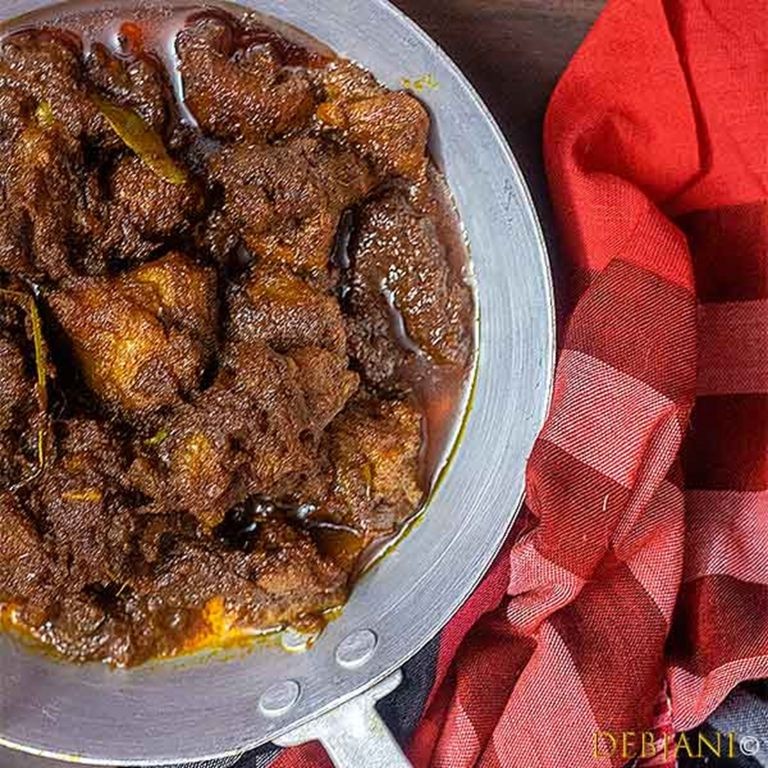
Dipping a wooden spoon into the deep, dark gravy of this pork bhuna masala, I’m reminded of how a single pot can hold so much—the slow-cooked tenderness of meat, the layered warmth of spices, and the quiet comfort of a meal that asks for nothing but time. It’s a dish that unfolds gently, filling the kitchen with an aroma that feels both familiar and wonderfully new.
Serving: 4 | Pre Time: 15 minutes | Cooking Time: 90 minutes
Ingredients
– Pork shoulder – 2 lbs, cut into 1-inch cubes
– Vegetable oil – 2 tbsp
– Onion – 1 large, finely chopped
– Garlic – 4 cloves, minced
– Ginger – 1 tbsp, grated
– Tomato – 1 large, finely chopped
– Ground cumin – 1 tsp
– Ground coriander – 1 tsp
– Turmeric powder – ½ tsp
– Red chili powder – 1 tsp
– Salt – 1 tsp
– Water – ½ cup
Instructions
1. Heat the vegetable oil in a heavy-bottomed pot or Dutch oven over medium-high heat until it shimmers, about 2 minutes.
2. Add the pork shoulder cubes in a single layer, working in batches if needed to avoid overcrowding, and sear until browned on all sides, about 8–10 minutes total per batch. Remove and set aside.
3. Tip: Don’t rush the searing—this builds a rich fond at the bottom of the pot, which is key for depth of flavor.
4. In the same pot, reduce heat to medium and add the chopped onion. Sauté, stirring occasionally, until golden brown and softened, about 10 minutes.
5. Add the minced garlic and grated ginger, stirring constantly for 1 minute until fragrant to prevent burning.
6. Stir in the chopped tomato and cook until it breaks down into a thick paste, about 5 minutes, scraping up any browned bits from the bottom.
7. Add the ground cumin, ground coriander, turmeric powder, red chili powder, and salt. Toast the spices with the mixture for 1 minute, stirring constantly to release their oils.
8. Tip: Toasting the spices briefly unlocks their full aroma without turning them bitter.
9. Return the seared pork to the pot, stirring to coat evenly with the spice mixture.
10. Pour in the water, bring to a gentle simmer, then reduce heat to low, cover, and let it cook for 1 hour and 15 minutes, stirring every 20 minutes to prevent sticking.
11. Tip: If the gravy thickens too quickly, add a splash more water to maintain a saucy consistency.
12. After 1 hour and 15 minutes, uncover and increase heat to medium. Cook, stirring frequently, for 15 minutes until the gravy reduces to a thick, clinging texture and the pork is fork-tender.
13. Remove from heat and let rest for 5 minutes before serving.
Perhaps the magic lies in that final reduction, where the gravy clings to each piece of pork, creating a glossy, intense coating. The meat falls apart with a gentle nudge, infused with earthy spices and a subtle heat that lingers warmly. Serve it over steamed rice or with soft flatbreads to soak up every last bit of that rich, slow-simmered sauce.
Summary
Zesty, versatile, and packed with flavor, these 18 Asian ground pork recipes prove that delicious meals don’t have to be complicated. Whether you’re craving something spicy or savory, there’s a dish here to satisfy every taste. Give one a try this week, and let us know which recipe becomes your new favorite in the comments below! Don’t forget to pin this article to your Pinterest boards to save these ideas for later.