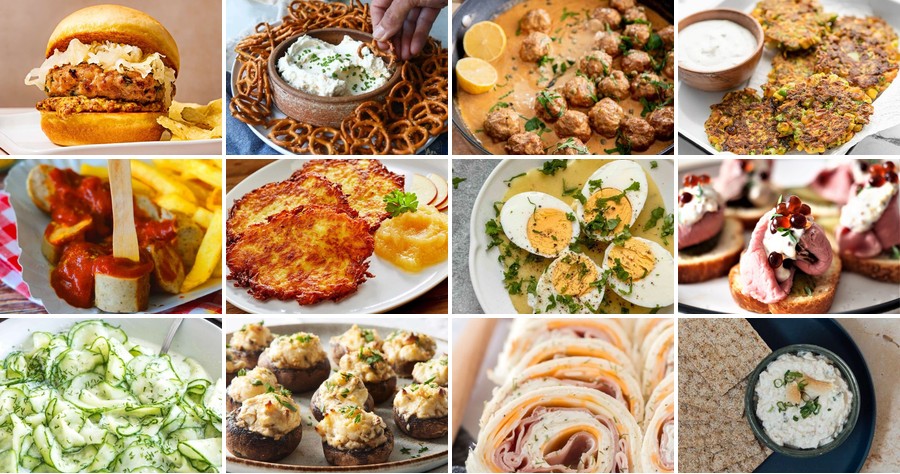
Bring the cozy charm of a German beer garden right to your kitchen! Whether you’re hosting a festive gathering or simply craving authentic European flavors, these 18 classic appetizers offer a delicious tour of Germany’s rich culinary traditions. From savory pretzels to hearty spreads, each recipe is crafted to delight your taste buds and impress your guests. Let’s dive into these irresistible starters that promise to elevate any meal.
Bavarian pretzel bites with beer cheese dip
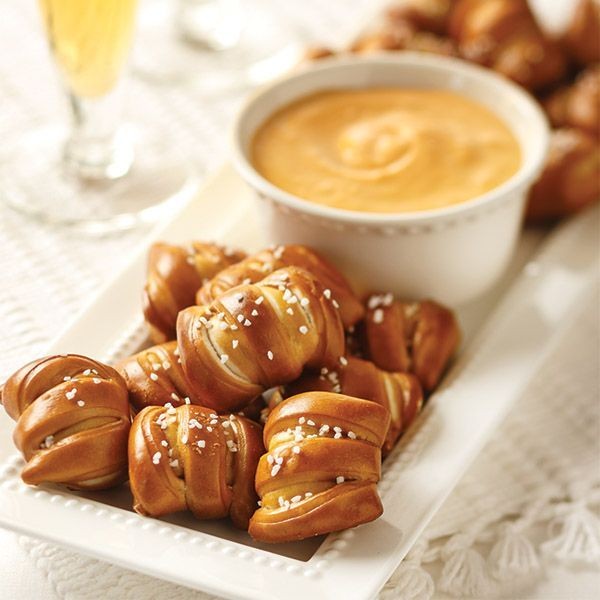
Unveiling a festive twist on a classic, these Bavarian pretzel bites with beer cheese dip transform humble ingredients into an elegant appetizer perfect for holiday gatherings. The soft, chewy pretzel dough, kissed with a traditional lye bath for that signature mahogany crust, pairs beautifully with a rich, velvety cheese dip infused with malty beer notes—a combination that feels both nostalgic and sophisticated.
Serving: 8 | Pre Time: 20 minutes | Cooking Time: 15 minutes
Ingredients
– 2 cups all-purpose flour (I always sift mine for a lighter texture)
– 1 tsp active dry yeast (check the expiration date for best rise)
– 1 tbsp granulated sugar
– 3/4 cup warm water (around 110°F—wrist-test it like warm bathwater)
– 1 tsp kosher salt
– 2 tbsp unsalted butter, melted (I prefer European-style for its creaminess)
– 4 cups water for boiling
– 1/4 cup baking soda (this creates the pretzel’s iconic crust)
– 1 large egg, beaten (room temp eggs blend more smoothly)
– Coarse sea salt for sprinkling
– 8 oz sharp cheddar cheese, shredded (extra-sharp adds a lovely bite)
– 1/2 cup lager-style beer (a malty amber works wonders here)
– 1/4 cup whole milk
– 1 tbsp all-purpose flour
– 1 tsp Dijon mustard (my secret for a subtle tang)
Instructions
1. In a large bowl, combine the 2 cups all-purpose flour, active dry yeast, granulated sugar, and kosher salt.
2. Pour in the 3/4 cup warm water and 2 tbsp melted unsalted butter, then mix until a shaggy dough forms.
3. Knead the dough on a floured surface for 5–7 minutes until smooth and elastic—tip: it should spring back when gently poked.
4. Place the dough in a greased bowl, cover with a damp towel, and let rise in a warm spot for 1 hour until doubled in size.
5. Punch down the dough and divide it into 24 equal pieces, rolling each into a 1-inch ball.
6. In a large pot, bring 4 cups water to a boil, then carefully whisk in 1/4 cup baking soda—tip: add it slowly to prevent foaming over.
7. Boil each dough ball for 30 seconds, then remove with a slotted spoon to a parchment-lined baking sheet.
8. Brush the boiled dough balls with the beaten large egg and sprinkle generously with coarse sea salt.
9. Bake at 425°F for 12–15 minutes until deep golden brown—tip: rotate the sheet halfway for even coloring.
10. For the dip, melt 1 tbsp all-purpose flour with 1 tbsp unsalted butter in a saucepan over medium heat, whisking for 1 minute to form a roux.
11. Gradually whisk in 1/2 cup lager-style beer, 1/4 cup whole milk, and 1 tsp Dijon mustard until smooth.
12. Reduce heat to low, add 8 oz shredded sharp cheddar cheese, and stir until fully melted and creamy, about 3–4 minutes.
13. Serve the warm pretzel bites immediately with the beer cheese dip.
Crafted for convivial moments, these bites offer a satisfying chew with a crisp exterior, while the dip delivers a velvety, umami-rich contrast. For a playful twist, skewer them with festive toothpicks or pair with a crisp apple slice to cut through the richness.
Kartoffelpuffer (German potato pancakes)
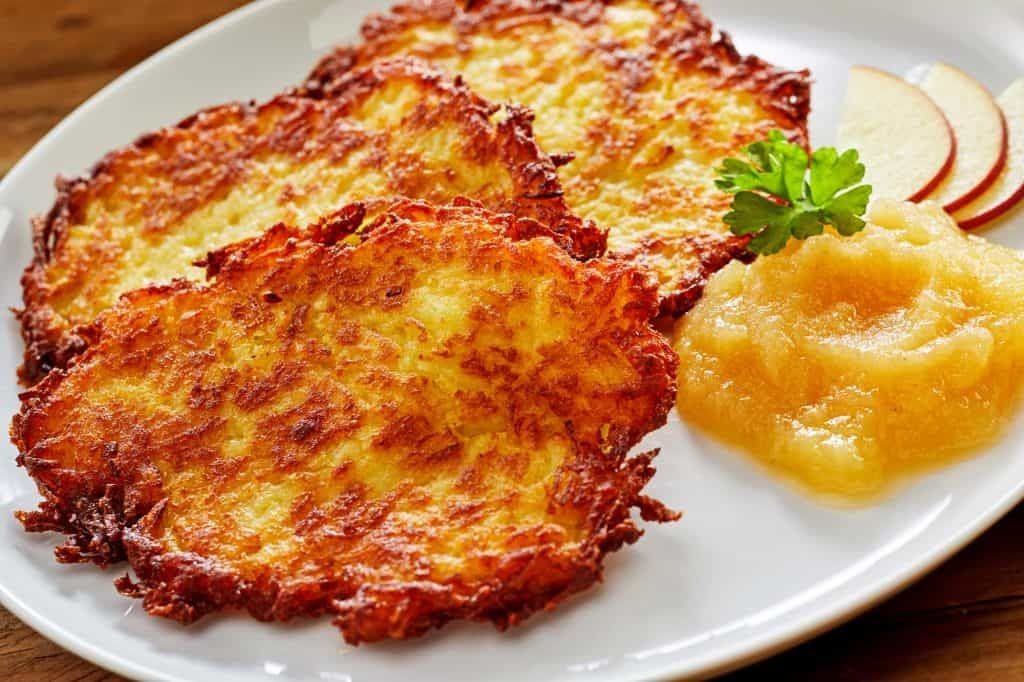
Venturing into the heart of German comfort food reveals the humble Kartoffelpuffer, a golden, crispy potato pancake that transforms simple ingredients into a dish of rustic elegance. These savory delights, with their lacy edges and tender centers, offer a perfect canvas for both sweet and savory toppings, making them a versatile star for any meal. Their irresistible crunch and comforting warmth have secured their place as a cherished staple, equally at home on a festive brunch table or as a cozy weeknight treat.
Serving: 4 | Pre Time: 20 minutes | Cooking Time: 15 minutes
Ingredients
– 2 large russet potatoes (about 1.5 lbs), peeled—their high starch content is key for that perfect crisp texture.
– 1 small yellow onion, peeled; I find its sharpness balances the potato’s earthiness beautifully.
– 1 large egg, lightly beaten; I always use room temperature eggs here for easier incorporation.
– 3 tablespoons all-purpose flour, which acts as a gentle binder without making the pancakes heavy.
– 1 teaspoon fine sea salt, plus more for seasoning after frying.
– 1/4 teaspoon freshly ground black pepper, for a subtle warmth.
– 1/2 cup vegetable oil for frying; a neutral oil with a high smoke point, like canola, is my reliable go-to.
– For serving: applesauce or sour cream, both classic accompaniments that I adore.
Instructions
1. Using the large holes of a box grater, grate the peeled potatoes and onion into a large mixing bowl.
2. Immediately transfer the grated mixture to a clean kitchen towel, gather the corners, and twist tightly over the sink to squeeze out as much liquid as possible—this crucial step prevents sogginess and ensures maximum crispiness.
3. Return the drained potato-onion mixture to the dry bowl.
4. Add the lightly beaten egg, all-purpose flour, 1 teaspoon of fine sea salt, and 1/4 teaspoon of freshly ground black pepper to the bowl.
5. Using a fork, mix all ingredients together until just combined, being careful not to overwork the batter.
6. In a large, heavy-bottomed skillet (cast iron works wonderfully), heat the 1/2 cup of vegetable oil over medium-high heat until it reaches 350°F on a deep-fry thermometer, or until a small piece of potato sizzles vigorously upon contact.
7. For each pancake, carefully drop a heaping tablespoon of the batter into the hot oil, then gently flatten it with the back of a spoon to form a 3-inch round.
8. Fry the pancakes in batches for 3 to 4 minutes per side, or until they are deeply golden brown and crisp around the edges—avoid crowding the pan to maintain the oil temperature and achieve an even fry.
9. Using a slotted spatula, transfer the cooked Kartoffelpuffer to a wire rack set over a baking sheet; sprinkling them with a pinch of fine sea salt while hot allows the seasoning to adhere perfectly.
10. Repeat the frying process with the remaining batter, adding more oil to the skillet if necessary between batches.
11. Serve the potato pancakes immediately while they are hot and supremely crisp.
Captivating in their simplicity, these pancakes offer a delightful contrast of textures: a shatteringly crisp exterior giving way to a soft, savory interior. Their flavor is wonderfully earthy and onion-forward, making them a perfect partner for a dollop of cool, tangy sour cream or a sweet spoonful of homemade applesauce. For a creative twist, try topping them with smoked salmon and a drizzle of crème fraîche for an elegant appetizer that marries German tradition with modern flair.
Bratwurst sliders with sauerkraut
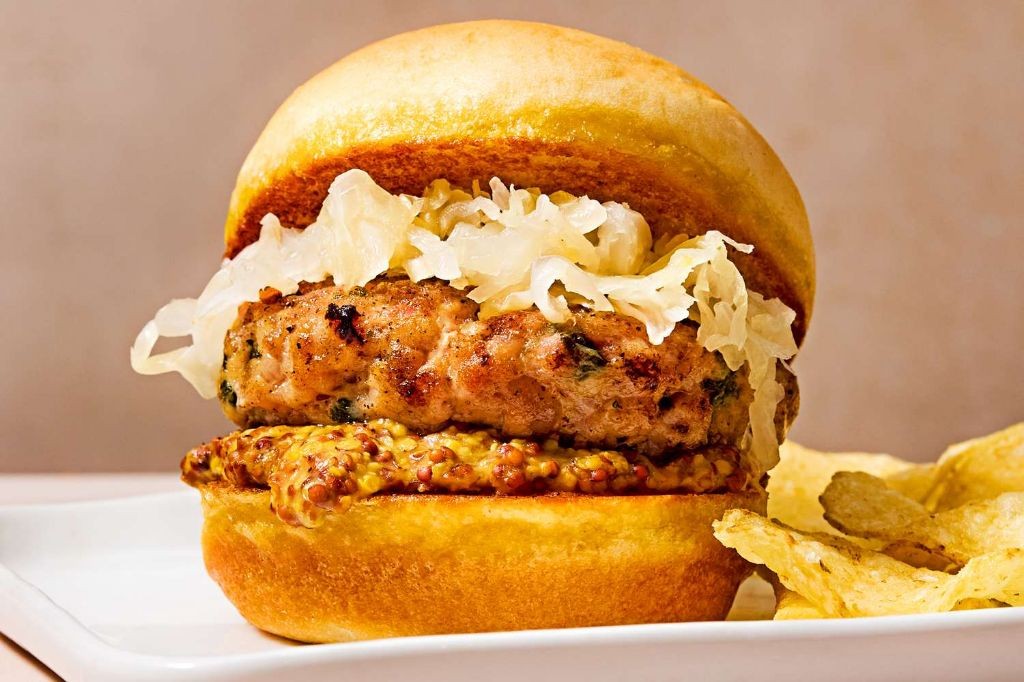
Glistening with golden-brown perfection, these bratwurst sliders with sauerkraut offer a delightful twist on classic game-day fare, transforming humble ingredients into an elegant appetizer that’s both comforting and sophisticated. Perfect for holiday gatherings or casual get-togethers, each bite delivers a harmonious blend of savory, tangy, and subtly sweet notes, wrapped in soft, pillowy buns that invite indulgence. This recipe elevates the ordinary into something extraordinary, promising to be the star of any table with minimal effort and maximum flavor impact.
Serving: 8 | Pre Time: 15 minutes | Cooking Time: 20 minutes
Ingredients
– 8 bratwurst sausages, preferably fresh from the butcher for that juicy, robust flavor
– 8 slider buns, brioche-style for a buttery, tender crumb that melts in your mouth
– 2 cups sauerkraut, drained well—I like the refrigerated kind for its crisp, tangy bite
– 1 tablespoon olive oil, extra virgin is my go-to for its fruity aroma
– 1 tablespoon butter, unsalted to control the seasoning perfectly
– 1 small yellow onion, thinly sliced into half-moons for a sweet, caramelized base
– 1 teaspoon caraway seeds, toasted lightly to release their earthy, aromatic essence
– ½ cup chicken broth, low-sodium to balance the sauerkraut’s saltiness without overpowering
– 2 tablespoons Dijon mustard, smooth and tangy to add a sharp, sophisticated kick
– Fresh parsley, chopped finely for a bright, herbal garnish that lifts the whole dish
Instructions
1. Heat the olive oil in a large skillet over medium heat until it shimmers, about 2 minutes.
2. Add the bratwurst sausages to the skillet and cook for 8–10 minutes, turning occasionally until they’re browned on all sides and reach an internal temperature of 160°F—use a meat thermometer for accuracy to ensure they’re perfectly cooked through.
3. Transfer the cooked bratwurst to a plate and set aside, covering loosely with foil to keep warm.
4. In the same skillet, melt the butter over medium heat, then add the thinly sliced onion and cook for 5–7 minutes, stirring frequently until softened and lightly golden.
5. Stir in the caraway seeds and toast for 1 minute until fragrant, releasing their nutty aroma to deepen the flavor profile.
6. Add the drained sauerkraut and chicken broth to the skillet, simmering for 5 minutes until the liquid reduces slightly and the sauerkraut is heated through—this step melds the tangy and savory elements beautifully.
7. Slice the slider buns in half horizontally and toast them lightly in a toaster or under a broiler for 1–2 minutes until just crisp, being careful not to burn them for that ideal texture contrast.
8. Spread a thin layer of Dijon mustard on the bottom half of each toasted bun.
9. Place one cooked bratwurst on each mustard-coated bun bottom.
10. Top the bratwurst with a generous spoonful of the sauerkraut-onion mixture, ensuring an even distribution for balanced bites.
11. Sprinkle with chopped fresh parsley for garnish, then cap with the top half of each bun.
12. Serve immediately while warm, allowing the flavors to meld together in each delightful slider.
Nestled in their soft buns, these sliders boast a satisfying contrast of textures—the juicy, savory bratwurst pairs exquisitely with the crisp-tender sauerkraut and the subtle crunch of caramelized onions. For a creative twist, drizzle with a honey-mustard glaze or serve alongside pickled vegetables to cut through the richness, making every bite a memorable celebration of flavor and finesse.
Obatzda (Bavarian cheese spread)
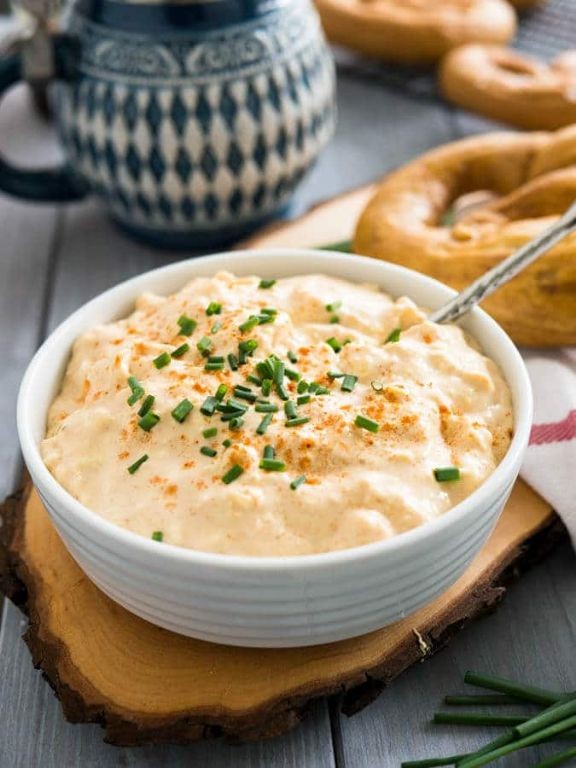
Mingle the rustic charm of Bavaria with your next gathering through Obatzda, a creamy cheese spread that transforms humble ingredients into a sophisticated appetizer. This traditional German delicacy, with its velvety texture and tangy depth, offers an elegant yet approachable centerpiece for any occasion. Crafted from simple components, it whispers of cozy beer gardens while elevating your charcuterie board with European flair.
Serving: 6 | Pre Time: 15 minutes | Cooking Time: 0 minutes
Ingredients
– 8 oz Camembert cheese, rind removed and at room temperature for easy blending (I find this softens the flavor beautifully)
– 4 oz cream cheese, also at room temperature to ensure a smooth consistency
– 2 tbsp unsalted butter, softened to integrate seamlessly into the mixture
– 1/4 cup finely chopped sweet onion, such as Vidalia, for a gentle bite without overpowering
– 1 tbsp sweet paprika, plus extra for garnish—I prefer Hungarian for its vibrant color and mild heat
– 1 tsp caraway seeds, lightly toasted in a dry skillet to release their aromatic essence
– 1/4 cup German-style beer, like a light lager, which adds a subtle malty note (a personal tip: avoid hoppy varieties)
– Salt to taste, starting with 1/4 tsp and adjusting as needed
– Freshly ground black pepper, about 1/8 tsp for a hint of warmth
Instructions
1. Place the room-temperature Camembert and cream cheese in a medium mixing bowl.
2. Use a fork to mash the cheeses together until they form a coarse, lumpy paste, which should take about 2 minutes.
3. Add the softened butter to the bowl and mix thoroughly with the fork until fully incorporated and the mixture becomes creamy.
4. Stir in the finely chopped sweet onion, ensuring it is evenly distributed throughout the spread.
5. Sprinkle the sweet paprika and toasted caraway seeds over the mixture, then fold them in gently to avoid clumping.
6. Gradually pour in the German-style beer, one tablespoon at a time, stirring continuously until the spread reaches a smooth, spreadable consistency—this should take about 1-2 minutes total.
7. Season with salt and freshly ground black pepper, tasting after each addition to balance the flavors without over-salting.
8. Transfer the Obatzda to a serving bowl and smooth the top with a spatula.
9. Dust the surface lightly with additional sweet paprika for a colorful garnish.
10. Cover the bowl with plastic wrap and refrigerate for at least 1 hour to allow the flavors to meld and the texture to firm up slightly.
Generously slather this Obatzda on crusty rye bread or pretzels for a traditional touch, where its creamy, tangy profile shines with hints of paprika and caraway. The spread firms up beautifully when chilled, offering a rich, velvety mouthfeel that pairs exquisitely with crisp radishes or pickled vegetables. For a creative twist, serve it alongside grilled sausages or as a dip for fresh vegetable crudités, letting its Bavarian essence elevate any casual gathering into a memorable feast.
Smoked salmon on rye bread with dill cream
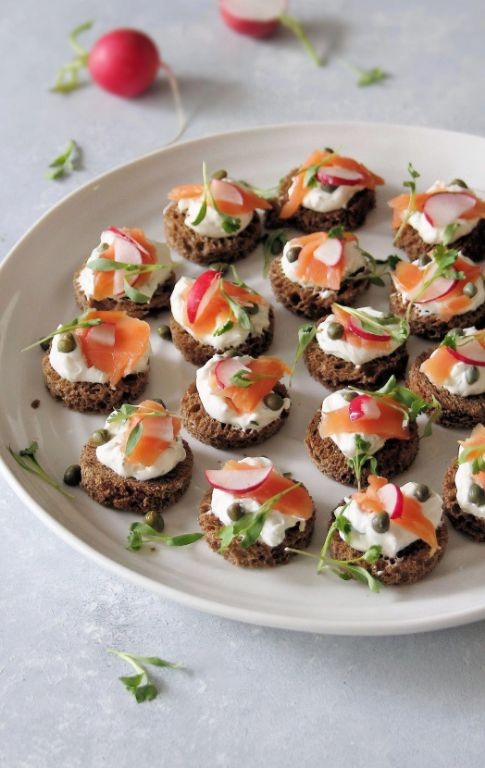
On a crisp winter afternoon, few culinary pleasures rival the sophisticated simplicity of smoked salmon elegantly draped over rye bread, crowned with a velvety dill cream. This classic combination marries the rich, smoky notes of premium salmon with the earthy depth of rye and the bright, herbal lift of fresh dill. It’s a dish that feels both celebratory and effortlessly approachable, perfect for holiday gatherings or a refined weekend brunch.
Serving: 4 | Pre Time: 15 minutes | Cooking Time: 0 minutes
Ingredients
– 8 slices of rye bread, preferably a dense, seeded variety for that satisfying chew
– 8 ounces of cold-smoked salmon, thinly sliced—I always splurge on wild-caught for its superior flavor
– 1/2 cup of full-fat sour cream, which creates a lush, creamy base
– 2 tablespoons of fresh dill, finely chopped; don’t skimp here, as its bright aroma is key
– 1 tablespoon of freshly squeezed lemon juice, from about half a medium lemon
– 1/4 teaspoon of freshly ground black pepper, to add a subtle warmth
– 1 small red onion, thinly sliced into half-moons for a crisp, peppery bite
– 1 tablespoon of capers, drained and patted dry—their briny pop elevates every bite
Instructions
1. In a small mixing bowl, combine the sour cream, chopped dill, lemon juice, and black pepper, stirring gently until fully incorporated; let it rest for 5 minutes to allow the flavors to meld.
2. Lightly toast the rye bread slices in a toaster or oven at 350°F for 3–4 minutes, until just crisp around the edges but still tender in the center—this prevents sogginess when topped.
3. Arrange the toasted rye slices on a serving platter, spreading a generous tablespoon of the dill cream evenly over each slice with the back of a spoon.
4. Drape 1 ounce of smoked salmon over each slice, folding it gently to create elegant, ruffled layers that catch the cream.
5. Scatter the thinly sliced red onion and capers evenly over the salmon, aiming for about 1 tablespoon of onion and 1/2 teaspoon of capers per slice for balanced flavor.
6. Serve immediately, garnished with an extra sprinkle of dill if desired, to preserve the salmon’s delicate texture and the bread’s crispness.
The final dish offers a delightful contrast: the rye’s hearty crunch gives way to the salmon’s silky richness, while the dill cream adds a cool, tangy creaminess that ties it all together. For a creative twist, layer these on a platter with pickled vegetables or serve alongside a crisp white wine to highlight the smoky, briny notes.
German-style meatballs in creamy mustard sauce
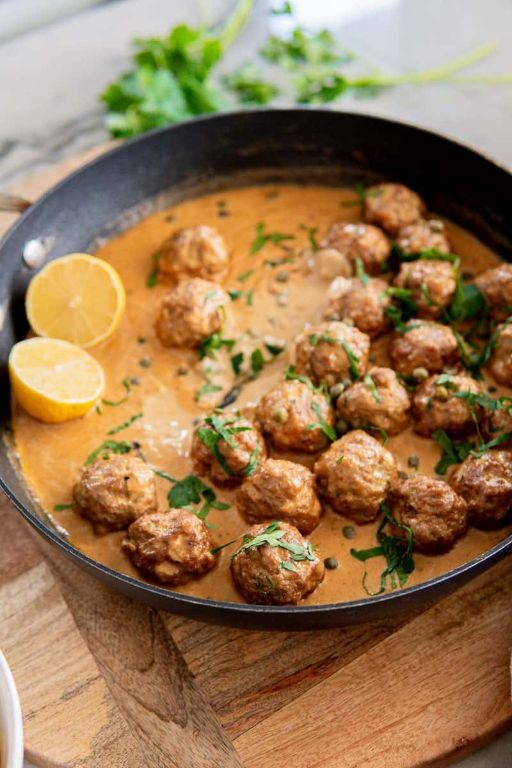
Picture this: tender, herb-flecked meatballs nestled in a velvety, tangy mustard sauce—a comforting German classic that feels both rustic and refined. Perfect for a cozy winter evening, this dish marries savory pork and beef with a creamy, aromatic sauce that’s sure to become a new favorite. It’s the kind of meal that warms you from the inside out, with flavors that are both familiar and delightfully sophisticated.
Serving: 4 | Pre Time: 20 minutes | Cooking Time: 25 minutes
Ingredients
- 1 lb ground pork (I find the fat content here adds wonderful juiciness)
- 1/2 lb ground beef (80/20 blend works best for flavor)
- 1 large egg, at room temperature—it blends more smoothly into the meat mixture
- 1/2 cup breadcrumbs (I prefer panko for a lighter texture)
- 1/4 cup finely chopped yellow onion
- 2 cloves garlic, minced (fresh is key for that aromatic punch)
- 2 tbsp Dijon mustard, plus 1/4 cup for the sauce
- 1 tsp dried thyme
- 1/2 tsp salt
- 1/4 tsp black pepper
- 2 tbsp unsalted butter (my go-to for sautéing)
- 1 cup chicken broth
- 1/2 cup heavy cream
- 1 tbsp all-purpose flour
- 2 tbsp chopped fresh parsley, for garnish
Instructions
- In a large bowl, combine the ground pork, ground beef, egg, breadcrumbs, onion, garlic, 2 tbsp Dijon mustard, thyme, salt, and pepper.
- Gently mix the ingredients with your hands until just combined—overmixing can make the meatballs tough.
- Shape the mixture into 16 evenly sized meatballs, about 1 1/2 inches in diameter.
- Heat the butter in a large skillet over medium heat until melted and foamy.
- Add the meatballs to the skillet in a single layer, leaving space between them to ensure even browning.
- Cook the meatballs for 8–10 minutes, turning occasionally, until they are browned on all sides and reach an internal temperature of 160°F.
- Transfer the meatballs to a plate and set aside, covering loosely with foil to keep warm.
- In the same skillet, sprinkle the flour over the remaining drippings and cook for 1 minute, stirring constantly to form a roux.
- Gradually whisk in the chicken broth until smooth, scraping up any browned bits from the bottom of the pan.
- Stir in the heavy cream and 1/4 cup Dijon mustard, then bring the sauce to a gentle simmer over medium-low heat.
- Return the meatballs to the skillet, spooning the sauce over them to coat evenly.
- Simmer the meatballs in the sauce for 5–7 minutes, until the sauce thickens slightly and the meatballs are heated through.
- Remove from heat and garnish with chopped parsley before serving.
Luxuriously creamy with a sharp mustard tang, this dish offers a delightful contrast between the tender, savory meatballs and the smooth, rich sauce. Serve it over buttery egg noodles or fluffy mashed potatoes to soak up every last drop, or alongside a crisp green salad for a balanced meal that feels both hearty and elegant.
Herring salad on pumpernickel toast
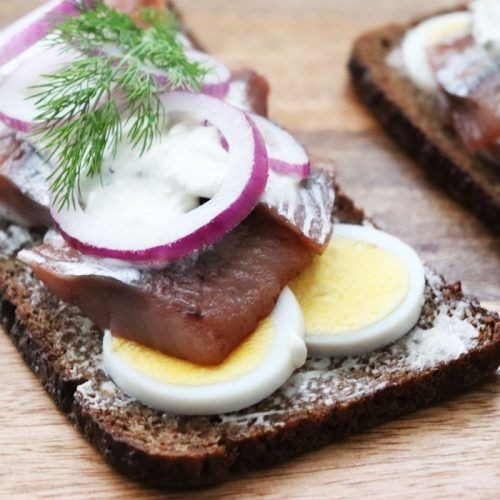
Beneath the festive glow of holiday gatherings, a sophisticated yet approachable appetizer emerges—herring salad on pumpernickel toast. This elegant combination marries the briny depth of pickled herring with the earthy sweetness of pumpernickel, creating a harmonious bite that’s both nostalgic and refreshingly modern. It’s the perfect centerpiece for a winter soirée, offering a delightful contrast of textures and flavors that will captivate your guests from the first taste.
Serving: 6 | Pre Time: 15 minutes | Cooking Time: 0 minutes
Ingredients
– 8 oz jar of pickled herring fillets, drained and chopped (I find the ones in wine sauce add a lovely subtle sweetness)
– 1/2 cup sour cream, full-fat for the creamiest texture
– 1/4 cup finely chopped red onion (soak in ice water for 5 minutes first to mellow the sharpness—a trick I learned from my grandmother)
– 2 tbsp fresh dill, chopped, plus extra for garnish
– 1 tbsp Dijon mustard, my go-to for its tangy kick
– 1 tsp lemon juice, freshly squeezed for brightness
– 1/4 tsp black pepper, freshly ground
– 6 slices pumpernickel bread, lightly toasted until just crisp
– 1 tbsp unsalted butter, softened (room temperature spreads easier without tearing the toast)
Instructions
1. Drain the pickled herring fillets from the jar and pat them dry with paper towels to remove excess moisture, which helps the salad hold together better.
2. Chop the herring into small, bite-sized pieces and place them in a medium mixing bowl.
3. Soak the finely chopped red onion in a bowl of ice water for exactly 5 minutes to reduce its pungency, then drain and pat dry.
4. Add the soaked red onion, sour cream, Dijon mustard, lemon juice, chopped dill, and black pepper to the bowl with the herring.
5. Gently fold all ingredients together until evenly combined, being careful not to overmix and break up the herring too much.
6. Toast the pumpernickel bread slices in a toaster or under a broiler set to 350°F for 2-3 minutes per side, until lightly crisp but not hard.
7. Immediately spread a thin layer of softened butter on each warm toast slice to create a barrier that prevents sogginess.
8. Spoon the herring salad generously onto the buttered pumpernickel toasts, dividing it evenly among the 6 slices.
9. Garnish each toast with a sprinkle of extra chopped dill for a fresh, aromatic finish.
Velvety and rich, the herring salad melts into the sturdy crunch of pumpernickel, offering a symphony of briny, creamy, and earthy notes. Serve these toasts on a rustic wooden board alongside cornichons or a crisp white wine for an effortless yet impressive presentation that celebrates winter’s bounty.
Leberwurst canapés with pickles and mustard
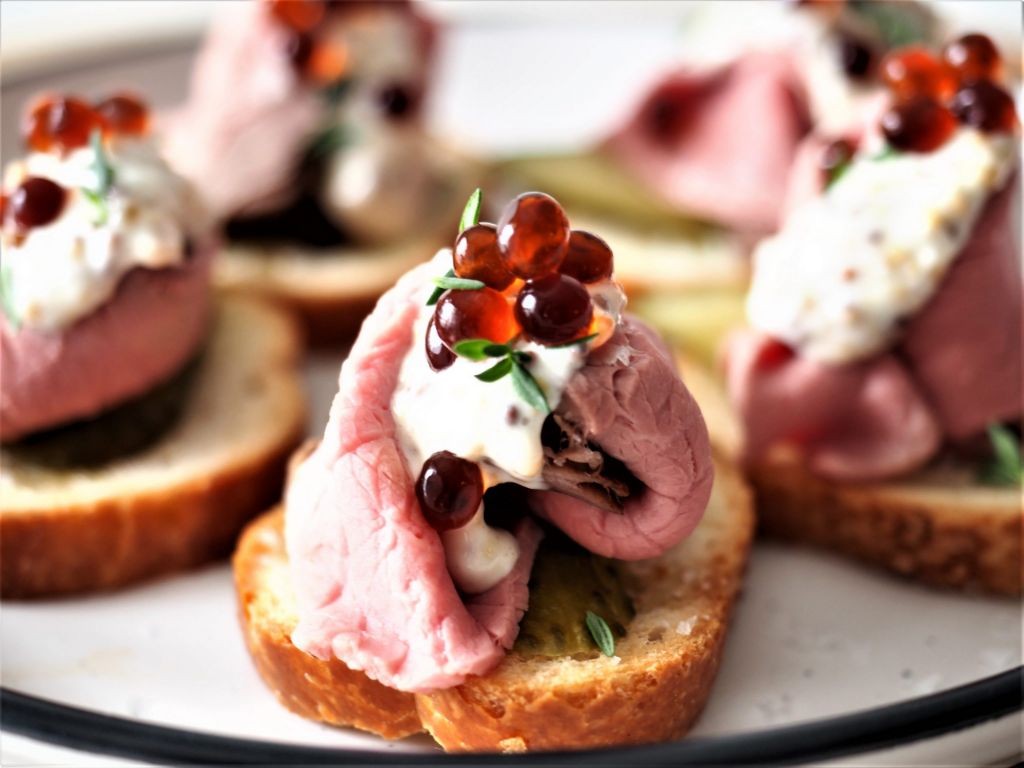
Radiantly simple yet sophisticated, these Leberwurst canapés transform humble ingredients into elegant bites perfect for holiday gatherings. With the creamy richness of liverwurst balanced by tangy pickles and sharp mustard, they offer a delightful contrast of textures and flavors that will impress guests without demanding hours in the kitchen. Consider them your secret weapon for effortless entertaining during this festive season.
Serving: 12 | Pre Time: 15 minutes | Cooking Time: 0 minutes
Ingredients
– 8 oz Leberwurst (liverwurst), chilled for easier slicing—I find the German-style varieties have the perfect smooth texture
– 24 small cocktail rye bread slices, about 2 inches square (toasting them lightly adds wonderful crunch)
– ¼ cup whole grain mustard, preferably with visible seeds for both flavor and visual appeal
– 12 small dill pickles, thinly sliced into rounds—I like the crispness of refrigerated brands
– Fresh dill sprigs for garnish, just a handful to add a bright herbal note
Instructions
1. Arrange 24 cocktail rye bread slices in a single layer on a clean work surface.
2. Using a sharp knife, slice the chilled Leberwurst into 24 even pieces approximately ¼-inch thick.
3. Place one slice of Leberwurst neatly on each bread slice, covering the surface completely.
4. Spoon ½ teaspoon of whole grain mustard onto the center of each Leberwurst slice.
5. Top each canapé with one thin pickle round, pressing gently so it adheres to the mustard.
6. Garnish each canapé with a small fresh dill sprig placed artfully beside the pickle.
7. Arrange the finished canapés on a serving platter in concentric circles for visual appeal.
8. Serve immediately, or refrigerate uncovered for up to 30 minutes if preparing ahead.
For optimal texture, serve these canapés within an hour of assembly to maintain the crisp contrast between the rye bread and creamy Leberwurst. The mustard provides a sharp counterpoint that cuts through the richness beautifully, while the pickle adds both tang and crunch. Consider presenting them on a slate board with additional whole grain mustard for dipping, or pair with a crisp Riesling to complement the savory notes.
German-style stuffed mushrooms
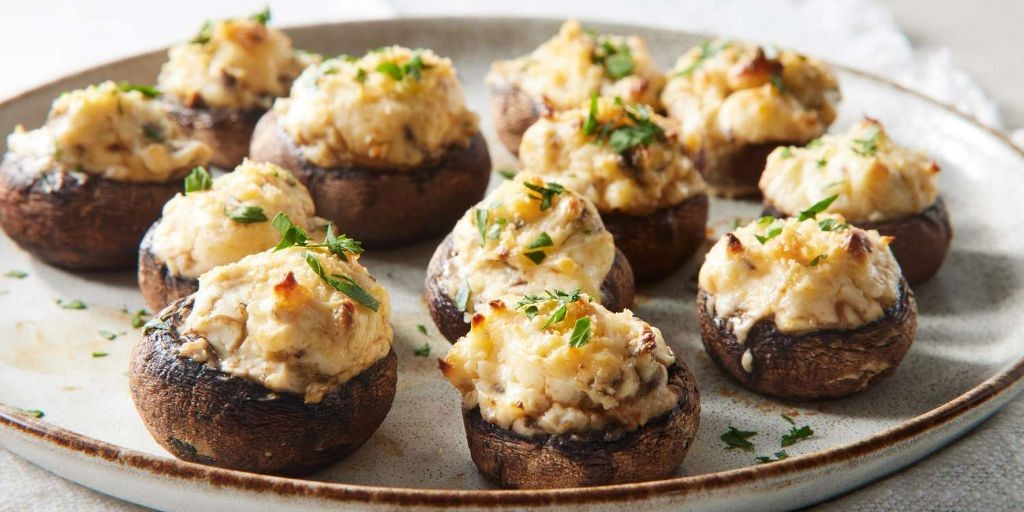
Wrapped in the warmth of holiday gatherings, these German-style stuffed mushrooms transform humble button mushrooms into elegant, savory bites that capture the essence of festive comfort. Their rich, herbaceous filling and golden-brown tops make them a sophisticated yet approachable addition to any winter table, perfect for sharing with loved ones during this celebratory season.
Serving: 6 | Pre Time: 20 minutes | Cooking Time: 25 minutes
Ingredients
– 24 large white button mushrooms, cleaned and stems removed (I like to save the stems for a quick stock)
– 2 tablespoons extra virgin olive oil, my go-to for its fruity notes
– 1 small yellow onion, finely diced
– 2 cloves garlic, minced (freshly minced garlic adds the best aroma)
– 1/2 pound ground pork, preferably 80/20 for juiciness
– 1/4 cup breadcrumbs, I use panko for a lighter texture
– 1/4 cup grated Parmesan cheese, freshly grated melts better
– 1 teaspoon fresh thyme leaves, stripped from the stems
– 1/4 teaspoon ground nutmeg, a pinch adds warmth
– Salt and black pepper, to season throughout
– 1/4 cup dry white wine, such as Riesling for authenticity
– 1/4 cup heavy cream, room temperature blends smoothly
– Fresh parsley, chopped for garnish
Instructions
1. Preheat your oven to 375°F (190°C) and line a baking sheet with parchment paper.
2. Heat the extra virgin olive oil in a large skillet over medium heat until shimmering, about 1 minute.
3. Add the finely diced yellow onion and cook, stirring occasionally, until translucent and soft, about 5 minutes.
4. Stir in the minced garlic and cook for 30 seconds until fragrant, being careful not to burn it.
5. Add the ground pork to the skillet, breaking it up with a spoon, and cook until no pink remains, about 6-8 minutes.
6. Pour in the dry white wine and simmer until the liquid reduces by half, about 2 minutes, which deepens the flavor.
7. Remove the skillet from heat and stir in the breadcrumbs, grated Parmesan cheese, fresh thyme leaves, ground nutmeg, salt, and black pepper until well combined.
8. Gently fold in the heavy cream until the mixture is moist and holds together when pressed.
9. Spoon the filling generously into each mushroom cap, mounding it slightly, and place them on the prepared baking sheet.
10. Bake in the preheated oven for 20-25 minutes, until the mushrooms are tender and the tops are golden brown.
11. Remove from the oven and let cool for 5 minutes before garnishing with chopped fresh parsley.
Velvety and rich, these stuffed mushrooms offer a delightful contrast between the tender, earthy caps and the savory, creamy filling. Serve them warm as an appetizer with a crisp white wine, or pair them with a simple green salad for a light meal that feels indulgent yet wholesome.
Mini schnitzel bites with lemon aioli

Nestled between holiday feasts and casual gatherings, these miniature schnitzel bites offer a sophisticated yet approachable twist on a classic. With their golden, crispy coating and tender interior, they’re perfectly paired with a bright lemon aioli that cuts through the richness. Ideal for entertaining or a cozy night in, this recipe transforms simple ingredients into elegant finger food that’s sure to impress.
Serving: 4-6 | Pre Time: 20 minutes | Cooking Time: 10 minutes
Ingredients
- 1 pound boneless, skinless chicken breasts, pounded to ¼-inch thickness—I find this ensures even cooking and maximum crispiness.
- ½ cup all-purpose flour, for dredging—I always use a shallow dish to keep things tidy.
- 2 large eggs, lightly beaten—room temperature eggs here help the coating adhere better.
- 1 cup panko breadcrumbs, for that extra crunch we all love.
- ½ cup mayonnaise—I prefer a high-quality brand for the best aioli base.
- 1 lemon, zested and juiced—freshly squeezed juice makes all the difference.
- 1 garlic clove, minced—I use a microplane for a fine, smooth paste.
- ½ cup vegetable oil, for frying—a neutral oil with a high smoke point is my go-to.
- Salt and black pepper, to season throughout—I like to season each component separately.
Instructions
- Cut the pounded chicken breasts into 1-inch bite-sized pieces, patting them dry with paper towels to remove excess moisture, which helps the coating stick.
- Set up a breading station with three shallow dishes: place flour in the first, beaten eggs in the second, and panko breadcrumbs in the third, seasoning each lightly with salt and pepper.
- Dredge each chicken piece first in the flour, shaking off any excess, then dip it fully into the eggs, and finally coat it evenly in the panko, pressing gently to adhere—this triple-coat method ensures a crispy exterior.
- Heat the vegetable oil in a large skillet over medium-high heat until it reaches 350°F on a kitchen thermometer, or until a breadcrumb sizzles immediately when dropped in.
- Fry the coated chicken bites in batches for 2-3 minutes per side, turning once, until they are golden brown and cooked through—avoid overcrowding the pan to maintain the oil temperature.
- Transfer the fried bites to a wire rack set over a baking sheet to drain, which keeps them crispy instead of soggy.
- In a small bowl, combine the mayonnaise, lemon zest, 1 tablespoon of lemon juice, and minced garlic, whisking until smooth—taste and adjust with more lemon juice if desired for extra brightness.
- Season the aioli with a pinch of salt and pepper, then refrigerate it for at least 5 minutes to allow the flavors to meld while the schnitzel cools slightly.
Juxtaposing textures and flavors, these bites deliver a satisfying crunch that gives way to juicy chicken, all balanced by the creamy, zesty aioli. Serve them warm on a platter with toothpicks for easy sharing, or alongside a crisp salad for a light meal—their versatility makes them a standout addition to any table.
Bavarian ham and cheese roll-ups

Hailing from the heart of German culinary tradition, Bavarian ham and cheese roll-ups offer a delightful fusion of savory flavors and elegant presentation. These pinwheel appetizers combine the richness of smoked ham with the creamy tang of Swiss cheese, all wrapped in a tender, buttery dough that bakes to golden perfection. They’re the ideal centerpiece for holiday gatherings or sophisticated cocktail parties, where their intricate appearance belies their surprisingly simple preparation.
Serving: 12 | Pre Time: 25 minutes | Cooking Time: 20 minutes
Ingredients
– 1 sheet frozen puff pastry, thawed (I always keep a box in the freezer for impromptu entertaining)
– 8 ounces thinly sliced Black Forest ham (the authentic smoked variety makes all the difference)
– 6 ounces Swiss cheese, shredded (I prefer the nutty flavor of Gruyère when available)
– 1 large egg, beaten (room temperature eggs create a smoother glaze)
– 1 tablespoon Dijon mustard (the grainy kind adds wonderful texture)
– 1 tablespoon fresh parsley, finely chopped (flat-leaf parsley has a more robust flavor than curly)
– ½ teaspoon freshly ground black pepper
Instructions
1. Preheat your oven to 400°F and line a baking sheet with parchment paper.
2. Unfold the thawed puff pastry sheet on a lightly floured surface, rolling it gently to smooth any creases.
3. Spread the Dijon mustard evenly across the entire surface of the pastry using the back of a spoon.
4. Arrange the Black Forest ham slices in a single layer over the mustard-covered pastry, leaving a ½-inch border along one long edge.
5. Sprinkle the shredded Swiss cheese evenly over the ham layer, then distribute the chopped parsley and black pepper across the cheese.
6. Starting from the long edge opposite the border, tightly roll the pastry into a log, using the border-free edge as your starting point.
7. Pinch the seam firmly to seal the roll, then transfer it seam-side down to the prepared baking sheet.
8. Brush the entire surface of the pastry log with the beaten egg using a pastry brush, ensuring complete coverage for optimal browning.
9. Using a sharp serrated knife, slice the log into 12 equal pieces, about 1-inch thick each, without pressing down and flattening the rolls.
10. Arrange the slices cut-side up on the baking sheet, spacing them about 1 inch apart to allow for expansion.
11. Bake at 400°F for 18-20 minutes, until the pastry is puffed and golden brown with no visible damp spots.
12. Transfer the roll-ups to a wire rack using a spatula and let them cool for 5 minutes before serving.
Flaky, buttery pastry gives way to layers of smoky ham and melted cheese in every bite, creating a satisfying contrast of textures. The Dijon mustard provides a subtle tang that cuts through the richness, while the fresh parsley adds a bright herbal note. For an elegant presentation, arrange them on a wooden board with cornichons and whole-grain mustard for dipping, or serve alongside a crisp green salad for a light lunch.
Roasted garlic and beer dip with pretzels
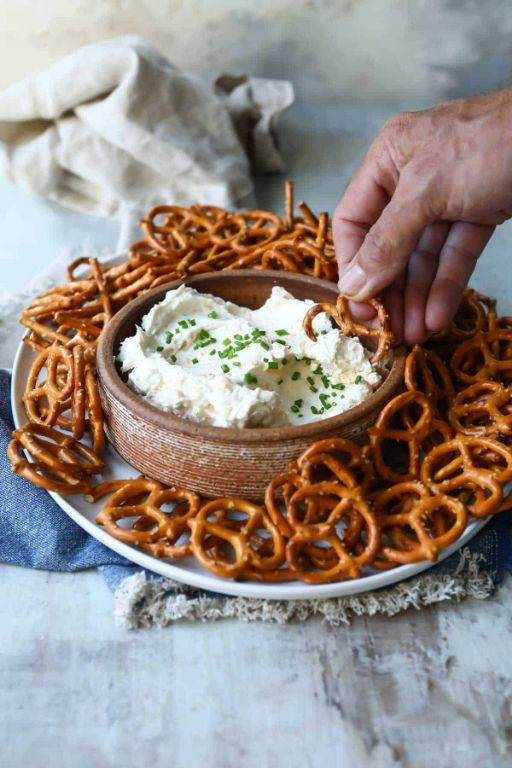
Nothing captures the convivial spirit of the season quite like a warm, aromatic dip, and this roasted garlic and beer dip, served with crisp pretzels, is an elevated yet utterly approachable centerpiece for any gathering. The deep, caramelized sweetness of slow-roasted garlic melds beautifully with the malty, hoppy notes of a quality lager, creating a rich, velvety base that is both sophisticated and deeply satisfying. It’s the perfect prelude to a festive evening, promising comfort and cheer in every scoop.
Serving: 6 | Pre Time: 10 minutes | Cooking Time: 60 minutes
Ingredients
– 2 whole heads of garlic, for roasting—I find this yields the perfect mellow, spreadable paste.
– 1 tablespoon extra virgin olive oil, my go-to for its fruity depth.
– 1 cup (8 ounces) cream cheese, softened to room temperature for effortless blending.
– 1/2 cup sour cream, full-fat for the creamiest texture.
– 1/2 cup lager-style beer, like a pilsner; its crispness cuts through the richness beautifully.
– 1/2 teaspoon smoked paprika, for a whisper of warmth.
– 1/4 teaspoon freshly ground black pepper.
– 1/4 teaspoon kosher salt.
– 1 bag (about 10 ounces) soft pretzel bites or sticks, for serving.
Instructions
1. Preheat your oven to 400°F (200°C).
2. Slice the top 1/4 inch off each head of garlic to expose the cloves.
3. Place each head on a small piece of aluminum foil, drizzle with the olive oil, and wrap tightly to form a sealed packet.
4. Roast the garlic packets directly on the oven rack for 45-50 minutes, until the cloves are deeply golden and very soft when pierced with a knife.
5. Remove the packets from the oven and let them cool until safe to handle, about 10 minutes.
6. Squeeze the roasted garlic cloves from their skins into a medium mixing bowl; discard the skins.
7. Add the softened cream cheese and sour cream to the bowl with the garlic.
8. Using a hand mixer on medium speed, beat the mixture for about 2 minutes until completely smooth and well combined.
9. Gradually pour in the lager while mixing on low speed until fully incorporated.
10. Add the smoked paprika, black pepper, and kosher salt to the bowl.
11. Beat the mixture on medium speed for another 1-2 minutes until fluffy and uniformly seasoned.
12. Transfer the dip to a serving bowl, cover, and refrigerate for at least 30 minutes to allow the flavors to meld.
13. Meanwhile, prepare the pretzels according to package directions, typically baking at 350°F for 5-7 minutes until warm and slightly crisp.
14. Serve the chilled dip alongside the warm pretzels.
Yielded from its brief chill, the dip possesses a luxuriously thick, spreadable consistency that clings perfectly to a pretzel. The flavor is a masterful balance: the profound, nutty sweetness of the garlic forms the foundation, lifted by the beer’s subtle bitterness and the paprika’s smoky intrigue. For a stunning presentation, consider serving it in a hollowed-out bread bowl or garnishing with a sprinkle of fresh chives and a drizzle of the roasting oil.
German-style cucumber salad bites

Yield to the crisp, refreshing allure of these German-style cucumber salad bites, a sophisticated yet approachable appetizer that marries the cool crunch of cucumber with the tangy brightness of a classic German dressing. Perfect for holiday gatherings or elegant summer soirées, these bite-sized delights offer a refreshing counterpoint to richer fare, with their clean flavors and vibrant presentation inviting both admiration and appetite.
Serving: 12 | Pre Time: 20 minutes | Cooking Time: 0 minutes
Ingredients
– 2 large English cucumbers, thinly sliced into rounds (I prefer these for their minimal seeds and crisp texture)
– 1/2 cup sour cream, full-fat for the creamiest consistency
– 2 tablespoons white vinegar, which provides a clean, sharp acidity
– 1 tablespoon granulated sugar, to balance the vinegar’s tang perfectly
– 1 teaspoon dried dill, or fresh if you have it—it adds a lovely herbal note
– 1/2 teaspoon salt, fine sea salt is my go-to for even seasoning
– 1/4 teaspoon freshly ground black pepper, for a subtle warmth
– 1/4 cup red onion, very finely diced (soak in ice water for 5 minutes first to mellow its bite)
Instructions
1. In a medium mixing bowl, combine 1/2 cup sour cream, 2 tablespoons white vinegar, 1 tablespoon granulated sugar, 1 teaspoon dried dill, 1/2 teaspoon salt, and 1/4 teaspoon black pepper. Whisk vigorously for about 30 seconds until the sugar dissolves and the mixture is smooth and creamy.
2. Add 1/4 cup finely diced red onion to the dressing, stirring gently to incorporate. Tip: For a milder onion flavor, soak the diced onion in ice water for 5 minutes and pat dry before adding—this reduces sharpness while keeping crunch.
3. Slice 2 large English cucumbers into 1/4-inch thick rounds, aiming for about 36 pieces. Tip: Use a mandoline for uniform slices if available, but a sharp knife works perfectly; discard the ends for neat presentation.
4. Arrange the cucumber rounds on a serving platter in a single layer, slightly overlapping if desired for visual appeal.
5. Spoon approximately 1 teaspoon of the dressing mixture onto the center of each cucumber round, spreading it lightly with the back of the spoon. Tip: Work quickly to prevent the cucumbers from releasing too much liquid, which can dilute the dressing.
6. Garnish each bite with an extra pinch of dried dill or a small fresh dill sprig if using, then refrigerate the platter for 10 minutes to allow flavors to meld and chill slightly.
7. Serve immediately after chilling. These bites are best enjoyed fresh to maintain their crisp texture.
Marvel at the delightful contrast in each bite: the cool, firm cucumber provides a refreshing crunch, while the creamy, tangy dressing with hints of dill and sweet onion offers a burst of flavor that lingers pleasantly. For a creative twist, layer these on toasted baguette slices or serve alongside smoked salmon for an elevated appetizer spread that’s as visually stunning as it is delicious.
Spätzle fritters with herb dipping sauce
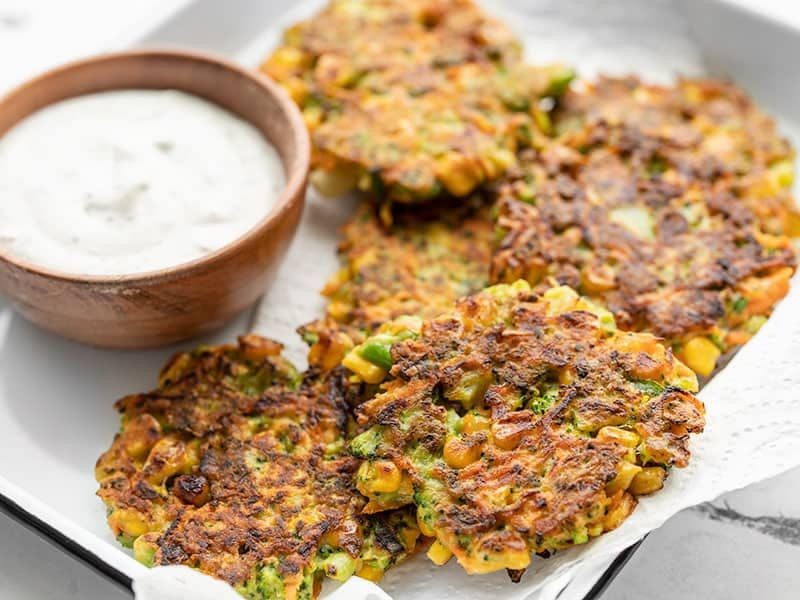
Nestled between the cozy comfort of homemade pasta and the irresistible crunch of a golden fritter lies this elegant twist on a German classic. Spätzle fritters transform tender, egg-rich noodles into crisp, savory cakes, perfectly paired with a vibrant, herbaceous dipping sauce for a delightful appetizer or light meal. This recipe elevates simple ingredients into a dish that feels both rustic and refined, ideal for holiday gatherings or a special weeknight treat.
Serving: 4 | Pre Time: 20 minutes | Cooking Time: 25 minutes
Ingredients
– 2 cups all-purpose flour, sifted for lightness
– 3 large eggs, preferably at room temperature for better incorporation
– 1/2 cup whole milk, warmed slightly to help the dough come together smoothly
– 1 teaspoon fine sea salt, my secret for enhancing the spätzle’s subtle flavor
– 1/4 teaspoon freshly grated nutmeg, a warm, aromatic touch I always include
– 2 quarts water for boiling, generously salted like the sea
– 1 cup vegetable oil for frying, ensuring a crisp, golden exterior
– 1 cup sour cream, full-fat for the richest, creamiest base
– 1/4 cup fresh parsley, finely chopped—I find flat-leaf parsley offers the best herbal punch
– 2 tablespoons fresh dill, minced to release its bright, anise-like notes
– 1 tablespoon fresh chives, snipped small for a mild oniony kick
– 1 tablespoon lemon juice, freshly squeezed to balance the sauce’s richness
– 1/2 teaspoon garlic powder, a convenient way to add depth without overpowering
– 1/4 teaspoon black pepper, freshly ground for a hint of spice
Instructions
1. In a large mixing bowl, combine the sifted all-purpose flour, fine sea salt, and freshly grated nutmeg, whisking them together to distribute evenly.
2. Create a well in the center of the dry ingredients and crack in the 3 large eggs, then pour in the warmed whole milk.
3. Using a wooden spoon or your hands, gradually mix the wet and dry ingredients until a sticky, thick dough forms, being careful not to overwork it—this ensures tender spätzle.
4. Bring the 2 quarts of generously salted water to a rolling boil in a large pot over high heat.
5. Hold a spätzle maker or a colander with large holes over the boiling water and press the dough through in small batches, cooking for 2-3 minutes until the spätzle float to the surface.
6. Remove the cooked spätzle with a slotted spoon and transfer them to a paper towel-lined plate to drain excess moisture, which helps achieve crispier fritters later.
7. In a medium bowl, whisk together the sour cream, finely chopped fresh parsley, minced fresh dill, snipped fresh chives, lemon juice, garlic powder, and black pepper until smooth to make the herb dipping sauce; cover and refrigerate until serving.
8. Heat the vegetable oil in a large skillet over medium-high heat until it reaches 350°F, using a thermometer for accuracy to prevent burning.
9. Gently form the drained spätzle into 8 equal patties, about 1/2-inch thick, pressing lightly to hold their shape.
10. Carefully place the patties in the hot oil, frying in batches for 3-4 minutes per side until golden brown and crispy, adjusting the heat as needed to maintain an even temperature.
11. Transfer the fried spätzle fritters to a wire rack or paper towels to drain any excess oil.
12. Serve the fritters warm alongside the chilled herb dipping sauce.
Buttery and crisp on the outside with a soft, pillowy interior, these fritters offer a satisfying contrast in textures. The herb sauce adds a cool, tangy brightness that cuts through the richness, making each bite perfectly balanced. For a creative twist, try serving them atop a bed of mixed greens drizzled with the sauce for a light lunch, or pair with a glass of crisp Riesling to complement the nutmeg and herbs.
Smoked trout dip with rye crackers
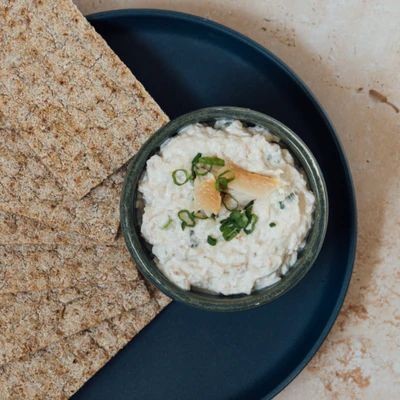
A sophisticated yet approachable starter, this smoked trout dip with rye crackers elevates any gathering with its delicate smokiness and creamy texture. Perfectly balanced with fresh herbs and a hint of lemon, it’s an effortless dish that feels indulgent. Serve it as an elegant appetizer or a light lunch centerpiece.
Serving: 6 | Pre Time: 15 minutes | Cooking Time: 0 minutes
Ingredients
– 8 ounces smoked trout, flaked into small pieces (I like using wild-caught for its robust flavor)
– 8 ounces cream cheese, softened to room temperature for easy blending
– 1/2 cup sour cream, full-fat for a richer consistency
– 2 tablespoons fresh lemon juice, freshly squeezed to brighten the dip
– 1 tablespoon extra virgin olive oil, my go-to for a smooth finish
– 2 tablespoons fresh dill, finely chopped (dried can work in a pinch, but fresh is best)
– 1/4 teaspoon freshly ground black pepper, to taste
– 1/4 teaspoon sea salt, adjust based on the trout’s saltiness
– Rye crackers, for serving (I prefer thin, crisp varieties to complement the creaminess)
Instructions
1. In a medium mixing bowl, combine the softened cream cheese, sour cream, and extra virgin olive oil, using a hand mixer or whisk to blend until smooth and creamy, about 2 minutes. Tip: Ensure the cream cheese is at room temperature to avoid lumps.
2. Add the flaked smoked trout, fresh lemon juice, chopped dill, sea salt, and freshly ground black pepper to the bowl.
3. Gently fold all ingredients together with a spatula until well incorporated, being careful not to overmix and break down the trout too much. Tip: Leave some larger flakes for a varied texture.
4. Taste the dip and adjust seasoning if needed, keeping in mind that the trout may already be salty.
5. Transfer the dip to a serving bowl, cover with plastic wrap, and refrigerate for at least 30 minutes to allow flavors to meld. Tip: Chilling firms up the dip slightly, making it easier to scoop.
6. Arrange rye crackers on a platter alongside the chilled dip just before serving.
Wondrously creamy with flecks of smoky trout, this dip offers a delightful contrast to the hearty rye crackers. Its bright lemon notes cut through the richness, making it irresistibly moreish. For a creative twist, try serving it with crisp cucumber slices or as a spread on toasted baguette rounds.
German-style stuffed eggs with mustard

These elegant German-style stuffed eggs transform the humble deviled egg into a sophisticated appetizer with a tangy mustard twist, perfect for holiday gatherings or upscale picnics where a touch of European flair is desired.
Serving: 12 | Pre Time: 20 minutes | Cooking Time: 15 minutes
Ingredients
– 6 large eggs (I prefer room temperature eggs here for easier peeling)
– ¼ cup mayonnaise (a good-quality, full-fat variety yields the creamiest filling)
– 2 tablespoons Dijon mustard (this is my go-to for its sharp, clean flavor)
– 1 tablespoon finely chopped fresh chives
– ½ teaspoon sweet paprika, plus extra for garnish
– ¼ teaspoon fine sea salt
– Freshly cracked black pepper
Instructions
1. Place the 6 large eggs in a single layer in a medium saucepan and cover with cold water by 1 inch.
2. Bring the water to a rolling boil over high heat, then immediately cover the pan and remove it from the heat.
3. Let the eggs stand, covered, for exactly 12 minutes to achieve perfectly set yolks without a gray ring.
4. Prepare an ice bath by filling a large bowl with cold water and ice cubes.
5. Using a slotted spoon, transfer the hot eggs to the ice bath and let them cool completely for about 10 minutes to stop the cooking process.
6. Gently tap each egg on the counter and peel under cool running water to help remove the shell cleanly.
7. Slice each peeled egg in half lengthwise with a sharp knife.
8. Carefully pop out the yolks into a medium mixing bowl and arrange the 12 white halves on a serving platter.
9. Mash the yolks thoroughly with a fork until they resemble fine crumbs.
10. Add the ¼ cup mayonnaise, 2 tablespoons Dijon mustard, 1 tablespoon chopped chives, ½ teaspoon paprika, ¼ teaspoon salt, and a few cracks of black pepper to the bowl.
11. Stir the mixture vigorously with a spoon until completely smooth and well combined.
12. Spoon or pipe the yolk mixture evenly back into the cavities of the egg white halves.
13. Lightly dust the tops of the stuffed eggs with additional sweet paprika for a classic, colorful finish.
14. For best flavor, cover the platter loosely and refrigerate the stuffed eggs for at least 30 minutes before serving to allow the flavors to meld.
Finished, these bites offer a delightful contrast: the cool, firm whites give way to a luxuriously smooth and rich filling, punctuated by the bright, piquant kick of mustard. For a creative presentation, serve them on a slate board garnished with extra chives and cornichons, making them as visually appealing as they are delicious.
Bratkartoffeln (pan-fried potatoes) with herb sour cream
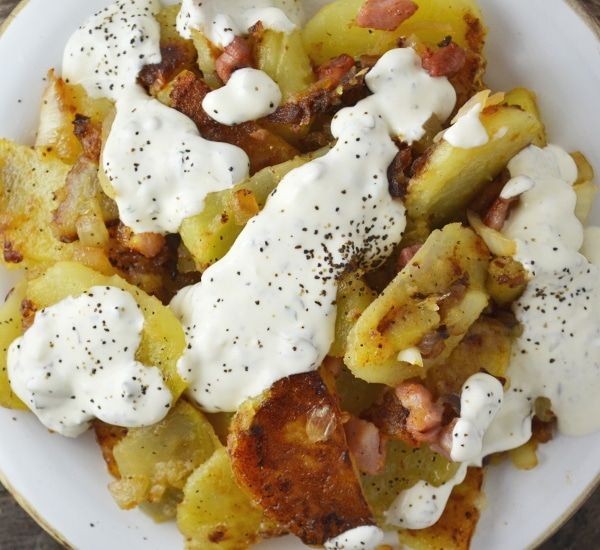
Lusciously golden and crisp, these Bratkartoffeln offer a comforting embrace of rustic German fare, elevated with a dollop of herb-flecked sour cream that adds a cool, creamy contrast. Perfect for a cozy winter evening or a festive holiday brunch, this dish transforms humble potatoes into a show-stopping side or satisfying main. The key lies in achieving that irresistible caramelized crust while keeping the interior tender, a balance that feels both indulgent and utterly wholesome.
Serving: 4 | Pre Time: 15 minutes | Cooking Time: 25 minutes
Ingredients
– 2 pounds Yukon Gold potatoes, peeled and sliced into ¼-inch rounds (their buttery texture is ideal for frying)
– 3 tablespoons unsalted butter, plus 1 tablespoon for finishing (I always use European-style for its rich flavor)
– 2 tablespoons extra virgin olive oil, my go-to for a fruity base note
– 1 medium yellow onion, thinly sliced (sweet varieties like Vidalia work beautifully here)
– 3 cloves garlic, minced (freshly minced makes all the difference)
– 1 teaspoon smoked paprika, for a subtle smoky depth
– ½ teaspoon freshly ground black pepper
– 1 teaspoon kosher salt, plus more for seasoning
– 1 cup full-fat sour cream, at room temperature for easy blending
– 2 tablespoons fresh chives, finely chopped (I prefer snipping them just before use)
– 1 tablespoon fresh dill, chopped (dried can substitute in a pinch, but fresh is superior)
Instructions
1. Place the peeled and sliced potatoes in a large pot, cover with cold water by 1 inch, and add 1 teaspoon of kosher salt. Bring to a boil over high heat, then reduce to a simmer and cook for 8–10 minutes until just fork-tender but not falling apart. Drain thoroughly in a colander and let them air-dry for 5 minutes to remove excess moisture—this prevents steaming and ensures crispiness.
2. In a large skillet (I recommend cast-iron for even heat), heat 2 tablespoons of olive oil and 2 tablespoons of butter over medium-high heat until the butter melts and sizzles lightly, about 2 minutes.
3. Add the potatoes in a single layer, working in batches if needed to avoid crowding. Cook undisturbed for 4–5 minutes until a deep golden crust forms on the bottom, then flip each slice with a spatula. Tip: Resist stirring too early; patience here builds that perfect caramelization.
4. Reduce heat to medium, push the potatoes to the edges of the skillet, and add the remaining 1 tablespoon of butter to the center. Once melted, add the sliced onion and cook for 3–4 minutes until softened and translucent, stirring occasionally.
5. Stir in the minced garlic and smoked paprika, cooking for 1 minute until fragrant, then mix everything together in the skillet. Season with ½ teaspoon black pepper and additional salt to taste, cooking for another 2–3 minutes until the onions are lightly browned.
6. While the potatoes cook, prepare the herb sour cream: In a small bowl, combine the room-temperature sour cream, chopped chives, and dill. Stir gently until well blended. Tip: Let it sit for 10 minutes to allow the flavors to meld while the potatoes finish.
7. Remove the skillet from heat and let the Bratkartoffeln rest for 2 minutes to settle the flavors. Serve immediately, topped with a generous spoonful of the herb sour cream.
Yielded with each bite, the potatoes boast a shatteringly crisp exterior that gives way to a fluffy, tender center, while the sour cream adds a bright, herbal tang that cuts through the richness. For a creative twist, try serving them alongside seared sausages or topping with a fried egg for a hearty breakfast—the possibilities are as endless as they are delicious.
Mini currywurst skewers with ketchup dip
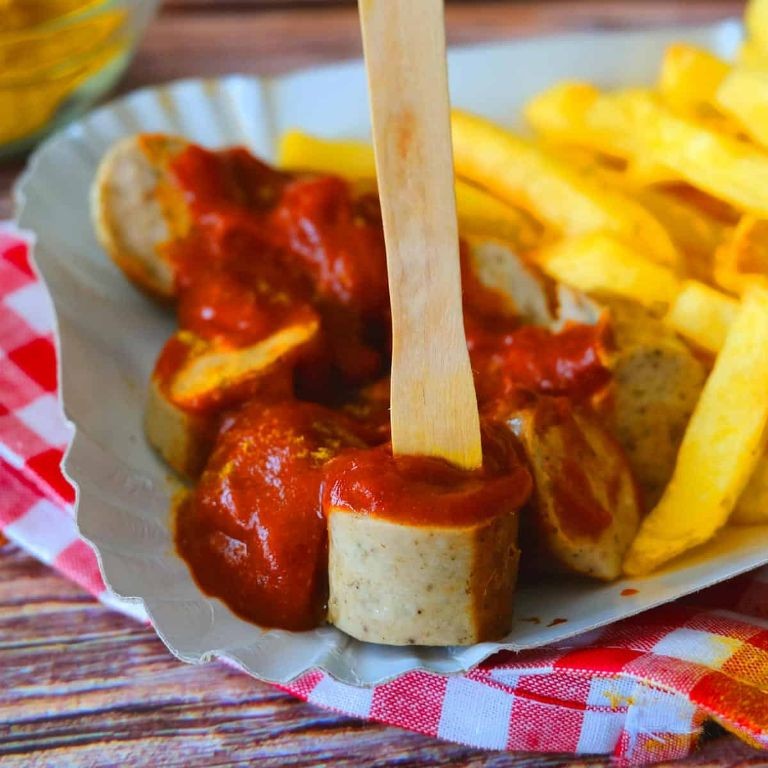
Kick off your holiday festivities with these elegant mini currywurst skewers, a playful twist on the beloved German street food that transforms it into perfect, sophisticated party fare. Each tender, spiced sausage bite is balanced on a skewer for easy serving, paired with a vibrant, tangy ketchup dip that adds a familiar yet elevated touch. Ideal for a Christmas Eve gathering, they bring warmth and whimsy to any festive table.
Serving: 8 | Pre Time: 15 minutes | Cooking Time: 10 minutes
Ingredients
– 1 lb German-style bratwurst sausages, casings removed—I find this yields the most tender texture for skewering.
– 1 tbsp vegetable oil, for a light, neutral sear that lets the spices shine.
– 1 tsp curry powder, preferably a warm, aromatic blend for that signature depth.
– 1/2 cup ketchup, my go-to for its balanced sweetness and acidity.
– 1 tbsp apple cider vinegar, which adds a bright, tangy note to cut through the richness.
– 1 tsp honey, for a subtle sweetness that rounds out the dip beautifully.
– 8 small wooden skewers, soaked in water for 30 minutes to prevent burning—a little prep trick I always swear by.
Instructions
1. Preheat a large skillet over medium-high heat and add 1 tbsp vegetable oil, heating until it shimmers lightly, about 1 minute.
2. Shape the bratwurst meat into 24 small, uniform balls, each about 1 inch in diameter, for even cooking and easy skewering.
3. Place the sausage balls in the skillet in a single layer, cooking until browned on all sides, approximately 6-8 minutes, turning occasionally with tongs for an even sear.
4. Sprinkle 1 tsp curry powder over the cooked sausage balls, tossing gently to coat evenly, and cook for an additional 1 minute to toast the spices and enhance their aroma.
5. Thread 3 sausage balls onto each soaked wooden skewer, arranging them neatly for a polished presentation.
6. In a small bowl, whisk together 1/2 cup ketchup, 1 tbsp apple cider vinegar, and 1 tsp honey until smooth and well combined.
7. Transfer the skewers to a serving platter and drizzle a small amount of the ketchup dip over them, reserving the rest for dipping on the side.
8. Serve immediately while warm, with the remaining dip in a small bowl alongside.
Nestled on their skewers, these mini currywurst bites offer a delightful contrast of juicy, spiced sausage with a crisp exterior, while the dip provides a tangy, sweet counterpoint that lingers pleasantly. For a creative twist, arrange them on a platter with fresh herbs like parsley or serve alongside pickled vegetables to add a crunchy, acidic element that complements the richness.
Summary
Zesty and traditional, these 18 classic German appetizers bring authentic flavors right to your kitchen. Perfect for gatherings or cozy nights, they’re a delicious way to explore German cuisine. We’d love to hear which recipes you try—leave a comment with your favorites! If you enjoyed this roundup, please share it on Pinterest to spread the culinary joy. Happy cooking!