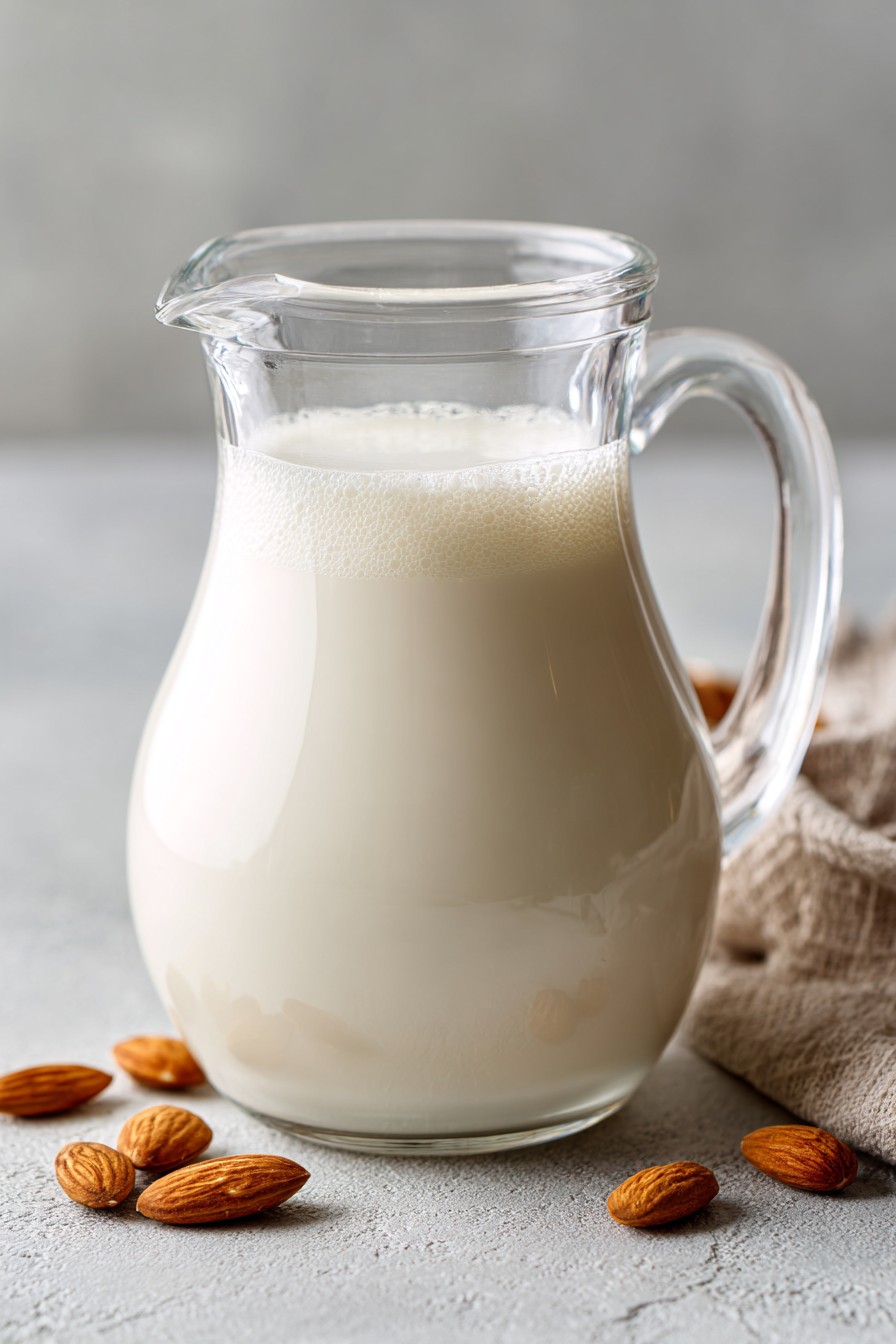
Forget store-bought cartons with additives. Fresh almond milk offers pure flavor and control over ingredients. This recipe requires minimal effort and yields a creamy, versatile milk perfect for coffee, cereal, or drinking straight.
Why This Recipe Works
- Soaking almonds overnight softens them for a smoother blend and better nutrient absorption.
- Using a nut milk bag or fine cheesecloth ensures a silky texture without grittiness.
- Adding a pinch of salt and a date enhances flavor naturally without processed sweeteners.
- The process takes under 10 minutes of active time after soaking.
- You control the thickness by adjusting the water-to-almond ratio.
Ingredients
- 1 cup raw almonds
- 4 cups filtered water, plus more for soaking
- 1 Medjool date, pitted (optional for sweetness)
- 1/4 teaspoon vanilla extract (optional)
- Pinch of sea salt
Equipment Needed
- Large bowl or jar
- High-speed blender
- Nut milk bag or fine cheesecloth
- Large measuring cup or pitcher
- Airtight glass bottle or jar for storage
Instructions
Step 1: Soak the Almonds
Place 1 cup of raw almonds in a large bowl or jar. Cover them with at least 2 inches of filtered water. The almonds will expand as they soak. Let them sit at room temperature for 8 to 12 hours, or overnight. For a quicker method, cover with boiling water and soak for 1 to 2 hours. Soaking softens the almonds, making them easier to blend into a smooth milk and helping to release their nutrients. After soaking, drain and rinse the almonds thoroughly under cool running water. Discard the soaking water. Tip: If your kitchen is warm, consider soaking the almonds in the refrigerator to prevent fermentation.
Step 2: Blend with Water and Flavorings
Add the soaked, rinsed almonds to your blender. Pour in 4 cups of fresh, filtered water. If using, add the pitted Medjool date, 1/4 teaspoon vanilla extract, and a pinch of sea salt. Secure the blender lid tightly. Start blending on low speed for 10 seconds to combine, then increase to high speed. Blend for exactly 1 minute and 30 seconds. You should see a creamy, opaque white mixture with fine almond particles suspended throughout. The blending time is crucial for proper emulsion and texture. Do not over-blend beyond 2 minutes, as this can heat the mixture and affect flavor. The date will dissolve into the liquid, providing a subtle sweetness.
Step 3: Strain the Milk
Place your nut milk bag or a large piece of fine cheesecloth over a large measuring cup or pitcher. If using cheesecloth, layer it 2-3 times for a finer filter. Slowly pour the blended almond mixture into the bag or cloth. Let the liquid drain through for a moment. Then, gather the top of the bag or cloth and gently squeeze. Apply steady, firm pressure to extract all the liquid. Continue squeezing until only dry almond pulp remains. This process should take about 2 to 3 minutes. You will yield approximately 4 cups of milk. The pulp left behind can be saved for other uses. Tip: For an ultra-smooth texture, you can strain the milk a second time through a fresh cloth.
Step 4: Taste and Adjust
Pour the strained milk into a clean pitcher or directly into your storage bottle. Taste it. If you prefer a sweeter milk, you can add another pitted date to the blender with a small amount of the strained milk and blend again, then mix it back in. For a richer vanilla flavor, add an additional 1/8 teaspoon of extract and whisk to combine. If the milk seems too thick for your preference, you can whisk in additional filtered water, 1/4 cup at a time, until the desired consistency is reached. This is the stage to customize the flavor to your exact liking before storing.
Step 5: Store and Serve
Transfer the finished almond milk to an airtight glass bottle or jar. Seal it tightly. Label the container with the date. Homemade almond milk is best when fresh and should be stored in the refrigerator. It will keep for 3 to 4 days. The milk may separate naturally during storage; this is normal. Simply shake the bottle vigorously for 10 seconds before each use to recombine. Serve chilled over cereal, in smoothies, in coffee, or by the glass. Tip: For a frothier milk for coffee, shake it extra vigorously or use a handheld milk frother just before pouring.
Tips and Tricks
For a richer, creamier milk, use 3 cups of water instead of 4. Save the leftover almond pulp. Spread it on a baking sheet and dry it in an oven at the lowest temperature (around 170°F) for 2-3 hours, stirring occasionally, to make almond flour. Use this flour in baking recipes like cookies or muffins. If you don’t have a date, a teaspoon of maple syrup or honey can be whisked in after straining. For a completely raw version, skip the optional vanilla extract or use raw vanilla powder. Always use a clean, dry cloth or bag for straining to prevent introducing bacteria that could shorten the milk’s shelf life.
Recipe Variations
- Chocolate Almond Milk: Add 2 tablespoons of unsweetened cocoa powder and an extra date to the blender before straining.
- Spiced Almond Milk: Add 1/4 teaspoon of ground cinnamon and a small pinch of nutmeg to the blender with the other ingredients.
- Unsweetened Plain: Omit the date and vanilla for a neutral milk ideal for savory cooking or if you strictly monitor sugar intake.
- Almond-Coconut Blend: Replace 1 cup of the water with 1 cup of canned, full-fat coconut milk for a richer, tropical flavor.
- Berry-Infused: After making plain milk, steep a handful of fresh or frozen berries in the strained milk for 1 hour in the fridge, then strain again to remove solids.
Frequently Asked Questions
Q: Can I use roasted almonds?
A: No. Use only raw, unsalted almonds. Roasted almonds will give the milk a bitter, toasted flavor that is not typical for almond milk. Raw almonds provide the clean, neutral base needed.
Q: Why did my milk separate in the fridge?
A: Separation is natural because there are no emulsifiers. Shake the bottle well before each use. If it separates quickly, try blending for a shorter time (1 minute) or straining more thoroughly.
Q: How can I make it last longer than 4 days?
A: Homemade nut milk lacks preservatives, so 4 days is the safe limit. For longer storage, you can freeze it in ice cube trays and thaw cubes as needed for cooking or smoothies.
Q: Is the almond pulp edible?
A: Yes. The pulp is simply ground almonds. You can add it to oatmeal, muffin batter, or energy balls. Dry it to make almond flour for baking.
Q: Can I skip soaking the almonds?
A: Soaking is recommended for texture and digestibility. If you skip it, blend for a full 2 minutes and expect a slightly grainier milk and less yield from your almonds.
Summary
Homemade almond milk is a simple process of soaking, blending, and straining. It yields a fresh, creamy milk free from additives. You control the sweetness and flavor. Store it in the fridge and shake before using.
Homemade Almond Milk
4
servings10
minutesIngredients
Instructions
- 1 Soak the Almonds: Place almonds in a bowl, cover with 2 inches of water, and soak for 8-12 hours. Drain and rinse.
- 2 Blend: Combine soaked almonds, 4 cups water, date (if using), vanilla (if using), and salt in a blender. Blend on high for 1 minute 30 seconds.
- 3 Strain: Pour mixture through a nut milk bag or cheesecloth into a pitcher. Squeeze firmly to extract all liquid.
- 4 Adjust: Taste milk. Add more sweetener or vanilla if desired, or thin with extra water.
- 5 Store: Transfer to an airtight glass bottle. Refrigerate and use within 3-4 days. Shake well before each use.