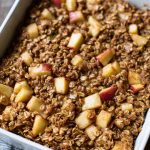
From my grandmother’s sunlit kitchen to my own farmhouse table, few breakfasts feel as deeply comforting as a steaming bowl of oatmeal. It’s a simple, honest dish that whispers of chilly mornings, crackling fires, and the sweet promise of a day begun right. This recipe, passed down like a well-loved quilt, is my touchstone for warmth and nourishment.
Why This Recipe Works
- Slow-Cooked Creaminess: Using old-fashioned rolled oats and a gentle simmer coaxes out their natural starches, creating a luxuriously creamy texture that instant packets can’t match.
- The Perfect Sweet & Salty Balance: Rich, nutty brown sugar and a generous pat of salted butter melt together into a caramel-like sauce that clings to every oat, satisfying that deep craving for something both sweet and savory.
- Pure, Uncomplicated Comfort: With just a handful of pantry staples, this recipe delivers profound satisfaction. It’s a humble reminder that the best foods are often the simplest.
- Endlessly Adaptable Foundation: This classic bowl is a perfect canvas. Once you master this base, a world of toppings and mix-ins awaits to make it your own.
Ingredients
- 1 cup old-fashioned rolled oats (not quick-cooking or steel-cut)
- 2 cups cold water
- 1/4 teaspoon fine sea salt
- 3 tablespoons packed light brown sugar, plus more for serving
- 2 tablespoons unsalted butter, divided
- 1/4 cup whole milk or heavy cream, for serving (optional)
Equipment Needed
- A medium-sized, heavy-bottomed saucepan (like enameled cast iron)
- Wooden spoon or silicone spatula
- Measuring cups and spoons
- Bowls for serving
Instructions

Step 1: Combine the Oats and Water
Grab your trusty saucepan and measure in one cup of old-fashioned rolled oats. Pour in two cups of cold, fresh water—starting cold helps the oats hydrate evenly and prevents clumping. Give it a gentle stir with your wooden spoon just to ensure no oats are stuck dry to the bottom. This is where the magic begins, with these simple, wholesome ingredients waiting to transform. There’s no need to rush; good oatmeal, like most good things, benefits from a patient start. I always think of this step as setting the foundation, much like preparing the soil in a garden. Tip: For an even richer flavor, you can substitute one cup of the water for whole milk, but water alone makes for a beautifully pure and clean-tasting oat base that really lets the brown sugar and butter shine.
Step 2: Bring to a Simmer and Season
Place your saucepan over medium-high heat. Let the oat-and-water mixture come to a lively boil, which should take about 3 to 4 minutes. Once you see big bubbles breaking the surface consistently, immediately reduce the heat to low. This is crucial. Now, stir in a quarter teaspoon of fine sea salt. That pinch of salt isn’t just for seasoning; it’s a flavor enhancer that will make the sweetness of the brown sugar sing and deepen the overall taste of the oats. A low, gentle simmer is your goal here—you want to see the occasional bubble rise lazily to the top and pop. A violent boil will make the oatmeal gluey and can cause it to scorch on the bottom of the pan.
Step 3: Cook to Creamy Perfection
This is the heart of the process, where patience is truly a virtue. Let the oats simmer gently on low heat, uncovered, for 8 to 10 minutes. Stir them occasionally—every 2 minutes or so—scraping the bottom and sides of the pan to prevent sticking and ensure even cooking. Watch as the liquid is absorbed and the mixture thickens beautifully. You’re looking for the oatmeal to reach a creamy, porridge-like consistency where it mounds softly on a spoon but still slowly flows. It should coat the back of your spoon thickly. If it seems too thick for your liking, you can stir in an extra tablespoon or two of hot water. Tip: Trust your senses here. The perfect doneness is when the individual oat grains are tender and plump but haven’t lost all their texture, offering a lovely, slight chew.
Step 4: Incorporate the Brown Sugar and Butter
Once your oatmeal has reached that perfect creamy stage, remove the saucepan from the heat. It’s time for the grand finale. Add three tablespoons of packed light brown sugar and one tablespoon of the unsalted butter directly into the hot oatmeal. Now, stir vigorously and with purpose for a good 30 seconds to a full minute. You’ll see the butter melt and the brown sugar dissolve, creating a glossy, caramel-hued sauce that weaves itself through every nook and cranny of the oats. This off-heat incorporation is key; it allows the sugar to melt without burning and lets the butter’s flavor permeate the entire dish without separating.
Step 5: Serve Immediately with Love
Ladle the hot, fragrant oatmeal into warmed bowls. This is the moment for the final, decadent touches. Take the remaining tablespoon of cold, unsalted butter and place a generous pat right in the center of each serving. Watch as it begins to melt into a golden pool. If you’re feeling indulgent, drizzle a little whole milk or heavy cream around the edges. Finally, sprinkle a tiny extra pinch of brown sugar over the melting butter for a bit of delightful texture. Serve it straight away, while it’s piping hot and at its peak of comfort. Tip: Warming your bowls by rinsing them with hot water before serving makes a world of difference, keeping your breakfast cozy from the first spoonful to the last.
Tips and Tricks
For the creamiest oatmeal imaginable, try soaking your rolled oats in the cooking water for 10-15 minutes before turning on the heat. This extra hydration step allows the oats to soften gradually, leading to an exceptionally smooth texture. If you find yourself with leftovers, they will thicken considerably in the fridge. To reheat, place them in a saucepan with a splash of milk or water and warm over low heat, stirring frequently, until loose and hot again. The microwave can work in a pinch, but stir every 30 seconds to prevent explosive bubbles. For a deeper, more molasses-like sweetness, experiment with dark brown sugar instead of light. And don’t overlook the power of your butter—using a high-quality, cultured salted butter for the final pat on top can add a wonderfully complex, tangy note that cuts through the sweetness beautifully.
Recipe Variations
- Apple Pie Oatmeal: Stir in 1/2 cup of finely diced apples (like Honeycrisp or Granny Smith) and 1/4 teaspoon of cinnamon with the oats at the beginning. The apples will soften and perfume the entire pot.
- Maple Pecan Delight: Replace the brown sugar with 2 tablespoons of pure maple syrup. Top the finished oatmeal with a handful of toasted pecans and the butter.
- Banana Bread Bowl: Mash one very ripe banana and stir it in during the last minute of cooking. Add a dash of cinnamon and nutmeg, and top with chopped walnuts.
- Savory Twist: Omit the brown sugar. After cooking, stir in the butter, a generous amount of black pepper, a handful of sharp cheddar cheese, and a fried or poached egg on top.
- Tropical Escape: Use coconut milk instead of water for cooking. Stir in toasted coconut flakes and diced mango or pineapple after adding the brown sugar and butter.
Frequently Asked Questions
Can I use quick-cooking or instant oats?
You can, but the texture and experience will differ. Quick oats are cut smaller and will cook in about 3-5 minutes, resulting in a much softer, less textured porridge. I highly recommend old-fashioned rolled oats for their superior heartiness and ability to hold up to slow cooking, giving you that classic, creamy-yet-chewy bite that defines this recipe.
How can I make this recipe dairy-free or vegan?
It’s easily adaptable! Simply replace the butter with an equal amount of your favorite plant-based butter or coconut oil. For serving, use a non-dairy milk like oat, almond, or soy milk. The brown sugar is already vegan, so you’ll still get that wonderful caramel sweetness.
My oatmeal always sticks to the pan. What am I doing wrong?
Sticking usually means your heat is too high during the simmering stage. Always reduce to a true low simmer after the initial boil. Using a heavy-bottomed pan distributes heat evenly and prevents hot spots. And don’t forget to stir occasionally, scraping the bottom gently with your spoon.
Can I make a larger batch for meal prep?
Absolutely! This recipe doubles or triples beautifully. Just use a larger pot and keep the same ratio of 1 cup oats to 2 cups liquid. Cooked oatmeal keeps well in the fridge for 4-5 days. Reheat single portions with a splash of liquid to bring back the creamy consistency.
Is steel-cut oatmeal made the same way?
No, steel-cut oats (or Irish oats) are whole oat groats chopped into pieces. They require a longer cooking time—usually 20-30 minutes—and a different liquid ratio (often 1 cup oats to 3-4 cups water). They have a wonderfully nutty flavor and chewy texture but aren’t a direct substitute in this faster, creamier recipe.
Summary
This oatmeal is a timeless embrace in a bowl. With its creamy texture, perfect sweet-salty balance, and humble ingredients, it turns an ordinary morning into a moment of cherished, rustic comfort.
Old-Fashioned Oatmeal with Brown Sugar & Butter
2
servings2
minutes15
minutesIngredients
Instructions
- 1 In a medium saucepan, combine 1 cup old-fashioned rolled oats and 2 cups cold water.
- 2 Place over medium-high heat and bring to a boil. Immediately reduce heat to low and stir in 1/4 teaspoon fine sea salt.
- 3 Simmer gently, uncovered, for 8-10 minutes, stirring occasionally, until the oats are tender and the mixture is thick and creamy.
- 4 Remove from heat. Stir in 3 tablespoons packed light brown sugar and 1 tablespoon of the unsalted butter until fully melted and incorporated.
- 5 Divide between bowls. Top each serving with the remaining 1 tablespoon of butter (1/2 tbsp per bowl), an optional drizzle of milk or cream, and an extra sprinkle of brown sugar. Serve immediately.