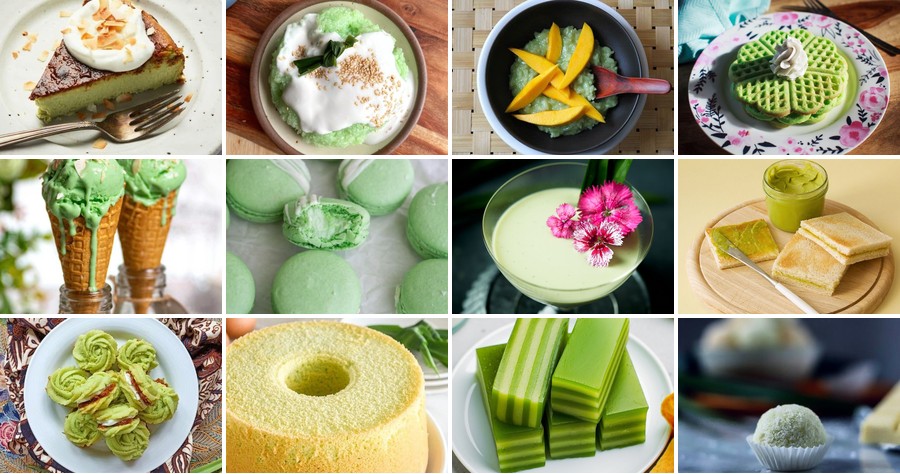
Brace yourself for a fragrant adventure! Pandan, Southeast Asia’s beloved vanilla-like leaf, transforms desserts into vibrant, aromatic delights. We’ve gathered 19 exquisite recipes—from creamy puddings to fluffy cakes—that bring its unique, sweet flavor to your kitchen. Perfect for curious home cooks looking to explore global tastes, these treats are surprisingly simple to make. Let’s dive into this delicious, green-hued world and find your new favorite dessert!
Pandan Coconut Sticky Rice
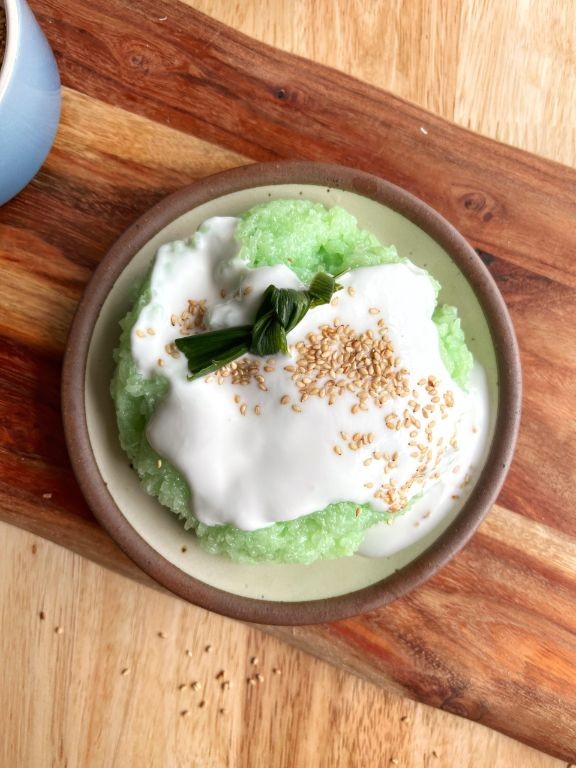
Whenever I’m craving something tropical and comforting, this pandan coconut sticky rice is my go-to—it’s like a sweet, fragrant hug in a bowl, perfect for when I want to bring a bit of Southeast Asian sunshine into my Midwest kitchen. I first fell in love with it at a friend’s potluck, and after some trial and error (and a few sticky messes), I’ve nailed down this easy version that always reminds me of that warm, welcoming gathering.
Serving: 6 | Pre Time: 30 minutes | Cooking Time: 25 minutes
Ingredients
– 2 cups of sweet glutinous rice (I always rinse it well to remove excess starch)
– A 13.5-ounce can of full-fat coconut milk (don’t skimp here—it makes it creamy!)
– ¾ cup of granulated sugar
– A generous pinch of salt
– 1 teaspoon of pandan extract (or a couple of fresh pandan leaves if you can find them)
– A splash of water for steaming
Instructions
1. Rinse the 2 cups of sweet glutinous rice under cold water in a fine-mesh strainer until the water runs clear, which takes about 2-3 minutes to remove starch and prevent gumminess.
2. Soak the rinsed rice in enough water to cover it by 1 inch for at least 30 minutes at room temperature—this softens the grains for even cooking.
3. Drain the soaked rice thoroughly and transfer it to a steamer basket lined with cheesecloth or a clean kitchen towel.
4. Add a splash of water to a pot, place the steamer basket over it, and steam the rice on medium-high heat for 20 minutes, until the grains are tender and translucent.
5. While the rice steams, combine the 13.5-ounce can of coconut milk, ¾ cup of granulated sugar, and a generous pinch of salt in a saucepan over medium heat.
6. Stir the mixture constantly for 5 minutes until the sugar dissolves completely and it’s just simmering—avoid boiling to keep it smooth.
7. Remove the saucepan from the heat and stir in 1 teaspoon of pandan extract until evenly mixed, infusing that vibrant green color and floral aroma.
8. Once the rice is done steaming, immediately transfer it to a large bowl and pour the warm coconut-pandan mixture over it.
9. Gently fold everything together with a spatula for 2-3 minutes, ensuring each grain is coated and absorbing the liquid without mashing.
10. Cover the bowl with a lid or plastic wrap and let it rest for 10 minutes at room temperature to allow the flavors to meld and the rice to become sticky.
Keep in mind that this dish firms up as it cools, so serve it warm for that perfect chewy texture. I love topping it with fresh mango slices or a drizzle of extra coconut milk for a creamy contrast—it’s subtly sweet with a hint of floral pandan that always transports me back to that cozy potluck memory.
Pandan Chiffon Cake
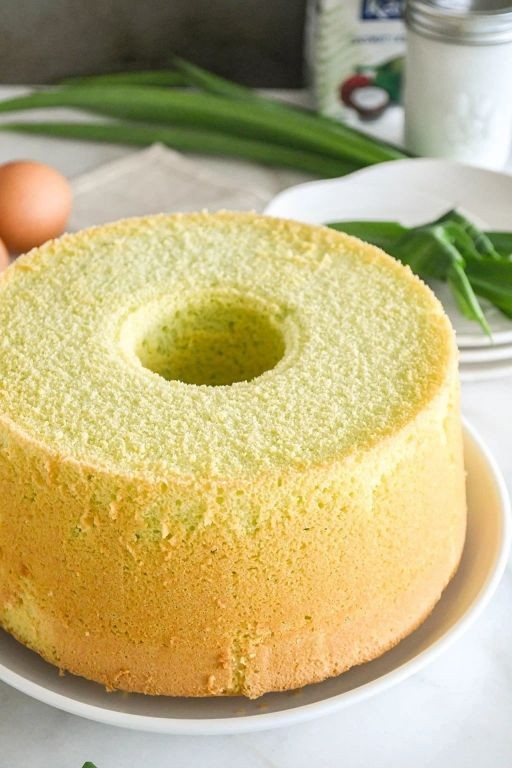
Perfecting a light, airy Pandan Chiffon Cake has been my holiday baking obsession this year—there’s something magical about that vibrant green hue and delicate, floral aroma that just feels festive. I love how it’s a showstopper yet surprisingly simple to whip up, and my family always begs for seconds the moment it comes out of the oven.
Serving: 12 | Pre Time: 25 minutes | Cooking Time: 55 minutes
Ingredients
- 6 large eggs, separated (keep those yolks and whites separate—trust me!)
- 1 ½ cups of granulated sugar
- ½ cup of vegetable oil
- ¾ cup of water
- 2 teaspoons of pandan extract (for that gorgeous green color and flavor)
- 2 cups of cake flour, sifted
- 1 tablespoon of baking powder
- ½ teaspoon of salt
- A splash of cream of tartar (about ¼ teaspoon) to stabilize those egg whites
Instructions
- Preheat your oven to 325°F—no rushing this; a steady, moderate heat is key for a tall, even rise.
- In a large bowl, whisk together the egg yolks and 1 cup of sugar until pale and creamy, about 3 minutes.
- Slowly drizzle in the vegetable oil while whisking, then add the water and pandan extract, mixing until smooth.
- Sift in the cake flour, baking powder, and salt, then gently fold until just combined—overmixing here can lead to a dense cake, so be gentle!
- In a separate, clean bowl, beat the egg whites with cream of tartar on medium speed until foamy.
- Gradually add the remaining ½ cup of sugar, then increase speed to high and beat until stiff peaks form, about 4-5 minutes; they should hold their shape when you lift the beaters.
- Fold one-third of the egg whites into the yolk batter to lighten it, then carefully fold in the rest until no white streaks remain—this keeps the batter airy.
- Pour the batter into an ungreased 10-inch tube pan (greasing can prevent the cake from climbing the sides).
- Bake for 50-55 minutes, or until a toothpick inserted comes out clean and the top springs back when lightly touched.
- Immediately invert the pan onto a cooling rack and let it cool completely upside down for at least 2 hours to prevent collapsing.
- Once cool, run a thin knife around the edges and center tube to release the cake, then gently remove it from the pan.
Light and fluffy with a subtle, sweet pandan fragrance, this cake practically melts in your mouth. I love serving it plain to let the flavor shine, but it’s also fantastic with a dollop of whipped cream or fresh berries for a festive touch—perfect for sharing at holiday gatherings!
Pandan Mochi with Toasted Coconut
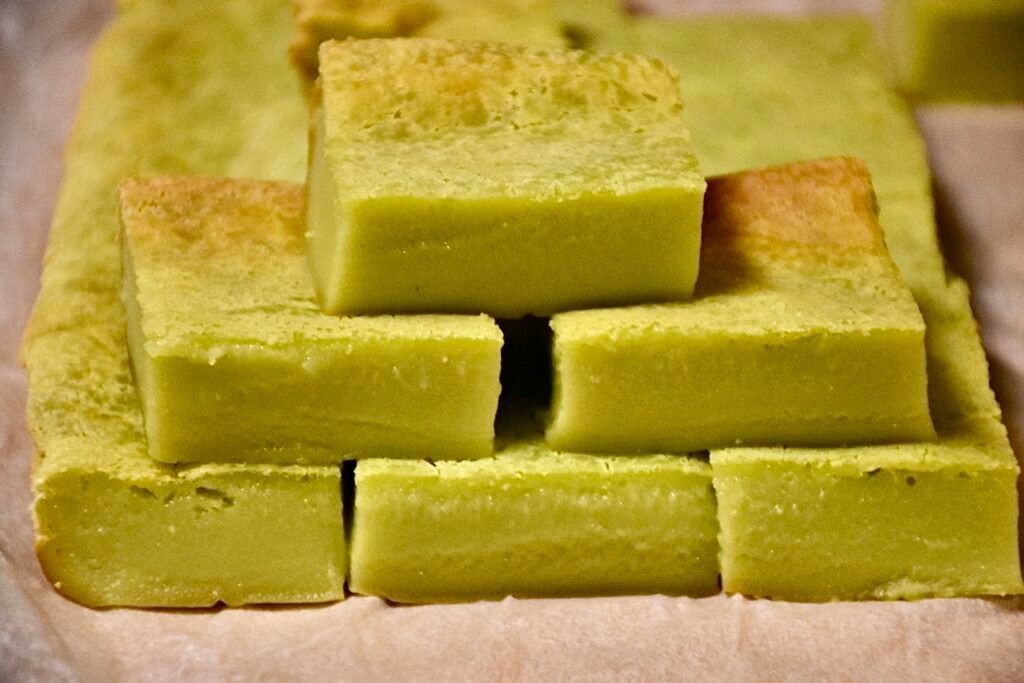
Crafting these chewy, fragrant pandan mochi with toasted coconut has become my go-to treat for holiday gatherings—they’re like little green pillows of joy that always disappear first from the dessert table. I love how the earthy pandan pairs with the nutty coconut, and making them always reminds me of experimenting in my tiny apartment kitchen years ago, where I’d burn the coconut more often than not until I got the timing just right. Trust me, once you try these, you’ll be hooked on their unique flavor and satisfying texture.
Serving: 12 | Pre Time: 15 minutes | Cooking Time: 20 minutes
Ingredients
– 1 cup of glutinous rice flour (like Mochiko)
– ¾ cup of granulated sugar
– 1 cup of coconut milk from the can
– A splash of pandan extract (about 1 teaspoon)
– A pinch of salt
– 1 cup of unsweetened shredded coconut
– A couple of tablespoons of water for steaming
– Some cornstarch for dusting (about ¼ cup)
Instructions
1. In a medium bowl, whisk together 1 cup of glutinous rice flour, ¾ cup of granulated sugar, and a pinch of salt until well combined.
2. Gradually pour in 1 cup of coconut milk while stirring continuously to form a smooth batter without lumps.
3. Add a splash of pandan extract (about 1 teaspoon) to the batter and mix thoroughly until it turns a vibrant green color.
4. Prepare a steamer by bringing a couple of tablespoons of water to a boil in a pot fitted with a steaming basket—tip: line the basket with parchment paper to prevent sticking.
5. Pour the batter into a heatproof dish that fits in the steamer, then cover it with foil to trap steam.
6. Steam the batter over medium heat for exactly 20 minutes, or until it sets firm and becomes translucent when poked with a toothpick.
7. While steaming, toast 1 cup of unsweetened shredded coconut in a dry skillet over medium-low heat for 5-7 minutes, stirring constantly until golden brown and fragrant—tip: watch closely to avoid burning, as it can go from toasted to burnt quickly.
8. Remove the steamed mochi from the heat and let it cool at room temperature for 10 minutes until it’s safe to handle but still warm.
9. Dust a clean surface with some cornstarch (about ¼ cup) to prevent sticking, then transfer the mochi onto it.
10. Knead the mochi gently for 2-3 minutes until smooth and pliable—tip: wet your hands slightly if it gets too sticky.
11. Divide the mochi into 12 equal pieces and roll each into a ball shape between your palms.
12. Roll each mochi ball in the toasted coconut until fully coated, pressing lightly to adhere.
13. Arrange the coated mochi on a serving plate and let them rest for 5 minutes to set.
Soft and chewy with a subtle sweetness, these mochi have a delightful bounce that contrasts beautifully with the crunchy coconut coating. Serve them slightly warm for the best texture, or get creative by drizzling with a bit of melted chocolate for an extra indulgent twist—they’re perfect as a festive snack or a unique dessert to share with friends.
Pandan Custard Tart
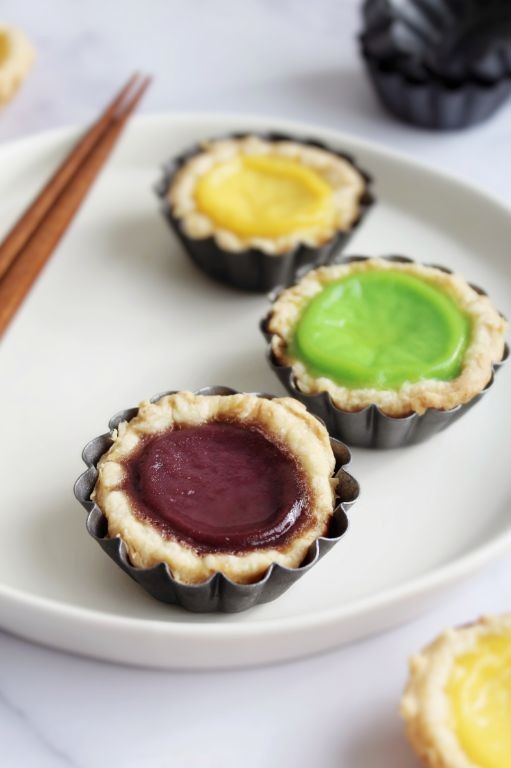
Dazzling with its vibrant green hue and intoxicating aroma, this Pandan Custard Tart has become my go-to dessert for holiday gatherings. I first discovered pandan during a trip to Southeast Asia, and now I love infusing its unique, vanilla-like flavor into classic American desserts—it’s like a tropical twist on your grandma’s custard pie that always gets compliments at potlucks.
Serving: 8 | Pre Time: 25 minutes | Cooking Time: 35 minutes
Ingredients
– 1 ½ cups of all-purpose flour, plus a little extra for dusting
– A stick of cold unsalted butter (that’s ½ cup), cubed
– A couple of tablespoons of granulated sugar
– A pinch of salt
– 3 large eggs
– 1 cup of heavy cream
– ½ cup of whole milk
– ⅔ cup of granulated sugar
– 1 teaspoon of pandan extract (find it in Asian markets or online)
– A splash of vanilla extract
Instructions
1. Preheat your oven to 350°F (175°C) and lightly grease a 9-inch tart pan with a removable bottom.
2. In a food processor, pulse 1 ½ cups of all-purpose flour, ½ cup of cubed cold unsalted butter, 2 tablespoons of granulated sugar, and a pinch of salt until the mixture resembles coarse crumbs. Tip: Keep the butter cold for a flaky crust—I sometimes chill it in the freezer for 10 minutes first.
3. Add 1 large egg to the food processor and pulse just until the dough comes together into a ball.
4. Turn the dough out onto a lightly floured surface, knead it gently into a disk, wrap it in plastic, and chill it in the refrigerator for 15 minutes.
5. Roll out the chilled dough on a floured surface to a 12-inch circle, about ⅛-inch thick, then carefully transfer it to the prepared tart pan, pressing it into the edges and trimming any excess.
6. Prick the bottom of the crust all over with a fork, line it with parchment paper, fill it with pie weights or dried beans, and blind bake it for 15 minutes at 350°F (175°C).
7. Remove the parchment and weights from the crust and bake it for another 5 minutes until lightly golden, then set it aside to cool slightly. Tip: Blind baking prevents a soggy bottom—don’t skip this step!
8. In a medium bowl, whisk together 2 large eggs, 1 cup of heavy cream, ½ cup of whole milk, ⅔ cup of granulated sugar, 1 teaspoon of pandan extract, and a splash of vanilla extract until smooth and well combined.
9. Pour the custard mixture into the pre-baked tart shell, filling it almost to the top.
10. Bake the tart at 350°F (175°C) for 30-35 minutes, or until the custard is set around the edges but still slightly wobbly in the center. Tip: Avoid overbaking to keep the custard creamy—it will firm up as it cools.
11. Let the tart cool completely on a wire rack, then chill it in the refrigerator for at least 2 hours before serving.
Unbelievably silky and fragrant, this tart boasts a creamy custard with subtle pandan notes that pair beautifully with the buttery, crisp crust. I love garnishing it with toasted coconut flakes or fresh berries for a pop of color, and it slices perfectly for elegant servings that melt in your mouth.
Pandan Ice Cream with Palm Sugar Syrup

Remember that time I stumbled upon a little Thai market and got completely enchanted by the sweet, floral scent of pandan leaves? That’s exactly the magic I wanted to capture in a homemade ice cream, swirled with rich, caramel-like palm sugar syrup. It’s become my go-to summer treat, and I love how the vibrant green color just makes everyone smile.
Serving: 6 | Pre Time: 30 minutes | Cooking Time: 20 minutes
Ingredients
– 2 cups of heavy cream
– 1 cup of whole milk
– 3/4 cup of granulated sugar
– 6 large egg yolks
– A big handful of fresh pandan leaves (or 2 teaspoons of pandan extract if you can’t find fresh)
– 1 cup of chopped palm sugar (look for the hard blocks at Asian markets)
– 1/2 cup of water
– A pinch of salt
– A splash of vanilla extract (my secret for rounding out flavors)
Instructions
1. Roughly chop the fresh pandan leaves and blend them with the 1 cup of whole milk in a blender until finely ground, then strain the mixture through a fine-mesh sieve into a saucepan, pressing to extract all the liquid; discard the solids. (Tip: If using pandan extract, simply add it to the milk in the saucepan instead.)
2. Add the 2 cups of heavy cream to the pandan-milk mixture in the saucepan and heat over medium heat until it just starts to steam, about 5 minutes, stirring occasionally—do not let it boil.
3. In a separate bowl, whisk together the 3/4 cup of granulated sugar, 6 large egg yolks, and a pinch of salt until pale and slightly thickened, about 2 minutes.
4. Slowly pour about 1 cup of the warm cream mixture into the egg yolk mixture while whisking constantly to temper the eggs and prevent curdling.
5. Pour the tempered egg mixture back into the saucepan with the remaining cream and cook over low heat, stirring constantly with a wooden spoon, until it thickens enough to coat the back of the spoon, about 8-10 minutes; remove from heat immediately. (Tip: Don’t rush this—low heat ensures a smooth custard without scrambling.)
6. Stir in a splash of vanilla extract, then strain the custard through a fine-mesh sieve into a clean bowl to remove any lumps.
7. Cover the bowl with plastic wrap, pressing it directly onto the surface of the custard to prevent a skin from forming, and chill in the refrigerator for at least 4 hours, or overnight for best results.
8. While the custard chills, make the palm sugar syrup: combine the 1 cup of chopped palm sugar and 1/2 cup of water in a small saucepan over medium heat, stirring until the sugar dissolves completely, then simmer for 5 minutes until slightly thickened; let it cool to room temperature. (Tip: The syrup will thicken more as it cools, so don’t over-reduce it.)
9. Churn the chilled custard in an ice cream maker according to the manufacturer’s instructions, usually about 20-25 minutes, until it reaches a soft-serve consistency.
10. Transfer the churned ice cream to a freezer-safe container, drizzle in half of the cooled palm sugar syrup, and gently swirl it with a knife—avoid overmixing to keep those beautiful ribbons.
11. Cover the container and freeze the ice cream for at least 4 hours, or until firm.
12. To serve, scoop the ice cream into bowls and drizzle with the remaining palm sugar syrup.
Zesty and creamy with a subtle floral aroma, this ice cream has a luxuriously smooth texture that melts perfectly against the gooey, butterscotch-like syrup. I love serving it in little coconut shells for a tropical vibe, or just straight from the container on a hot day—it’s that addictive!
Pandan Cheesecake
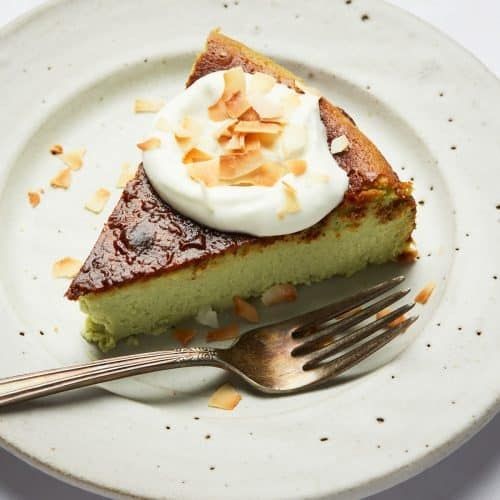
Last weekend, I was craving something creamy yet uniquely fragrant, and my mind drifted to the tropical aroma of pandan—it’s like vanilla’s vibrant cousin from Southeast Asia, and I knew it would be magical swirled into a cheesecake. Honestly, after a couple of test runs (and maybe a few extra slices), I’ve nailed down this Pandan Cheesecake recipe that’s become my new holiday favorite, perfect for sharing with friends over cozy gatherings.
Serving: 8 | Pre Time: 20 minutes | Cooking Time: 60 minutes
Ingredients
– A couple of cups of graham cracker crumbs (about 2 cups)
– A stick of unsalted butter, melted (that’s ½ cup)
– A pinch of salt
– Two 8-ounce blocks of cream cheese, softened at room temperature
– About ¾ cup of granulated sugar
– A splash of vanilla extract (1 teaspoon)
– A tablespoon of pandan extract (for that gorgeous green hue and floral scent)
– Three large eggs
– A cup of sour cream
Instructions
1. Preheat your oven to 325°F (163°C) and grease a 9-inch springform pan lightly with butter or cooking spray.
2. In a medium bowl, mix the graham cracker crumbs, melted butter, and salt until it resembles wet sand—this is your crust base.
3. Press the crumb mixture firmly into the bottom of the pan using the back of a spoon or your fingers, creating an even layer, then bake for 10 minutes until lightly golden. Tip: Let the crust cool slightly before adding the filling to prevent sogginess.
4. In a large mixing bowl, beat the softened cream cheese with an electric mixer on medium speed until smooth and creamy, about 2 minutes.
5. Gradually add the granulated sugar, vanilla extract, and pandan extract, mixing until fully incorporated and the batter turns a pale green color.
6. Add the eggs one at a time, beating on low speed after each addition just until combined—overmixing can cause cracks, so go easy here!
7. Fold in the sour cream gently with a spatula until the batter is uniform and silky.
8. Pour the cheesecake batter over the cooled crust, smoothing the top with a spatula.
9. Place the springform pan on a baking sheet and bake for 50-60 minutes, or until the edges are set but the center still jiggles slightly when shaken. Tip: Avoid opening the oven door during baking to maintain even heat and prevent sinking.
10. Turn off the oven, crack the door open slightly, and let the cheesecake cool inside for 1 hour to set gradually—this helps avoid sudden temperature changes that lead to cracks.
11. Remove the cheesecake from the oven, run a knife around the edges to loosen it, and refrigerate for at least 4 hours or overnight until fully chilled and firm. Tip: For cleaner slices, dip your knife in hot water and wipe it dry between cuts.
Finally, this Pandan Cheesecake emerges with a velvety, lush texture that melts on your tongue, infused with that subtle, sweet pandan aroma that’s both exotic and comforting. I love serving it chilled with a drizzle of coconut cream or fresh mango slices for a tropical twist that always impresses at potlucks—it’s a dessert that feels like a little vacation in every bite!
Pandan Kaya Jam Toast
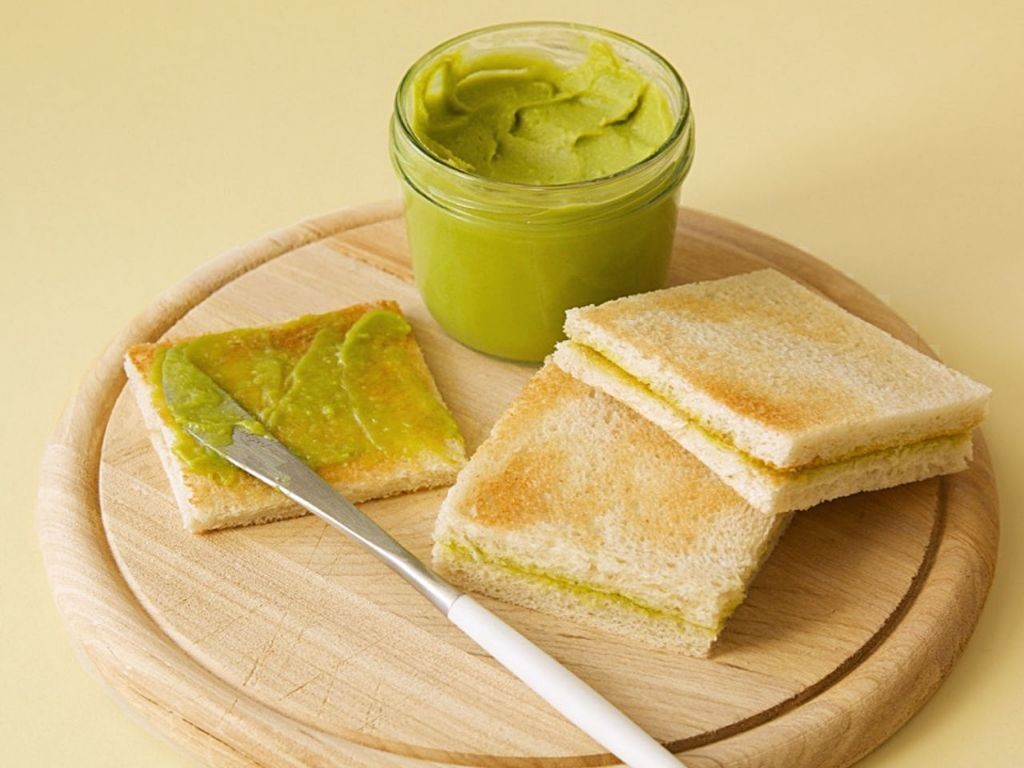
Oof, after a long morning of holiday shopping, I was craving something sweet and nostalgic—and this pandan kaya jam toast totally hit the spot. It’s like a cozy hug from my grandma’s kitchen, but with a tropical twist that makes it feel special enough for Christmas Eve. I love how the vibrant green jam contrasts with the golden toast, and it’s surprisingly simple to whip up while sipping coffee in my pajamas.
Serving: 4 | Pre Time: 10 minutes | Cooking Time: 25 minutes
Ingredients
– A couple of large eggs
– About 1 cup of coconut milk (the full-fat kind for extra creaminess)
– A generous ¾ cup of granulated sugar
– A splash of pandan extract (or a handful of fresh pandan leaves if you’re fancy)
– A pinch of salt to balance the sweetness
– 4 slices of thick-cut bread (I prefer brioche for that buttery richness)
– A pat of unsalted butter for toasting
Instructions
1. Crack the eggs into a medium saucepan and whisk them until smooth and frothy.
2. Pour in the coconut milk, sugar, pandan extract, and salt, then whisk everything together until fully combined.
3. Place the saucepan over medium-low heat and cook the mixture, stirring constantly with a wooden spoon to prevent curdling, for about 20 minutes until it thickens into a jam-like consistency—it should coat the back of the spoon without dripping off easily. Tip: Keep the heat low to avoid scrambling the eggs; patience is key here!
4. Remove the saucepan from the heat and let the kaya jam cool to room temperature, which takes roughly 10 minutes, then transfer it to a jar if storing for later.
5. Heat a skillet or griddle over medium heat and melt the butter until it sizzles lightly.
6. Place the bread slices in the skillet and toast them for 2–3 minutes per side until golden brown and crispy. Tip: Don’t overcrowd the pan—toast in batches if needed for even browning.
7. Spread a thick layer of the cooled kaya jam onto each warm toast slice immediately after toasting. Tip: Warm toast helps the jam melt slightly for a luscious texture.
Kaya jam toast is all about that silky, custardy spread with a hint of pandan’s floral aroma against the crunch of buttery bread. I sometimes top it with a sprinkle of toasted coconut flakes or serve it alongside fresh mango slices for a brunch-worthy treat—it’s so good, you might just skip the presents and enjoy this instead!
Pandan Panna Cotta
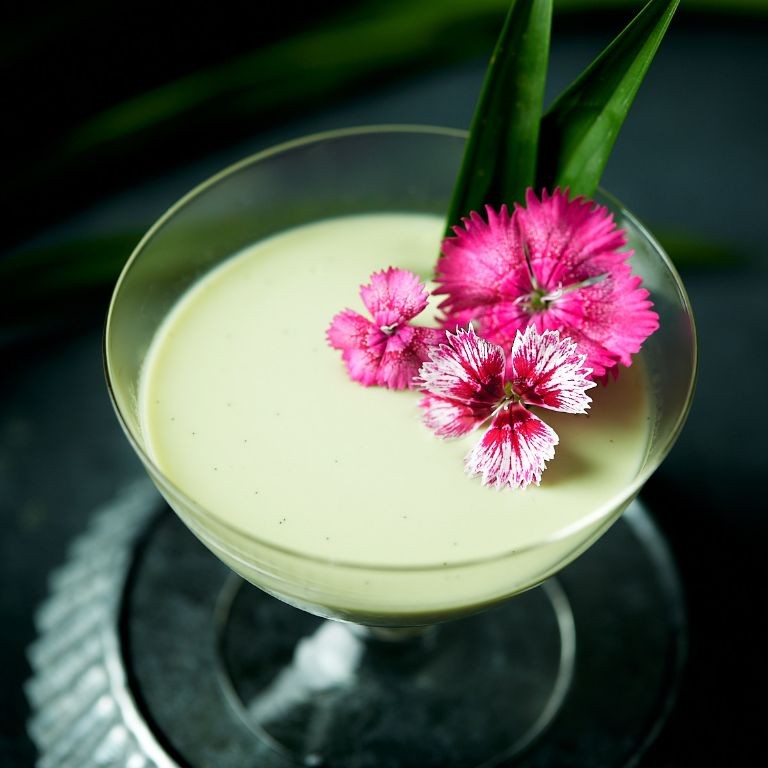
Zipping through my holiday baking marathon, I realized I needed something refreshing and unexpected—enter this Pandan Panna Cotta, a creamy Southeast Asian twist on the Italian classic that’s become my go‑make‑ahead dessert for festive gatherings. It’s subtly sweet with a whisper of vanilla and that unique, almost floral pandan aroma that always reminds me of my first trip to a Vietnamese bakery. Honestly, it’s so simple to whip up, you’ll wonder why you haven’t tried it sooner.
Serving: 6 | Pre Time: 15 minutes | Cooking Time: 5 minutes
Ingredients
– 2 cups of heavy cream
– ½ cup of granulated sugar
– 2 teaspoons of pandan extract (the good stuff—it makes all the difference!)
– 1 packet (about 2¼ teaspoons) of unflavored gelatin powder
– ¼ cup of cold water
– A splash of vanilla extract
– A pinch of salt, because even desserts need a little balance
Instructions
1. Pour the ¼ cup of cold water into a small bowl and sprinkle the packet of gelatin evenly over the top—let it sit for 5 minutes to bloom, which helps it dissolve smoothly later (tip: this prevents any grainy bits in your panna cotta).
2. In a medium saucepan over medium‑low heat, combine the 2 cups of heavy cream, ½ cup of granulated sugar, and a pinch of salt, stirring gently until the sugar fully dissolves, about 3–4 minutes (don’t let it boil, or the cream might curdle).
3. Remove the saucepan from the heat and whisk in the 2 teaspoons of pandan extract and a splash of vanilla extract until the mixture is evenly green and fragrant.
4. Add the bloomed gelatin to the warm cream mixture and whisk vigorously for 1–2 minutes until the gelatin is completely dissolved and no lumps remain (tip: if you see any streaks, strain the mixture through a fine‑mesh sieve into a clean bowl).
5. Divide the mixture evenly among 6 ramekins or small glasses, tapping each gently on the counter to remove any air bubbles.
6. Cover the ramekins with plastic wrap and refrigerate for at least 6 hours, or overnight, until fully set and firm to the touch (tip: for a quicker set, you can chill them in the freezer for the first hour, then transfer to the fridge).
7. To serve, run a thin knife around the edge of each ramekin and invert onto a plate, or simply enjoy it straight from the glass with a spoon.
Holding that first silky spoonful, you’ll notice how the panna cotta jiggles just right—creamy and lush without being heavy. The pandan flavor shines through subtly, almost like a sweet, aromatic hug, and it pairs beautifully with fresh mango slices or a drizzle of coconut cream for an extra tropical vibe.
Pandan Layer Cake
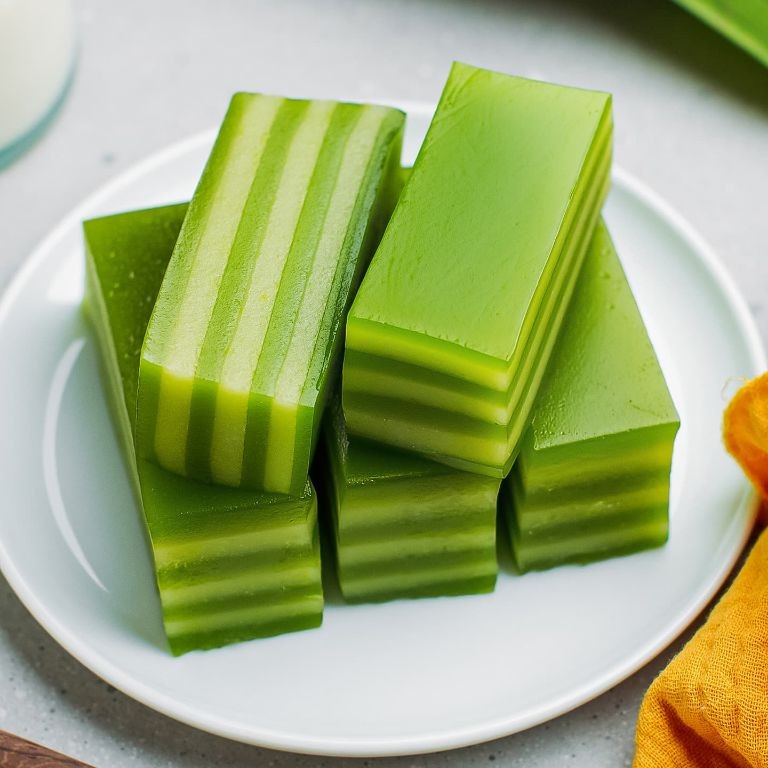
Finally, after years of trying to recreate my favorite dessert from that little bakery in Honolulu, I’ve perfected a Pandan Layer Cake that’s just as fragrant and vibrant as I remember—and it’s surprisingly simple to make at home, even for a busy weeknight baker like me.
Serving: 8 | Pre Time: 20 minutes | Cooking Time: 30 minutes
Ingredients
– A couple of cups of all-purpose flour
– A cup of granulated sugar
– A splash of pandan extract (about 2 teaspoons)
– A few large eggs
– A stick of unsalted butter, softened
– A cup of whole milk
– A pinch of salt
– A teaspoon of baking powder
Instructions
1. Preheat your oven to 350°F and grease two 8-inch round cake pans—I always line mine with parchment paper for easy removal later.
2. In a large bowl, cream together the softened butter and granulated sugar until light and fluffy, which takes about 3 minutes with a hand mixer on medium speed.
3. Beat in the eggs one at a time, making sure each is fully incorporated before adding the next to avoid a curdled batter.
4. Stir in the pandan extract and whole milk until the mixture is smooth and evenly green.
5. In a separate bowl, whisk together the all-purpose flour, baking powder, and pinch of salt to ensure even distribution.
6. Gradually fold the dry ingredients into the wet mixture, mixing just until combined to keep the cake tender—overmixing can make it tough.
7. Divide the batter evenly between the prepared pans and tap them gently on the counter to remove any air bubbles.
8. Bake for 25-30 minutes, or until a toothpick inserted into the center comes out clean and the edges are lightly golden.
9. Let the cakes cool in the pans for 10 minutes, then transfer them to a wire rack to cool completely before frosting.
What I love most about this cake is its soft, moist crumb and that unique pandan flavor—slightly nutty and sweet, like a tropical vanilla. Serve it chilled with a dollop of whipped cream or slice it thin for an elegant afternoon tea; either way, it’s a showstopper that always brings back those sunny island memories.
Pandan Waffles with Coconut Whipped Cream
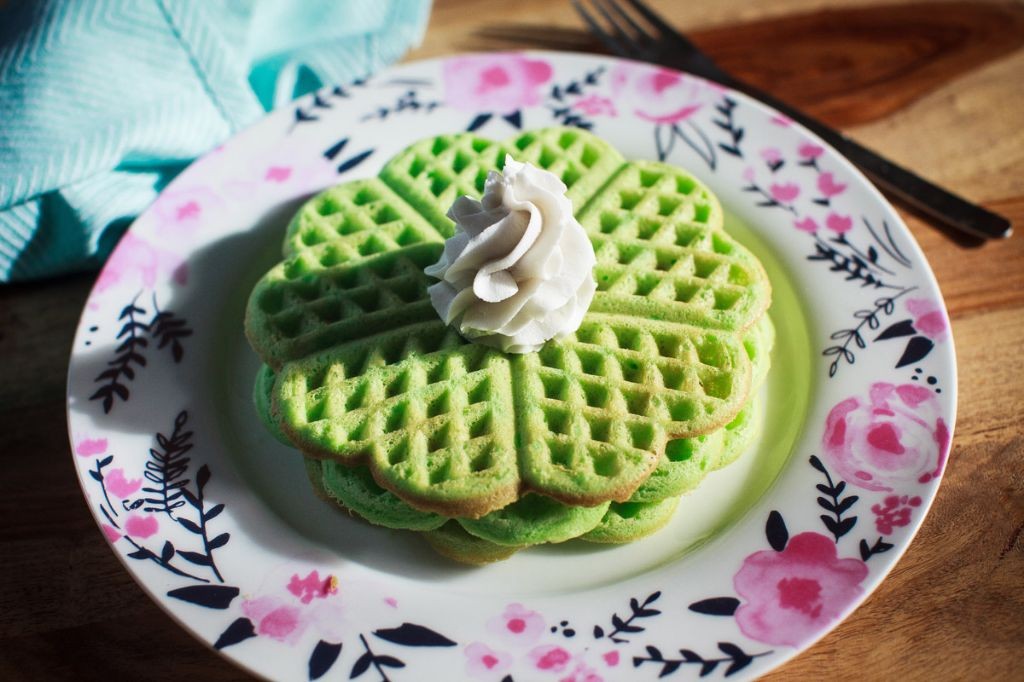
Nostalgia hits me every time I smell pandan—it reminds me of my grandmother’s kitchen, where she’d infuse everything with that sweet, grassy aroma. Today, I’m bringing that memory to life with these fluffy pandan waffles topped with dreamy coconut whipped cream, perfect for a cozy holiday brunch or a sweet weekend treat. Trust me, once you try these, you’ll be hooked on their vibrant green hue and tropical flavor!
Serving: 4 | Pre Time: 15 minutes | Cooking Time: 20 minutes
Ingredients
– 2 cups of all-purpose flour
– 2 tablespoons of granulated sugar
– 1 tablespoon of baking powder
– A pinch of salt
– 2 large eggs
– 1¾ cups of whole milk
– ½ cup of melted unsalted butter
– 1 teaspoon of pandan extract (or a couple of drops if you’re using concentrate)
– 1 can of full-fat coconut milk, chilled overnight in the fridge
– 2 tablespoons of powdered sugar
– A splash of vanilla extract
Instructions
1. Preheat your waffle iron to 375°F—this ensures a crispy exterior without burning.
2. In a large mixing bowl, whisk together 2 cups of all-purpose flour, 2 tablespoons of granulated sugar, 1 tablespoon of baking powder, and a pinch of salt until well combined.
3. In a separate bowl, beat 2 large eggs lightly, then stir in 1¾ cups of whole milk, ½ cup of melted unsalted butter, and 1 teaspoon of pandan extract until smooth.
4. Pour the wet ingredients into the dry ingredients and mix gently until just combined; overmixing can make the waffles tough, so a few lumps are okay!
5. Lightly grease the preheated waffle iron with butter or non-stick spray.
6. Spoon about ½ cup of batter onto the center of the iron, close the lid, and cook for 4–5 minutes, or until the waffles are golden brown and crisp—peek carefully to avoid sticking.
7. While the waffles cook, open the chilled can of coconut milk and scoop out the solid cream into a chilled bowl, leaving the liquid behind.
8. Using a hand mixer on high speed, whip the coconut cream with 2 tablespoons of powdered sugar and a splash of vanilla extract for 2–3 minutes until stiff peaks form; chilling the bowl first helps it whip up faster.
9. Repeat step 6 with the remaining batter to make more waffles.
10. Serve the warm waffles immediately, topped with a generous dollop of the coconut whipped cream.
Crispy on the outside and tender inside, these waffles have a subtle pandan flavor that pairs beautifully with the creamy, lightly sweet coconut topping. For a fun twist, drizzle them with a bit of maple syrup or sprinkle with toasted coconut flakes—it’s like a tropical getaway on a plate!
Pandan Macarons
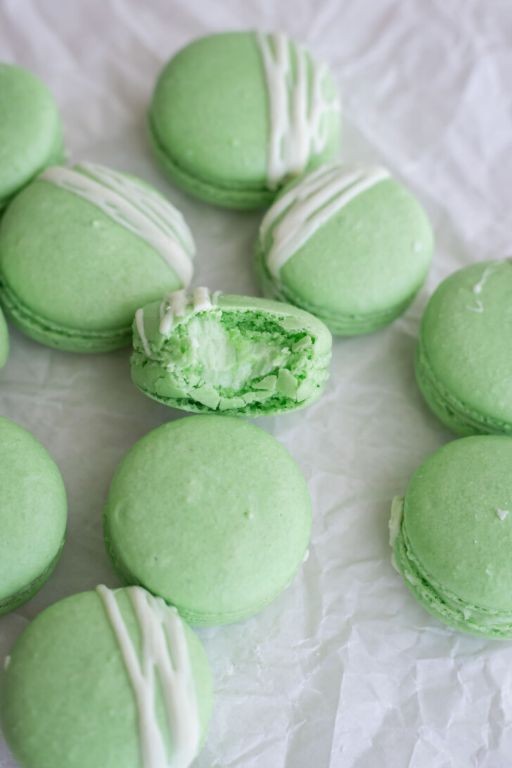
Gosh, I still remember the first time I tried pandan macarons at a little bakery in Seattle – that vibrant green color and unique, almost vanilla-meets-coconut flavor had me hooked instantly. As a food blogger who’s made more than a few macaron batches (with plenty of cracked shells along the way!), I’ve finally nailed a recipe that’s both approachable and absolutely delicious. Let’s dive into these delicate, fragrant treats that are perfect for impressing guests or just treating yourself.
Serving: 24 macarons | Pre Time: 45 minutes | Cooking Time: 15 minutes
Ingredients
– 1 cup of almond flour, sifted twice for that smooth texture
– 1 ¾ cups of powdered sugar, because macarons need that sweetness
– 3 large egg whites, at room temperature – trust me, this matters!
– ¼ cup of granulated sugar
– A few drops of pandan extract (about ½ teaspoon) for that signature flavor
– A tiny pinch of cream of tartar to stabilize the egg whites
– Green gel food coloring, just enough to get that lovely pale green hue
– For the filling: ½ cup of unsalted butter, softened, and 1 cup of powdered sugar whipped together with another ¼ teaspoon of pandan extract
Instructions
1. Line two baking sheets with parchment paper or silicone mats – macarons stick easily, so don’t skip this!
2. In a medium bowl, whisk together the sifted almond flour and 1 ¾ cups of powdered sugar until fully combined; set aside.
3. In a clean, dry mixing bowl, beat the egg whites on medium speed until foamy, about 1 minute.
4. Add the cream of tartar and continue beating until soft peaks form, roughly 2 more minutes.
5. Gradually add the granulated sugar while beating on high speed, until stiff, glossy peaks form, approximately 3-4 minutes total.
6. Gently fold in the pandan extract and green food coloring until evenly distributed, being careful not to deflate the meringue.
7. Sift the almond flour mixture into the meringue in two additions, folding gently with a spatula until the batter flows like lava and a ribbon forms when lifted – this is called the “macaronage” stage, and it’s key for smooth tops!
8. Transfer the batter to a piping bag fitted with a round tip and pipe 1-inch circles onto the prepared baking sheets, spacing them about 1 inch apart.
9. Tap the baking sheets firmly on the counter 2-3 times to release any air bubbles, then let them sit at room temperature for 30 minutes until the tops are no longer sticky to the touch.
10. While the shells rest, preheat your oven to 300°F – an oven thermometer helps ensure accuracy, as temperature is crucial for macarons.
11. Bake one sheet at a time in the center rack for 14-15 minutes, until the shells are set and lift cleanly off the parchment.
12. Let the shells cool completely on the baking sheets before removing, about 15 minutes.
13. For the filling, beat the softened butter with 1 cup of powdered sugar and ¼ teaspoon pandan extract until light and fluffy, about 2 minutes.
14. Pipe or spread a small amount of filling onto the flat side of half the shells, then sandwich with the remaining shells.
15. Refrigerate the assembled macarons in an airtight container for at least 24 hours to allow the flavors to meld and the texture to soften – patience pays off here!
Craving these? The shells should be crisp on the outside with a chewy interior, and the pandan filling adds a fragrant, subtly sweet note that’s utterly addictive. I love serving them with a cup of jasmine tea or crumbling them over vanilla ice cream for an extra-special dessert – they’re almost too pretty to eat, but trust me, you won’t resist!
Pandan Butter Cookies
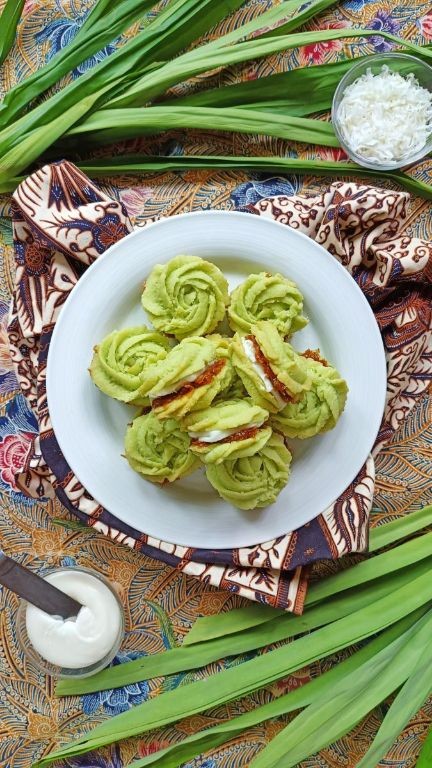
Sometimes the best holiday treats come from unexpected flavor combinations, and these Pandan Butter Cookies are my new favorite example—they remind me of the time I tried pandan desserts at a friend’s Lunar New Year party and couldn’t stop thinking about how to bring that fragrant, slightly nutty taste into my own kitchen. I love how the vibrant green hue makes them look festive, and the buttery, melt-in-your-mouth texture is just irresistible with a cup of tea.
Serving: 24 | Pre Time: 20 minutes | Cooking Time: 12 minutes
Ingredients
– 1 cup of unsalted butter, softened to room temperature (I always leave mine out on the counter for an hour)
– 3/4 cup of granulated sugar
– 1 large egg
– 2 teaspoons of pandan extract (look for the good stuff—it makes all the difference!)
– 2 1/4 cups of all-purpose flour
– 1/2 teaspoon of baking powder
– A pinch of salt
Instructions
1. Preheat your oven to 350°F and line two baking sheets with parchment paper.
2. In a large mixing bowl, cream together the softened butter and granulated sugar using an electric mixer on medium speed for about 3 minutes, until light and fluffy. Tip: Scrape down the sides of the bowl halfway through to ensure everything is evenly mixed.
3. Crack in the egg and add the pandan extract, then beat on low speed just until combined, about 30 seconds.
4. In a separate bowl, whisk together the all-purpose flour, baking powder, and salt.
5. Gradually add the dry ingredients to the wet mixture, mixing on low speed until a soft dough forms, which should take 1–2 minutes. Tip: Don’t overmix—stop as soon as the flour is incorporated to keep the cookies tender.
6. Scoop tablespoon-sized portions of dough and roll them into balls, placing them 2 inches apart on the prepared baking sheets.
7. Use a fork to gently press down on each ball to create a crisscross pattern, flattening them to about 1/4-inch thickness.
8. Bake in the preheated oven for 10–12 minutes, until the edges are just starting to turn golden. Tip: Rotate the baking sheets halfway through baking for even browning.
9. Remove from the oven and let the cookies cool on the baking sheets for 5 minutes before transferring them to a wire rack to cool completely.
You’ll love how these cookies have a crisp edge with a soft, buttery center that practically melts in your mouth. The pandan adds a unique, aromatic sweetness that pairs beautifully with a glass of cold milk or as a festive addition to a cookie platter—my family always fights over the last one!
Pandan Crepes with Mango Filling
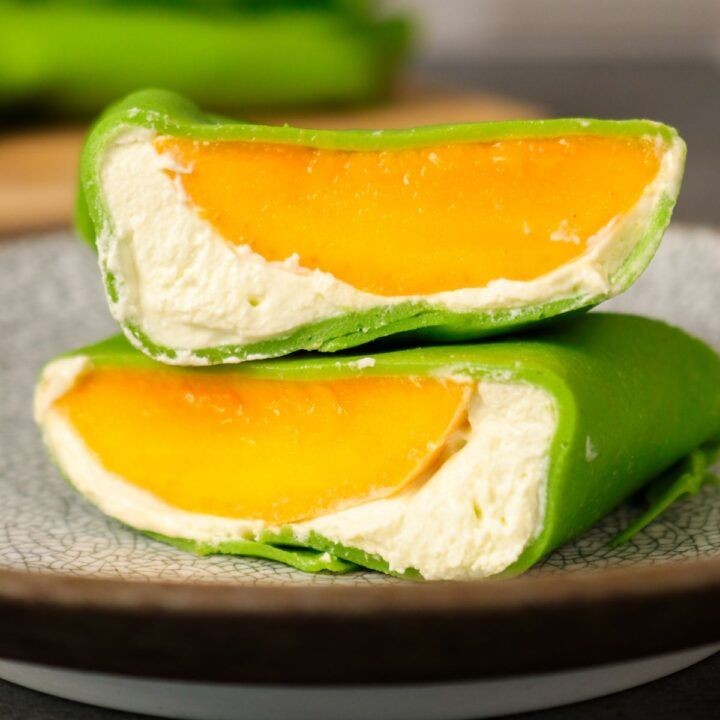
Gosh, I still remember the first time I tried pandan—that vibrant green and sweet, floral aroma instantly transported me to tropical markets. These Pandan Crepes with Mango Filling are my go-to when I want something light yet indulgent, perfect for lazy weekend brunches or impressing guests without too much fuss. I love how the earthy pandan pairs with the bright mango, creating a dessert that feels both exotic and comforting, like a little vacation on a plate.
Serving: 8 | Pre Time: 20 minutes | Cooking Time: 15 minutes
Ingredients
– 1 cup of all-purpose flour
– 2 large eggs
– 1 1/4 cups of whole milk
– A splash of pandan extract (about 1 teaspoon)
– A couple of tablespoons of granulated sugar
– A pinch of salt
– 1 tablespoon of melted unsalted butter, plus extra for the pan
– 2 ripe mangoes, peeled and diced
– A drizzle of honey (about 2 tablespoons)
Instructions
1. In a medium bowl, whisk together 1 cup of all-purpose flour, 2 large eggs, 1 1/4 cups of whole milk, a splash of pandan extract, a couple of tablespoons of granulated sugar, and a pinch of salt until smooth, with no lumps.
2. Stir in 1 tablespoon of melted unsalted butter into the batter until fully combined, then let it rest at room temperature for 10 minutes to allow the flour to hydrate—this helps prevent tearing later.
3. While the batter rests, peel and dice 2 ripe mangoes into small cubes, then toss them with a drizzle of honey in a separate bowl and set aside for the filling.
4. Heat a non-stick skillet or crepe pan over medium heat (around 350°F) and lightly grease it with extra melted unsalted butter using a brush or paper towel.
5. Pour about 1/4 cup of the batter into the center of the hot pan, then quickly tilt and swirl the pan to spread it into a thin, even circle about 8 inches in diameter.
6. Cook the crepe for 1-2 minutes, until the edges start to lift and the surface looks set with small bubbles, then flip it carefully with a spatula and cook for another 30-45 seconds until lightly golden—don’t overcook, or it’ll become brittle.
7. Transfer the cooked crepe to a plate and repeat with the remaining batter, stacking them with parchment paper in between to prevent sticking, which makes assembly easier later.
8. To assemble, place a crepe flat on a surface, spoon about 2 tablespoons of the mango filling onto one half, fold it over into a half-moon, then gently roll or fold again to enclose the filling snugly.
9. Serve the crepes immediately while warm, or store them covered at room temperature for up to an hour if preparing ahead.
Each bite offers a soft, slightly chewy crepe with a subtle pandan fragrance that melts into the juicy, sweet-tart mango filling. I love serving these stacked high on a platter with an extra drizzle of honey or a sprinkle of toasted coconut for crunch—they’re so versatile, you can even enjoy them chilled for a refreshing twist on a hot day.
Pandan Donuts with Glaze
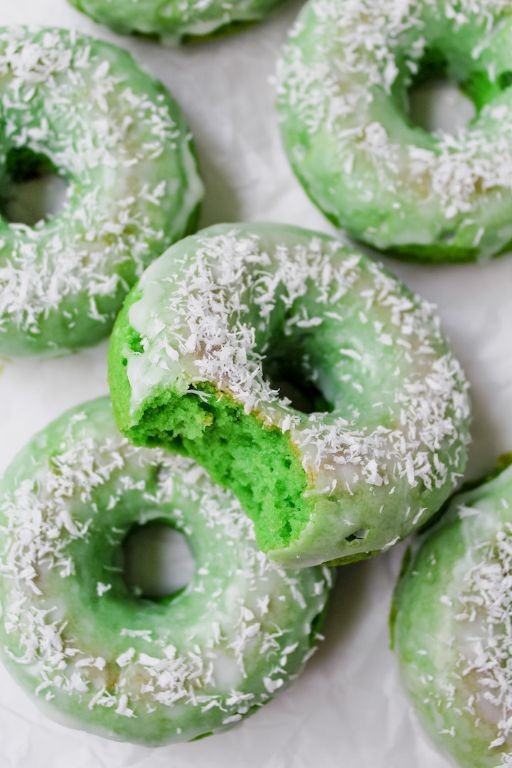
Mmm, the sweet, floral aroma of pandan always transports me back to my first trip to Southeast Asia—I knew I had to bring that magic into my kitchen with a classic American treat. These Pandan Donuts with Glaze are my holiday twist on tradition, perfect for Christmas Eve baking when you want something festive but not overly complicated. I love how the vibrant green color peeks through the glaze, making them as joyful to look at as they are to eat.
Serving: 12 | Pre Time: 20 minutes | Cooking Time: 10 minutes
Ingredients
– 2 cups of all-purpose flour, plus a little extra for dusting
– ½ cup of granulated sugar
– 1 packet (about 2¼ teaspoons) of active dry yeast
– ¾ cup of warm whole milk (around 110°F—I test it on my wrist to make sure it’s cozy, not hot)
– ¼ cup of melted unsalted butter
– 1 large egg, at room temperature
– 2 teaspoons of pandan extract (this gives that gorgeous green hue and flavor)
– A pinch of salt
– Enough vegetable oil for frying (about 4 cups, to fill a deep pot 2 inches high)
– For the glaze: 1 cup of powdered sugar, 2 tablespoons of whole milk, and a splash of vanilla extract
Instructions
1. In a large bowl, whisk together the flour, sugar, yeast, and salt until well combined.
2. Pour in the warm milk, melted butter, egg, and pandan extract, then stir with a wooden spoon until a shaggy dough forms.
3. Tip: If the dough feels too sticky, add a tablespoon of flour at a time—it should be soft but not stick to your hands.
4. Turn the dough onto a lightly floured surface and knead for about 5 minutes, until smooth and elastic.
5. Place the dough in a greased bowl, cover with a damp kitchen towel, and let it rise in a warm spot for 1 hour, or until doubled in size.
6. Tip: I like to set it near the oven if I’ve been baking—the residual heat helps it puff up nicely.
7. Punch down the dough and roll it out to ½-inch thickness on a floured surface.
8. Use a donut cutter or a 3-inch round cutter and a 1-inch cutter for the holes to shape 12 donuts, re-rolling scraps as needed.
9. Arrange the donuts on a parchment-lined baking sheet, cover with the towel, and let them rise again for 30 minutes.
10. Heat the vegetable oil in a deep, heavy pot to 350°F, using a candy thermometer to check—this ensures they fry evenly without burning.
11. Carefully fry the donuts in batches, about 2-3 at a time, for 1-2 minutes per side until golden brown.
12. Tip: Don’t overcrowd the pot, or the oil temperature will drop, making them greasy.
13. Transfer the fried donuts to a wire rack set over a baking sheet to drain and cool slightly.
14. While they cool, whisk together the powdered sugar, milk, and vanilla extract in a medium bowl until smooth for the glaze.
15. Dip each warm donut top into the glaze, letting the excess drip off, then return to the rack to set for 10 minutes.
Now, nothing beats biting into these donuts—they’re light and fluffy with a subtle, sweet pandan flavor that pairs beautifully with the vanilla glaze. I love serving them fresh on Christmas morning with a sprinkle of toasted coconut or alongside a hot cup of coffee for a cozy treat.
Pandan Rice Pudding
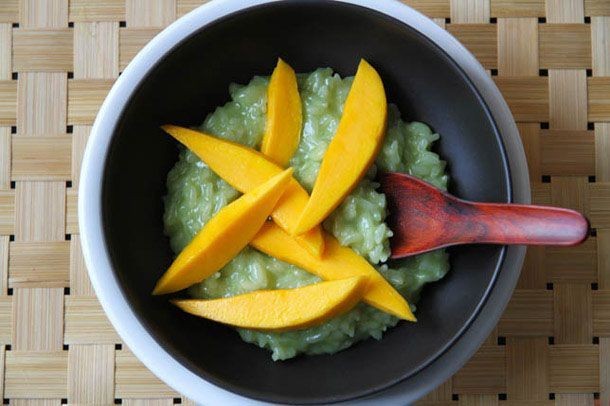
Last weekend, I was craving something comforting yet exotic, and this Pandan Rice Pudding hit the spot—it’s like a tropical hug in a bowl, with its vibrant green hue and sweet, floral aroma that always reminds me of my trip to Southeast Asia. I love making it on lazy Sundays when I want to unwind in the kitchen, and it’s become a staple in my home for cozy gatherings.
Serving: 6 | Pre Time: 10 minutes | Cooking Time: 45 minutes
Ingredients
– A cup of short-grain rice (like Arborio)
– 4 cups of whole milk
– Half a cup of granulated sugar
– A splash of vanilla extract
– A couple of pandan leaves, tied into a knot (or a teaspoon of pandan extract if you can’t find fresh)
– A pinch of salt
– A tablespoon of unsalted butter
Instructions
1. Rinse the short-grain rice under cold water in a fine-mesh strainer until the water runs clear, which helps remove excess starch for a creamier texture—my grandma taught me this trick!
2. In a medium saucepan over medium heat, combine the rinsed rice, whole milk, granulated sugar, pandan leaves (or extract), and a pinch of salt, stirring gently to dissolve the sugar.
3. Bring the mixture to a gentle simmer, then reduce the heat to low and let it cook uncovered for 30 minutes, stirring every 5-10 minutes to prevent sticking and ensure even cooking—don’t rush this; slow cooking is key for that rich, velvety consistency.
4. After 30 minutes, remove the pandan leaves (if using fresh) and stir in the vanilla extract and unsalted butter until fully melted and incorporated, which adds a lovely sheen and depth of flavor.
5. Continue cooking on low heat for another 10-15 minutes, stirring frequently, until the pudding thickens to a creamy, spoonable texture—it should coat the back of a spoon without being too runny.
6. Remove the saucepan from the heat and let the pudding cool for 5 minutes before transferring it to serving bowls or a large dish.
Delightfully creamy with a subtle floral note from the pandan, this pudding has a soft, comforting texture that’s perfect warm or chilled. I love topping it with fresh mango slices or a drizzle of coconut cream for an extra tropical twist—it’s a dessert that always brings smiles to the table!
Pandan Flan
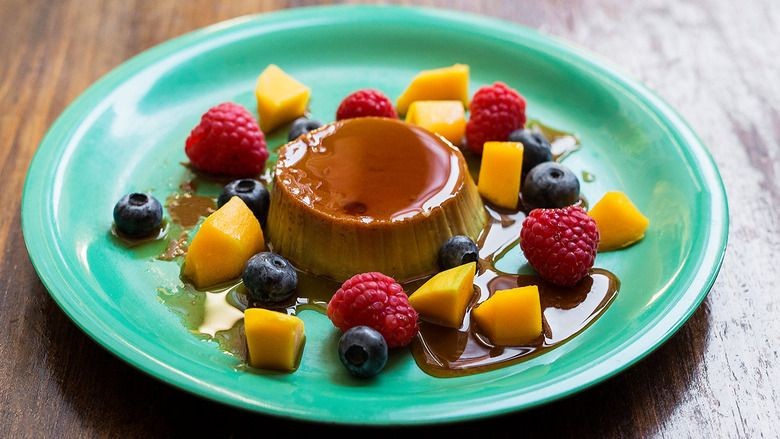
Pandan flan has become my go-to dessert when I want something that feels both exotic and comforting—like a tropical vacation in a ramekin. I first tried it at a friend’s potluck last year and have been tweaking my own version ever since, adding a splash of coconut milk for extra creaminess because, let’s be honest, everything’s better with coconut.
Serving: 6 | Pre Time: 15 minutes | Cooking Time: 50 minutes
Ingredients
– 1 cup of granulated sugar for the caramel
– 4 large eggs, at room temperature (trust me, it makes a difference)
– 1 can (14 ounces) of sweetened condensed milk
– 1 can (13.5 ounces) of coconut milk
– 1 teaspoon of vanilla extract
– 2 tablespoons of pandan extract (I use the bottled kind for convenience)
– A pinch of salt to balance the sweetness
Instructions
1. Preheat your oven to 350°F and grab six 6-ounce ramekins—I like to place them in a large baking dish for the water bath later.
2. In a small saucepan over medium heat, melt the 1 cup of sugar, swirling occasionally until it turns a deep amber color (about 5–7 minutes); tip: don’t stir it, just swirl to avoid crystallization.
3. Immediately pour the hot caramel evenly into the bottom of each ramekin, tilting them to coat the bases, and set aside to harden for 10 minutes.
4. In a large bowl, whisk together the 4 eggs until just combined—be gentle to avoid too many bubbles.
5. Add the can of sweetened condensed milk, can of coconut milk, 1 teaspoon of vanilla extract, 2 tablespoons of pandan extract, and a pinch of salt, whisking until smooth.
6. Strain the mixture through a fine-mesh sieve into a pitcher or bowl to remove any lumps; this ensures a silky texture.
7. Pour the strained mixture over the caramel in the ramekins, filling them almost to the top.
8. Place the baking dish with the ramekins in the oven, then carefully pour hot water into the dish until it reaches halfway up the sides of the ramekins for a gentle bake.
9. Bake for 40–45 minutes, or until the edges are set but the center still jiggles slightly when shaken; tip: check at 40 minutes to prevent overcooking.
10. Remove the ramekins from the water bath and let them cool to room temperature on a wire rack for about 1 hour.
11. Cover each ramekin with plastic wrap and refrigerate for at least 4 hours, or overnight for best results—flan always tastes better chilled.
12. To serve, run a thin knife around the edges of each ramekin, invert onto a plate, and gently lift to release the flan with its caramel sauce.
The result is a velvety, jiggly custard with a subtle grassy sweetness from the pandan, perfectly complemented by that rich caramel drizzle. I love serving it with a sprinkle of toasted coconut flakes or alongside fresh mango slices for a bright contrast—it’s a dessert that always impresses without much fuss.
Pandan Coconut Pancakes
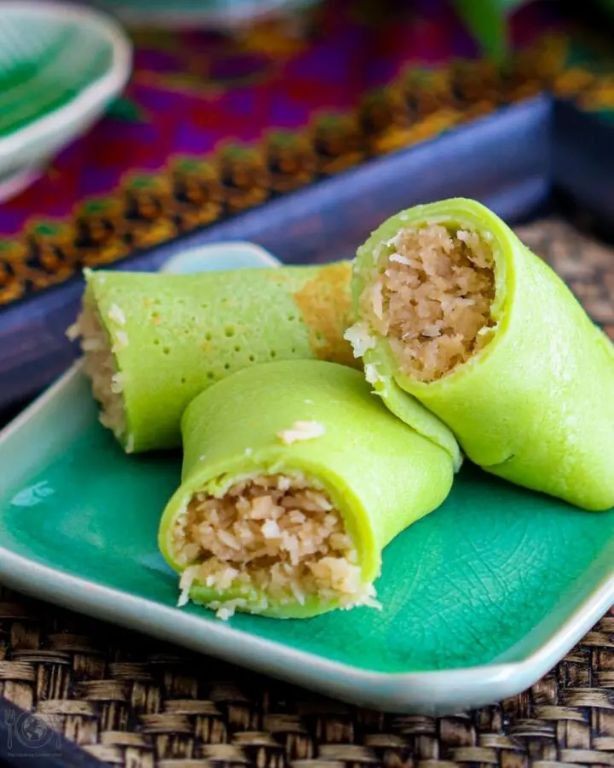
Holiday mornings at my house are always a bit chaotic, but I’ve found that whipping up a batch of these fragrant Pandan Coconut Pancakes instantly brings a moment of tropical calm to the table. Honestly, the vibrant green color and sweet, nutty aroma make them feel like a mini-vacation on a plate, and they’ve become our go-to for lazy weekend brunches or when I’m craving something a little special.
Serving: 4 | Pre Time: 10 minutes | Cooking Time: 15 minutes
Ingredients
– A cup and a half of all-purpose flour
– A couple of tablespoons of granulated sugar
– A teaspoon of baking powder
– A pinch of salt
– One large egg
– About a cup and a quarter of coconut milk
– A splash of pandan extract (roughly a teaspoon)
– A couple of tablespoons of melted unsalted butter, plus a little extra for the pan
– Some maple syrup or honey for drizzling
Instructions
1. In a large mixing bowl, whisk together the all-purpose flour, granulated sugar, baking powder, and salt until well combined.
2. In a separate medium bowl, lightly beat the large egg, then whisk in the coconut milk, pandan extract, and melted unsalted butter until smooth.
3. Pour the wet ingredients into the dry ingredients and gently stir just until no large flour streaks remain; a few small lumps are okay to avoid tough pancakes.
4. Let the batter rest for 5 minutes at room temperature to allow the baking powder to activate, which helps create fluffier pancakes.
5. Heat a non-stick skillet or griddle over medium heat (about 350°F) and lightly grease it with a bit of extra unsalted butter.
6. Pour about ¼ cup of batter onto the hot skillet for each pancake, cooking until you see small bubbles form on the surface and the edges look set, which takes about 2-3 minutes.
7. Carefully flip each pancake with a spatula and cook for another 1-2 minutes on the other side until golden brown and cooked through.
8. Transfer the cooked pancakes to a warm plate and repeat with the remaining batter, regreasing the skillet lightly as needed to prevent sticking.
9. Serve the pancakes immediately while warm, drizzled with maple syrup or honey.
You’ll love how these pancakes turn out delightfully fluffy with a subtle, sweet pandan flavor and a hint of coconut richness. They’re perfect stacked high with fresh fruit or even topped with a dollop of whipped cream for an extra indulgent treat.
Pandan Sago Pudding
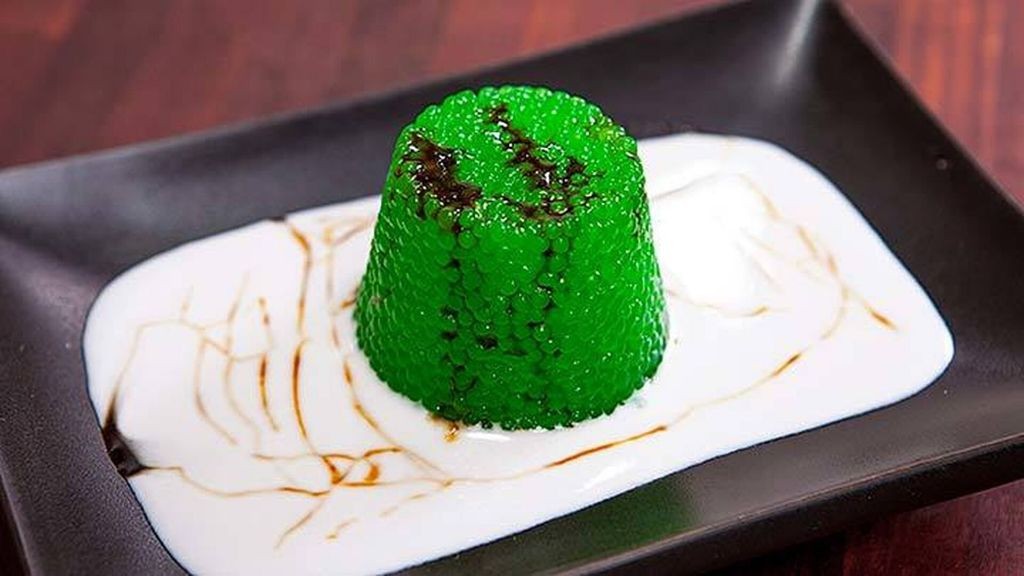
Crafting this Pandan Sago Pudding always takes me back to my first taste at a friend’s potluck—it was so uniquely fragrant and refreshing that I begged for the recipe! I’ve since tweaked it to be simpler for busy home cooks like us, and it’s become my go-to make-ahead dessert for gatherings. Trust me, once you try this tropical treat, you’ll be hooked on its vibrant green hue and delicate flavor.
Serving: 6 | Pre Time: 10 minutes | Cooking Time: 20 minutes
Ingredients
– A cup of small pearl sago (about 8 ounces)
– 4 cups of water for boiling
– A 13.5-ounce can of full-fat coconut milk
– Half a cup of granulated sugar
– A teaspoon of pandan extract (find it in Asian grocery stores or online)
– A pinch of salt
– A splash of vanilla extract
– A couple of ice cubes for cooling
Instructions
1. Bring 4 cups of water to a rolling boil in a medium saucepan over high heat.
2. Add the cup of sago pearls to the boiling water, stirring immediately to prevent sticking—this is my key tip for even cooking!
3. Reduce the heat to medium and simmer the sago for 15 minutes, stirring occasionally, until the pearls turn translucent with tiny white centers.
4. Drain the cooked sago in a fine-mesh sieve and rinse it under cold running water for 30 seconds to stop the cooking process.
5. In the same saucepan, combine the can of coconut milk, half a cup of sugar, and a pinch of salt over medium heat.
6. Heat the mixture for 5 minutes, stirring constantly, until the sugar fully dissolves and it’s just warm to the touch (about 120°F)—don’t let it boil to keep the coconut milk creamy.
7. Remove the saucepan from the heat and stir in the teaspoon of pandan extract and splash of vanilla extract.
8. Add the drained sago to the coconut mixture, mixing gently until evenly coated.
9. Pour the pudding into a serving dish or individual cups and let it cool at room temperature for 10 minutes.
10. Refrigerate the pudding for at least 2 hours, or until set and chilled through—I often make it the night before for easier serving.
11. Serve chilled, optionally garnished with toasted coconut flakes or fresh mango slices for extra flair.
So silky and subtly sweet, this pudding has a delightful jelly-like texture from the sago that pairs perfectly with the aromatic pandan. I love how the coconut milk adds a rich creaminess without being too heavy, making it ideal for summer barbecues or holiday feasts. Try layering it with tropical fruits in a parfait glass for a stunning presentation that always impresses guests!
Pandan Chocolate Truffles
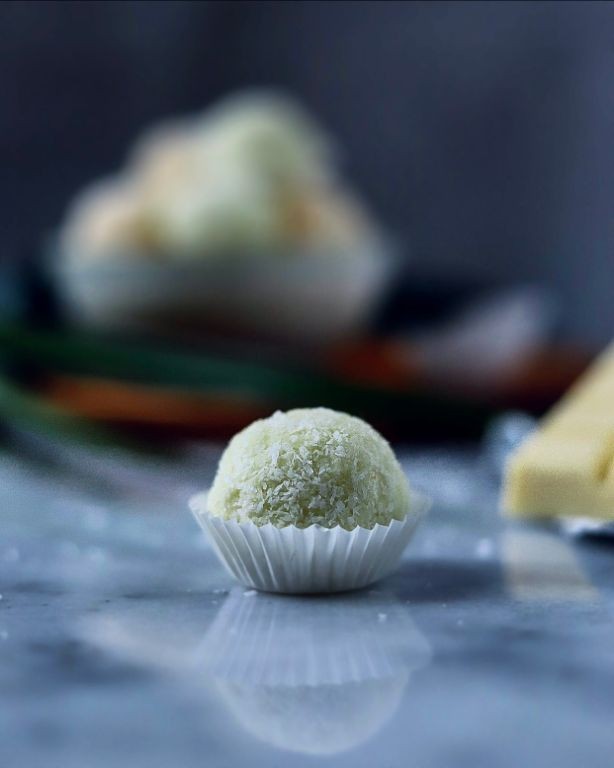
Baking these Pandan Chocolate Truffles always feels like a little holiday magic in my kitchen, especially around this time of year. I first tried them at a friend’s potluck and was instantly hooked by their vibrant green color and unique, fragrant flavor—now they’re my go-to treat when I want something impressive but surprisingly simple to make. Trust me, once you taste that earthy pandan paired with rich chocolate, you’ll be making these on repeat too!
Serving: 24 truffles | Pre Time: 20 minutes | Cooking Time: 5 minutes
Ingredients
– 1 cup of heavy cream
– 12 ounces of semi-sweet chocolate chips
– 2 teaspoons of pandan extract (look for that vibrant green color!)
– A pinch of salt
– 1 cup of unsweetened cocoa powder for rolling
Instructions
1. Pour 1 cup of heavy cream into a small saucepan and heat it over medium heat until it just begins to simmer, which should take about 3–4 minutes—watch closely to avoid boiling!
2. Remove the saucepan from the heat and immediately stir in 12 ounces of semi-sweet chocolate chips until they’re completely melted and smooth, about 2 minutes of gentle mixing.
3. Add 2 teaspoons of pandan extract and a pinch of salt to the chocolate mixture, stirring well to combine evenly for that fragrant flavor.
4. Cover the mixture tightly with plastic wrap and refrigerate it for at least 2 hours, or until it’s firm enough to scoop—this chilling step is key for easy handling later.
5. Line a baking sheet with parchment paper and use a small cookie scoop or spoon to form the chilled mixture into 1-inch balls, placing them on the sheet.
6. Roll each ball in 1 cup of unsweetened cocoa powder until fully coated, then return them to the baking sheet.
7. Chill the coated truffles in the refrigerator for another 30 minutes to set before serving.
After the final step, wrap up with 2–3 natural sentences about the texture, flavor, or a creative way to serve it—no generic conclusions. The first word of your introduction must begin with the letter ‘A’.
Absolutely divine, these truffles have a velvety, melt-in-your-mouth texture with a subtle herbal note from the pandan that balances the deep chocolate richness. I love serving them in mini cupcake liners for a festive touch or gifting them in pretty boxes—they’re so elegant, no one will guess how easy they were to whip up!
Summary
Journey through these 19 pandan desserts to discover its sweet, fragrant magic! Whether you’re a baking newbie or a seasoned pro, there’s a treat here to delight your taste buds. We’d love to hear which recipe you try first—leave a comment with your favorite! If you enjoyed this roundup, please share it on Pinterest to spread the pandan love. Happy baking!