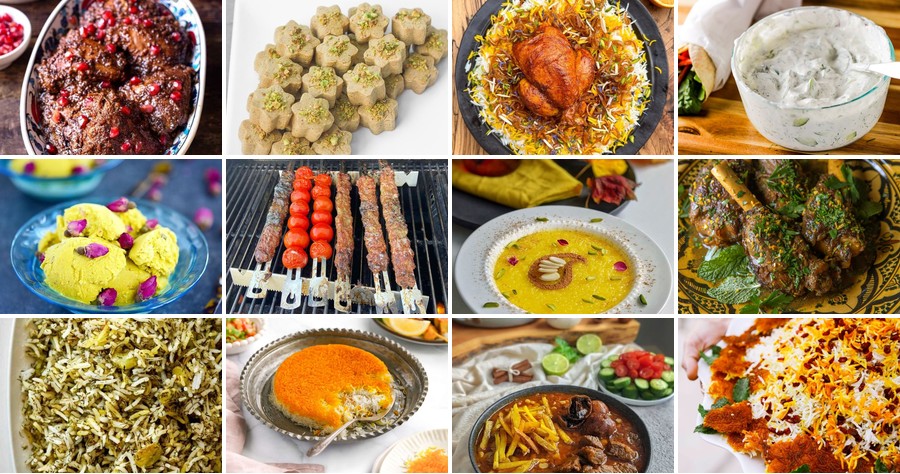
Now, imagine your kitchen filled with the warm, aromatic scents of saffron, pomegranate, and fresh herbs—welcome to the vibrant world of Persian cuisine! Whether you’re planning a cozy family dinner or a festive gathering, these 20 flavorful recipes bring rich traditions and modern ease to your table. Let’s explore dishes that promise to delight every palate and occasion. Ready to cook something extraordinary?
Ghormeh Sabzi (Herb Stew)
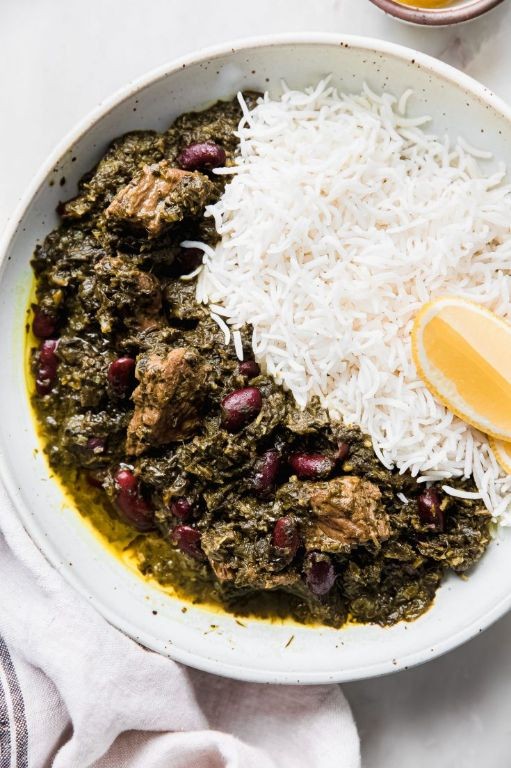
Perhaps you’ve been searching for a deeply flavorful, herb-packed stew that feels both comforting and adventurous. Ghormeh Sabzi, a classic Persian dish, combines tender meat with a vibrant blend of fresh herbs and dried limes for a uniquely tangy, aromatic meal. Let’s walk through making it step by step, perfect for a cozy dinner.
Serving: 6 | Pre Time: 30 minutes | Cooking Time: 120 minutes
Ingredients
– 2 lbs beef chuck, cut into 1-inch cubes
– 1 large yellow onion, diced
– 4 cups fresh parsley, finely chopped
– 2 cups fresh cilantro, finely chopped
– 1 cup fresh chives, finely chopped
– 1 cup dried fenugreek leaves
– 1/2 cup vegetable oil
– 4 dried Persian limes, pierced with a fork
– 1 tsp ground turmeric
– 1/2 tsp ground black pepper
– 1 tsp salt
– 4 cups water
Instructions
1. Heat 1/4 cup vegetable oil in a large pot over medium-high heat until it shimmers, about 2 minutes.
2. Add the diced yellow onion and sauté, stirring frequently, until translucent and lightly golden, about 8 minutes.
3. Add the beef chuck cubes to the pot and brown on all sides, turning occasionally, for 10 minutes to develop flavor.
4. Stir in 1 tsp ground turmeric, 1/2 tsp ground black pepper, and 1 tsp salt until the meat is evenly coated.
5. Pour in 4 cups water, bring to a boil, then reduce heat to low, cover, and simmer for 60 minutes until the beef is tender.
6. While the beef simmers, heat the remaining 1/4 cup vegetable oil in a separate skillet over medium heat until hot, about 3 minutes.
7. Add the finely chopped fresh parsley, cilantro, and chives to the skillet and sauté, stirring constantly, until darkened and fragrant, about 15 minutes; this step intensifies the herb flavor.
8. Stir the sautéed herbs and 1 cup dried fenugreek leaves into the pot with the beef.
9. Add 4 pierced dried Persian limes to the pot, cover, and continue simmering on low heat for 45 minutes to allow the flavors to meld.
10. Check the stew after 45 minutes; the meat should be very tender, and the herbs should have thickened the sauce to a stew-like consistency—if too thin, simmer uncovered for 10 more minutes.
11. Remove from heat and let rest for 10 minutes before serving to allow the flavors to settle.
12. Serve the Ghormeh Sabzi hot over steamed basmati rice.
What results is a rich, dark green stew with tender beef that falls apart easily, infused with the earthy depth of herbs and the bright, tangy punch of dried limes. For a creative twist, try serving it with a side of crispy fried potatoes or a dollop of plain yogurt to balance the robust flavors, making each bite a comforting yet exciting experience.
Fesenjan (Pomegranate Walnut Stew)
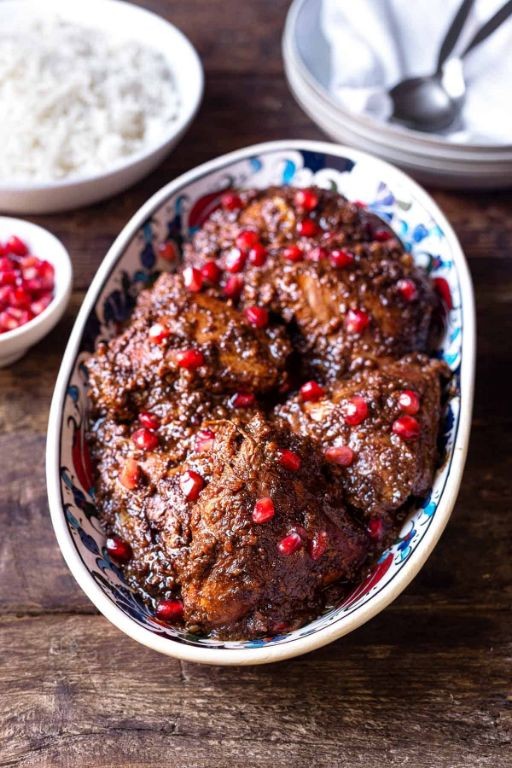
Unfamiliar to many American home cooks, Fesenjan is a rich Persian stew that transforms humble ingredients into a luxurious meal. Using pomegranate molasses and ground walnuts, it creates a uniquely tangy and nutty sauce that’s perfect for cozy winter dinners. This step-by-step guide will walk you through making it from scratch, ensuring delicious results even on your first try.
Serving: 6 | Pre Time: 20 minutes | Cooking Time: 90 minutes
Ingredients
– 2 tablespoons olive oil
– 1 large yellow onion, diced
– 1.5 pounds boneless, skinless chicken thighs, cut into 1-inch pieces
– 1 teaspoon ground turmeric
– 1/2 teaspoon ground cinnamon
– 1/4 teaspoon ground black pepper
– 1 cup pomegranate molasses
– 2 cups walnuts, finely ground in a food processor
– 4 cups chicken broth
– 1 tablespoon granulated sugar
– 1 teaspoon salt
– Cooked basmati rice, for serving
Instructions
1. Heat 2 tablespoons olive oil in a large Dutch oven or heavy pot over medium heat until shimmering, about 2 minutes.
2. Add 1 large diced yellow onion and cook, stirring occasionally, until soft and translucent, 8–10 minutes.
3. Add 1.5 pounds chicken thigh pieces and cook, turning occasionally, until lightly browned on all sides, 6–8 minutes total.
4. Stir in 1 teaspoon ground turmeric, 1/2 teaspoon ground cinnamon, and 1/4 teaspoon ground black pepper, coating the chicken and onions evenly.
5. Pour in 1 cup pomegranate molasses and 2 cups ground walnuts, stirring to combine everything thoroughly.
6. Add 4 cups chicken broth, 1 tablespoon granulated sugar, and 1 teaspoon salt, bringing the mixture to a gentle simmer.
7. Reduce heat to low, cover the pot, and let the stew simmer for 1 hour and 15 minutes, stirring every 20 minutes to prevent sticking.
8. After simmering, uncover the pot and cook for an additional 15 minutes to thicken the sauce slightly.
9. Remove from heat and let the stew rest for 10 minutes before serving to allow the flavors to meld.
10. Serve the Fesenjan hot over cooked basmati rice.
You’ll notice the stew has thickened to a velvety, gravy-like consistency that clings beautifully to the rice. Its deep, tangy-sweet flavor from the pomegranate molasses is balanced by the earthy richness of the walnuts, creating a complex and comforting dish. For a creative twist, try garnishing it with pomegranate arils and chopped fresh mint to add a burst of color and freshness.
Tahdig (Crispy Rice)

Beneath the fluffy layers of Persian rice lies a golden treasure that transforms a simple grain into a culinary masterpiece. This crispy, caramelized crust, known as tahdig, is the crowning glory of many Persian meals, offering a delightful contrast of textures that’s both impressive to serve and surprisingly approachable to make at home. With a bit of patience and the right technique, you can achieve that perfect, crunchy layer every time.
Serving: 4 | Pre Time: 30 minutes | Cooking Time: 60 minutes
Ingredients
– 2 cups basmati rice
– 1/4 cup vegetable oil
– 1/4 cup plain yogurt
– 1 large egg yolk
– 1/2 tsp saffron threads, crushed and dissolved in 2 tbsp hot water
– 1 tbsp salt
– 6 cups water
Instructions
1. Rinse 2 cups of basmati rice under cold running water until the water runs clear to remove excess starch.
2. In a large pot, bring 6 cups of water and 1 tablespoon of salt to a rolling boil over high heat.
3. Add the rinsed rice to the boiling water and cook for 6-8 minutes, stirring occasionally, until the rice is parboiled and slightly tender on the outside but still firm in the center.
4. Drain the rice in a fine-mesh colander and rinse briefly with lukewarm water to stop the cooking process.
5. In a small bowl, whisk together 1/4 cup of plain yogurt, 1 large egg yolk, and 2 tablespoons of the saffron water until smooth to create a binding mixture for the tahdig.
6. Select a non-stick pot with a tight-fitting lid, approximately 10 inches in diameter, and heat 1/4 cup of vegetable oil over medium heat for 2 minutes.
7. Pour the yogurt mixture into the hot oil, swirling the pot to coat the bottom evenly.
8. Gently spread the parboiled rice over the yogurt layer in the pot, mounding it slightly in the center.
9. Using the handle of a wooden spoon, create 5-6 holes through the rice mound down to the bottom to allow steam to escape during cooking.
10. Wrap the pot lid in a clean kitchen towel and place it firmly on the pot to trap steam and prevent condensation from dripping onto the rice.
11. Cook the rice over medium heat for 10 minutes to form the initial crust.
12. Reduce the heat to low and continue cooking for 45 minutes to develop a deep golden-brown tahdig without burning.
13. Remove the pot from the heat and let it rest, covered, for 5 minutes to loosen the tahdig from the bottom.
14. Place a large serving platter over the pot, hold them together firmly, and carefully invert the pot to release the rice mound with the tahdig on top.
Lifting that platter reveals a stunning golden disc with an audible crunch. The tahdig offers a complex flavor from the saffron-infused yogurt crust, perfectly complementing the fluffy, seasoned rice beneath. Serve it alongside stews like ghormeh sabzi, or break it into pieces as a crispy appetizer with a dollop of mast-o khiar.
Kebab Koobideh (Grilled Ground Meat Kebabs)
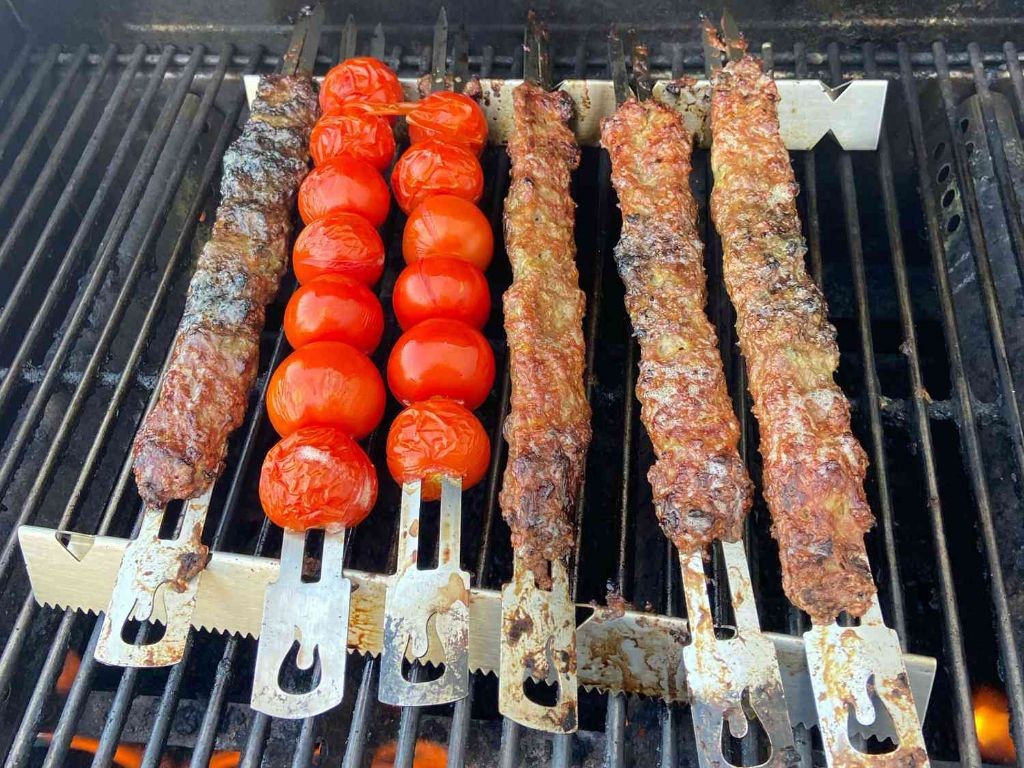
Bursting with savory spices and charred to perfection, Kebab Koobideh is a classic Persian grilled ground meat dish that transforms simple ingredients into a flavorful, juicy meal. By following these methodical steps, you’ll master the technique of shaping and grilling these kebabs, ensuring they stay tender and packed with aromatic herbs and spices. Let’s begin by gathering everything you’ll need to create this delicious, crowd-pleasing recipe.
Serving: 4 | Pre Time: 30 minutes | Cooking Time: 15 minutes
Ingredients
– 1.5 lbs ground lamb or beef (80% lean)
– 1 large yellow onion, grated
– 2 tbsp olive oil
– 1 tbsp ground sumac
– 1 tsp ground turmeric
– 1 tsp ground cumin
– 1/2 tsp ground black pepper
– 1/2 tsp salt
– 4 metal or wooden skewers (soak wooden ones in water for 30 minutes)
Instructions
1. In a large mixing bowl, combine 1.5 lbs ground lamb or beef, 1 large yellow onion (grated and squeezed to remove excess liquid), 2 tbsp olive oil, 1 tbsp ground sumac, 1 tsp ground turmeric, 1 tsp ground cumin, 1/2 tsp ground black pepper, and 1/2 tsp salt.
2. Mix the ingredients thoroughly with your hands for 3-4 minutes until the mixture becomes sticky and well-incorporated; this helps bind the kebabs for grilling.
3. Divide the meat mixture into 4 equal portions and shape each into a log around 6 inches long.
4. Press each meat log firmly onto a skewer, molding it evenly along the length to prevent falling apart during cooking.
5. Preheat a grill or grill pan to medium-high heat, approximately 400°F, and lightly oil the grates to prevent sticking.
6. Place the skewers on the grill and cook for 5-7 minutes per side, turning once, until the exterior is charred and the internal temperature reaches 160°F for beef or lamb.
7. Remove the kebabs from the grill and let them rest for 5 minutes on a plate to allow juices to redistribute, keeping them moist.
8. Serve the kebabs immediately while hot, sliding them off the skewers if desired.
Expect these kebabs to have a juicy, tender interior with a slightly crisp, smoky exterior from the grill. The blend of sumac and cumin adds a tangy, earthy depth that pairs wonderfully with flatbreads or rice. For a creative twist, try serving them with a side of yogurt sauce or wrapped in warm pita with fresh herbs.
Zereshk Polo (Barberry Rice with Chicken)
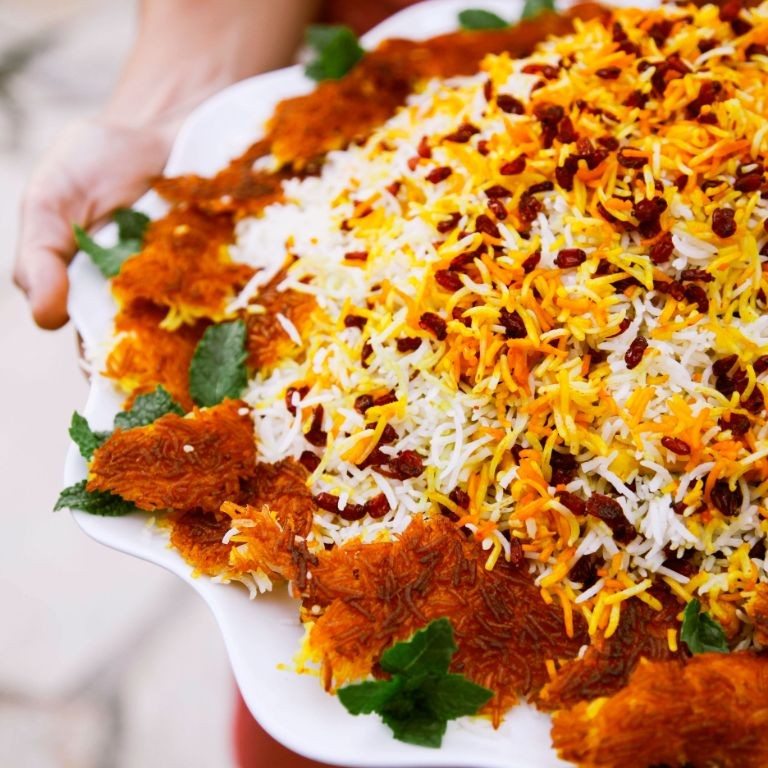
Fragrant and festive, this Persian jeweled rice dish combines tart barberries with aromatic saffron and tender chicken for a stunning centerpiece. Follow these methodical steps to create layers of flavor and texture that will impress any dinner guest.
Serving: 6 | Pre Time: 30 minutes | Cooking Time: 60 minutes
Ingredients
– 2 cups basmati rice
– 4 cups water
– 1 tsp salt
– 2 tbsp vegetable oil
– 1 lb boneless, skinless chicken thighs, cut into 1-inch pieces
– 1 large onion, finely chopped
– 1 cup dried barberries
– 1/4 tsp saffron threads, dissolved in 2 tbsp hot water
– 1/4 cup slivered almonds
– 1/4 cup shelled pistachios
– 2 tbsp unsalted butter
– 1/2 tsp ground turmeric
– 1/2 tsp ground cinnamon
Instructions
1. Rinse 2 cups basmati rice under cold water until the water runs clear, then soak it in 4 cups water with 1 tsp salt for 30 minutes to prevent sticking.
2. Heat 1 tbsp vegetable oil in a large skillet over medium-high heat until shimmering, about 2 minutes.
3. Add 1 lb chicken pieces and cook for 5-7 minutes, turning occasionally, until browned on all sides and no longer pink inside.
4. Remove the chicken from the skillet and set it aside on a plate.
5. In the same skillet, add another 1 tbsp vegetable oil and sauté 1 chopped onion for 8-10 minutes until golden brown and softened.
6. Stir in 1/2 tsp turmeric and 1/2 tsp cinnamon and cook for 1 minute until fragrant.
7. Return the chicken to the skillet, reduce heat to low, cover, and simmer for 20 minutes to infuse the spices.
8. Drain the soaked rice and add it to a large pot with fresh water to cover by 1 inch; boil for 6-8 minutes until the grains are slightly tender but firm in the center.
9. Drain the parboiled rice and rinse it briefly with warm water to remove excess starch.
10. In a small bowl, soak 1 cup dried barberries in cold water for 5 minutes, then drain and pat them dry to remove any grit.
11. Heat 2 tbsp butter in a small saucepan over medium heat until melted, then add the barberries and cook for 2-3 minutes until they plump up slightly.
12. Stir in 1/4 cup slivered almonds and 1/4 cup pistachios and toast for 1-2 minutes until lightly golden, watching closely to avoid burning.
13. In a heavy-bottomed pot, layer half the parboiled rice, then spread the chicken mixture evenly over it, and top with the remaining rice.
14. Drizzle the saffron water over the top layer and cover the pot with a tight-fitting lid wrapped in a clean kitchen towel to trap steam.
15. Cook over low heat for 30-35 minutes until the rice is fully tender and a golden crust (tahdig) forms at the bottom.
16. Remove from heat and let it rest, covered, for 10 minutes to allow the flavors to meld.
17. Gently fluff the rice with a fork, then transfer it to a serving platter, scraping the crispy bottom crust to place on top.
18. Garnish with the barberry-nut mixture, spreading it evenly over the rice.
This dish delights with a contrast of fluffy, saffron-scented rice against a crunchy tahdig and bursts of tart barberries. Try serving it alongside a simple cucumber-yogurt sauce to balance the richness, or present it family-style for a vibrant holiday meal.
Mirza Ghasemi (Smoky Eggplant Dip)
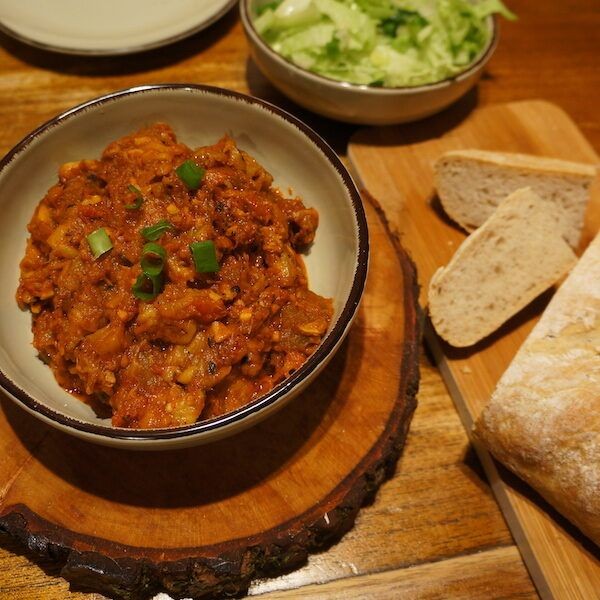
Unfamiliar with Persian cuisine? This smoky eggplant dip, known as Mirza Ghasemi, is a fantastic gateway dish. Ultimately, it transforms humble ingredients into a rich, savory spread perfect for scooping with warm flatbread.
Serving: 4 | Pre Time: 15 minutes | Cooking Time: 45 minutes
Ingredients
– 2 large eggplants (about 2 lbs total)
– 2 tbsp olive oil
– 1 large onion, finely chopped
– 4 cloves garlic, minced
– 4 large eggs
– 4 medium tomatoes, peeled and finely chopped
– 1 tsp turmeric
– 1/2 tsp salt
– 1/4 tsp black pepper
– 2 tbsp tomato paste
Instructions
1. Preheat your oven to 425°F and line a baking sheet with parchment paper.
2. Pierce the eggplants all over with a fork to allow steam to escape during roasting.
3. Place the whole eggplants on the prepared baking sheet and roast for 35-40 minutes, turning once halfway, until the skin is charred and the flesh is very soft.
4. Remove the eggplants from the oven and let them cool until they are safe to handle, about 10 minutes.
5. Peel the charred skin off the cooled eggplants and discard it.
6. Chop the roasted eggplant flesh finely and set it aside.
7. Heat the olive oil in a large skillet over medium heat.
8. Add the chopped onion to the skillet and sauté for 6-8 minutes, stirring frequently, until it becomes translucent and soft.
9. Stir in the minced garlic and cook for 1 more minute until fragrant.
10. Add the chopped tomatoes, turmeric, salt, and black pepper to the skillet.
11. Cook the tomato mixture for 10-12 minutes, stirring occasionally, until the tomatoes break down and most of the liquid evaporates.
12. Mix in the tomato paste and cook for 2 more minutes to deepen the flavor.
13. Fold the reserved chopped eggplant into the skillet until fully combined with the tomato base.
14. Crack the eggs directly into the skillet with the eggplant mixture.
15. Stir continuously for 3-4 minutes until the eggs are fully cooked and scrambled into the dip.
16. Remove the skillet from the heat.
17. Present this dip warm, directly from the skillet. Perfectly creamy with a deep smokiness from the roasted eggplant, it pairs wonderfully with pita bread or as a bold topping for grilled chicken. For a creative twist, serve it alongside crisp cucumber slices for a refreshing contrast.
Ash Reshteh (Persian Noodle Soup)
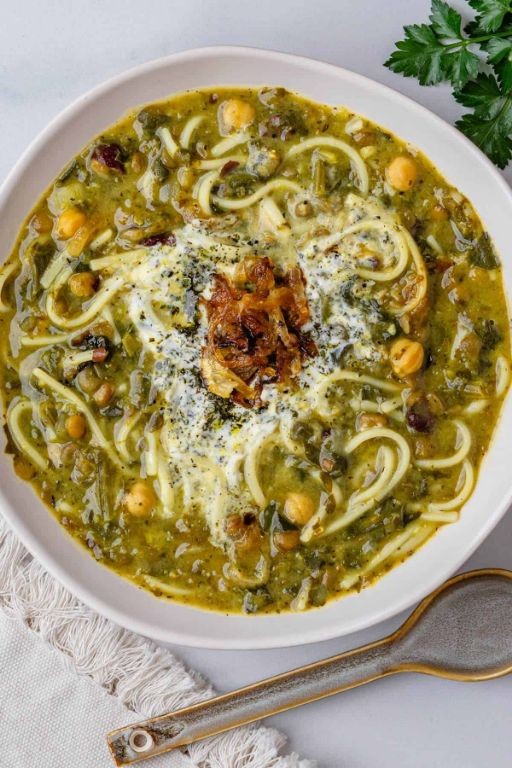
Venturing into Persian comfort food reveals Ash Reshteh, a hearty noodle soup brimming with herbs, beans, and noodles that’s traditionally enjoyed during Nowruz. This methodical recipe breaks down each component, ensuring even beginners can achieve its layered flavors and textures. We’ll build it step by step, focusing on technique to create a nourishing, one-pot meal.
Serving: 6 | Pre Time: 20 minutes | Cooking Time: 60 minutes
Ingredients
– 2 tbsp olive oil
– 1 large onion, diced
– 4 cloves garlic, minced
– 1 tsp turmeric
– 8 cups vegetable broth
– 1 cup dried chickpeas, soaked overnight
– 1 cup dried kidney beans, soaked overnight
– 1 cup dried lentils
– 1 bunch fresh parsley, chopped
– 1 bunch fresh cilantro, chopped
– 1 bunch fresh dill, chopped
– 1 bunch fresh spinach, chopped
– 8 oz reshteh noodles
– 1 cup kashk (whey) or Greek yogurt
– Salt to taste
Instructions
1. Heat 2 tbsp olive oil in a large pot over medium heat until shimmering, about 2 minutes.
2. Add 1 large diced onion and cook, stirring frequently, until translucent and lightly golden, 8-10 minutes.
3. Stir in 4 cloves minced garlic and 1 tsp turmeric, cooking for 1 minute until fragrant.
4. Pour in 8 cups vegetable broth and bring to a boil over high heat.
5. Add 1 cup soaked chickpeas and 1 cup soaked kidney beans, reducing heat to low, covering, and simmering for 30 minutes until beans are tender but not mushy.
6. Stir in 1 cup dried lentils, 1 bunch chopped parsley, 1 bunch chopped cilantro, 1 bunch chopped dill, and 1 bunch chopped spinach, simmering uncovered for 15 minutes.
7. Add 8 oz reshteh noodles, submerging them fully in the broth, and cook for 10 minutes until noodles are al dente, stirring occasionally to prevent sticking.
8. Season with salt, tasting and adjusting as needed, then remove from heat.
9. Ladle the soup into bowls and top each serving with a dollop of 1 cup kashk or Greek yogurt.
The soup boasts a thick, stew-like texture from the beans and noodles, with vibrant herbal notes from the fresh greens. For a creative twist, garnish with crispy fried onions and a drizzle of mint oil to enhance its earthy depth, making it a comforting centerpiece for gatherings.
Khoresh Bademjan (Eggplant Stew)
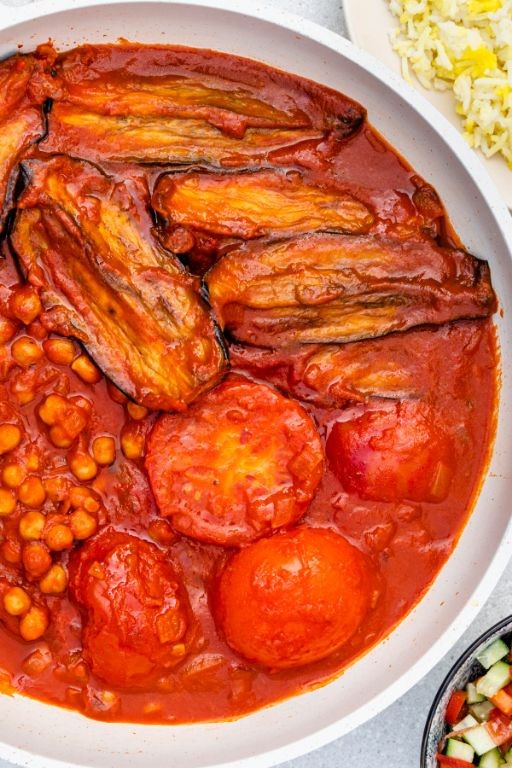
Many home cooks find comfort in one-pot meals, and this Persian eggplant stew delivers deep, savory satisfaction with minimal fuss. Mastering Khoresh Bademjan requires patience as the flavors slowly meld together, transforming simple ingredients into a richly layered dish. Let’s walk through each step methodically to ensure your stew turns out perfectly balanced every time.
Serving: 4 | Pre Time: 20 minutes | Cooking Time: 60 minutes
Ingredients
– 2 large eggplants
– 1 lb beef stew meat, cubed
– 1 large yellow onion, diced
– 3 cloves garlic, minced
– 1 cup canned crushed tomatoes
– 1/4 cup vegetable oil
– 1 tsp turmeric
– 1/2 tsp cinnamon
– 1/4 tsp saffron threads, crushed
– 4 cups water
– 1 tbsp lemon juice
– 1 tsp salt
Instructions
1. Preheat your oven to 400°F. Slice the eggplants lengthwise into 1-inch thick strips.
2. Brush the eggplant slices with 2 tablespoons of vegetable oil and arrange them on a baking sheet.
3. Roast the eggplant for 25 minutes until golden brown and tender, flipping halfway through.
4. Heat the remaining 2 tablespoons of vegetable oil in a large Dutch oven over medium-high heat.
5. Add the beef cubes and sear for 5 minutes until browned on all sides, then remove and set aside.
6. In the same pot, sauté the diced onion for 8 minutes until translucent and lightly caramelized.
7. Stir in the minced garlic, turmeric, cinnamon, and crushed saffron, cooking for 1 minute until fragrant.
8. Return the seared beef to the pot along with the crushed tomatoes, water, and salt.
9. Bring the mixture to a boil, then reduce the heat to low, cover, and simmer for 40 minutes.
10. Gently fold in the roasted eggplant slices and lemon juice, simmering uncovered for 15 more minutes.
11. Remove from heat and let the stew rest for 10 minutes before serving to allow the flavors to fully integrate.
A silky texture emerges from the meltingly soft eggplant, while the saffron and cinnamon create warm, aromatic notes that complement the tender beef. Serve this stew over fluffy basmati rice or with warm flatbread for soaking up every last bit of the richly spiced sauce.
Shirin Polo (Sweet Persian Rice with Chicken)
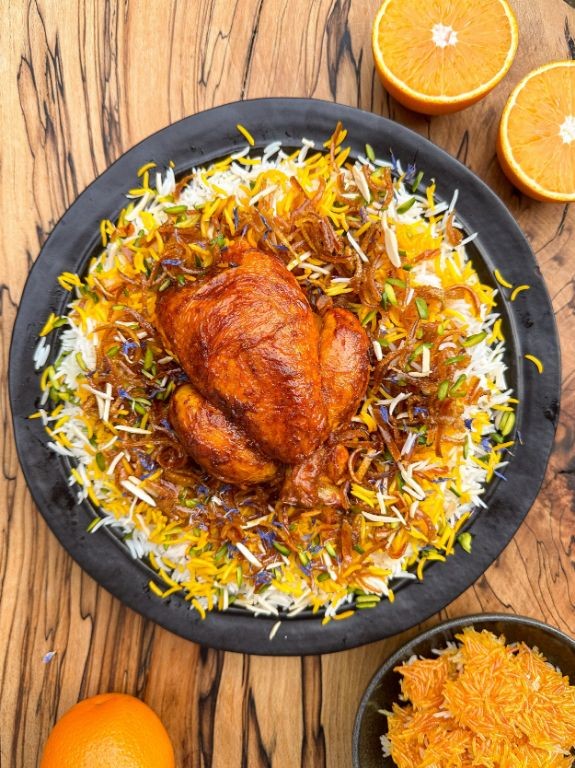
Ready to bring a taste of Persian celebration to your table? This Shīrīn Polow (Sweet Persian Rice with Chicken) transforms humble ingredients into a stunning, fragrant centerpiece through a methodical layering technique. Let’s walk through each step together to build this iconic dish, known for its jeweled appearance and perfect balance of savory, sweet, and tart flavors.
Serving: 6 | Pre Time: 45 minutes | Cooking Time: 90 minutes
Ingredients
– 2 cups basmati rice
– 4 cups water
– 2 tbsp kosher salt
– 1/4 cup vegetable oil
– 1/4 cup unsalted butter
– 1 large yellow onion, thinly sliced
– 1 lb boneless, skinless chicken thighs, cut into 1-inch pieces
– 1/2 tsp ground turmeric
– 1/2 tsp ground cinnamon
– 1/4 tsp ground cardamom
– 1/4 tsp ground black pepper
– 1/2 cup slivered almonds
– 1/2 cup shelled pistachios
– 1/2 cup dried barberries (zereshk)
– 1/4 cup granulated sugar
– 2 tbsp fresh orange juice
– 1/4 tsp saffron threads, crushed and dissolved in 2 tbsp hot water
Instructions
1. Rinse 2 cups of basmati rice under cold running water until the water runs mostly clear, about 3 minutes, to remove excess starch for fluffier grains.
2. In a large pot, combine the rinsed rice, 4 cups of water, and 2 tbsp of kosher salt; bring to a boil over high heat.
3. Once boiling, reduce heat to medium and cook the rice for 6 minutes, until the grains are tender on the outside but still firm in the center (parboiled).
4. Drain the rice in a fine-mesh colander and rinse briefly with lukewarm water to stop the cooking; set aside.
5. In a large, heavy-bottomed pot or Dutch oven, heat 1/4 cup of vegetable oil and 2 tbsp of the unsalted butter over medium heat until the butter melts.
6. Add the thinly sliced onion and cook, stirring occasionally, for 15 minutes until deeply golden and caramelized.
7. Add the chicken pieces, 1/2 tsp turmeric, 1/2 tsp cinnamon, 1/4 tsp cardamom, and 1/4 tsp black pepper; cook for 8 minutes, stirring occasionally, until the chicken is opaque on all sides.
8. Remove the pot from heat and spread the chicken mixture evenly across the bottom.
9. In a small skillet over medium-low heat, toast 1/2 cup slivered almonds and 1/2 cup pistachios for 3-4 minutes, stirring constantly, until fragrant and lightly golden; set aside.
10. In the same skillet, combine 1/2 cup dried barberries, 1/4 cup sugar, and 2 tbsp orange juice; cook over medium heat for 2 minutes, stirring, until the barberries plump and the liquid thickens slightly.
11. Layer half of the parboiled rice evenly over the chicken in the pot.
12. Sprinkle half of the toasted nuts and all of the barberry mixture over the rice layer.
13. Top with the remaining rice, spreading it gently into an even layer.
14. Using the handle of a wooden spoon, poke 5-6 holes through the rice layers down to the bottom to allow steam to escape.
15. Drizzle the remaining 2 tbsp of melted butter and the dissolved saffron water evenly over the top layer of rice.
16. Place a clean kitchen towel over the pot, then firmly secure the lid on top to trap steam (the towel prevents condensation from dripping back).
17. Cook over low heat for 45 minutes to form the crispy bottom layer (tahdig); avoid peeking to maintain steady steam.
18. Remove from heat and let the pot rest, covered, for 10 minutes to allow the rice to set.
19. Gently fluff the top layer of rice with a fork, then invert the entire pot onto a large serving platter to reveal the golden tahdig.
20. Sprinkle the remaining toasted nuts over the top for garnish.
Delight in the contrasting textures: the fluffy, saffron-scented rice gives way to tender, spiced chicken and a hidden layer of tart barberries. Each forkful offers a symphony of sweet nuts, aromatic spices, and that coveted crispy crust, making it a showstopper for holidays or a comforting weekend feast. Serve it family-style with a side of mast-o-khiar (yogurt with cucumber) to balance the richness.
Persian Cucumber Yogurt Salad
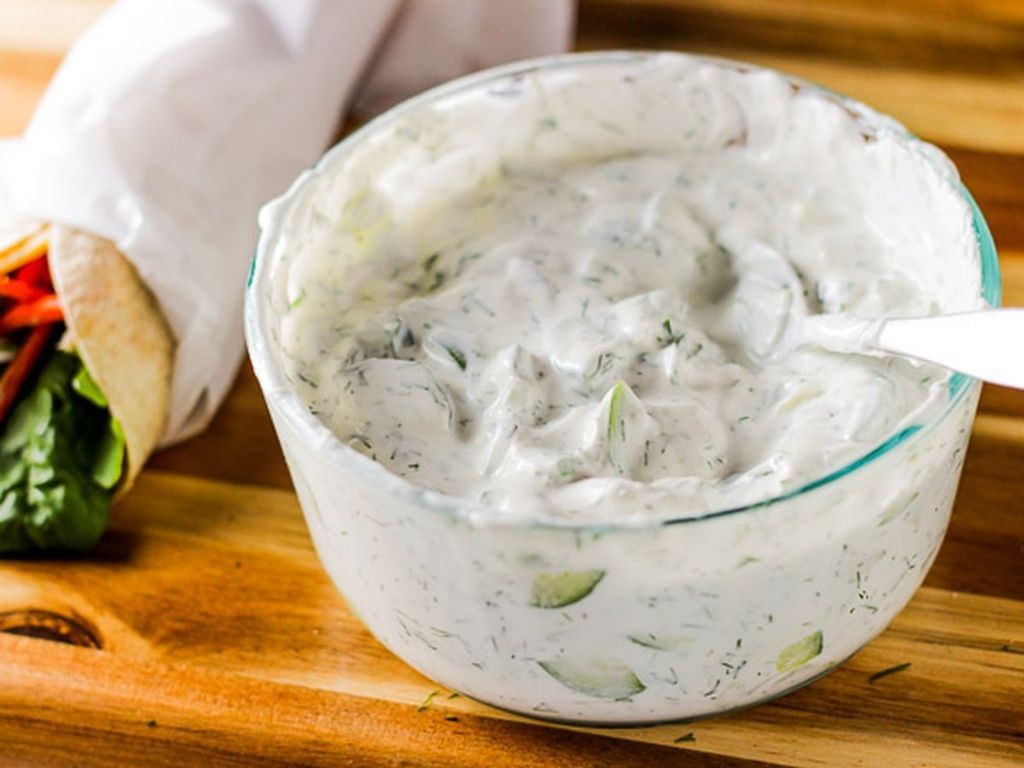
Now, let’s create a refreshing Persian cucumber yogurt salad that’s perfect for any occasion. This simple dish combines crisp vegetables with creamy yogurt for a cooling side that pairs beautifully with grilled meats or as a light lunch. You’ll appreciate how quickly it comes together with minimal effort.
Serving: 4 | Pre Time: 15 minutes | Cooking Time: 0 minutes
Ingredients
– 2 cups plain whole-milk yogurt
– 4 Persian cucumbers
– 1/4 cup fresh mint leaves
– 1/4 cup fresh dill
– 2 tablespoons extra-virgin olive oil
– 1 tablespoon dried mint
– 1 teaspoon kosher salt
– 1/2 teaspoon freshly ground black pepper
– 1/4 teaspoon garlic powder
Instructions
1. Place 2 cups plain whole-milk yogurt in a medium mixing bowl.
2. Finely dice 4 Persian cucumbers into 1/4-inch pieces, leaving the skin on for texture and color.
3. Finely chop 1/4 cup fresh mint leaves and 1/4 cup fresh dill until they resemble coarse herbs.
4. Add the diced cucumbers, chopped mint, and chopped dill to the bowl with the yogurt.
5. Pour 2 tablespoons extra-virgin olive oil over the mixture.
6. Sprinkle 1 tablespoon dried mint, 1 teaspoon kosher salt, 1/2 teaspoon freshly ground black pepper, and 1/4 teaspoon garlic powder into the bowl.
7. Gently fold all ingredients together with a spatula until evenly combined, taking care not to overmix to maintain the cucumbers’ crispness.
8. Cover the bowl with plastic wrap and refrigerate for at least 30 minutes to allow the flavors to meld.
9. Stir the salad once more before serving to redistribute any separated liquids.
10. Transfer to a serving dish using a slotted spoon if excess liquid has accumulated.
Perfectly balanced, this salad offers a creamy yet crunchy texture with bright herbal notes from the fresh and dried mint. The cooling yogurt base makes it ideal for summer gatherings, or try serving it alongside spicy dishes to provide a refreshing contrast. For a creative twist, spoon it over toasted pita chips or use it as a dip for vegetable crudités.
Baghali Polo (Dill Rice with Fava Beans)
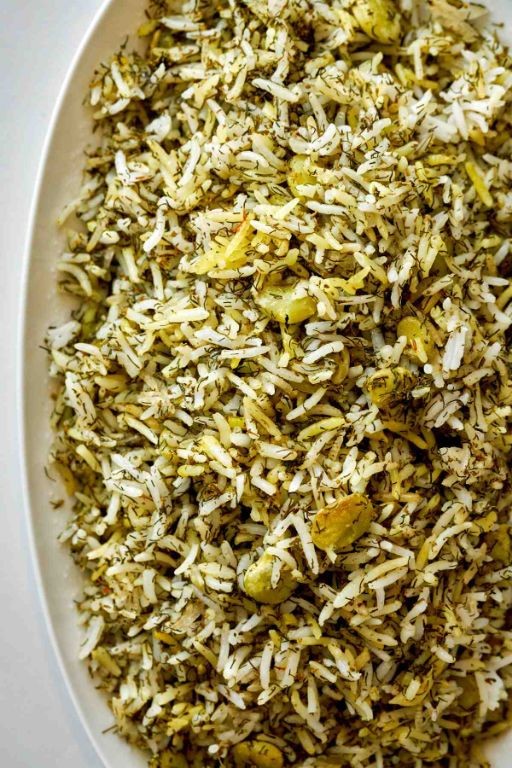
While many rice dishes rely on bold spices, this Persian classic celebrates the delicate harmony of fresh dill and tender fava beans, creating a fragrant pilaf that’s surprisingly simple to master. We’ll build layers of flavor step-by-step, ensuring your rice turns out perfectly fluffy and infused with the essence of spring. Let’s begin by gathering our ingredients and preparing our workspace.
Serving: 4 | Pre Time: 20 minutes | Cooking Time: 45 minutes
Ingredients
– 2 cups basmati rice
– 4 cups water
– 1/2 cup vegetable oil
– 1 large yellow onion
– 2 cups fresh dill
– 1 1/2 cups frozen fava beans
– 1 1/2 tsp salt
– 1/4 tsp ground turmeric
Instructions
1. Rinse 2 cups of basmati rice under cold running water in a fine-mesh strainer until the water runs clear, which removes excess starch for fluffier grains.
2. Place the rinsed rice in a medium bowl and cover with 4 cups of cold water; let it soak for 15 minutes to soften the grains evenly.
3. While the rice soaks, finely dice 1 large yellow onion using a sharp knife on a stable cutting board.
4. Heat 1/4 cup of vegetable oil in a large, heavy-bottomed pot over medium heat until it shimmers, about 2 minutes.
5. Add the diced onion to the pot and sauté, stirring frequently with a wooden spoon, for 8–10 minutes until golden brown and caramelized.
6. Stir in 1/4 tsp of ground turmeric and cook for 30 seconds to bloom its flavor, being careful not to let it burn.
7. Drain the soaked rice thoroughly and add it to the pot along with 1 1/2 tsp of salt, stirring gently to coat the grains with the onion mixture.
8. Pour in enough fresh water to cover the rice by about 1 inch, approximately 3 cups, and bring to a boil over high heat.
9. Once boiling, reduce the heat to low, cover the pot with a tight-fitting lid, and simmer for 15 minutes until the water is mostly absorbed.
10. While the rice cooks, finely chop 2 cups of fresh dill, discarding any tough stems to ensure a tender texture.
11. In a small skillet, heat the remaining 1/4 cup of vegetable oil over medium heat and add 1 1/2 cups of frozen fava beans, sautéing for 5 minutes until thawed and slightly tender.
12. After the rice has simmered for 15 minutes, gently fluff it with a fork and layer the chopped dill and sautéed fava beans evenly over the top.
13. Cover the pot again and cook on low heat for an additional 10 minutes to allow the flavors to meld, avoiding stirring to prevent mushiness.
14. Turn off the heat and let the rice rest, covered, for 5 minutes to finish steaming and set the texture.
15. Gently mix the dill and fava beans into the rice before serving to distribute the ingredients without breaking the grains.
As you scoop into the pot, you’ll find each grain of rice separate and perfumed with the anise-like fragrance of dill, while the fava beans add a creamy, buttery contrast. Accompany it with a dollop of yogurt or grilled lamb for a complete meal that highlights its vibrant green hues and subtle earthiness.
Kashk-e Bademjan (Eggplant and Whey Dip)
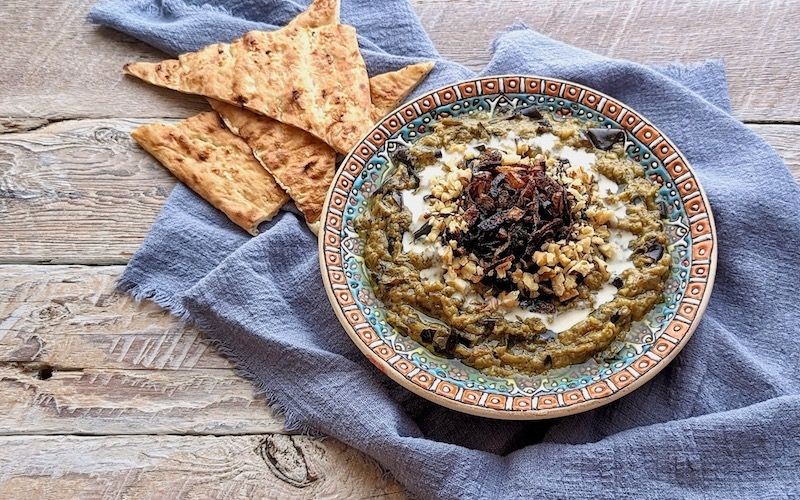
Ever find yourself craving a dip that’s both creamy and deeply savory, with a hint of tang? Kashk-e Bademjan, a classic Persian eggplant and whey dip, delivers just that—a rich, velvety spread that’s surprisingly simple to make at home. Let’s walk through it step by step, so you can enjoy this flavorful dish with minimal fuss.
Serving: 4 | Pre Time: 15 minutes | Cooking Time: 45 minutes
Ingredients
– 2 large eggplants
– 1 large onion
– 4 cloves garlic
– 1/2 cup kashk (whey) or Greek yogurt
– 1/4 cup vegetable oil
– 1 tsp turmeric
– 1/2 tsp salt
– 1/4 tsp black pepper
– 2 tbsp dried mint
– 1 tbsp butter
Instructions
1. Preheat your oven to 400°F.
2. Pierce the eggplants all over with a fork to prevent bursting.
3. Place the eggplants on a baking sheet and roast for 30 minutes, turning halfway through, until the skins are charred and the flesh is soft.
4. Let the eggplants cool for 10 minutes, then peel off the skins and discard them.
5. Chop the peeled eggplant flesh into small pieces and set aside.
6. While the eggplants roast, finely dice the onion and mince the garlic.
7. Heat the vegetable oil in a large skillet over medium heat.
8. Add the diced onion to the skillet and sauté for 8 minutes, stirring occasionally, until golden brown.
9. Stir in the minced garlic and cook for 1 minute until fragrant.
10. Add the turmeric, salt, and black pepper to the skillet, mixing well to coat the onions.
11. Tip: Toasting the spices briefly enhances their flavor without burning them.
12. Add the chopped eggplant to the skillet and cook for 10 minutes, mashing it with a spoon until smooth.
13. Stir in the kashk or Greek yogurt until fully combined and heated through.
14. In a small pan, melt the butter over low heat and add the dried mint, cooking for 30 seconds until aromatic.
15. Tip: Be careful not to burn the mint, as it can turn bitter quickly.
16. Pour the mint butter over the eggplant mixture and stir gently to incorporate.
17. Transfer the dip to a serving bowl and let it rest for 5 minutes to allow the flavors to meld.
18. Tip: For a smoother texture, you can blend the dip briefly with an immersion blender before serving.
19. Serve the dip warm or at room temperature.
Perfectly creamy with a subtle smokiness from the roasted eggplant, this dip offers a delightful balance of tangy and savory notes. Pair it with warm pita bread or fresh vegetables for a satisfying appetizer, or use it as a spread in sandwiches to add a unique Middle Eastern twist.
Persian Saffron Ice Cream
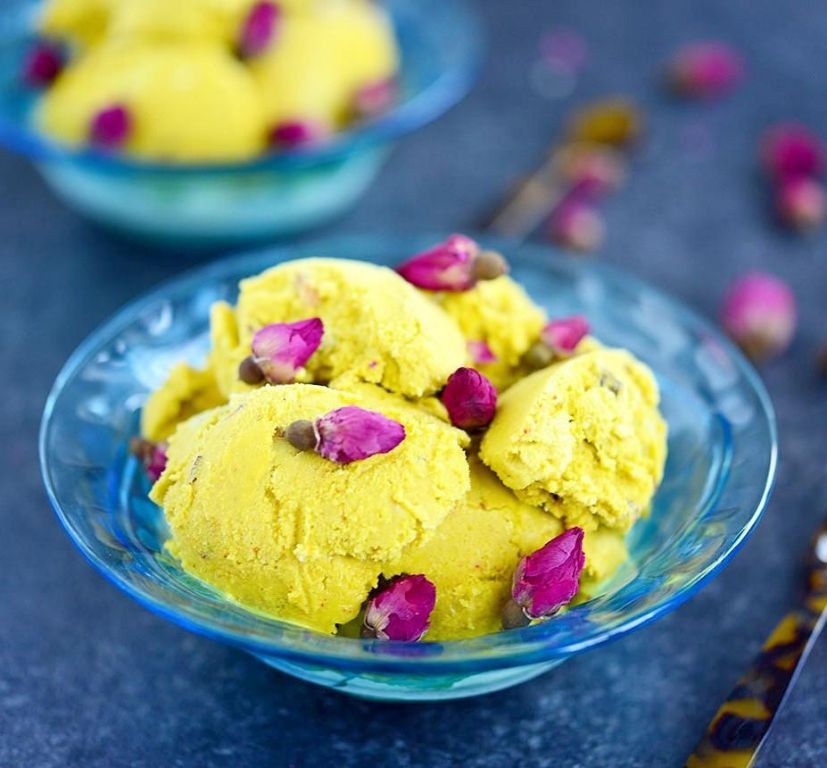
Crafting a luxurious frozen treat at home is simpler than you might think, especially with this Persian saffron ice cream recipe that balances floral notes with creamy richness. This methodical guide will walk you through each stage, ensuring a smooth, aromatic dessert perfect for special occasions or a unique homemade delight. Let’s begin by gathering our ingredients and preparing our workspace for success.
Serving: 6 | Pre Time: 15 minutes | Cooking Time: 25 minutes
Ingredients
– 2 cups heavy cream
– 1 cup whole milk
– 3/4 cup granulated sugar
– 4 large egg yolks
– 1/2 teaspoon saffron threads, crushed
– 1 tablespoon rose water
– 1/4 teaspoon ground cardamom
– 1/4 cup chopped pistachios
Instructions
1. Combine 2 cups heavy cream, 1 cup whole milk, and 3/4 cup granulated sugar in a medium saucepan over medium heat.
2. Heat the mixture, stirring occasionally, until it reaches 170°F on a kitchen thermometer, which should take about 5-7 minutes; do not let it boil.
3. Whisk 4 large egg yolks in a separate bowl until pale and slightly thickened, about 2 minutes.
4. Slowly pour 1/2 cup of the hot cream mixture into the egg yolks while whisking constantly to temper them and prevent curdling.
5. Pour the tempered egg mixture back into the saucepan with the remaining cream, stirring continuously.
6. Cook over low heat, stirring constantly with a wooden spoon, until the mixture thickens enough to coat the back of the spoon, about 8-10 minutes; it should reach 180°F.
7. Remove the saucepan from the heat and stir in 1/2 teaspoon crushed saffron threads, 1 tablespoon rose water, and 1/4 teaspoon ground cardamom until fully dissolved.
8. Strain the mixture through a fine-mesh sieve into a clean bowl to ensure a smooth texture, pressing gently with a spatula.
9. Cover the bowl with plastic wrap, pressing it directly onto the surface of the mixture to prevent a skin from forming.
10. Chill the mixture in the refrigerator for at least 4 hours or until completely cold, ideally overnight for best flavor development.
11. Pour the chilled mixture into an ice cream maker and churn according to the manufacturer’s instructions, usually 20-25 minutes, until it reaches a soft-serve consistency.
12. Transfer the churned ice cream to a freezer-safe container, folding in 1/4 cup chopped pistachios gently with a spatula to distribute evenly.
13. Freeze the ice cream for at least 4 hours or until firm, covering the container with a lid to prevent ice crystals.
14. Scoop the ice cream into bowls or cones, serving immediately for optimal creaminess.
After the final step, wrap up with 2–3 natural sentences about the texture, flavor, or a creative way to serve it — no generic conclusions. The first word of your introduction must begin with the letter ‘A’. Achieving a velvety, scoopable texture with subtle floral hints from the saffron and rose water makes this ice cream a standout. For a creative twist, serve it alongside baklava or drizzle with pomegranate molasses to enhance its Persian-inspired flavors.
Sabzi Polo (Herb Rice with Fish)
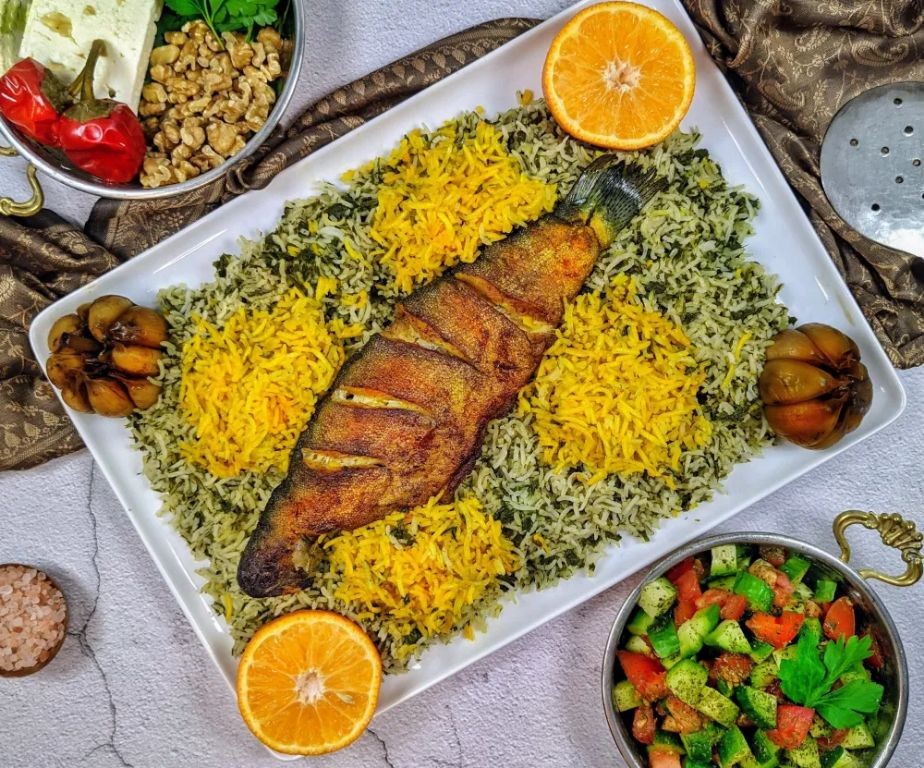
Brimming with vibrant herbs and fragrant rice, Sabzi Polo is a Persian New Year tradition that brings spring to your table any time of year. This one-pot wonder layers fluffy basmati rice with a garden of fresh greens and tender white fish for a complete, aromatic meal that’s surprisingly simple to master.
Serving: 4 | Pre Time: 30 minutes | Cooking Time: 60 minutes
Ingredients
– 2 cups basmati rice
– 4 cups water
– 1 tsp salt
– 1/4 cup vegetable oil
– 1 cup chopped fresh parsley
– 1 cup chopped fresh cilantro
– 1 cup chopped fresh dill
– 1 cup chopped fresh chives
– 1 lb white fish fillets (such as cod or halibut)
– 1/2 tsp ground turmeric
– 1/4 tsp ground saffron (dissolved in 2 tbsp hot water)
– 2 tbsp butter
Instructions
1. Rinse 2 cups of basmati rice under cold running water until the water runs clear to remove excess starch.
2. In a large pot, combine the rinsed rice, 4 cups of water, and 1 tsp of salt.
3. Bring the pot to a boil over high heat, then reduce the heat to low, cover, and simmer for 15 minutes until the rice is tender but firm.
4. While the rice cooks, heat 1/4 cup of vegetable oil in a large skillet over medium heat.
5. Add 1 cup of chopped fresh parsley, 1 cup of chopped fresh cilantro, 1 cup of chopped fresh dill, and 1 cup of chopped fresh chives to the skillet.
6. Sauté the herbs for 5 minutes, stirring frequently, until they are wilted and fragrant.
7. Pat 1 lb of white fish fillets dry with paper towels and season both sides with 1/2 tsp of ground turmeric.
8. Push the herbs to the sides of the skillet and add the fish fillets to the center.
9. Cook the fish for 4 minutes per side over medium heat until it flakes easily with a fork.
10. Drain the cooked rice and return it to the pot.
11. Layer half of the rice in the pot, then spread all of the sautéed herbs and cooked fish evenly on top.
12. Cover the herbs and fish with the remaining rice.
13. Drizzle 1/4 tsp of ground saffron dissolved in 2 tbsp of hot water over the top layer of rice.
14. Dot the surface with 2 tbsp of butter, cover the pot with a tight-fitting lid, and cook over low heat for 30 minutes to allow the flavors to meld.
15. Remove the pot from the heat and let it rest, covered, for 10 minutes before serving.
Aromatic and visually stunning, this dish offers a fluffy rice base with tender, flaky fish and a burst of fresh herb flavor in every bite. Serve it directly from the pot for a family-style presentation, or garnish with extra fresh herbs and a sprinkle of sumac for a tangy twist that complements the richness.
Persian Lamb Shank Stew
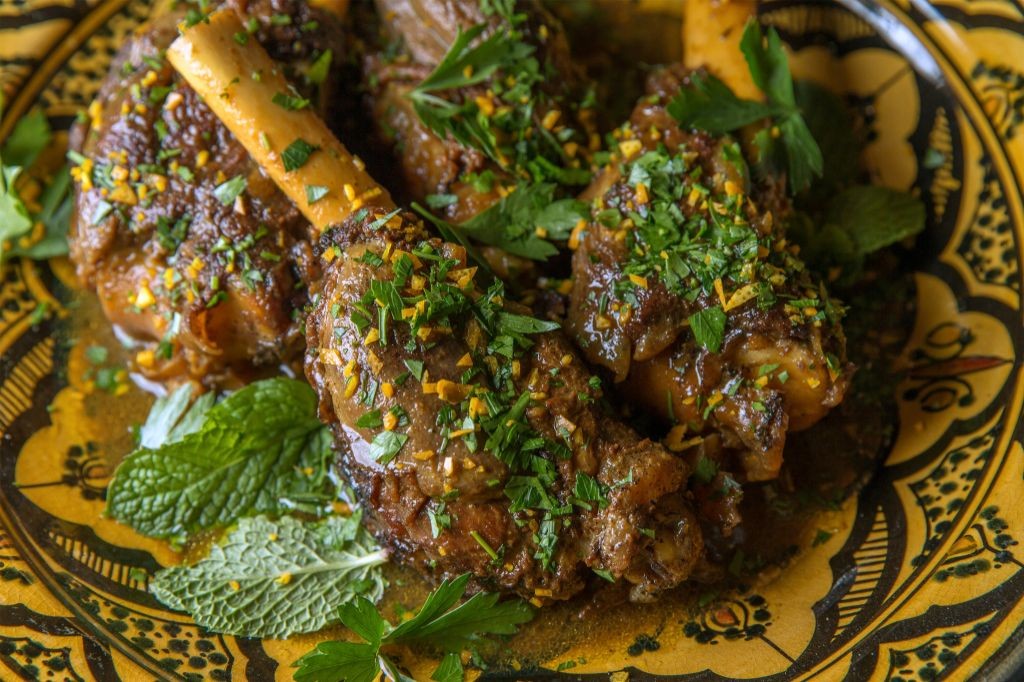
Diving into the rich culinary traditions of Persia, this lamb shank stew offers a deeply comforting meal perfect for chilly evenings. By slowly braising the lamb with aromatic spices and dried fruits, you’ll create a dish that’s both tender and complex in flavor. Follow these methodical steps to achieve a restaurant-quality stew at home.
Serving: 4 | Pre Time: 20 minutes | Cooking Time: 2 hours 30 minutes
Ingredients
– 4 lamb shanks (about 1 lb each)
– 2 tbsp olive oil
– 1 large yellow onion, diced
– 4 cloves garlic, minced
– 1 tsp ground turmeric
– 1 tsp ground cinnamon
– 1/2 tsp ground cumin
– 4 cups beef broth
– 1 cup dried apricots, halved
– 1/2 cup dried prunes, pitted
– 1/4 cup fresh lemon juice
– 2 tbsp tomato paste
– 1 tsp salt
– 1/2 tsp black pepper
– 2 tbsp chopped fresh parsley
Instructions
1. Pat the lamb shanks dry with paper towels and season all over with salt and black pepper.
2. Heat olive oil in a large Dutch oven over medium-high heat until shimmering, about 2 minutes.
3. Sear lamb shanks for 4-5 minutes per side until deeply browned, working in batches if needed to avoid crowding.
4. Transfer shanks to a plate and reduce heat to medium.
5. Add diced onion to the pot and cook for 6-8 minutes until softened and translucent.
6. Stir in minced garlic, turmeric, cinnamon, and cumin, cooking for 1 minute until fragrant.
7. Whisk tomato paste into the onion-spice mixture and cook for 30 seconds.
8. Pour in beef broth and lemon juice, scraping up any browned bits from the bottom of the pot.
9. Return lamb shanks to the pot along with any accumulated juices.
10. Add dried apricots and prunes, ensuring they’re submerged in the liquid.
11. Bring to a gentle simmer, then reduce heat to low and cover the pot.
12. Braise for 2 hours, checking occasionally to maintain a bare simmer and turning shanks halfway through.
13. After 2 hours, test lamb by inserting a fork—it should pull apart easily with no resistance.
14. If sauce seems thin, uncover and simmer for 10-15 minutes to reduce slightly.
15. Stir in chopped parsley just before serving.
This stew develops a luxurious, velvety texture from the long braising, while the dried fruits melt into the sauce creating a perfect sweet-savory balance. The tender lamb falls cleanly off the bone, making it ideal for serving over saffron rice or with warm flatbread to soak up every drop of the fragrant sauce.
Adas Polo (Lentil Rice with Dates)
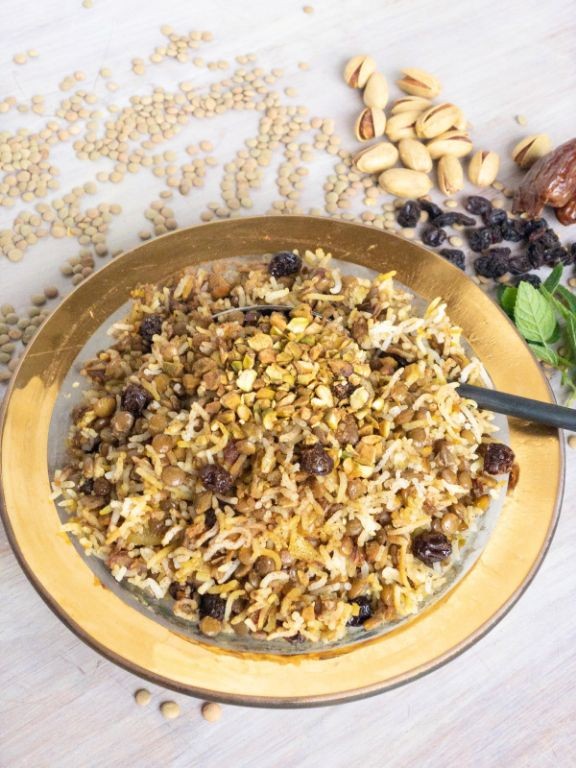
For those seeking a comforting yet sophisticated one-pot meal, Adas Polo combines humble lentils and rice with sweet dates in a Persian-inspired dish that’s both nourishing and deeply flavorful. Following this methodical guide will ensure perfectly cooked grains and a harmonious blend of savory and sweet notes, making it an ideal weeknight dinner or festive side.
Serving: 4 | Pre Time: 15 minutes | Cooking Time: 45 minutes
Ingredients
– 1 cup basmati rice
– 1 cup brown lentils
– 1/2 cup pitted dates, chopped
– 1 medium yellow onion, diced
– 2 tablespoons olive oil
– 1 teaspoon ground turmeric
– 1/2 teaspoon ground cinnamon
– 4 cups water
– 1 teaspoon salt
Instructions
1. Rinse 1 cup basmati rice under cold water until the water runs clear, then soak it in a bowl with water to cover for 15 minutes to reduce cooking time and prevent stickiness.
2. In a medium pot, heat 2 tablespoons olive oil over medium heat until shimmering, about 2 minutes.
3. Add 1 diced yellow onion and sauté, stirring frequently, until softened and golden brown, approximately 8–10 minutes.
4. Stir in 1 teaspoon ground turmeric and 1/2 teaspoon ground cinnamon, cooking for 1 minute to toast the spices and enhance their aroma.
5. Add 1 cup brown lentils and 4 cups water to the pot, bringing the mixture to a boil over high heat.
6. Reduce the heat to low, cover the pot, and simmer for 20 minutes until the lentils are tender but still hold their shape.
7. Drain the soaked rice and add it to the pot with the lentils, along with 1 teaspoon salt, stirring gently to combine.
8. Scatter 1/2 cup chopped pitted dates evenly over the top without stirring to allow them to steam and soften during cooking.
9. Cover the pot tightly and cook over low heat for 25 minutes, resisting the urge to peek to maintain steady steam for fluffy rice.
10. Remove the pot from heat and let it rest, covered, for 5 minutes to allow the flavors to meld and any excess moisture to absorb.
11. Fluff the rice and lentil mixture gently with a fork to mix in the dates, being careful not to mash the grains.
Offering a delightful contrast, this dish features tender lentils and fluffy rice with pockets of sweet, caramelized dates that melt into each bite. Serve it warm alongside a crisp salad or topped with a dollop of yogurt for added creaminess, making it a versatile centerpiece for any meal.
Persian Pistachio Cookies
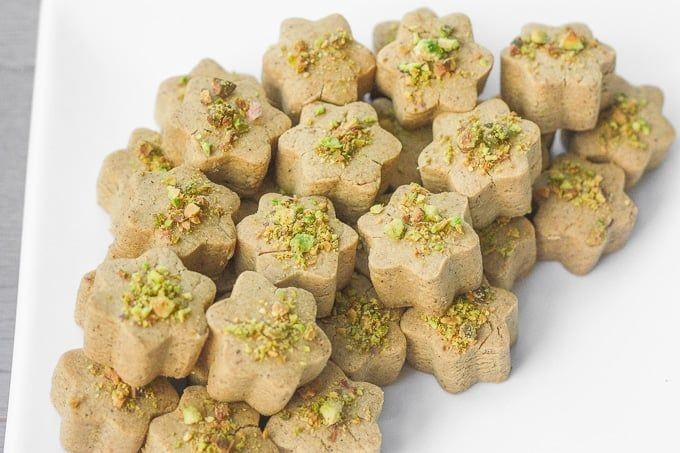
Savor the delicate crunch and rich, nutty flavor of these Persian pistachio cookies, a festive treat that’s surprisingly simple to make at home. These buttery, crumbly cookies are packed with ground pistachios and subtly spiced with cardamom, offering a delightful balance of sweetness and earthy notes. Perfect for holiday gatherings or a cozy afternoon snack, they come together with just a few pantry staples and minimal effort.
Serving: 24 | Pre Time: 20 minutes | Cooking Time: 12 minutes
Ingredients
– 1 cup unsalted butter, softened
– 1 cup granulated sugar
– 1 large egg
– 2 teaspoons vanilla extract
– 2 cups all-purpose flour
– 1 teaspoon ground cardamom
– 1/2 teaspoon salt
– 1 cup shelled pistachios, finely ground
– 1/4 cup powdered sugar for dusting
Instructions
1. Preheat your oven to 350°F and line two baking sheets with parchment paper.
2. In a large mixing bowl, cream the softened butter and granulated sugar together with an electric mixer on medium speed for 3–4 minutes, until light and fluffy.
3. Add the egg and vanilla extract to the butter mixture, beating on low speed just until combined, about 30 seconds.
4. In a separate bowl, whisk together the all-purpose flour, ground cardamom, and salt until evenly distributed.
5. Gradually add the dry ingredients to the wet mixture, mixing on low speed until a soft dough forms, which should take about 1–2 minutes.
6. Fold in the finely ground pistachios with a spatula until they are fully incorporated into the dough.
7. Scoop tablespoon-sized portions of dough and roll them into smooth balls between your palms, placing them 2 inches apart on the prepared baking sheets.
8. Gently flatten each ball with the bottom of a glass or your fingers to about 1/2-inch thickness, ensuring they bake evenly.
9. Bake the cookies in the preheated oven for 10–12 minutes, or until the edges turn a light golden brown while the centers remain soft.
10. Remove the baking sheets from the oven and let the cookies cool on the sheets for 5 minutes to firm up before transferring them to a wire rack.
11. Once the cookies are completely cool, dust them lightly with powdered sugar using a fine-mesh sieve for a decorative finish.
These cookies boast a tender, melt-in-your-mouth texture with a satisfying crunch from the pistachios, complemented by the warm aroma of cardamom. Many find they pair wonderfully with a cup of tea or coffee, or you can crumble them over ice cream for an elegant dessert twist.
Khoresh Gheymeh (Yellow Split Pea Stew)
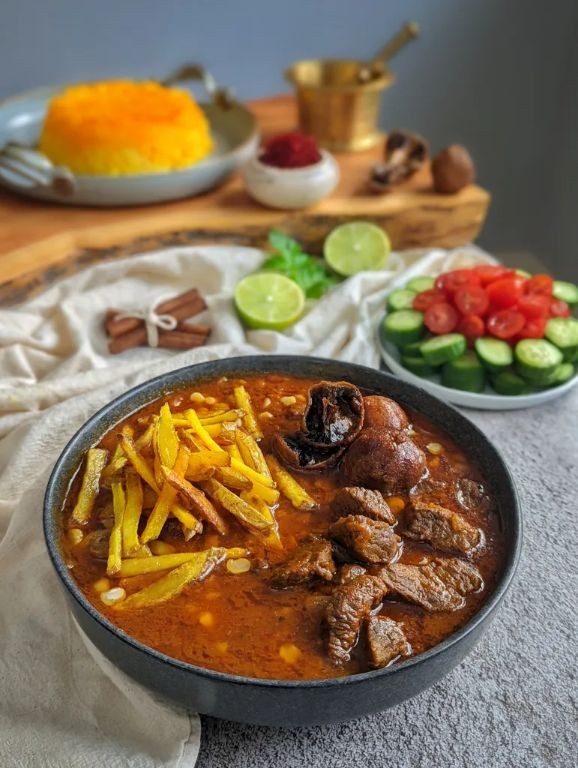
Now, let’s dive into a comforting Persian stew that’s perfect for a cozy winter evening. Khoresh Gheymeh combines tender meat, yellow split peas, and a tangy tomato base for a hearty, satisfying meal that’s surprisingly simple to make from scratch. Follow these steps closely, and you’ll have a delicious dish ready to impress.
Serving: 4 | Pre Time: 15 minutes | Cooking Time: 90 minutes
Ingredients
– 1 lb beef stew meat, cut into 1/2-inch cubes
– 1 cup yellow split peas
– 1 large onion, diced
– 2 tbsp vegetable oil
– 1/2 tsp turmeric
– 1/4 tsp cinnamon
– 1/4 tsp ground saffron dissolved in 2 tbsp hot water
– 2 cups water
– 1/4 cup tomato paste
– 1 tbsp dried lime powder
– 1 tsp salt
– 1/4 tsp black pepper
Instructions
1. Rinse 1 cup of yellow split peas under cold water in a fine-mesh strainer until the water runs clear, then set aside to drain.
2. Heat 2 tbsp of vegetable oil in a large pot over medium heat until shimmering, about 2 minutes.
3. Add 1 large diced onion to the pot and sauté, stirring frequently, until golden brown and softened, about 8-10 minutes.
4. Stir in 1 lb of beef stew meat cubes and cook, turning occasionally, until browned on all sides, about 5-7 minutes.
5. Sprinkle 1/2 tsp turmeric, 1/4 tsp cinnamon, 1 tsp salt, and 1/4 tsp black pepper over the meat and onions, stirring to coat evenly for 1 minute.
6. Pour in 2 cups of water and bring the mixture to a boil over high heat, then reduce to a simmer.
7. Add the rinsed split peas, cover the pot, and simmer on low heat for 45 minutes, stirring occasionally to prevent sticking.
8. Mix in 1/4 cup tomato paste and 1 tbsp dried lime powder, stirring until fully incorporated.
9. Add the saffron water and continue simmering uncovered for another 30 minutes, or until the split peas are tender and the stew has thickened.
10. Taste and adjust seasoning if needed, then remove from heat.
11. Let the stew rest for 10 minutes before serving to allow the flavors to meld.
Mouthwatering and aromatic, this stew features a velvety texture from the softened split peas and a rich, tangy depth from the dried lime and saffron. Serve it over fluffy basmati rice with a side of crispy fried potatoes or a fresh herb salad for a complete Persian feast that’s both nourishing and deeply flavorful.
Persian Rosewater Pudding
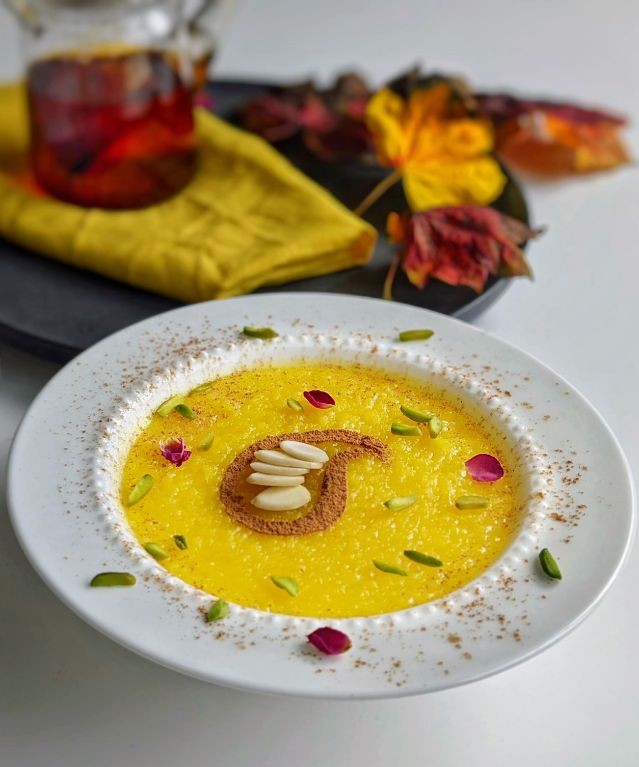
Zesty yet delicate, this Persian Rosewater Pudding transforms simple ingredients into an elegant dessert that’s surprisingly easy to make. Let’s walk through each step together to create a silky, fragrant treat perfect for any occasion.
Serving: 6 | Pre Time: 10 minutes | Cooking Time: 15 minutes
Ingredients
– 4 cups whole milk
– 1/2 cup granulated sugar
– 1/2 cup cornstarch
– 1/4 cup cold water
– 3 tbsp rosewater
– 1/4 tsp ground cardamom
– 1/4 cup slivered almonds, toasted
– 1 tbsp dried rose petals
Instructions
1. In a medium saucepan, combine 4 cups whole milk and 1/2 cup granulated sugar over medium heat.
2. Heat the mixture, stirring occasionally, until it reaches 180°F on a kitchen thermometer, which should take about 5-7 minutes.
3. While the milk heats, whisk 1/2 cup cornstarch into 1/4 cup cold water in a small bowl until completely smooth to prevent lumps.
4. Once the milk mixture is at 180°F, reduce the heat to low and slowly pour in the cornstarch slurry while whisking constantly.
5. Continue whisking for 3-5 minutes until the pudding thickens noticeably and coats the back of a spoon.
6. Remove the saucepan from the heat and stir in 3 tbsp rosewater and 1/4 tsp ground cardamom until fully incorporated.
7. Immediately pour the pudding into 6 individual serving dishes or a large bowl.
8. Cover the surface directly with plastic wrap to prevent a skin from forming and refrigerate for at least 4 hours until set.
9. Just before serving, sprinkle each portion with 1/4 cup slivered almonds, toasted, and 1 tbsp dried rose petals.
The pudding sets into a firm, jiggly texture with a subtle floral aroma from the rosewater. For a creative twist, layer it with fresh berries or drizzle with a honey syrup to enhance its delicate sweetness.
Summary
An incredible journey through Persian cuisine awaits in this collection, offering vibrant, crowd-pleasing dishes for any gathering. We hope these 20 flavorful recipes inspire your next meal. Please try them out, leave a comment telling us your favorite, and share this article on Pinterest to spread the deliciousness!