
Picture this: a versatile, fluffy ingredient that transforms into everything from quick breakfasts to comforting dinners. Poha, or flattened rice, is about to become your new kitchen hero. Whether you’re craving something savory for a busy weeknight or a sweet treat for the weekend, these 20 delicious recipes have you covered for every occasion. Let’s dive into these easy, flavorful dishes you’ll love making!
Quick and Easy Kanda Poha
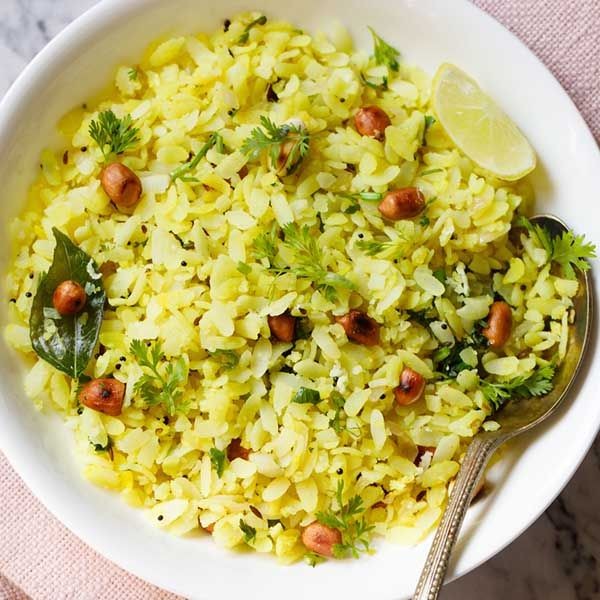
Bursting with flavor yet surprisingly simple, this Quick and Easy Kanda Poha is a lifesaver for busy mornings. It’s a classic Indian breakfast dish of flattened rice, transformed with onions and spices in under 20 minutes. You’ll have a savory, satisfying meal ready before you know it.
Serving: 2 | Pre Time: 5 minutes | Cooking Time: 15 minutes
Ingredients
– 2 cups thick poha (flattened rice), rinsed quickly in a colander—this prevents mushiness.
– 2 tbsp vegetable oil, my neutral oil of choice for this recipe.
– 1 tsp mustard seeds, they’ll pop and sizzle beautifully.
– 1 large yellow onion, finely diced; I find this size gives the perfect balance.
– 2 green chilies, finely chopped (adjust for heat).
– 1/2 tsp turmeric powder, for that classic golden hue.
– Salt, to season the dish properly as it cooks.
– 2 tbsp fresh cilantro, chopped, for a bright finish right at the end.
– 1 tbsp lemon juice, freshly squeezed—bottled just isn’t the same here.
Instructions
1. Place the 2 cups of thick poha in a colander and rinse under cool running water for 30 seconds to dampen it, then set aside to drain completely.
2. Heat the 2 tbsp of vegetable oil in a large skillet or wok over medium heat for 1 minute until shimmering.
3. Add the 1 tsp of mustard seeds to the hot oil and cook for 30 seconds until they begin to pop and crackle.
4. Tip: Listen for the popping sound—it means your oil is perfectly hot for tempering.
5. Add the 1 large finely diced yellow onion to the skillet and sauté for 4-5 minutes, stirring frequently, until the onions turn soft and translucent.
6. Stir in the 2 finely chopped green chilies and cook for 1 more minute to release their aroma.
7. Sprinkle the 1/2 tsp of turmeric powder and a generous pinch of salt over the onion mixture, stirring quickly to coat everything evenly.
8. Tip: Adding salt now helps draw moisture from the onions, enhancing the overall flavor base.
9. Reduce the heat to low and gently add the rinsed and drained poha to the skillet.
10. Using a spatula, fold the poha into the spiced onion mixture very carefully to avoid breaking the grains, for about 2 minutes until everything is well combined and heated through.
11. Tip: Folding gently is key—over-mixing can make the poha pasty instead of light and fluffy.
12. Turn off the heat and drizzle the 1 tbsp of freshly squeezed lemon juice over the poha, folding once more to distribute it.
13. Garnish the finished dish with the 2 tbsp of chopped fresh cilantro just before serving.
Absolutely light and fluffy with a delightful savory-sour kick from the lemon. The softened onions melt into the grains, creating a comforting texture that’s neither dry nor soggy. For a creative twist, top it with sev (crispy chickpea noodles) or serve alongside a cool yogurt raita to balance the warmth.
Spicy Indori Poha with Sev
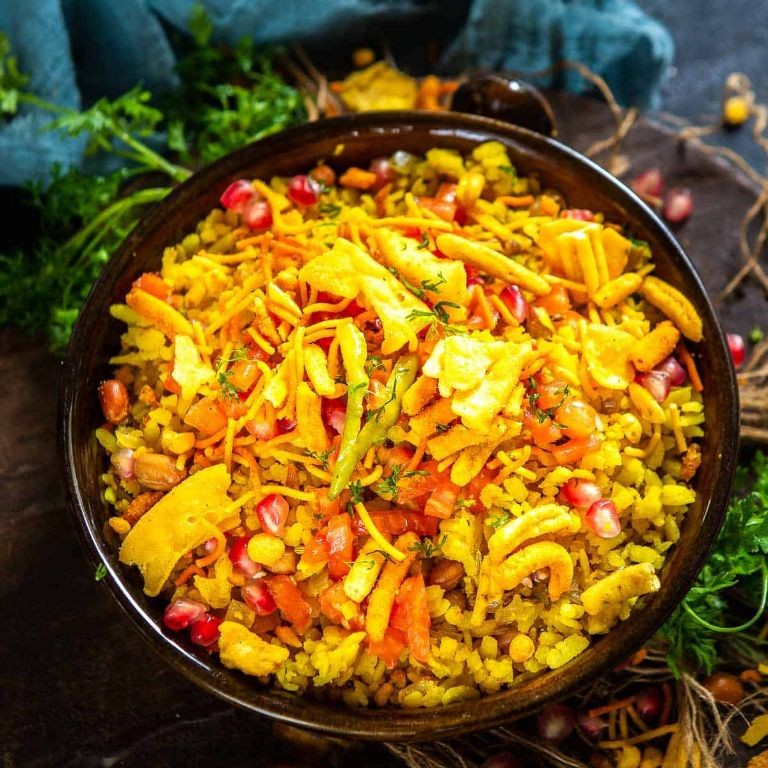
Often overlooked outside India, this street-style breakfast transforms humble flattened rice into a vibrant, spicy-savory dish. Originating from Indore, it’s a quick, satisfying meal that balances heat, tang, and crunch. You’ll need about 20 minutes from start to finish.
Serving: 2 | Pre Time: 10 minutes | Cooking Time: 10 minutes
Ingredients
– 1.5 cups thick poha (flattened rice; rinse it briefly in cold water and drain well—this prevents mushiness)
– 2 tbsp vegetable oil (I use avocado oil for its high smoke point)
– 1 tsp mustard seeds
– 1 tsp cumin seeds
– 1 medium yellow onion, finely chopped (about 1 cup)
– 1 green chili, finely chopped (adjust to your heat tolerance)
– 1/4 tsp turmeric powder
– 1 tsp red chili powder
– 1 tbsp lemon juice (freshly squeezed adds a bright zing)
– Salt, 1 tsp (I prefer fine sea salt for even distribution)
– 1/4 cup roasted peanuts (unsalted, for a nutty crunch)
– 1/4 cup sev (thin chickpea noodles; store-bought is fine, but keep it sealed until serving to maintain crispness)
– Fresh cilantro, 2 tbsp chopped (for a fresh finish)
Instructions
1. Rinse the poha in a colander under cold running water for 30 seconds, then drain completely and set aside—this hydrates it without making it soggy.
2. Heat the vegetable oil in a large skillet over medium heat until it shimmers, about 2 minutes.
3. Add the mustard seeds and cumin seeds; cook until they pop and become fragrant, roughly 1 minute.
4. Stir in the chopped onion and green chili; sauté until the onion turns translucent and soft, about 4-5 minutes.
5. Sprinkle in the turmeric powder and red chili powder; mix well to coat the onions, cooking for 30 seconds to bloom the spices.
6. Add the drained poha to the skillet, gently folding it into the spice mixture to avoid breaking the grains.
7. Pour in the lemon juice and sprinkle the salt evenly over the poha; stir to combine all ingredients thoroughly.
8. Cover the skillet and reduce the heat to low; let it steam for 3 minutes to allow the flavors to meld.
9. Uncover and fold in the roasted peanuts, cooking for an additional 1 minute to warm them through.
10. Remove the skillet from the heat and transfer the poha to serving plates.
11. Top generously with the sev and chopped cilantro just before serving to keep the sev crisp.
Dish it up warm for the best texture—the poha should be tender but not mushy, with a kick from the spices. The sev adds a delightful crunch that contrasts the soft base, while the peanuts offer a nutty depth. Try serving it with a side of cool yogurt or a squeeze of extra lemon to balance the heat.
Maharashtrian Batata Poha

Maharashtrian Batata Poha transforms humble flattened rice into a vibrant, savory breakfast. Mustard seeds pop in hot oil, releasing their nutty aroma, while turmeric stains the potatoes a sunny gold. This quick, one-pan wonder delivers a satisfying crunch from peanuts and a bright finish of fresh cilantro.
Serving: 4 | Pre Time: 10 minutes | Cooking Time: 15 minutes
Ingredients
– 2 cups thick poha (flattened rice), rinsed quickly under cold water and drained well—let it sit for 5 minutes to soften perfectly.
– 2 medium russet potatoes, peeled and diced into ½-inch cubes for even cooking.
– 3 tbsp vegetable oil, my neutral choice that lets the spices shine.
– 1 tsp mustard seeds, which I toast until they dance and pop for maximum flavor.
– 1 tsp cumin seeds for an earthy base note.
– 2-3 dried red chilies, broken in half to control the heat level.
– ½ tsp turmeric powder, giving that classic golden hue.
– ½ cup raw peanuts, for a crucial crunchy contrast.
– 1 medium yellow onion, finely chopped.
– 2-3 green chilies, slit lengthwise—adjust based on your spice tolerance.
– ½ cup fresh cilantro leaves, roughly chopped for a fresh, herby finish.
– 1 tbsp fresh lemon juice, squeezed right at the end to brighten everything up.
– Salt, to season each layer properly.
Instructions
1. Place the rinsed poha in a colander and let it drain for 5 minutes until softened but not mushy.
2. Heat 3 tbsp vegetable oil in a large skillet or wok over medium heat for 1 minute.
3. Add 1 tsp mustard seeds and cook for 30 seconds until they start popping.
4. Add 1 tsp cumin seeds and 2-3 dried red chilies, stirring for 20 seconds until fragrant.
5. Tip: Toast the spices just until aromatic to avoid burning them.
6. Add ½ cup raw peanuts and fry for 2-3 minutes until lightly golden and crisp.
7. Add the diced potatoes and cook for 8-10 minutes, stirring occasionally, until tender and lightly browned.
8. Tip: Cover the skillet for the first 5 minutes to steam the potatoes, then uncover to crisp them up.
9. Stir in the chopped onion and slit green chilies, cooking for 3-4 minutes until the onion turns translucent.
10. Sprinkle ½ tsp turmeric powder and 1 tsp salt over the mixture, stirring to coat evenly.
11. Gently fold in the drained poha, mixing carefully to avoid breaking the grains.
12. Cook for 2-3 minutes, stirring once, until the poha is heated through.
13. Tip: Avoid overcooking the poha at this stage to maintain its light texture.
14. Turn off the heat and stir in the chopped cilantro and 1 tbsp lemon juice.
15. Let the dish rest for 2 minutes before serving to allow the flavors to meld.
Light and fluffy with a subtle chew, the poha soaks up the earthy spices while the peanuts add a welcome crunch. Serve it hot with a side of tangy lemon wedges or a cool yogurt raita for contrast—it’s equally fantastic wrapped in a warm roti for a portable meal.
Healthy Beetroot Poha

Ditch the morning cereal rut with this vibrant, nutrient-packed breakfast. Healthy Beetroot Poha transforms humble flattened rice into a stunning, savory dish that’s as good for you as it is delicious. It’s my go-to for a quick, satisfying start that actually feels special.
Serving: 2 | Pre Time: 10 minutes | Cooking Time: 15 minutes
Ingredients
– 1 cup thick poha (flattened rice), rinsed quickly—I find this prevents mushiness.
– 1 medium beetroot, peeled and finely grated (about ¾ cup packed).
– 1 tbsp avocado oil, my favorite for its high smoke point.
– 1 tsp mustard seeds.
– 1 medium yellow onion, finely chopped.
– 1 green chili, finely chopped (remove seeds if you prefer less heat).
– ½ tsp turmeric powder.
– ½ tsp salt, or adjust as needed.
– 2 tbsp fresh cilantro, chopped for garnish.
– 1 tbsp lemon juice, freshly squeezed makes all the difference.
Instructions
1. Place 1 cup of thick poha in a colander and rinse under cold water for 15 seconds to lightly moisten it, then set aside to drain completely.
2. Heat 1 tbsp of avocado oil in a large non-stick skillet over medium heat until it shimmers, about 1 minute.
3. Add 1 tsp of mustard seeds to the hot oil and cook until they begin to pop, about 30 seconds.
4. Add 1 finely chopped yellow onion and sauté, stirring frequently, until translucent and soft, about 3-4 minutes.
5. Stir in 1 finely chopped green chili and cook for 1 minute to release its aroma.
6. Add ¾ cup of finely grated beetroot and cook, stirring occasionally, until it softens and deepens in color, about 4-5 minutes.
7. Sprinkle in ½ tsp of turmeric powder and ½ tsp of salt, mixing well to coat the vegetables evenly.
8. Gently fold in the rinsed and drained poha, ensuring it’s fully combined with the beetroot mixture.
9. Reduce the heat to low, cover the skillet, and let the poha steam for 3 minutes to absorb the flavors and heat through.
10. Turn off the heat, drizzle with 1 tbsp of freshly squeezed lemon juice, and garnish with 2 tbsp of chopped fresh cilantro.
Enjoy the tender, slightly chewy texture of the poha against the earthy sweetness of the beets. Each bite is bright with lemon and fresh herbs, making it a colorful centerpiece for brunch or a light lunch. Try topping it with a fried egg for extra protein or serving it alongside plain yogurt to balance the spices.
Kerala Style Aval Upma
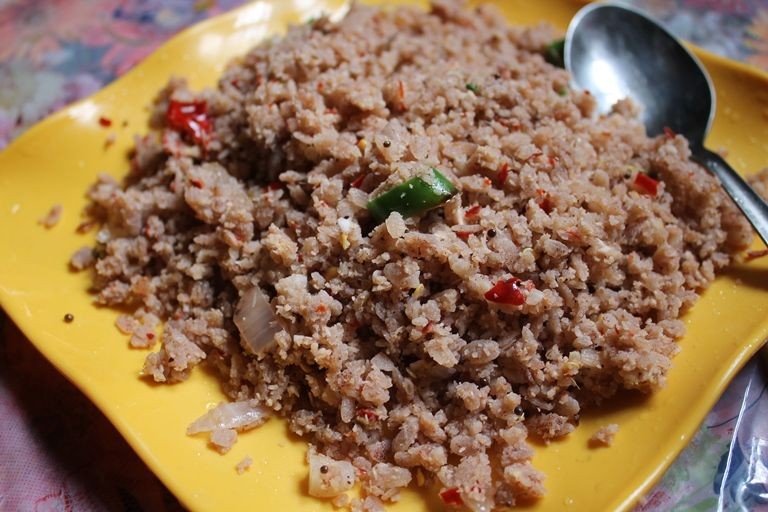
Escape the ordinary with this quick Kerala-style Aval Upma—a savory South Indian breakfast where flattened rice transforms into a fluffy, spiced dish in minutes. It’s my go-to when I need something satisfying but don’t want to spend hours in the kitchen. The tempering of mustard seeds and curry leaves fills your home with an irresistible aroma.
Serving: 2 | Pre Time: 5 minutes | Cooking Time: 10 minutes
Ingredients
– 1 cup thick poha (flattened rice)—I always use the thick variety for better texture, rinsed and drained well
– 2 tbsp coconut oil (my favorite for authentic flavor, but any neutral oil works)
– 1 tsp black mustard seeds
– 1 tsp urad dal (split black gram)—toasted until golden, it adds a lovely crunch
– 1 dried red chili, broken into pieces
– 10-12 fresh curry leaves (don’t skip these—they’re essential for that fragrant kick)
– 1 small onion, finely chopped
– 1 green chili, finely chopped (adjust to your heat preference)
– ¼ tsp turmeric powder
– Salt, to taste (I start with ½ tsp and adjust later)
– 2 tbsp roasted peanuts—I love the extra crunch, but cashews work too
– 2 tbsp fresh cilantro, chopped for garnish
– ½ lime, juiced (a squeeze at the end brightens everything up)
Instructions
1. Rinse 1 cup thick poha under cold water in a colander for 30 seconds until slightly softened, then drain completely and set aside—this prevents mushiness.
2. Heat 2 tbsp coconut oil in a large skillet over medium heat until shimmering, about 1 minute.
3. Add 1 tsp black mustard seeds and let them pop for 20-30 seconds until they crackle—cover briefly to avoid splatter.
4. Stir in 1 tsp urad dal and 1 dried red chili, cooking for 1 minute until the dal turns light golden brown.
5. Add 10-12 curry leaves and sauté for 30 seconds until fragrant—they should crisp up slightly.
6. Mix in 1 chopped onion and 1 green chili, cooking for 3-4 minutes until the onion softens and turns translucent.
7. Sprinkle ¼ tsp turmeric powder and ½ tsp salt into the skillet, stirring for 30 seconds to combine evenly.
8. Fold in the drained poha gently, using a spatula to coat it with the spice mixture—avoid overmixing to keep it fluffy.
9. Add 2 tbsp roasted peanuts and cook for 2-3 minutes on low heat, stirring occasionally, until the poha is heated through and dry.
10. Turn off the heat and drizzle juice from ½ lime over the upma, tossing once to distribute.
11. Garnish with 2 tbsp chopped cilantro before serving.
Perfectly fluffy with a hint of crunch from the peanuts and urad dal, this upma has a balanced warmth from the chilies and turmeric. Pair it with a dollop of yogurt or a side of mango pickle for a complete meal—it’s also great packed cold for lunch the next day.
South Indian Avalakki
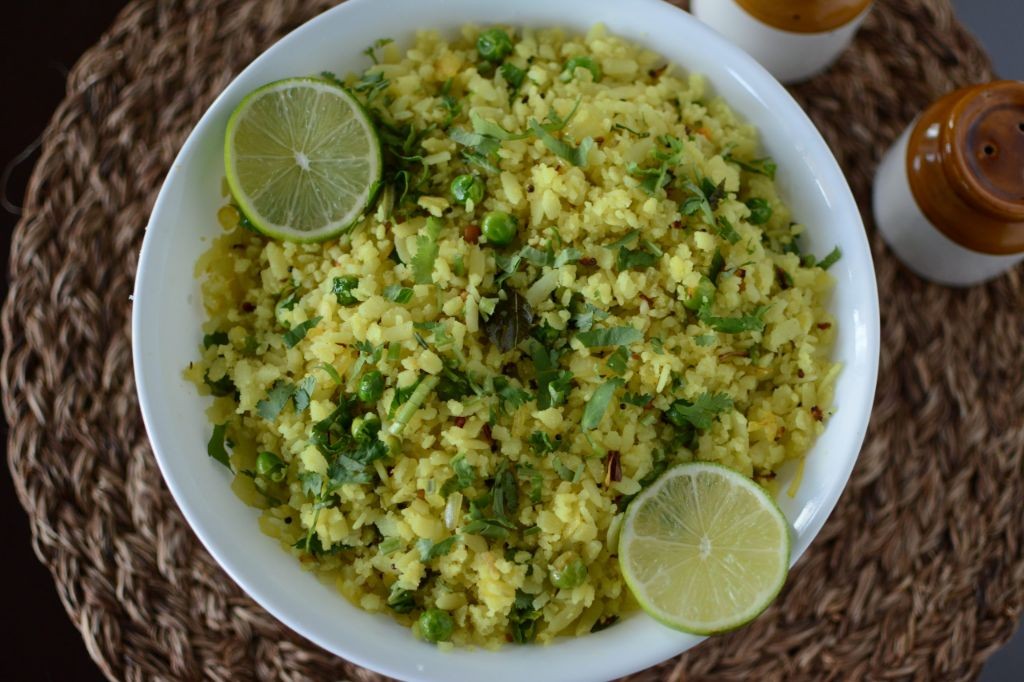
Venture into South Indian comfort food with this simple Avalakki recipe—a savory beaten rice dish that comes together in minutes. Perfect for busy mornings or light lunches, it balances soft textures with bright spices. I love how adaptable it is to whatever veggies you have on hand.
Serving: 4 | Pre Time: 10 minutes | Cooking Time: 15 minutes
Ingredients
– 2 cups beaten rice (poha), medium-thick variety—rinsing is key to avoid mushiness
– 2 tbsp vegetable oil, my go-to for high-heat cooking
– 1 tsp mustard seeds, they’ll pop and sizzle when ready
– 1 tsp cumin seeds, for that earthy aroma
– 2 green chilies, finely chopped (adjust to your heat preference)
– 1 medium onion, diced—I prefer yellow for sweetness
– 1 medium potato, peeled and cubed into ½-inch pieces
– ½ cup frozen peas, thawed for even cooking
– ½ tsp turmeric powder, it gives that golden hue
– Salt to taste, I start with 1 tsp and adjust later
– 2 tbsp fresh cilantro, chopped for a fresh finish
– 1 tbsp lemon juice, squeezed fresh for brightness
Instructions
1. Place the beaten rice in a colander and rinse under cold water for 30 seconds until evenly moistened. Tip: Let it drain for 5 minutes to remove excess water without becoming soggy.
2. Heat the vegetable oil in a large skillet over medium heat until it shimmers, about 2 minutes.
3. Add the mustard seeds and cumin seeds to the hot oil. Cook for 30 seconds until the mustard seeds pop audibly.
4. Stir in the green chilies and diced onion. Sauté for 3-4 minutes until the onion turns translucent.
5. Add the cubed potato and cook for 5 minutes, stirring occasionally, until the edges start to soften.
6. Mix in the thawed peas and turmeric powder. Cook for 2 more minutes to blend the spices.
7. Sprinkle 1 tsp of salt over the mixture and stir to combine evenly.
8. Gently fold in the rinsed beaten rice. Reduce heat to low and cook for 3-4 minutes, stirring lightly to avoid breaking the grains. Tip: Cover the skillet for 2 minutes to steam and ensure the potatoes are tender.
9. Turn off the heat. Stir in the chopped cilantro and fresh lemon juice. Tip: Taste and add more salt if needed, but avoid over-salting as the flavors meld upon resting.
10. Let the Avalakki sit covered for 2 minutes before serving. Aromatic and fluffy, this dish offers a soft yet distinct bite from the tempered spices. Serve it warm with a dollop of yogurt or alongside chutney for extra zest—it’s also great packed for picnics.
Poha Cutlets with Mint Chutney

Breakfast just got a crispy upgrade with these poha cutlets. They’re the perfect savory snack when you’re craving something different. Serve them hot with mint chutney for a complete experience.
Serving: 4 | Pre Time: 20 minutes | Cooking Time: 15 minutes
Ingredients
– 2 cups thick poha (flattened rice) – rinse it briefly under cold water until softened but not mushy
– 1 medium russet potato, boiled and mashed – I prefer leaving a few small chunks for texture
– 1 small red onion, finely chopped – about ½ cup
– 2 green chilies, finely chopped – adjust based on your heat preference
– ¼ cup fresh cilantro, chopped
– 1 tsp cumin seeds
– ½ tsp turmeric powder
– 1 tbsp lemon juice – fresh squeezed makes all the difference
– ¼ cup breadcrumbs, plus extra for coating
– Salt to taste – I use about ¾ tsp
– 4 tbsp vegetable oil for frying
– For mint chutney: 1 cup fresh mint leaves, ½ cup fresh cilantro, 1 green chili, 1 tbsp lemon juice, ½ tsp cumin powder, 2 tbsp water, salt to taste
Instructions
1. Rinse 2 cups thick poha under cold running water for 30 seconds, then drain completely in a colander.
2. Transfer drained poha to a large mixing bowl and add 1 mashed potato, ½ cup chopped red onion, 2 chopped green chilies, and ¼ cup chopped cilantro.
3. Add 1 tsp cumin seeds, ½ tsp turmeric powder, 1 tbsp lemon juice, ¼ cup breadcrumbs, and ¾ tsp salt to the bowl.
4. Mix all ingredients thoroughly with clean hands until well combined – the mixture should hold together when pressed.
5. Divide mixture into 8 equal portions and shape each into ½-inch thick patties.
6. Coat each patty lightly in additional breadcrumbs, pressing gently to adhere.
7. Heat 4 tbsp vegetable oil in a non-stick skillet over medium heat until shimmering (about 350°F).
8. Place patties in the skillet without crowding – cook in batches if needed.
9. Fry for 3-4 minutes per side until golden brown and crispy – listen for that satisfying sizzle.
10. Transfer cooked cutlets to a paper towel-lined plate to drain excess oil.
11. While cutlets fry, combine 1 cup mint leaves, ½ cup cilantro, 1 green chili, 1 tbsp lemon juice, ½ tsp cumin powder, 2 tbsp water, and salt in a blender.
12. Blend until smooth, scraping down sides as needed – add more water 1 tsp at a time if too thick.
Mouthwatering crispy exteriors give way to soft, flavorful centers in these cutlets. The mint chutney adds a bright, herby contrast that cuts through the richness beautifully. Try serving them as sliders with lettuce and tomato for a fun twist.
Poha Chivda for Snacking
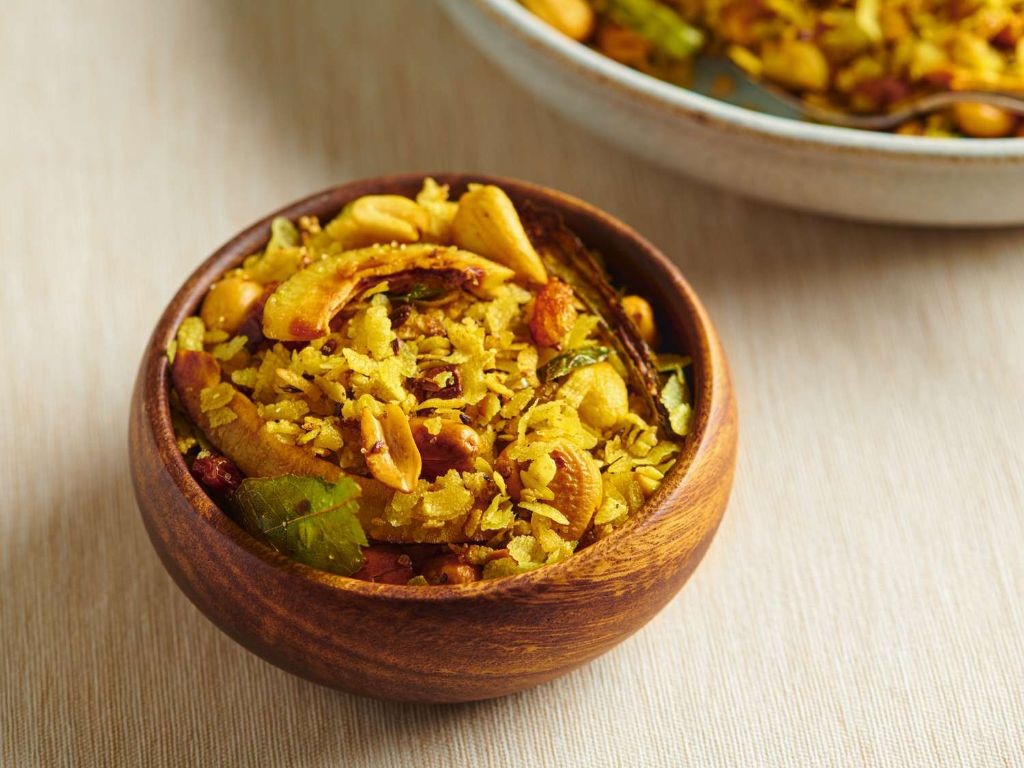
You’ve probably reached for chips one too many times—this crunchy, savory Poha Chivda is the upgrade your snack drawer needs. It’s a quick Indian-style trail mix that comes together in minutes and keeps for weeks.
Serving: 8 | Pre Time: 10 minutes | Cooking Time: 15 minutes
Ingredients
– 4 cups thin poha (flattened rice)—I like the thin variety for maximum crispiness
– 1/2 cup raw peanuts, unsalted for better control over seasoning
– 1/4 cup cashew pieces, because whole ones can burn too easily
– 2 tbsp vegetable oil, a neutral oil works best here
– 1 tsp mustard seeds, they’ll pop and add a nice aroma
– 1/2 tsp turmeric powder, for that golden color and earthy flavor
– 1 tsp red chili powder, adjust if you prefer less heat
– 1 tbsp sugar, a touch balances the spices perfectly
– Salt to taste, I start with 1 tsp and adjust later
– 10-12 curry leaves, fresh if possible—they make all the difference
– 2 tbsp raisins, for a sweet surprise in every bite
Instructions
1. Spread 4 cups thin poha on a baking sheet in a single layer. Tip: Let it air-dry for 10 minutes if it feels damp—this ensures crispiness.
2. Heat 2 tbsp vegetable oil in a large skillet over medium heat until shimmering, about 2 minutes.
3. Add 1 tsp mustard seeds and cook until they start popping, 30-45 seconds.
4. Add 1/2 cup raw peanuts and 1/4 cup cashew pieces. Toast, stirring constantly, until golden brown, 3-4 minutes.
5. Stir in 10-12 curry leaves and cook until fragrant, about 30 seconds. Tip: Keep the heat medium to avoid burning the leaves.
6. Reduce heat to low and add 1/2 tsp turmeric powder, 1 tsp red chili powder, 1 tbsp sugar, and salt. Mix for 20 seconds until combined.
7. Add the dried poha to the skillet. Gently toss with the spice mixture for 2-3 minutes until evenly coated. Tip: Use a light hand to prevent breaking the poha.
8. Stir in 2 tbsp raisins and cook for 1 more minute.
9. Turn off the heat and let the chivda cool completely in the skillet, about 15-20 minutes.
What you get is a crunchy, savory-sweet mix with pops of heat from the spices. Store it in an airtight container—it stays crisp for weeks and is perfect for sprinkling over yogurt or packing in lunchboxes.
Poha Dosa with Coconut Chutney
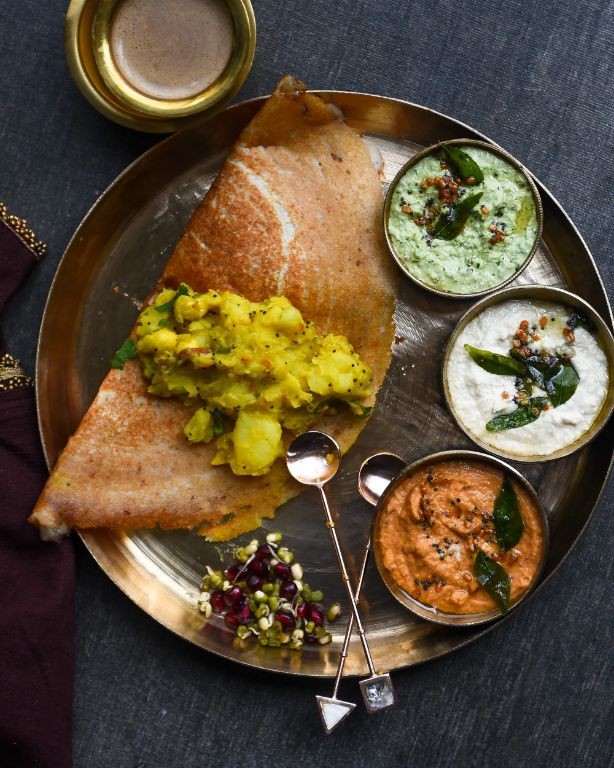
Ready for a crispy, savory breakfast twist? Poha dosa combines flattened rice with classic dosa batter for extra crunch. Serve it hot with coconut chutney for a satisfying morning meal.
Serving: 4 | Pre Time: 15 minutes | Cooking Time: 20 minutes
Ingredients
– 1 cup poha (flattened rice), rinsed and soaked for 5 minutes—I use thick poha for better texture.
– 1 cup dosa batter (store-bought or homemade), at room temperature for easy spreading.
– ½ cup grated coconut, fresh or frozen—fresh adds a brighter flavor.
– 2 green chilies, finely chopped; adjust based on your heat preference.
– 1 tbsp vegetable oil, plus extra for cooking; a neutral oil works best here.
– ½ tsp mustard seeds, for that classic South Indian tempering.
– Salt to taste, but I start with ½ tsp and adjust later.
Instructions
1. Drain the soaked poha thoroughly and squeeze out excess water with your hands.
2. Mix the poha with dosa batter in a bowl until well combined; let it rest for 10 minutes to allow flavors to meld.
3. Heat a non-stick skillet over medium-high heat until a water droplet sizzles, about 350°F.
4. Pour ¼ cup of the batter onto the skillet and spread it into a thin, even circle using the back of a ladle.
5. Drizzle ½ tsp of vegetable oil around the edges of the dosa and cook for 2–3 minutes until the bottom turns golden brown and crispy.
6. Flip the dosa carefully and cook the other side for 1–2 minutes until lightly browned; tip: don’t press down to keep it airy.
7. Remove the dosa from the skillet and repeat with the remaining batter, adding oil as needed.
8. In a small pan, heat 1 tbsp vegetable oil over medium heat and add mustard seeds; cook until they pop, about 30 seconds.
9. Add grated coconut and green chilies to the pan, stirring for 2 minutes until fragrant and slightly toasted.
10. Season the coconut mixture with salt, mix well, and remove from heat to cool slightly.
11. Serve the poha dosa hot with the coconut chutney on the side.
Mildly tangy from the batter and nutty from the toasted coconut, this dosa offers a delightful crunch. Enjoy it rolled up with chutney inside for a handheld treat, or pair it with a spicy sambar for a heartier meal.
Savoury Poha Pancakes
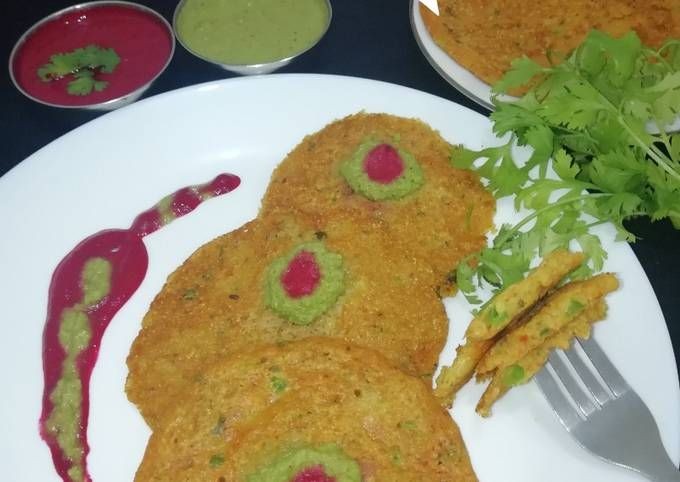
Mornings call for something hearty yet quick. Savoury poha pancakes deliver—fluffy, savory, and packed with texture. They’re my go-to for using up leftover veggies.
Serving: 4 | Pre Time: 10 minutes | Cooking Time: 15 minutes
Ingredients
– 1 cup thick poha (flattened rice), rinsed and drained—I like it slightly damp for better binding.
– 1/2 cup semolina, which adds a nice crisp edge.
– 1/4 cup plain yogurt, full-fat for richness.
– 1/2 cup water, adjust as needed for batter consistency.
– 1 small onion, finely chopped—red onion adds a sweet bite.
– 1 green chili, minced (remove seeds if you prefer less heat).
– 1/4 cup cilantro, chopped fresh from my garden.
– 1/2 tsp cumin seeds, toasted lightly for aroma.
– 1/2 tsp turmeric powder, for that golden hue.
– Salt, about 3/4 tsp to start.
– 2 tbsp vegetable oil, for frying—avocado oil works too.
Instructions
1. In a large bowl, combine rinsed poha, semolina, yogurt, and water. Let it soak for 5 minutes to soften.
2. Add chopped onion, green chili, cilantro, cumin seeds, turmeric powder, and salt to the bowl.
3. Mix everything until well combined; the batter should be thick but pourable—add a splash more water if too dry.
4. Heat a non-stick skillet over medium heat and add 1 tbsp oil, swirling to coat.
5. Pour 1/4 cup batter per pancake into the skillet, spreading gently into a 4-inch circle.
6. Cook for 3-4 minutes until bubbles form on top and edges look set.
7. Flip carefully using a spatula and cook for another 3 minutes until golden brown and crisp.
8. Repeat with remaining batter, adding more oil as needed to prevent sticking.
9. Transfer cooked pancakes to a wire rack to keep them crisp—stacking makes them soggy.
10. Serve immediately while hot. Here, the pancakes are delightfully crisp outside with a soft, savory interior. Top with a dollop of yogurt or chutney for extra zing, or pair with a fried egg for a hearty brunch.
Peanut Poha with Curry Leaves

Poha transforms from a simple flattened rice into a vibrant, savory breakfast or snack with just a few aromatic additions. Peanut Poha with Curry Leaves delivers a satisfying crunch and earthy warmth in under 30 minutes. This dish is my go-to when I need something hearty yet light to start the day.
Serving: 4 | Pre Time: 10 minutes | Cooking Time: 15 minutes
Ingredients
– 2 cups thick poha (flattened rice), rinsed quickly and drained—I let it sit for 5 minutes to soften perfectly
– 3 tbsp vegetable oil, my neutral choice for high-heat cooking
– 1 tsp mustard seeds, they should sizzle when hot
– 10-12 fresh curry leaves, torn slightly to release their fragrance
– 1/2 cup raw peanuts, I always use unsalted for better control
– 1 medium yellow onion, finely chopped
– 1 green chili, minced (remove seeds if you prefer less heat)
– 1/2 tsp turmeric powder, for that golden hue
– Salt, I start with 1 tsp and adjust later
– 2 tbsp fresh cilantro, chopped, for a bright finish
– 1 tbsp lemon juice, squeezed fresh right at the end
Instructions
1. Heat vegetable oil in a large skillet over medium heat until it shimmers, about 2 minutes.
2. Add mustard seeds and cook until they pop and sizzle, 30-45 seconds—listen for the crackle.
3. Stir in curry leaves and raw peanuts; toast until peanuts turn lightly golden, 2-3 minutes, stirring often to prevent burning.
4. Add chopped onion and green chili; sauté until onions are soft and translucent, 4-5 minutes.
5. Sprinkle turmeric powder and salt over the mixture; stir to coat evenly for 30 seconds.
6. Gently fold in the drained poha, mixing carefully to avoid breaking the grains.
7. Cook uncovered for 3-4 minutes, stirring occasionally, until poha is heated through and absorbs the spices.
8. Remove from heat and stir in fresh cilantro and lemon juice immediately.
9. Let rest for 2 minutes before serving to allow flavors to meld.
Warm and fragrant, this poha boasts a delightful contrast of soft grains and crunchy peanuts. The curry leaves infuse every bite with a citrusy, herbal note that pairs beautifully with a side of yogurt or sliced cucumbers. For a creative twist, top it with a fried egg or serve it alongside masala chai for a complete meal.
Poha Bread Toast for Breakfast
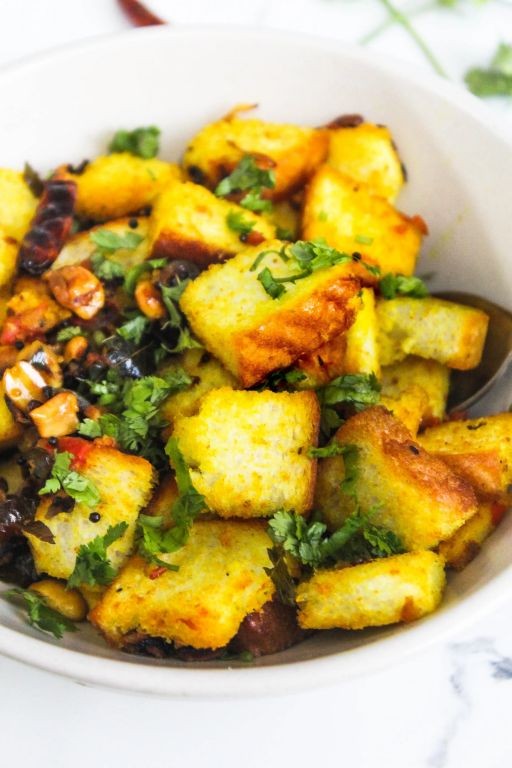
Get a savory, satisfying breakfast on the table fast with this poha bread toast. Ground poha adds a unique, slightly nutty flavor and crisp texture to classic French toast, making it a perfect morning upgrade. You’ll have a hot, delicious plate ready in under 15 minutes.
Serving: 2 | Pre Time: 5 minutes | Cooking Time: 8 minutes
Ingredients
– 2 large eggs, I prefer room temp eggs here for a smoother batter
– 1/2 cup whole milk
– 1/4 cup fine poha (flattened rice), ground to a coarse powder in a blender—this is the key ingredient for crunch
– 1 tbsp granulated sugar
– 1/2 tsp ground cinnamon, my go-to for warmth
– 4 slices thick-cut white bread, stale bread works best for absorption
– 2 tbsp unsalted butter, for frying
– Maple syrup, for serving (optional but recommended)
Instructions
1. In a shallow bowl, whisk together the 2 large eggs and 1/2 cup whole milk until fully combined and frothy, about 30 seconds.
2. Add the 1/4 cup ground poha, 1 tbsp granulated sugar, and 1/2 tsp ground cinnamon to the egg mixture, whisking until a smooth batter forms with no lumps.
3. Heat a large non-stick skillet or griddle over medium heat (350°F if using a thermometer) and melt 1 tbsp of the unsalted butter, swirling to coat the surface evenly.
4. Dip one slice of the 4 slices thick-cut white bread into the batter, letting it soak for 10 seconds per side until fully coated but not soggy—this prevents the toast from falling apart.
5. Place the soaked bread slice in the hot skillet and cook for 2-3 minutes per side, or until golden brown and crisp at the edges; repeat with remaining bread, adding the remaining 1 tbsp butter as needed.
6. Transfer the cooked toast to a plate and serve immediately while hot.
Unbelievably crisp on the outside with a soft, custardy center, this toast has a subtle nuttiness from the poha that pairs perfectly with the cinnamon. Drizzle with maple syrup for a sweet contrast, or top with fresh berries for a colorful twist. It’s hearty enough to keep you full all morning without feeling heavy.
Cheesy Poha Balls

Oftentimes, the best snacks come from pantry staples. Cheesy Poha Balls transform humble flattened rice into crispy, melty bites perfect for any gathering. They’re surprisingly simple and endlessly adaptable.
Serving: 4 | Pre Time: 15 minutes | Cooking Time: 20 minutes
Ingredients
– 2 cups thick poha (flattened rice), rinsed quickly and drained well—I find this prevents mushiness.
– 1 medium russet potato, boiled and mashed while still warm for easier mixing.
– 1/2 cup grated cheddar cheese, sharp for a better melt.
– 1/4 cup finely chopped onion, yellow for sweetness.
– 2 tbsp chopped cilantro, fresh from my garden when possible.
– 1 green chili, finely minced (seeds removed if you prefer mild).
– 1 tsp cumin seeds, toasted lightly in a dry pan for extra aroma.
– 1/2 tsp turmeric powder, for that golden color.
– Salt to taste, I start with 3/4 tsp.
– 1/2 cup breadcrumbs, panko-style for maximum crunch.
– 2 cups vegetable oil, for frying at 350°F.
Instructions
1. Combine the drained poha, mashed potato, grated cheddar cheese, chopped onion, cilantro, green chili, cumin seeds, turmeric powder, and salt in a large bowl.
2. Mix thoroughly with your hands until the mixture holds together when pressed. Tip: If it feels too dry, add a teaspoon of water; too wet, sprinkle in more breadcrumbs.
3. Divide the mixture into 16 equal portions and roll each into a smooth, tight ball about 1-inch in diameter.
4. Roll each ball in the breadcrumbs, coating evenly and pressing gently to adhere.
5. Heat the vegetable oil in a deep pot or skillet to 350°F, using a thermometer for accuracy.
6. Carefully add 4-5 balls to the hot oil without overcrowding. Fry for 3-4 minutes, turning occasionally, until golden brown and crisp. Tip: Maintain the oil temperature—if it drops, the balls will absorb too much oil.
7. Remove with a slotted spoon and drain on a paper towel-lined plate. Repeat with remaining balls.
8. Serve immediately while hot and crispy. Tip: For a make-ahead option, shape and bread the balls, then refrigerate for up to 4 hours before frying.
Golden and crisp on the outside, these balls reveal a soft, cheesy interior with a hint of spice from the chili. They’re fantastic dipped in ketchup or mint chutney, or even tucked into a slider bun for a fun twist.
Poha Kheer for Dessert
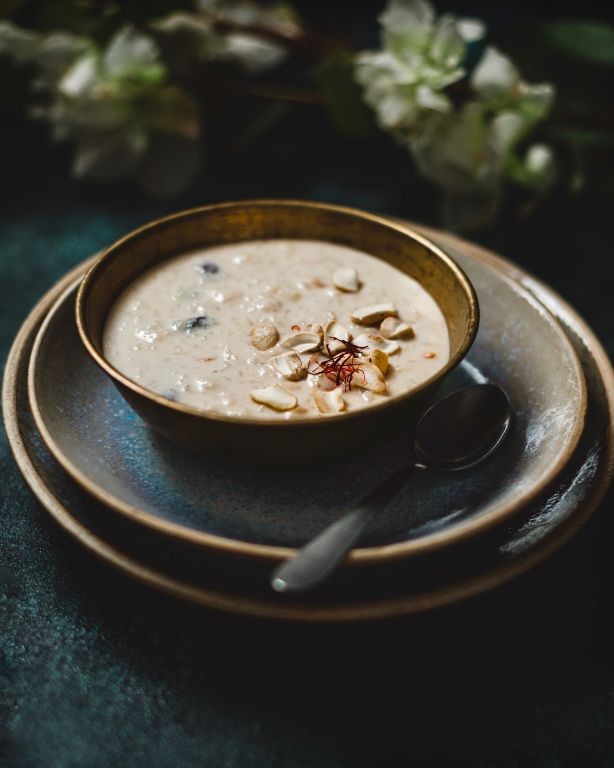
Dessert doesn’t need to be complicated. Poha kheer transforms humble flattened rice into a creamy, comforting pudding. It’s a quick Indian sweet that feels special without fuss.
Serving: 4 | Pre Time: 5 minutes | Cooking Time: 20 minutes
Ingredients
– 1 cup thick poha (flattened rice), rinsed quickly—I use the thick variety for better texture.
– 4 cups whole milk, cold from the fridge for a slow simmer.
– ½ cup granulated sugar, adjusted to your sweet tooth.
– ¼ cup raw cashews, chopped roughly for crunch.
– 2 tablespoons golden raisins, plump ones work best.
– 1 teaspoon ghee (clarified butter), my secret for toasting nuts.
– ½ teaspoon ground cardamom, freshly ground if possible.
– A pinch of saffron threads, soaked in 1 tablespoon warm milk for color.
Instructions
1. Rinse 1 cup thick poha under cold water for 10 seconds to soften slightly, then drain completely in a colander.
2. Heat 1 teaspoon ghee in a heavy-bottomed pot over medium heat until it shimmers.
3. Add ¼ cup chopped raw cashews to the pot and toast for 2-3 minutes, stirring constantly until golden brown.
4. Stir in 2 tablespoons golden raisins and cook for 1 minute until they puff up slightly.
5. Pour 4 cups whole milk into the pot and bring to a gentle boil over medium-high heat, stirring occasionally to prevent scorching.
6. Reduce heat to low and simmer the milk for 10 minutes, stirring every few minutes to thicken it slightly.
7. Add the drained poha to the pot and cook for 5 minutes, stirring frequently until the rice softens and absorbs some milk.
8. Mix in ½ cup granulated sugar and stir until fully dissolved, about 2 minutes.
9. Add ½ teaspoon ground cardamom and the saffron milk mixture, stirring to combine evenly.
10. Remove from heat and let sit for 5 minutes to thicken further as it cools.
Serve it warm or chilled—the texture is creamy with a slight chew from the poha. I love it topped with extra toasted nuts for crunch. It pairs beautifully with a cup of chai on a cozy evening.
Masala Poha with Chopped Veggies
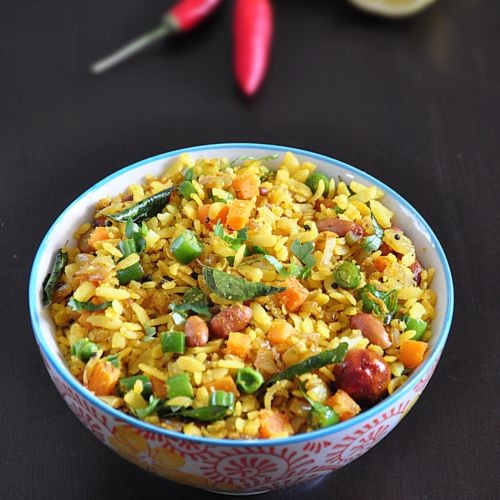
Essential for busy mornings, this Masala Poha with Chopped Veggies is a quick, savory Indian breakfast. Flattened rice soaks up spices while veggies add crunch. You’ll have a satisfying meal in under 30 minutes.
Serving: 2 | Pre Time: 10 minutes | Cooking Time: 15 minutes
Ingredients
– 1 cup thick poha (flattened rice) – rinse it gently in a colander; I find this prevents mushiness.
– 2 tbsp vegetable oil – a neutral oil works best here.
– 1 tsp mustard seeds – they’ll pop and sizzle, adding great aroma.
– 1 medium onion, finely chopped – yellow onions are my preference for sweetness.
– 1 small potato, diced into ½-inch cubes – I like Yukon Gold for their creamy texture.
– ½ cup frozen peas – no need to thaw, they cook quickly.
– ½ tsp turmeric powder – for that classic golden color.
– 1 tsp red chili powder – adjust if you prefer less heat.
– Salt to taste – I use about ¾ tsp for balance.
– 2 tbsp fresh cilantro, chopped – for a bright finish.
– 1 tbsp lemon juice – fresh-squeezed makes all the difference.
Instructions
1. Place the poha in a colander and rinse under cold running water for 30 seconds until slightly softened, then set aside to drain completely.
2. Heat the vegetable oil in a large non-stick skillet over medium heat until it shimmers, about 2 minutes.
3. Add the mustard seeds to the hot oil and cook until they start popping, which takes about 30 seconds.
4. Add the finely chopped onion to the skillet and sauté, stirring frequently, until translucent, about 3-4 minutes.
5. Stir in the diced potato and cook, uncovered, until the edges turn golden brown, approximately 5-6 minutes.
6. Tip: Cover the skillet briefly if the potatoes stick, but avoid overcooking to keep them firm.
7. Add the frozen peas, turmeric powder, red chili powder, and salt, mixing well to coat the vegetables evenly.
8. Cook the spiced vegetable mixture for 2 minutes until the peas are tender and the spices are fragrant.
9. Gently fold in the rinsed poha using a spatula to combine it with the vegetables without breaking the grains.
10. Tip: Reduce the heat to low to prevent the poha from drying out or burning.
11. Cook the combined mixture for 3-4 minutes, stirring occasionally, until the poha is heated through and has absorbed the flavors.
12. Turn off the heat and stir in the chopped cilantro and lemon juice just before serving.
13. Tip: Let the dish rest for 2 minutes off the heat to allow the flavors to meld together.
Now, enjoy this dish warm for the best experience. The poha should be fluffy and separate, with a subtle tang from the lemon. Serve it topped with sev or alongside a cup of masala chai for a comforting meal.
Poha Dhokla for a Steamed Treat
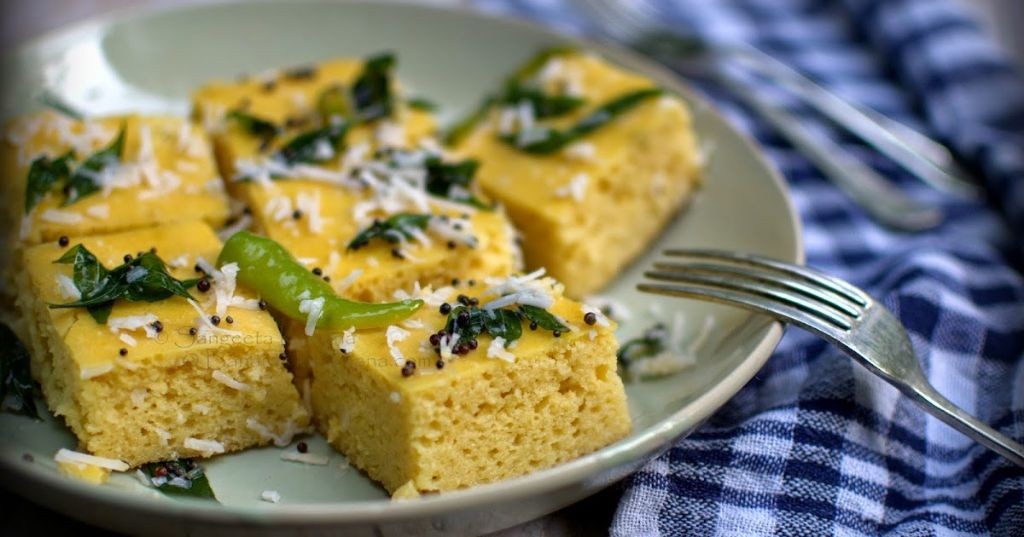
Grab your steamer—this Poha Dhokla recipe transforms humble flattened rice into a light, savory snack perfect for any time of day. It’s a fuss-free, steamed delight that comes together in minutes, offering a soft, spongy texture with a tangy kick. I love how the tempering adds a final crunch that contrasts beautifully with the tender cake.
Serving: 4 | Pre Time: 15 minutes | Cooking Time: 20 minutes
Ingredients
– 1 cup poha (flattened rice), rinsed briefly—I use thick poha for better texture, but thin works too if that’s what you have on hand
– ½ cup besan (gram flour), sifted to avoid lumps; this gives the dhokla its structure
– 1 tbsp lemon juice, freshly squeezed for a bright tang—bottled can taste flat
– 1 tsp ginger paste, homemade or store-bought, for a warm, aromatic note
– 1 tsp green chili paste, adjust to your heat preference; I keep it mild for kids
– 1 tsp sugar, just a pinch to balance the flavors
– ½ tsp turmeric powder, for that golden hue and earthy depth
– 1 tsp Eno fruit salt, the key to that airy rise—don’t substitute with baking soda here
– 1 tbsp vegetable oil, plus extra for greasing; I use a neutral oil like canola
– 1 tsp mustard seeds, for the tempering—they pop and add a nutty aroma
– 1 tbsp fresh cilantro, chopped finely, as a garnish for freshness
– Salt to taste, I start with ½ tsp and adjust after mixing
Instructions
1. Rinse 1 cup poha under cold water for 10 seconds, then drain and let it soak in a bowl for 5 minutes until softened.
2. Transfer the soaked poha to a blender, add ½ cup besan, 1 tbsp lemon juice, 1 tsp ginger paste, 1 tsp green chili paste, 1 tsp sugar, ½ tsp turmeric powder, and salt, then blend into a smooth batter—tip: scrape down the sides to ensure no dry bits remain.
3. Grease a 7-inch round cake pan or dhokla plate lightly with vegetable oil to prevent sticking.
4. Add 1 tsp Eno fruit salt to the batter and mix quickly for 10 seconds until frothy, then pour immediately into the greased pan—tip: work fast here as the Eno activates quickly for maximum rise.
5. Place the pan in a steamer over medium-high heat, cover with a lid, and steam for 15 minutes until a toothpick inserted comes out clean.
6. While steaming, heat 1 tbsp vegetable oil in a small pan over medium heat for the tempering.
7. Add 1 tsp mustard seeds to the hot oil and cook for 30 seconds until they start to pop, then remove from heat—tip: don’t let them burn, as it can turn bitter.
8. Once the dhokla is steamed, let it cool in the pan for 2 minutes, then pour the tempering evenly over the top.
9. Garnish with 1 tbsp chopped cilantro, cut into squares or diamonds, and serve warm.
Keep it simple—the dhokla should be soft and spongy with a subtle tang from the lemon and ginger. For a creative twist, serve it with a side of mint chutney or layer it in a sandwich with sliced veggies for a light lunch.
Poha Idli with Sambar
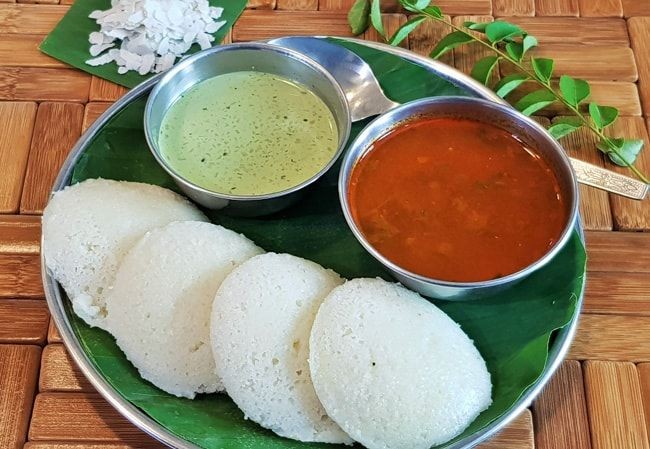
Grab a plate for this South Indian breakfast mashup that’s both comforting and surprisingly light. Poha Idli with Sambar combines fluffy steamed rice cakes with a tangy lentil stew—perfect for lazy weekend mornings or when you crave something different. It’s my go-to when I want to feel nourished without spending hours in the kitchen.
Serving: 4 | Pre Time: 15 minutes | Cooking Time: 25 minutes
Ingredients
– 1 cup flattened rice (poha), rinsed and drained—I use thick poha for better texture
– ½ cup semolina (sooji), toasted lightly for a nutty aroma
– ½ cup plain yogurt, room temp to help fermentation
– 1 tsp baking soda, sifted to avoid clumps
– Salt to taste, I start with ½ tsp
– 1 tbsp vegetable oil, for greasing the idli molds
– 1 cup toor dal (split pigeon peas), soaked for 30 minutes to soften
– 1 medium tomato, chopped—ripe ones add natural sweetness
– 1 small onion, finely diced
– 2 tsp sambar powder, my favorite brand is MTR for authentic flavor
– ½ tsp turmeric powder, for that golden hue
– 2 tbsp tamarind paste, dissolved in ¼ cup warm water
– 1 tbsp ghee, for tempering—clarified butter makes it aromatic
– 1 tsp mustard seeds, they should pop when hot
– 2 dried red chilies, broken for a subtle heat
– Fresh cilantro, chopped for garnish
Instructions
1. Combine rinsed poha, semolina, yogurt, and salt in a bowl; mix until smooth and let rest for 10 minutes to absorb moisture.
2. Stir in baking soda gently—this helps the idlis rise during steaming.
3. Grease idli molds with vegetable oil using a brush to prevent sticking.
4. Spoon batter into molds, filling each cavity ¾ full to allow expansion.
5. Steam idlis in a steamer over medium heat for 12–15 minutes, or until a toothpick inserted comes out clean.
6. While idlis steam, pressure cook soaked toor dal with 2 cups water for 3 whistles over high heat, then reduce to low for 5 minutes.
7. Mash the cooked dal lightly with a spoon to thicken the sambar base.
8. In a separate pot, heat ghee over medium heat until shimmering; add mustard seeds and wait for them to pop, about 30 seconds.
9. Add diced onion and sauté until translucent, roughly 3–4 minutes, stirring frequently to avoid burning.
10. Stir in chopped tomato, turmeric, and sambar powder; cook for 2 minutes until fragrant.
11. Pour in tamarind water and mashed dal, bring to a boil, then simmer for 8–10 minutes until slightly thickened.
12. Add broken red chilies and simmer for another 2 minutes to infuse heat.
13. Remove idlis from steamer and let cool for 2 minutes before unmolding with a spoon.
14. Serve idlis warm with hot sambar ladled over, garnished with cilantro.
The idlis turn out soft and spongy, soaking up the sambar’s tangy, spiced broth beautifully. For a creative twist, crumble leftover idlis into the sambar for a hearty porridge-style dish the next day.
Sweet Poha with Jaggery and Nuts
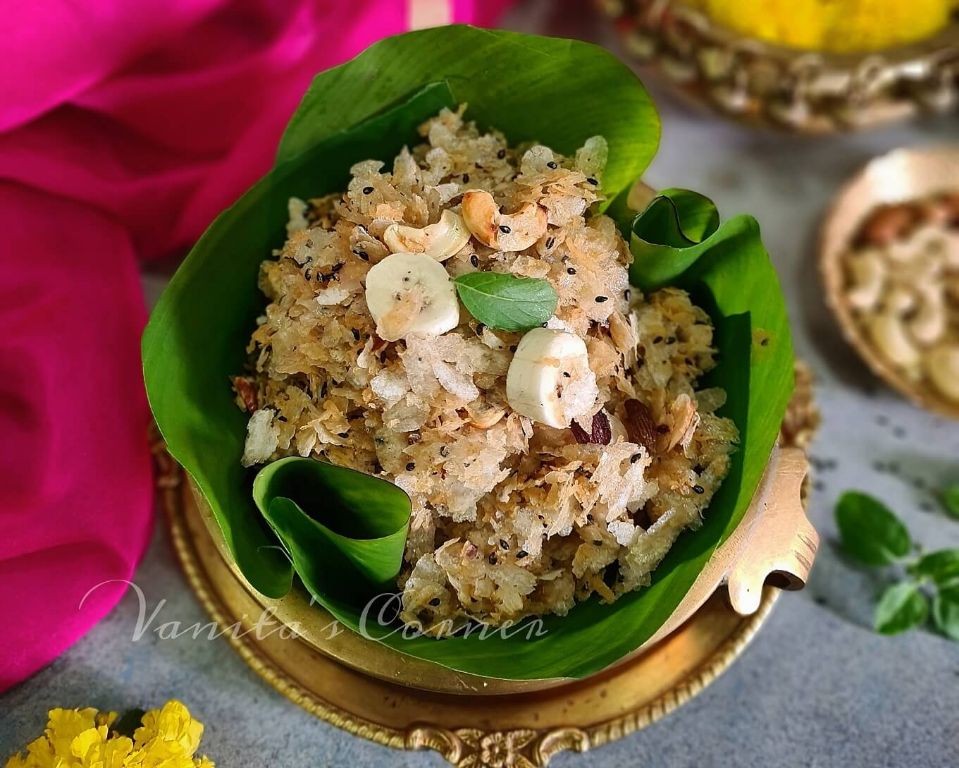
Oftentimes, the simplest breakfasts are the most satisfying. This sweet poha with jaggery and nuts is a warm, comforting dish that comes together in minutes, perfect for a lazy weekend morning or a quick energy boost.
Serving: 2 | Pre Time: 5 minutes | Cooking Time: 10 minutes
Ingredients
– 1 cup thick poha (flattened rice), rinsed quickly—I find this prevents mushiness.
– 2 tbsp ghee, for that rich, nutty aroma.
– 2 tbsp chopped raw cashews, my favorite for crunch.
– 2 tbsp chopped almonds, toasted lightly beforehand if you have time.
– 1/4 cup grated jaggery, which adds a deep caramel sweetness—adjust to your preference.
– 1/4 tsp cardamom powder, freshly ground if possible.
– A pinch of salt, to balance the sweetness.
Instructions
1. Heat 1 tbsp ghee in a non-stick pan over medium heat (around 300°F).
2. Add 2 tbsp chopped raw cashews and 2 tbsp chopped almonds to the pan.
3. Toast the nuts for 2-3 minutes, stirring constantly, until they turn golden brown—watch closely to avoid burning.
4. Remove the toasted nuts from the pan and set them aside on a plate.
5. In the same pan, add the remaining 1 tbsp ghee.
6. Add 1 cup rinsed thick poha to the pan.
7. Sauté the poha for 3-4 minutes over medium heat, stirring gently, until it becomes fluffy and dry.
8. Sprinkle a pinch of salt over the poha and mix well.
9. Add 1/4 cup grated jaggery to the pan.
10. Stir continuously for 2 minutes until the jaggery melts and coats the poha evenly.
11. Mix in 1/4 tsp cardamom powder.
12. Turn off the heat and fold in the toasted nuts.
13. Let the mixture sit for 1 minute to allow flavors to meld.
14. Serve immediately while warm.
Ultimately, this dish offers a delightful contrast: the soft, slightly chewy poha pairs beautifully with the crunchy nuts and aromatic cardamom. Enjoy it as is, or get creative by topping it with a dollop of yogurt or fresh fruit for a refreshing twist.
Poha Chaat with Yogurt and Chutneys

Mornings call for something quick yet satisfying, and this Poha Chaat hits the spot with its tangy, crunchy layers. It’s a no-cook assembly that brings together fluffy flattened rice, cool yogurt, and vibrant chutneys for a refreshing snack or light meal. Perfect for when you need a flavorful pick-me-up without the fuss.
Serving: 2 | Pre Time: 15 minutes | Cooking Time: 0 minutes
Ingredients
– 1 cup thick poha (flattened rice), rinsed briefly—I like the texture when it’s just damp, not soggy.
– 1/2 cup plain whole-milk yogurt, chilled for a creamy contrast.
– 1/4 cup tamarind chutney, store-bought or homemade for that sweet-tart kick.
– 1/4 cup mint-cilantro chutney, fresh herbs blended in for a bright, herby note.
– 1/2 cup finely chopped red onion, crisp and sharp to balance the dish.
– 1/2 cup diced tomato, seeds removed to avoid sogginess.
– 1/4 cup roasted peanuts, crushed lightly for crunch—I prefer unsalted to control seasoning.
– 1 tbsp chaat masala, my go-to spice blend for that authentic street-food flavor.
– 1 tbsp fresh lemon juice, squeezed right before serving to keep it zesty.
– 1/4 cup sev (crispy chickpea noodles), added last for maximum crispiness.
– 2 tbsp chopped cilantro, for a fresh garnish.
Instructions
1. Place the rinsed poha in a large bowl and let it sit for 5 minutes to soften slightly—it should be fluffy, not mushy.
2. Add the chopped red onion and diced tomato to the poha, tossing gently to combine.
3. Sprinkle the chaat masala evenly over the mixture, using your hands to distribute it well for even seasoning.
4. Drizzle the tamarind chutney and mint-cilantro chutney over the poha, folding in lightly to create streaks without overmixing.
5. Spoon the chilled yogurt on top, spreading it in a thin layer to coat the base evenly.
6. Squeeze the fresh lemon juice directly over the yogurt to brighten the flavors immediately before serving.
7. Scatter the crushed roasted peanuts and sev over the dish, pressing them in lightly so they adhere to the yogurt.
8. Garnish with chopped cilantro for a fresh finish.
Tip: Rinse the poha under cold water for no more than 10 seconds to prevent it from becoming pasty. Tip: Chill the yogurt for at least 30 minutes beforehand—it helps it hold its shape and adds a refreshing coolness. Tip: Assemble the chaat just before eating to keep the sev crunchy and the textures distinct.
Unfold each bite to experience a delightful mix of soft poha, creamy yogurt, and crunchy toppings. The tangy chutneys cut through the richness, while the chaat masala adds a savory depth that lingers. Serve it immediately in individual bowls, or layer it in a glass for a visually appealing parfait-style presentation that highlights the colorful components.
Poha Stir-Fry with Mixed Vegetables

You’ve probably got a bag of poha sitting in your pantry, waiting for a quick weeknight makeover. This stir-fry transforms those flattened rice flakes into a vibrant, veggie-packed meal in under 30 minutes—perfect for when you need something satisfying without the fuss.
Serving: 4 | Pre Time: 10 minutes | Cooking Time: 15 minutes
Ingredients
– 2 cups thick poha (I like the thicker variety for better texture; rinse it briefly in a colander and let it drain while you prep)
– 2 tbsp vegetable oil (a neutral oil works best here to let the spices shine)
– 1 tsp mustard seeds (they’ll pop and sizzle—my favorite part!)
– 1 medium yellow onion, finely chopped (I always keep these on hand for a sweet base)
– 2 cloves garlic, minced (fresh is key for that aromatic punch)
– 1 cup mixed vegetables, like diced carrots, peas, and bell peppers (frozen works in a pinch, but fresh adds crunch)
– 1 tsp turmeric powder (for that golden hue and earthy flavor)
– 1 tsp red chili powder (adjust based on your heat preference—I go for a medium kick)
– Salt, to taste (I start with ½ tsp and adjust later)
– 2 tbsp fresh cilantro, chopped (a must for garnish; it brightens everything up)
– 1 tbsp lemon juice (squeeze it fresh right at the end for a zesty finish)
Instructions
1. Heat the vegetable oil in a large skillet or wok over medium-high heat until it shimmers, about 1 minute.
2. Add the mustard seeds and cook until they start to pop and crackle, roughly 30 seconds—listen for that signature sound.
3. Stir in the chopped onion and sauté until translucent and lightly golden, 3-4 minutes, stirring occasionally to prevent burning.
4. Add the minced garlic and cook for 1 minute until fragrant, being careful not to let it brown too much.
5. Tip in the mixed vegetables and cook for 4-5 minutes until they soften slightly but still have a bit of crunch.
6. Sprinkle in the turmeric powder and red chili powder, stirring quickly to coat the vegetables evenly for about 30 seconds.
7. Reduce the heat to medium and gently fold in the rinsed poha, mixing well to combine with the spices and veggies.
8. Season with salt, starting with ½ tsp, and cook for 2-3 minutes until the poha is heated through and has absorbed the flavors.
9. Turn off the heat and drizzle with fresh lemon juice, tossing once to distribute.
10. Garnish with chopped cilantro just before serving.
Enjoy the fluffy yet slightly chewy texture of the poha against the crisp-tender vegetables. Each bite delivers a warm, spiced flavor with a hint of citrus from the lemon—serve it topped with a fried egg for a protein boost or alongside yogurt for a cooling contrast.
Summary
Zesty, versatile, and utterly delightful—these 20 poha recipes prove this humble ingredient can shine for any meal or occasion. We hope you’re inspired to whip up a batch! Don’t forget to leave a comment telling us your favorite, and if you enjoyed this roundup, please share it on Pinterest to spread the poha love. Happy cooking!