Zesty, sweet, and surprisingly versatile, prunes are the unsung heroes of your pantry! Whether you’re craving cozy comfort food or elegant dinner party dishes, these little gems add rich depth to both sweet treats and savory meals. Get ready to fall in love with prunes all over again—our roundup of 18 delicious recipes will inspire your next kitchen adventure. Let’s dive in!
Prune and Walnut Stuffed Chicken
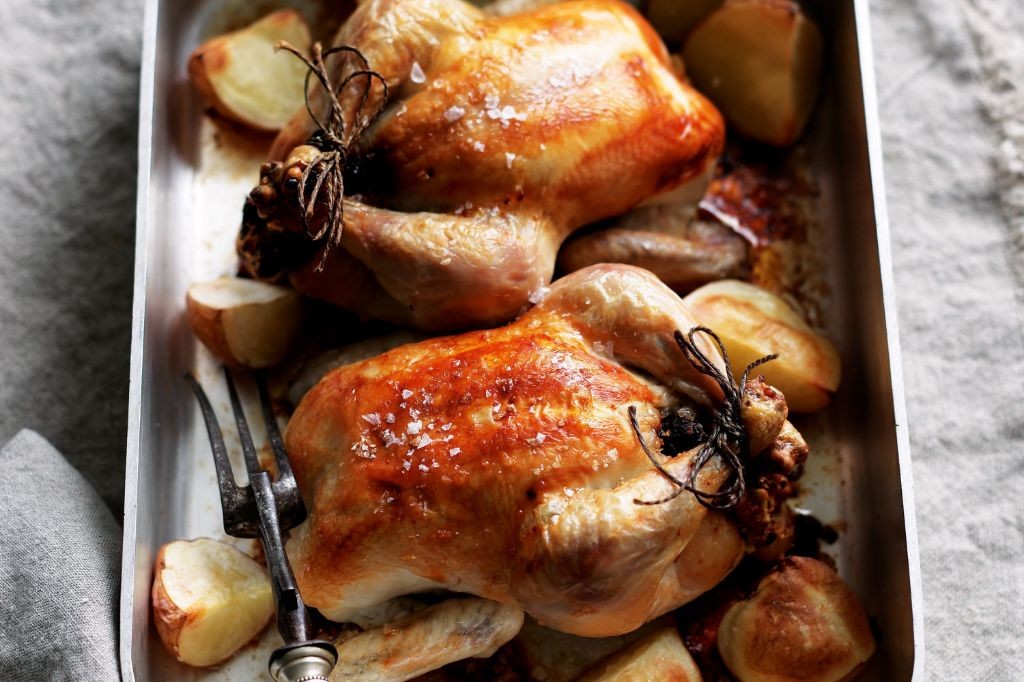
Remembering how the kitchen fills with warmth on quiet evenings, I often turn to this comforting dish that feels like a gentle embrace after a long day. The sweet prunes and earthy walnuts tucked inside the chicken create a melody of flavors that’s both humble and deeply satisfying, perfect for a reflective meal shared with loved ones or savored in solitude.
Serving: 4 | Pre Time: 20 minutes | Cooking Time: 45 minutes
Ingredients
– 4 boneless, skin-on chicken breasts, about 6 ounces each—I find letting them sit at room temperature for 10 minutes helps them cook more evenly.
– 1 cup pitted prunes, chopped into small pieces; their natural sweetness balances the savory notes beautifully.
– 1/2 cup walnuts, toasted and roughly chopped—toasting them in a dry pan over medium heat for 3-5 minutes until fragrant brings out their nutty depth.
– 2 tablespoons extra virgin olive oil, my go-to for its fruity aroma that adds a subtle richness.
– 1 teaspoon dried thyme, crumbled between your fingers to release its earthy essence.
– 1/2 teaspoon kosher salt, which I prefer for its clean, even seasoning.
– 1/4 teaspoon freshly ground black pepper, freshly cracked for the best flavor.
– 1/2 cup low-sodium chicken broth, to keep the dish moist without overpowering it.
Instructions
1. Preheat your oven to 375°F (190°C) to ensure it’s ready for baking.
2. In a medium bowl, combine the chopped prunes, toasted walnuts, dried thyme, 1/4 teaspoon of the kosher salt, and 1/8 teaspoon of the black pepper, mixing gently with your hands to distribute the ingredients evenly—this helps the stuffing hold together.
3. Lay the chicken breasts flat on a cutting board and, using a sharp knife, make a horizontal slit along the thicker side of each breast to create a pocket, being careful not to cut all the way through.
4. Stuff each chicken breast pocket with about 1/4 cup of the prune and walnut mixture, pressing it in gently to avoid overfilling, which can cause the stuffing to spill out during cooking.
5. Season the outside of the stuffed chicken breasts with the remaining 1/4 teaspoon kosher salt and 1/8 teaspoon black pepper, rubbing it in lightly for even coverage.
6. Heat the extra virgin olive oil in a large oven-safe skillet over medium-high heat until it shimmers, about 2 minutes.
7. Place the stuffed chicken breasts in the skillet, skin-side down, and sear for 4-5 minutes until the skin is golden brown and crispy—this locks in juices and adds texture.
8. Flip the chicken breasts carefully with tongs and pour the low-sodium chicken broth into the skillet around them to deglaze the pan and create a light sauce.
9. Transfer the skillet to the preheated oven and bake for 25-30 minutes, or until the internal temperature of the chicken reaches 165°F (74°C) when checked with a meat thermometer inserted into the thickest part.
10. Remove the skillet from the oven and let the chicken rest for 5 minutes on a cutting board to allow the juices to redistribute, keeping it tender and moist.
Gently slice into the chicken to reveal the warm, jammy filling, where the prunes soften into a sweet contrast against the crunchy walnuts. The tender meat, infused with herbal notes from the thyme, pairs wonderfully with a simple side of roasted vegetables or a light salad, making each bite a quiet celebration of texture and flavor that feels both nourishing and indulgent.
Moroccan Tagine with Prunes and Apricots

Floating through the kitchen on a quiet afternoon, I find myself drawn to the warmth of slow-cooked spices and the sweet promise of dried fruit. This Moroccan tagine with prunes and apricots is a gentle embrace of flavors, perfect for a reflective meal that unfolds like a story.
Serving: 4 | Pre Time: 20 minutes | Cooking Time: 90 minutes
Ingredients
– 2 tbsp extra virgin olive oil, my go-to for its fruity depth
– 1 large yellow onion, finely chopped—I like the sweetness it brings
– 3 garlic cloves, minced, for that aromatic punch
– 1 lb boneless lamb shoulder, cut into 1-inch cubes (beef works too, but lamb is traditional)
– 1 tsp ground cinnamon, which adds a cozy warmth
– 1 tsp ground ginger, for a subtle kick
– 1/2 tsp ground turmeric, for color and earthiness
– 1/4 tsp saffron threads, soaked in 2 tbsp warm water—it’s worth the splurge
– 2 cups chicken broth, low-sodium to control the salt
– 1/2 cup pitted prunes, plumped in warm water for 10 minutes
– 1/2 cup dried apricots, halved, for a tangy contrast
– 1 tbsp honey, to balance the spices
– Salt, just a pinch to enhance everything
– Fresh cilantro, chopped, for a bright finish
Instructions
1. Heat the extra virgin olive oil in a large, heavy-bottomed pot or Dutch oven over medium heat until it shimmers, about 2 minutes.
2. Add the finely chopped yellow onion and cook, stirring occasionally, until softened and translucent, about 5-7 minutes.
3. Stir in the minced garlic and cook for 1 minute until fragrant, being careful not to burn it.
4. Increase the heat to medium-high and add the cubed lamb shoulder, browning on all sides for 5-6 minutes total to develop flavor.
5. Sprinkle the ground cinnamon, ground ginger, and ground turmeric over the lamb, stirring to coat evenly for 30 seconds.
6. Pour in the saffron with its soaking water and the chicken broth, scraping up any browned bits from the bottom of the pot.
7. Bring the mixture to a gentle simmer, then reduce the heat to low, cover, and let it cook for 60 minutes until the lamb is tender.
8. Add the plumped pitted prunes, halved dried apricots, and honey, stirring gently to combine.
9. Continue cooking uncovered for 20 minutes, allowing the sauce to thicken slightly and the fruit to soften.
10. Season with a pinch of salt, then remove from heat and garnish with chopped fresh cilantro.
11. Tip: For deeper flavor, let the tagine rest for 10 minutes off the heat before serving—it allows the spices to meld.
12. Tip: If using a tagine pot, keep the heat very low to prevent cracking and ensure even cooking.
13. Tip: Taste the broth after adding the fruit; if it’s too tart, a dash more honey can smooth it out without overpowering.
Perhaps the tender lamb, infused with cinnamon and ginger, melts against the sweet-tart prunes and apricots, creating a silky sauce that begs to be soaked up with flatbread. Serve it over couscous for a traditional touch, or with a side of roasted vegetables to let the flavors shine in a quiet, comforting meal.
Prune and Almond Energy Balls
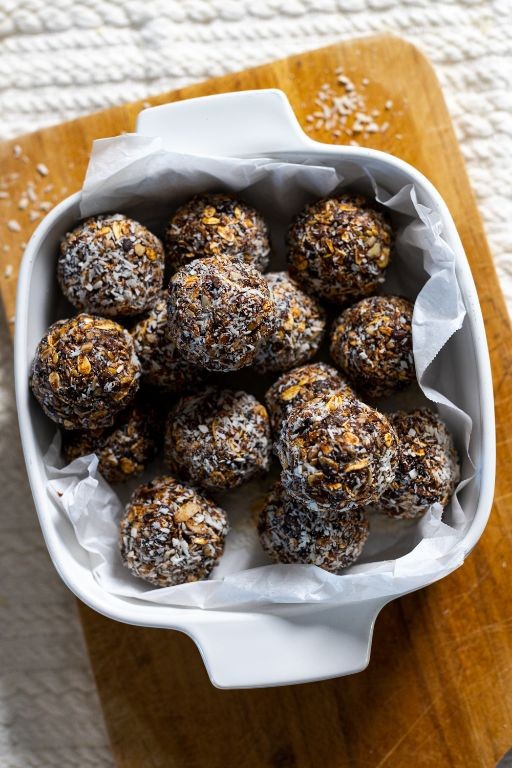
There’s something quietly grounding about rolling these little spheres between my palms on a slow afternoon—a simple, hands-on ritual that yields a wholesome treat to tuck away for later. These prune and almond energy balls are my go‑by when I need a gentle, nourishing lift, and they come together with just a few pantry staples.
Serving: 12 | Pre Time: 15 minutes | Cooking Time: 0 minutes
Ingredients
– 1 cup pitted prunes (I like to use soft, moist ones—they blend more easily)
– ¾ cup raw almonds (toasting them first brings out a lovely depth)
– 2 tablespoons pure maple syrup (the darker grade B has a richer flavor)
– 1 tablespoon unsweetened cocoa powder (I keep a little jar of Dutch‑process on hand)
– ½ teaspoon pure vanilla extract (the real stuff makes all the difference)
– A pinch of fine sea salt (just a whisper to balance the sweetness)
Instructions
1. Spread the ¾ cup raw almonds in a single layer on a small baking sheet.
2. Toast the almonds in a preheated 350°F oven for 8–10 minutes, until fragrant and lightly golden—watch closely to avoid burning.
3. Let the toasted almonds cool completely on the sheet, about 10 minutes, so they crisp up properly.
4. Place the cooled almonds in a food processor and pulse until finely chopped, but not powdered, about 10–12 short pulses.
5. Add the 1 cup pitted prunes, 2 tablespoons pure maple syrup, 1 tablespoon unsweetened cocoa powder, ½ teaspoon pure vanilla extract, and a pinch of fine sea salt to the processor.
6. Process the mixture on high until it comes together into a sticky, uniform dough, scraping down the sides once or twice, about 1–2 minutes total.
7. Scoop out tablespoon‑sized portions of the dough and roll each firmly between your palms into smooth, round balls.
8. Arrange the rolled balls on a parchment‑lined plate or tray.
9. Chill the energy balls in the refrigerator for at least 30 minutes to firm up before serving.
Usually, I find these best after a good chill—they hold their shape beautifully and develop a fudgy, dense texture that’s studded with little bits of almond. The prunes lend a natural, caramel‑like sweetness that pairs so well with the subtle bitterness of the cocoa. For a festive touch, try rolling a few in shredded coconut or a dusting of cinnamon sugar before chilling.
Classic Prune and Armagnac Tart
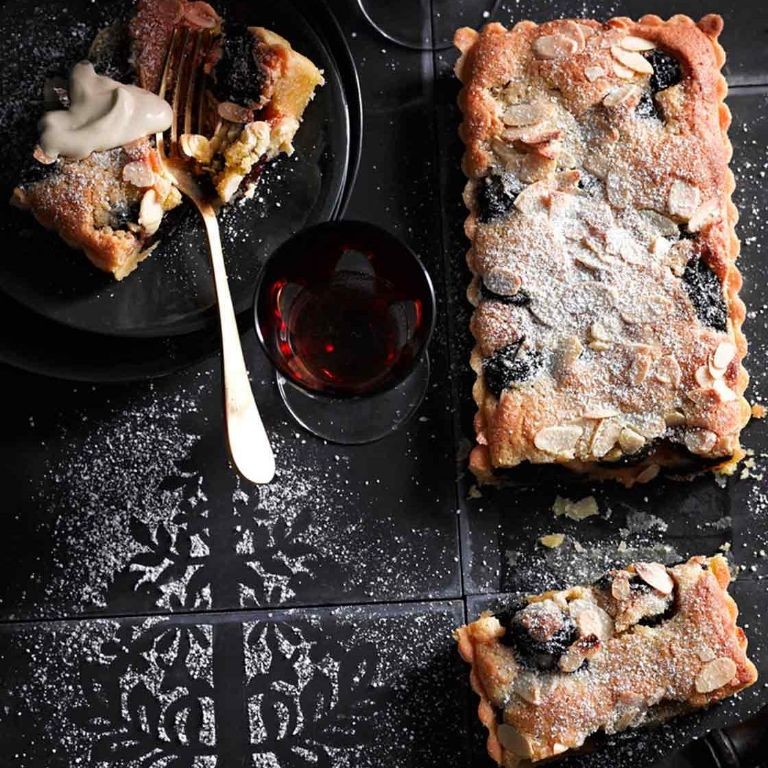
Years ago, I discovered this tart in a dusty French cookbook at a flea market, and its quiet elegance has stayed with me ever since. It’s a dessert that feels like a whispered secret, with prunes softened in Armagnac and baked into a buttery crust—a gentle nod to tradition on a winter afternoon.
Serving: 8 | Pre Time: 30 minutes | Cooking Time: 45 minutes
Ingredients
– 1 ¼ cups all-purpose flour, plus a little extra for dusting—I always keep mine in a glass jar on the counter
– ½ cup unsalted butter, cold and cubed; I find European-style butter gives the flakiest crust
– ¼ cup granulated sugar, just enough to sweeten the pastry lightly
– 1 large egg yolk, at room temperature for easier blending
– 12 ounces pitted prunes, plump and dark, the kind that feel soft to the touch
– ½ cup Armagnac, a rich brandy that adds a warm, woody depth—I use a small bottle saved for special recipes
– 1 cup heavy cream, full-fat for the silkiest custard
– 2 large eggs, also at room temperature to prevent curdling
– 1 teaspoon vanilla extract, pure and fragrant, my pantry staple
– A pinch of salt, to balance the sweetness
Instructions
1. In a large bowl, combine 1 ¼ cups flour, ¼ cup sugar, and a pinch of salt.
2. Add ½ cup cold, cubed butter, and use your fingertips to rub it into the flour until the mixture resembles coarse crumbs—this should take about 3–4 minutes.
3. Mix in 1 egg yolk until the dough just comes together; avoid overworking it to keep the crust tender.
4. Shape the dough into a disk, wrap it in plastic, and chill in the refrigerator for exactly 20 minutes to firm up.
5. While the dough chills, place 12 ounces prunes in a small saucepan with ½ cup Armagnac, and simmer over low heat for 10 minutes until the prunes are plump and the liquid reduces slightly.
6. Remove the prunes from the heat and let them cool to room temperature, about 15 minutes.
7. Preheat your oven to 375°F, and lightly flour a surface to roll out the dough.
8. Roll the chilled dough into an 11-inch circle, about ⅛ inch thick, and carefully transfer it to a 9-inch tart pan with a removable bottom.
9. Press the dough into the pan, trim any excess, and prick the bottom all over with a fork to prevent puffing.
10. Arrange the cooled prunes evenly over the dough in a single layer.
11. In a medium bowl, whisk together 1 cup heavy cream, 2 eggs, and 1 teaspoon vanilla extract until smooth and fully combined.
12. Pour the cream mixture over the prunes, ensuring it spreads evenly without overflowing.
13. Bake the tart in the preheated oven for 35–40 minutes, until the custard is set and the crust is golden brown—a toothpick inserted should come out clean.
14. Let the tart cool completely on a wire rack, at least 1 hour, before slicing to allow the flavors to meld.
Fragrant and rich, this tart offers a velvety custard that cradles the boozy prunes, with a crust that shatters delicately at the touch. Serve it slightly warm with a dollop of crème fraîche, or let it sit overnight for the Armagnac to deepen into a mellow, comforting finish.
Spiced Prune and Apple Compote
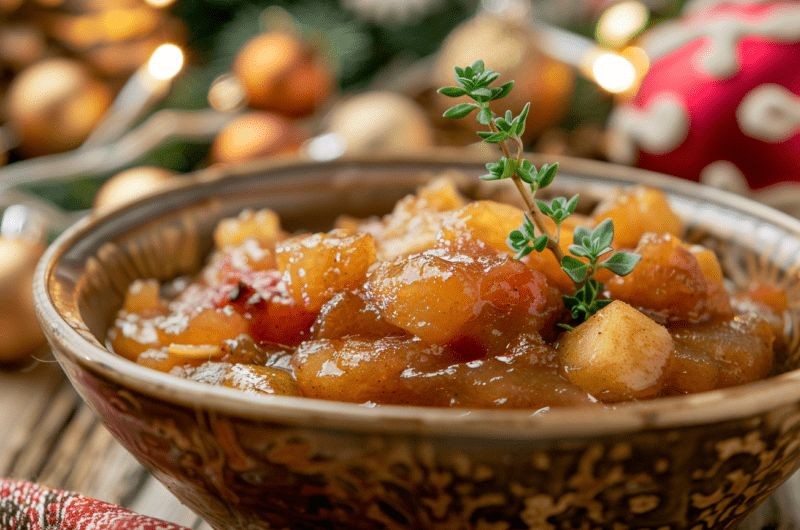
Now, as the year draws to a close and the kitchen fills with the quiet promise of a slow morning, I find myself reaching for the simplest of comforts—a pot of something warm and spiced, bubbling gently on the stove. It’s a humble, forgiving sort of dish, one that feels like a whispered secret between the fruit and the spices, a small ritual of softening and sweetness that requires little more than patience and a watchful eye.
Serving: 6 | Pre Time: 10 minutes | Cooking Time: 25 minutes
Ingredients
– 1 pound of firm, tart apples (I like Granny Smith for their bright bite), peeled, cored, and cut into ½-inch chunks
– 8 ounces of pitted prunes (the plump, sticky ones that come in a box, always a pantry staple)
– 1 cup of water
– ½ cup of granulated sugar (I sometimes use a scant ⅓ cup if the apples are very sweet)
– 1 cinnamon stick (a whole one, please—it infuses so much better than ground)
– ½ teaspoon of ground cardamom (my favorite warm, floral note)
– ¼ teaspoon of fine sea salt (just a pinch to balance the sweetness)
– 1 tablespoon of unsalted butter (cold, cut into small pieces, for a glossy finish)
Instructions
1. In a medium-sized, heavy-bottomed saucepan, combine the apple chunks, prunes, water, sugar, cinnamon stick, ground cardamom, and sea salt.
2. Place the saucepan over medium heat and bring the mixture to a gentle simmer, stirring once or twice with a wooden spoon to dissolve the sugar—this should take about 5 minutes.
3. Once simmering, reduce the heat to low and cover the saucepan with a lid, leaving it slightly ajar to allow steam to escape.
4. Let the compote cook undisturbed for 15 minutes, until the apples are tender when pierced with a fork but still hold their shape.
5. Remove the lid and carefully take out the cinnamon stick with tongs—it’s done its job, infusing the syrup with warmth.
6. Stir in the cold butter pieces until they melt completely into the compote, which will give it a lovely sheen and rich mouthfeel.
7. Remove the saucepan from the heat and let the compote cool for at least 10 minutes in the pan; it will thicken slightly as it sits.
For serving, this compote settles into a soft, jammy texture with chunks of apple that melt on the tongue, the prunes lending a deep, honeyed sweetness against the bright spice of cardamom. I love it spooned warm over a bowl of creamy oatmeal or alongside a slice of sharp cheddar cheese for a savory contrast—it’s equally at home on a holiday table or a quiet Tuesday morning.
Prune and Chocolate Chip Oatmeal Cookies

Under the quiet hum of the oven, a familiar comfort takes shape, one that feels like a warm hug on a chilly afternoon. It’s a simple, humble cookie, born from the pantry and a desire for something both nourishing and sweet, where chewy prunes meet pockets of melted chocolate in a cozy oat base.
Serving: 24 cookies | Pre Time: 15 minutes | Cooking Time: 12 minutes
Ingredients
– 1 cup (2 sticks) unsalted butter, softened at room temperature—I find this makes for a creamier dough that bakes up just right.
– ¾ cup packed light brown sugar, for that deep molasses warmth.
– ½ cup granulated sugar, to balance the sweetness.
– 2 large eggs, preferably at room temperature to help them incorporate smoothly.
– 1 teaspoon pure vanilla extract, my little splash of aromatic comfort.
– 1 ½ cups all-purpose flour, spooned and leveled to avoid a dense cookie.
– 1 teaspoon baking soda, to give them a gentle lift.
– ½ teaspoon fine sea salt, which I always add to enhance all the flavors.
– 3 cups old-fashioned rolled oats, the heart of these cookies for a lovely chew.
– 1 cup pitted prunes, chopped into small, sticky pieces—they add such a lovely jammy quality.
– 1 cup semi-sweet chocolate chips, because who can resist those melty pockets?
Instructions
1. Preheat your oven to 350°F (175°C) and line two baking sheets with parchment paper.
2. In a large bowl, use a hand mixer or stand mixer to beat the softened butter, brown sugar, and granulated sugar together on medium speed for 2–3 minutes, until light and fluffy. Tip: Don’t rush this step—creaming the butter and sugar well creates a tender cookie texture.
3. Add the eggs one at a time, beating well after each addition until fully incorporated, then mix in the vanilla extract.
4. In a separate medium bowl, whisk together the flour, baking soda, and salt until evenly combined.
5. Gradually add the dry flour mixture to the wet butter mixture, mixing on low speed just until no white streaks remain, being careful not to overmix.
6. Using a sturdy spatula, fold in the rolled oats, chopped prunes, and chocolate chips until evenly distributed throughout the dough. Tip: If the dough feels too sticky, chill it in the refrigerator for 10 minutes—this makes it easier to scoop and helps prevent spreading.
7. Scoop rounded tablespoons of dough (about 1.5 inches in diameter) and place them 2 inches apart on the prepared baking sheets.
8. Bake in the preheated oven for 10–12 minutes, or until the edges are lightly golden but the centers still look soft. Tip: For chewier cookies, pull them out at 10 minutes; for crispier edges, go to 12 minutes—they’ll firm up as they cool.
9. Let the cookies cool on the baking sheets for 5 minutes to set, then transfer them to a wire rack to cool completely.
Soft and chewy with a hint of caramel from the oats, these cookies offer a delightful contrast between the gooey chocolate and the sweet, tangy prunes. Serve them slightly warm with a glass of cold milk, or crumble one over vanilla ice cream for a simple, indulgent dessert that feels like a quiet moment of joy.
Slow-Cooked Beef Stew with Prunes

Musing on this chilly December afternoon, I find myself drawn to the quiet comfort of slow cooking—the way it fills the kitchen with warmth and anticipation. There’s something deeply soothing about letting ingredients meld together over hours, transforming into a dish that feels like a gentle embrace on a cold day. This beef stew, enriched with sweet prunes, is one of those recipes that invites you to slow down and savor the process.
Serving: 6 | Pre Time: 20 minutes | Cooking Time: 3 hours
Ingredients
– 2 lbs beef chuck, cut into 1-inch cubes (I like to trim excess fat for a cleaner taste)
– 1 tbsp extra virgin olive oil (my go-to for its fruity notes)
– 1 large yellow onion, diced (I always chop it finely for even cooking)
– 2 carrots, peeled and sliced into ½-inch rounds (fresh ones add a lovely sweetness)
– 2 celery stalks, chopped (the crisp texture holds up well)
– 3 garlic cloves, minced (I press them for a more intense flavor)
– 1 cup dry red wine (a bold Cabernet works beautifully here)
– 2 cups beef broth (homemade if you have it, but store-bought is fine)
– 1 cup pitted prunes (they plump up so nicely in the stew)
– 1 tsp dried thyme (I prefer it over fresh for a deeper aroma)
– Salt and black pepper (to season throughout)
Instructions
1. Pat the beef cubes dry with paper towels to ensure a good sear.
2. Heat the olive oil in a large Dutch oven over medium-high heat until it shimmers, about 2 minutes.
3. Add the beef in a single layer, working in batches if needed, and sear until browned on all sides, approximately 4-5 minutes per batch. Tip: Avoid overcrowding the pot to prevent steaming instead of browning.
4. Transfer the seared beef to a plate and set aside.
5. Reduce the heat to medium and add the onion, carrots, and celery to the same pot, cooking until softened, about 5-7 minutes.
6. Stir in the minced garlic and cook for 1 minute until fragrant.
7. Pour in the red wine, scraping up any browned bits from the bottom of the pot with a wooden spoon, and let it simmer for 3 minutes to reduce slightly.
8. Return the beef to the pot along with any accumulated juices.
9. Add the beef broth, prunes, dried thyme, 1 tsp salt, and ½ tsp black pepper, stirring to combine.
10. Bring the mixture to a gentle boil, then reduce the heat to low, cover the pot, and let it simmer for 2.5 to 3 hours, until the beef is fork-tender. Tip: Check occasionally and stir to prevent sticking, adding a splash of water if it gets too thick.
11. Taste and adjust seasoning with more salt and pepper if needed, then simmer uncovered for 10 minutes to thicken the sauce slightly. Tip: For a richer flavor, let it rest off the heat for 15 minutes before serving.
12. Carefully ladle the stew into bowls, ensuring each serving gets a mix of beef, vegetables, and prunes.
Comforting and complex, this stew emerges with tender beef that falls apart at the touch of a fork, while the prunes melt into the sauce, lending a subtle sweetness that balances the savory depth. Serve it over creamy mashed potatoes or with a crusty loaf of bread to soak up every last drop—it’s a meal that feels like a quiet celebration, perfect for sharing or savoring alone.
Prune and Orange Glazed Ham
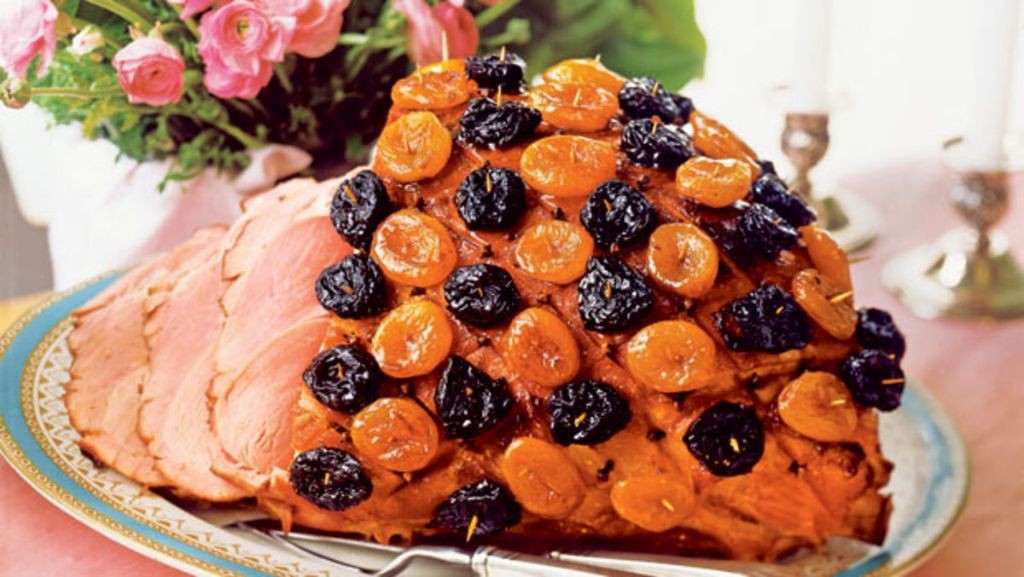
Gently, as the winter light fades early this afternoon, I find myself drawn to the kitchen, to the quiet ritual of preparing a centerpiece that feels both celebratory and deeply comforting. There’s something about the slow, sweet alchemy of fruit and spice transforming a humble ham that makes the whole house feel like a sanctuary. It’s a dish that asks for patience and rewards it with layers of flavor that unfold with every bite.
Serving: 10-12 | Pre Time: 20 minutes | Cooking Time: 2 hours 30 minutes
Ingredients
– 1 (8-10 lb) fully cooked, bone-in ham (I always look for one with a nice fat cap for self-basting)
– 1 cup pitted prunes, roughly chopped (their deep sweetness is non-negotiable)
– 1 cup fresh orange juice, from about 3 large oranges (strained to avoid pulp, which can burn)
– 1/2 cup packed light brown sugar
– 1/4 cup Dijon mustard (my go-to for its sharp tang that cuts the sweetness)
– 2 tbsp apple cider vinegar
– 1 tsp ground cloves (just a whisper—too much can overwhelm)
– 1/2 tsp freshly ground black pepper
Instructions
1. Preheat your oven to 325°F. Place a rack in the lower third of the oven.
2. Using a sharp knife, score the fat cap of the ham in a 1-inch diamond pattern, being careful not to cut into the meat.
3. Place the ham, cut-side down, in a large roasting pan. Pour 2 cups of water into the bottom of the pan to create steam and prevent burning.
4. Loosely tent the ham with aluminum foil, ensuring it’s sealed around the edges of the pan. Roast for 1 hour and 30 minutes.
5. While the ham roasts, combine the chopped prunes, orange juice, brown sugar, Dijon mustard, apple cider vinegar, ground cloves, and black pepper in a medium saucepan.
6. Bring the mixture to a simmer over medium heat, then reduce to low. Cook, stirring frequently, for 15-20 minutes until slightly thickened and the prunes have softened. (Tip: If the glaze thickens too quickly, add a tablespoon of water to loosen it.)
7. After the initial roast, remove the ham from the oven and carefully remove the foil. Increase the oven temperature to 375°F.
8. Using a pastry brush, generously coat the entire surface of the ham with about half of the warm glaze. (Tip: Work quickly so the ham stays hot and the glaze adheres well.)
9. Return the ham to the oven, uncovered, and roast for 30 minutes.
10. Remove the ham and brush with the remaining glaze. Roast for another 30 minutes, or until the internal temperature reaches 140°F and the exterior is deeply caramelized and glossy. (Tip: Let the ham rest for 20-30 minutes before carving; this allows the juices to redistribute for maximum tenderness.)
11. While the ham rests, you can simmer any pan drippings with a splash of water to create a simple, flavorful jus.
During the rest, the glaze sets into a sticky, crackly shell that gives way to impossibly tender, juicy meat beneath. Each slice carries the perfect balance of the prune’s earthy sweetness and the orange’s bright acidity. I love serving it slightly warm, with the collected jus drizzled over the top and a simple, bitter green salad on the side to cut through the richness.
Prune and Cinnamon Swirl Bread
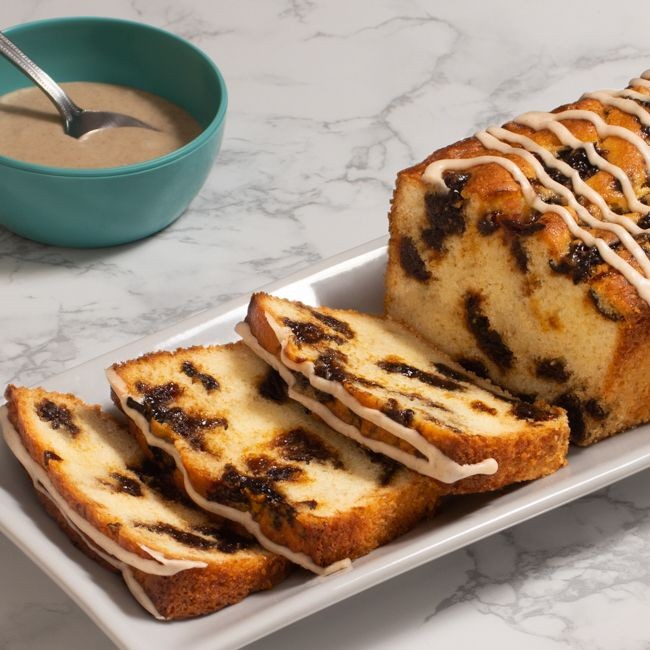
Sometimes, on quiet winter mornings like this one, I find myself drawn to the kitchen, where the simple act of baking can feel like a gentle meditation. This prune and cinnamon swirl bread, with its comforting aroma and tender crumb, is just the kind of project that slows the day down to a sweet, manageable pace. It’s a humble loaf, really, but one that carries the warmth of the season in every swirl.
Serving: 1 loaf (about 10 slices) | Pre Time: 25 minutes (plus 1.5 hours rising) | Cooking Time: 35 minutes
Ingredients
– 3 1/4 cups all-purpose flour, plus extra for dusting—I always keep a little mound on the counter for this.
– 1 cup warm whole milk (about 110°F), which feels just right against your wrist.
– 1/4 cup granulated sugar, for a subtle sweetness that doesn’t overwhelm.
– 1/4 cup unsalted butter, softened—I leave it out on the windowsill for an hour beforehand.
– 1 large egg, at room temperature, which blends in so smoothly.
– 2 1/4 teaspoons active dry yeast, the quiet starter of it all.
– 1 teaspoon fine sea salt, my go-to for even seasoning.
– 1 cup pitted prunes, chopped into small, sticky pieces that melt into the swirl.
– 1/3 cup packed light brown sugar, for that deep, caramel-like note.
– 2 tablespoons ground cinnamon, because a little extra never hurts.
– 1 tablespoon melted unsalted butter, brushed on at the end for a golden sheen.
Instructions
1. In a large mixing bowl, combine the warm whole milk, granulated sugar, and active dry yeast, then let it sit for 5 minutes until foamy—this is your sign it’s alive and ready.
2. Add the softened unsalted butter, room temperature egg, all-purpose flour, and fine sea salt to the bowl, then stir until a shaggy dough forms.
3. Turn the dough onto a lightly floured surface and knead for 8-10 minutes until smooth and elastic; if it sticks, dust with a bit more flour, but go lightly to avoid a tough loaf.
4. Place the dough in a greased bowl, cover with a damp kitchen towel, and let it rise in a warm spot for 1 hour, or until doubled in size—I often set it near the oven while preheating.
5. While the dough rises, mix the chopped pitted prunes, packed light brown sugar, and ground cinnamon in a small bowl until well combined.
6. Punch down the risen dough, then roll it out on a floured surface into a 12×18-inch rectangle about 1/4-inch thick.
7. Sprinkle the prune-cinnamon mixture evenly over the dough, leaving a 1-inch border on one long edge.
8. Starting from the opposite long edge, tightly roll the dough into a log, pinching the seam to seal—a firm roll here ensures those beautiful swirls.
9. Place the log seam-side down in a greased 9×5-inch loaf pan, cover with the towel, and let it rise again for 30 minutes until puffy.
10. Preheat your oven to 350°F during the second rise, positioning a rack in the center for even baking.
11. Bake the loaf for 30-35 minutes, until the top is deep golden brown and an instant-read thermometer inserted into the center reads 190°F—this guarantees it’s fully baked without drying out.
12. Remove the bread from the oven and immediately brush the top with the melted unsalted butter for a glossy finish.
13. Let the loaf cool in the pan for 10 minutes, then transfer it to a wire rack to cool completely before slicing, which prevents a gummy texture.
When you slice into it, the bread reveals soft, spiraled layers with prunes that almost dissolve into jammy pockets, while the cinnamon lends a warm, spiced fragrance. It’s perfect toasted lightly with a smear of butter for breakfast, or served alongside a cup of tea in the afternoon, where its subtle sweetness feels just right.
Prune-Stuffed Pork Tenderloin
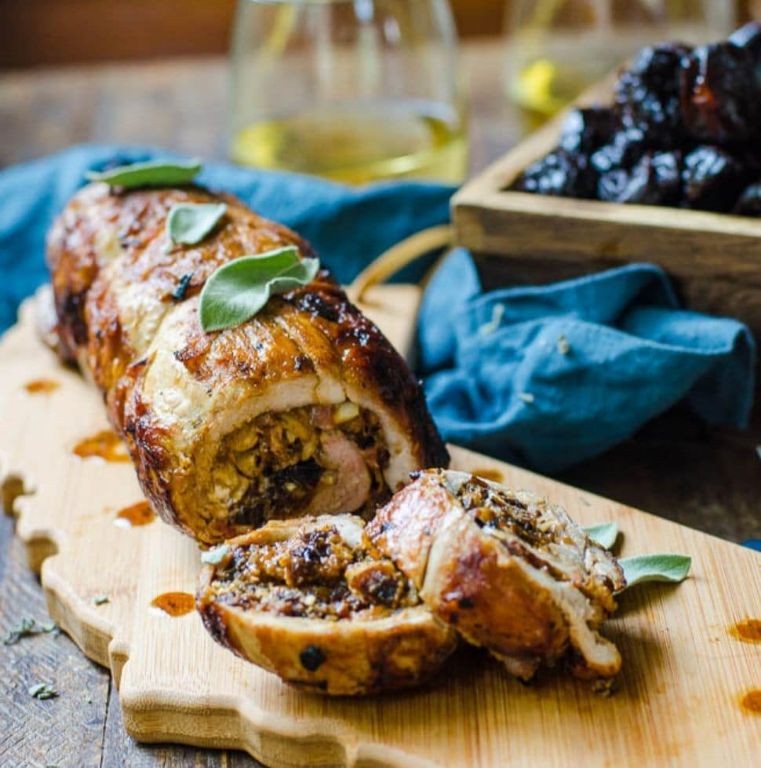
Perhaps on a quiet winter afternoon like this, when the light slants low through the kitchen window, I find myself drawn to recipes that feel like a warm embrace. This prune-stuffed pork tenderloin is one of those dishes—a simple yet elegant centerpiece that transforms humble ingredients into something quietly celebratory.
Serving: 4 | Pre Time: 20 minutes | Cooking Time: 30 minutes
Ingredients
– 1 (1.5 lb) pork tenderloin, trimmed of silver skin—I find this makes for a more tender, even cook.
– 1 cup pitted prunes, roughly chopped; their deep sweetness is the perfect counterpoint to the pork.
– 2 tbsp unsalted butter, my go-to for richness, at room temperature so it blends easily.
– 1 small yellow onion, finely diced; I always keep these on hand for building flavor.
– 2 cloves garlic, minced—freshly minced, please, for the brightest aroma.
– 1 tsp fresh thyme leaves, stripped from the stems; dried works in a pinch, but fresh makes all the difference.
– 1/2 tsp kosher salt, plus more for seasoning.
– 1/4 tsp freshly ground black pepper.
– 1 tbsp extra virgin olive oil, for searing; its fruity notes complement the dish beautifully.
– 1/2 cup dry white wine, like a Sauvignon Blanc, to deglaze the pan and create a simple pan sauce.
Instructions
1. Pat the pork tenderloin completely dry with paper towels—this ensures a good sear.
2. Using a sharp knife, make a lengthwise cut down the center of the tenderloin, stopping about 1/2 inch from the bottom to create a pocket; be careful not to cut all the way through.
3. In a medium bowl, combine the chopped prunes, room-temperature butter, diced onion, minced garlic, thyme leaves, 1/2 tsp kosher salt, and black pepper; mix until a coarse paste forms.
4. Spoon the prune mixture into the pocket of the tenderloin, packing it gently but evenly.
5. Tie the tenderloin securely at 1-inch intervals with kitchen twine to hold the stuffing in place during cooking.
6. Season the outside of the stuffed tenderloin generously with additional salt and pepper.
7. Heat the extra virgin olive oil in a large oven-safe skillet over medium-high heat until it shimmers, about 2 minutes.
8. Place the tenderloin in the hot skillet and sear for 3-4 minutes per side, until a golden-brown crust forms all over.
9. Tip: To check if your pan is hot enough, a drop of water should sizzle and evaporate immediately—this prevents sticking.
10. Pour the dry white wine into the skillet to deglaze, scraping up any browned bits from the bottom with a wooden spoon.
11. Transfer the entire skillet to a preheated 400°F oven and roast for 20-25 minutes, until an instant-read thermometer inserted into the thickest part of the pork registers 145°F.
12. Tip: Letting the meat rest is crucial; remove it from the oven, tent loosely with foil, and let it rest for 10 minutes before slicing to keep the juices locked in.
13. While the pork rests, place the skillet back on the stovetop over medium heat and simmer the pan juices for 2-3 minutes until slightly reduced to form a simple sauce.
14. Tip: If your sauce seems too thin, a teaspoon of cold butter whisked in at the end will give it a lovely, glossy finish.
15. Remove the twine from the tenderloin and slice it into 1-inch thick medallions.
16. Serve the slices drizzled with the warm pan sauce.
Velvety and rich, the pork melts away to reveal a sweet, spiced filling that feels both rustic and refined. I love serving these medallions over a bed of creamy polenta or alongside roasted root vegetables, which soak up the fragrant sauce beautifully.
Prune and Ginger Smoothie
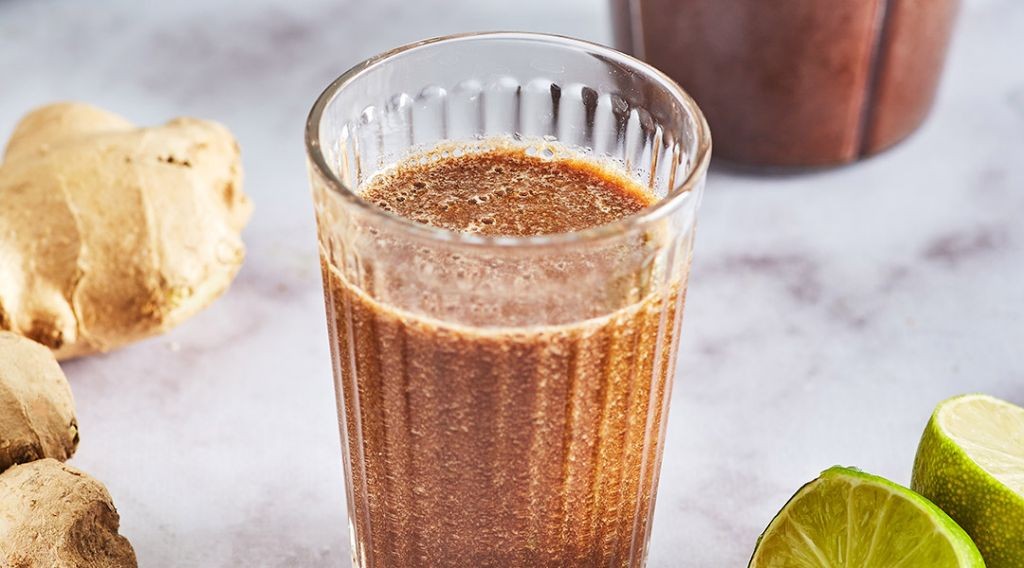
Falling into the rhythm of a quiet kitchen morning, I find myself reaching for ingredients that feel like gentle whispers—a smoothie that’s less about bright energy and more about a soft, grounding warmth. It’s a simple blend of prunes and ginger, a pairing that feels like a slow, comforting exhale in a cup, perfect for when the world outside is hushed and still.
Serving: 2 | Prep Time: 10 minutes | Cooking Time: 0 minutes
Ingredients
– 1 cup of pitted prunes (I like to use the plump, moist ones that feel almost like little dates)
– 1-inch piece of fresh ginger, peeled (I keep a nub in the freezer for easy grating)
– 2 cups of unsweetened almond milk, chilled (any plant-based milk works, but I find almond’s mildness lets the other flavors shine)
– 1 tablespoon of pure maple syrup (I prefer the darker, Grade A for its rich caramel notes)
– ½ teaspoon of ground cinnamon (a warm, fragrant dusting that ties everything together)
– A pinch of sea salt (just a tiny bit to lift all the sweetness)
Instructions
1. Place 1 cup of pitted prunes into a high-speed blender.
2. Grate the 1-inch piece of peeled fresh ginger directly into the blender using a microplane—this releases its spicy juices best.
3. Pour in 2 cups of chilled unsweetened almond milk.
4. Add 1 tablespoon of pure maple syrup, ½ teaspoon of ground cinnamon, and a pinch of sea salt.
5. Secure the blender lid tightly and blend on high speed for 45–60 seconds, until the mixture is completely smooth and no prune bits remain.
6. Pause blending and scrape down the sides with a spatula if needed to ensure everything is incorporated evenly.
7. Blend again for another 15–20 seconds to achieve a velvety, uniform texture.
8. Pour the smoothie immediately into two glasses, dividing it evenly.
Here, the smoothie settles into a creamy, opaque beige with a subtle warmth from the ginger that unfolds slowly. Its texture is luxuriously thick yet drinkable, with the prunes lending a deep, fruity sweetness that’s beautifully balanced by the cinnamon’s spice. I sometimes serve it over a few ice cubes for a chillier sip, or garnish it with a thin slice of fresh ginger for an extra aromatic touch.
Prune and Blue Cheese Salad
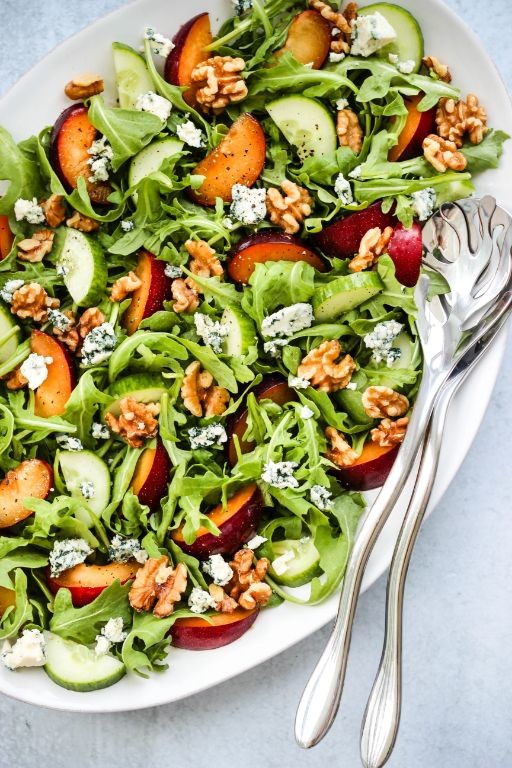
Nestled between the holiday bustle, this salad offers a quiet moment of unexpected harmony—a gentle contrast of sweet prunes and pungent blue cheese that feels both comforting and sophisticated. It’s the kind of dish I turn to when I crave something simple yet deeply satisfying, a reminder that the best flavors often come from thoughtful pairings.
Serving: 4 | Pre Time: 15 minutes | Cooking Time: 0 minutes
Ingredients
– 8 ounces mixed salad greens, preferably a tender blend like baby spinach and arugula for a soft bite
– 1 cup pitted prunes, chopped into quarters—I find the sticky sweetness balances the cheese beautifully
– 4 ounces blue cheese, crumbled; I use a creamy variety like Gorgonzola for milder tang
– 1/2 cup walnuts, toasted lightly for a nutty crunch
– 1/4 cup extra virgin olive oil, my go-to for its fruity notes
– 2 tablespoons balsamic vinegar, aged if you have it for deeper flavor
– 1 teaspoon honey, to round out the dressing’s acidity
– 1/4 teaspoon salt, just enough to enhance without overpowering
– 1/8 teaspoon black pepper, freshly ground for a subtle kick
Instructions
1. Place the mixed salad greens in a large salad bowl, gently spreading them out to avoid clumping.
2. Sprinkle the chopped prunes evenly over the greens, allowing them to nestle among the leaves.
3. Crumble the blue cheese directly over the salad, distributing it in small clusters for bursts of flavor.
4. Scatter the toasted walnuts on top, ensuring they’re evenly dispersed for consistent crunch in every bite.
5. In a small mixing bowl, whisk together the extra virgin olive oil and balsamic vinegar until fully emulsified—this should take about 30 seconds of vigorous stirring.
6. Add the honey to the dressing and whisk again until smooth, which helps prevent separation and blends the sweetness evenly.
7. Stir in the salt and black pepper, tasting once to adjust if needed, though I find this ratio perfect for balancing the ingredients.
8. Drizzle the dressing over the salad just before serving, using a gentle tossing motion to coat everything lightly without bruising the greens.
9. Serve immediately on chilled plates to keep the textures crisp and refreshing.
Mellow and rich, this salad delights with its interplay of chewy prunes and creamy blue cheese, while the toasted walnuts add a welcome crunch. For a creative twist, try serving it alongside grilled pears or as a starter to a cozy winter meal—it’s versatile enough to shine in any setting.
Prune and Brandy Bread Pudding
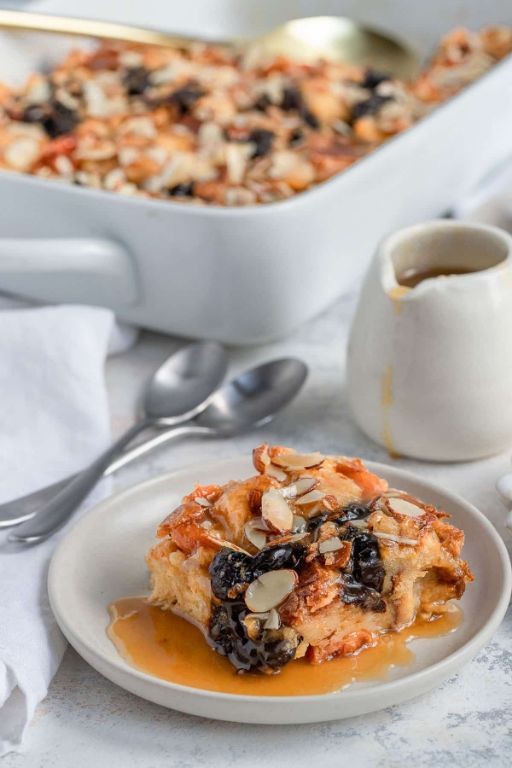
Perhaps there’s something quietly comforting about a dessert that asks for little more than time and patience, a gentle simmer of brandy-soaked prunes and day-old bread coming together in the oven on a winter afternoon. It feels like a whispered secret from the kitchen, a humble transformation of simple things into something softly rich and deeply satisfying, perfect for these slow, reflective days when the light fades early and the house fills with the scent of warmth and spice.
Serving: 8 | Pre Time: 20 minutes | Cooking Time: 55 minutes
Ingredients
– 1 cup pitted prunes, chopped (I like to use plump, moist ones for extra sweetness)
– ½ cup brandy (a good-quality brandy makes all the difference here)
– 1 loaf day-old French bread, torn into 1-inch pieces (about 8 cups—stale bread absorbs the custard beautifully)
– 4 large eggs, at room temperature (this helps them blend smoothly into the milk)
– 2 cups whole milk (I prefer whole for its creamy richness)
– 1 cup granulated sugar
– 1 teaspoon vanilla extract (pure vanilla adds a lovely depth)
– ½ teaspoon ground cinnamon
– ¼ teaspoon ground nutmeg
– ¼ teaspoon salt
– 2 tablespoons unsalted butter, melted (for greasing the baking dish)
Instructions
1. In a small saucepan over medium-low heat, combine the chopped prunes and brandy, and simmer gently for 5 minutes until the prunes are plump and the liquid is slightly reduced, then remove from heat and let cool completely—this infuses the prunes with a warm, boozy flavor.
2. Preheat your oven to 350°F (175°C), and grease a 9×13-inch baking dish evenly with the melted unsalted butter, using a pastry brush to coat the bottom and sides.
3. In a large mixing bowl, whisk together the room-temperature eggs, whole milk, granulated sugar, vanilla extract, ground cinnamon, ground nutmeg, and salt until the sugar is fully dissolved and the mixture is smooth, about 2 minutes of vigorous whisking to avoid lumps.
4. Add the torn day-old French bread pieces to the bowl with the custard mixture, and pour in the cooled prune and brandy mixture along with any remaining liquid, then gently fold everything together with a spatula until the bread is evenly coated and no dry spots remain—let it sit for 10 minutes to allow the bread to soak up the liquid, which ensures a tender, cohesive pudding.
5. Transfer the mixture to the prepared baking dish, spreading it out evenly with the spatula, and bake in the preheated oven for 45–55 minutes, or until the top is golden brown and a knife inserted into the center comes out clean, indicating the custard is set.
6. Remove the baking dish from the oven and let the bread pudding cool on a wire rack for at least 15 minutes before serving to allow it to firm up slightly—this resting time makes it easier to slice neatly.
Dense yet yielding, each spoonful offers a soft chew from the bread, punctuated by the sweet, brandy-kissed prunes that melt into the spiced custard. Serve it warm with a dollop of whipped cream or a drizzle of caramel sauce for an extra touch of indulgence, or enjoy it plain the next day, when the flavors have deepened into a comforting, almost cake-like treat that tastes even better with time.
Prune and Caramelized Onion Flatbread

There’s something quietly comforting about a flatbread that balances sweet and savory, especially on a day that feels both busy and still. This prune and caramelized onion version came to me one chilly afternoon when I wanted something simple yet deeply flavorful, a little project to slow down with. It’s become my go-to when I need a moment of calm in the kitchen.
Serving: 4 | Pre Time: 20 minutes | Cooking Time: 25 minutes
Ingredients
– 1 pound store-bought pizza dough, left at room temperature for 30 minutes to relax (it makes stretching so much easier)
– 2 tablespoons extra virgin olive oil, my go‑for for its fruity note
– 1 large yellow onion, thinly sliced—I like to use a mandoline for even, whisper‑thin slices
– 1 teaspoon granulated sugar, just a pinch to help the onions caramelize
– ½ cup pitted prunes, roughly chopped (I find the sticky, sweet chewiness perfect here)
– 4 ounces goat cheese, crumbled—I prefer a creamy, mild log for its tangy contrast
– 1 tablespoon fresh thyme leaves, stripped from the stems (their earthy aroma is lovely)
– ½ teaspoon flaky sea salt, for finishing
Instructions
1. Preheat your oven to 450°F and place a baking sheet or pizza stone inside to heat up for at least 15 minutes—a hot surface ensures a crisp crust.
2. In a large skillet over medium‑low heat, warm 1 tablespoon of the olive oil.
3. Add the sliced onions and sugar, stirring to coat, then cook for 15–18 minutes, stirring occasionally, until the onions turn a deep golden brown and smell sweet; don’t rush this—low and slow is key for proper caramelization.
4. While the onions cook, lightly flour a work surface and stretch the pizza dough into a 12‑inch oval or rectangle, about ¼‑inch thick.
5. Carefully remove the hot baking sheet from the oven, place the dough on it, and brush the surface with the remaining 1 tablespoon of olive oil.
6. Evenly scatter the caramelized onions over the dough, followed by the chopped prunes, crumbled goat cheese, and thyme leaves.
7. Bake for 10–12 minutes, until the edges are puffed and golden and the cheese is lightly melted.
8. Remove from the oven, sprinkle with flaky sea salt, and let cool for 5 minutes before slicing.
9. Cut into wedges or squares and serve warm.
Chewy prunes melt into the savory onions, while the goat cheese adds a creamy tang that ties it all together. I love serving this flatbread slightly warm, perhaps with a simple arugula salad on the side for a fresh contrast, or just as is with a cup of tea for a quiet treat.
Prune and Hazelnut Granola Bars
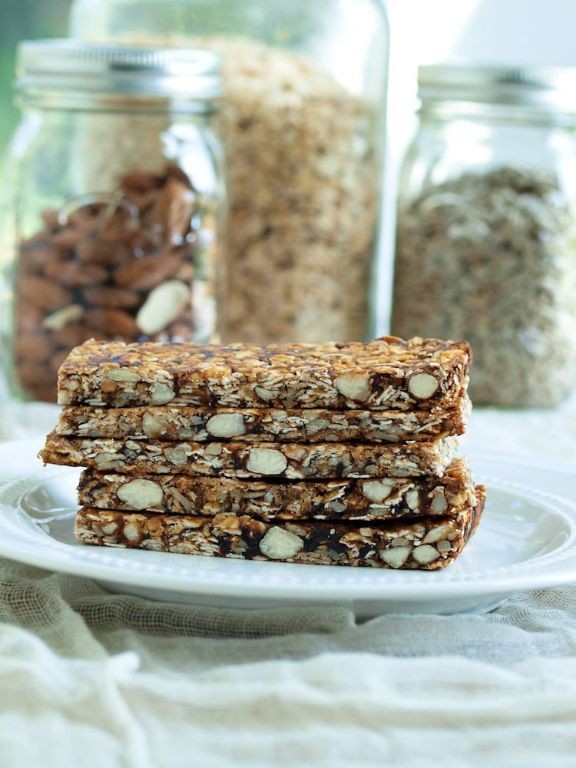
Beneath the quiet hum of the kitchen, there’s a simple comfort in making something by hand that will nourish the days ahead. This recipe for granola bars, with its deep sweetness and gentle crunch, feels like a small, grounding ritual. It’s a quiet pause to fold together flavors that feel both familiar and a little special.
Serving: 12 | Pre Time: 15 minutes | Cooking Time: 25 minutes
Ingredients
– 2 cups old-fashioned rolled oats (I love the hearty texture they provide)
– 1 cup raw hazelnuts, roughly chopped (toasting them first is non-negotiable for me)
– 1 cup pitted prunes, chopped (I find Medjool dates can be too sweet here)
– 1/2 cup creamy almond butter, well-stirred (it acts as the perfect, nutty binder)
– 1/3 cup pure maple syrup, preferably Grade A Dark Amber for its robust flavor
– 1/4 cup coconut oil, melted (it gives the bars a lovely, delicate crispness)
– 1 teaspoon pure vanilla extract
– 1/2 teaspoon fine sea salt
– 1/2 teaspoon ground cinnamon
Instructions
1. Preheat your oven to 325°F (163°C) and line an 8×8-inch baking pan with parchment paper, leaving an overhang on two sides for easy removal.
2. Spread the chopped hazelnuts in a single layer on a rimmed baking sheet and toast them in the preheated oven for 8-10 minutes, until fragrant and lightly golden. Tip: Let your nose guide you—they’re done when you can smell their rich, toasty aroma.
3. In a large mixing bowl, combine the toasted hazelnuts, rolled oats, chopped prunes, cinnamon, and sea salt. Stir until everything is evenly distributed.
4. In a medium saucepan over low heat, gently warm the almond butter, maple syrup, and melted coconut oil, stirring constantly with a spatula for about 2-3 minutes until the mixture is smooth and fully combined. Tip: Keep the heat low to prevent the maple syrup from burning or bubbling too vigorously.
5. Remove the saucepan from the heat and stir in the vanilla extract.
6. Pour the warm wet mixture over the dry ingredients in the large bowl. Use the spatula to fold and press everything together until no dry spots remain and the mixture is uniformly coated.
7. Transfer the mixture to the prepared baking pan. Use the back of a measuring cup or your hands to press it down firmly and evenly into all corners. Tip: Applying even, firm pressure here is key to ensuring the bars hold together once cooled and sliced.
8. Bake in the preheated oven for 22-25 minutes, until the edges are a deep golden brown and the center looks set.
9. Place the pan on a wire rack and let the granola slab cool completely in the pan, for at least 2 hours, before lifting it out using the parchment overhang.
10. Transfer the cooled slab to a cutting board and use a sharp knife to slice it into 12 even bars.
Vividly chewy from the prunes and satisfyingly crisp from the toasted hazelnuts, these bars have a wonderfully complex texture. The flavor is deeply nutty and warmly spiced, not overly sweet. I love wrapping one individually for an on-the-go snack or crumbling a bar over a bowl of plain yogurt for a quick, textured breakfast.
Prune and Rosemary Roasted Lamb
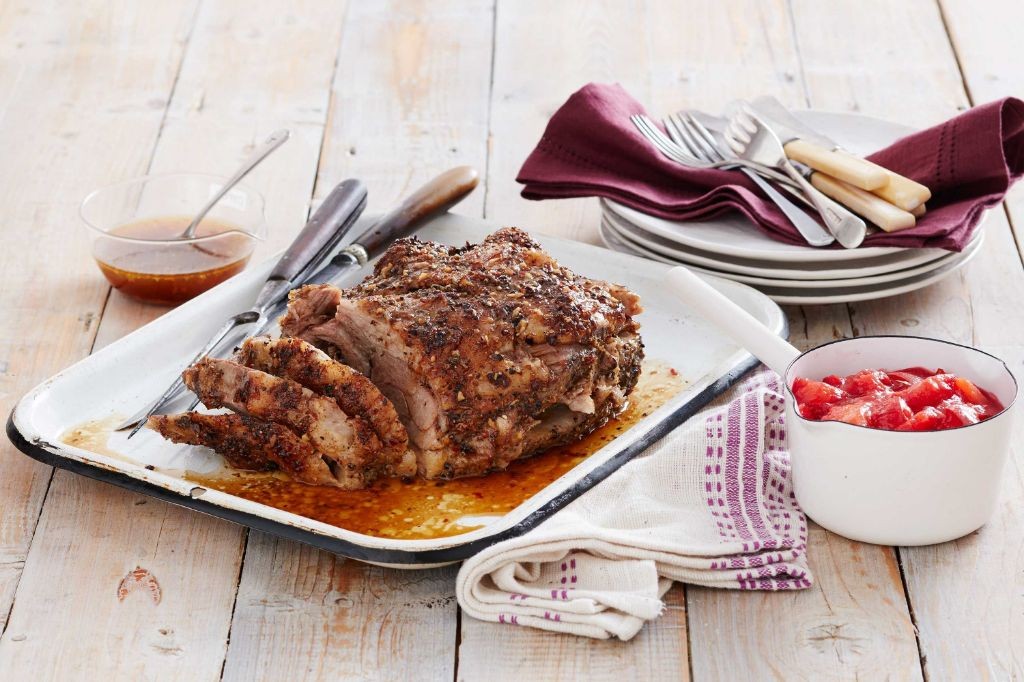
Yesterday, as the afternoon light faded into a soft December glow, I found myself drawn to the kitchen, craving something that felt both festive and deeply comforting. The rich aroma of lamb, prunes, and rosemary slowly filling the house became a quiet meditation, a gentle counterpoint to the season’s usual rush.
Serving: 6 | Pre Time: 20 minutes | Cooking Time: 90 minutes
Ingredients
– 1 (4-pound) boneless leg of lamb, patted dry (I find letting it sit on the counter for 20 minutes helps it cook more evenly)
– 1 ½ cups pitted prunes (the plump, sticky ones are my favorite)
– ¼ cup fresh rosemary leaves, roughly chopped (from about 4 large sprigs)
– 3 tablespoons extra virgin olive oil, my go-to for its fruity depth
– 4 cloves garlic, minced (I press them for a more intense flavor)
– 1 teaspoon kosher salt
– ½ teaspoon freshly ground black pepper
– 1 cup low-sodium chicken broth
Instructions
1. Preheat your oven to 375°F (190°C).
2. Use a sharp paring knife to make 12-15 small, deep incisions all over the surface of the lamb.
3. Stuff each incision with one prune and a small pinch of the chopped rosemary.
4. In a small bowl, whisk together the olive oil, minced garlic, kosher salt, and black pepper until combined.
5. Rub this mixture evenly over the entire surface of the stuffed lamb.
6. Place the lamb in a large roasting pan or oven-safe skillet.
7. Pour the chicken broth into the bottom of the pan, around the lamb, not over it.
8. Roast the lamb in the preheated oven for 1 hour and 30 minutes, or until an instant-read thermometer inserted into the thickest part reads 145°F (63°C) for medium-rare.
9. Tip: For a more caramelized crust, increase the oven temperature to 425°F (220°C) for the final 10 minutes of cooking.
10. Remove the pan from the oven and transfer the lamb to a cutting board.
11. Loosely tent the lamb with aluminum foil and let it rest for 15 minutes; this allows the juices to redistribute.
12. Tip: While the lamb rests, you can simmer the pan juices on the stovetop for 3-4 minutes to create a simple, flavorful sauce.
13. Slice the lamb against the grain into ½-inch thick pieces.
14. Tip: Use a very sharp knife for clean slices that preserve the tender texture.
15. Arrange the slices on a serving platter, spooning any accumulated juices and the reduced pan sauce over the top.
16. Serve immediately.
Often, the first bite reveals the magic: the lamb is impossibly tender, yielding to the fork, while the prunes have softened into sweet, jammy pockets that contrast beautifully with the savory, herbal notes of rosemary. This dish feels special yet uncomplicated, perfect for a quiet holiday table or sliced thin and served over a bed of creamy polenta the next day.
Prune and Dark Chocolate Truffles

Often, in the quiet of a winter afternoon, I find myself craving something that feels both indulgent and wholesome—a treat that whispers of comfort rather than shouts of sugar. These truffles, born from such a moment, marry the deep, earthy sweetness of prunes with the rich bitterness of dark chocolate, creating a confection that feels like a gentle embrace. They require little more than a food processor and a bit of patience, making them a perfect project for a reflective day.
Serving: 24 truffles | Pre Time: 20 minutes | Cooking Time: 0 minutes
Ingredients
– 1 cup (about 6 ounces) pitted prunes—I look for the soft, moist ones that almost melt on their own.
– 8 ounces high-quality dark chocolate (70% cacao), finely chopped; a good bar makes all the difference here.
– 1/4 cup unsweetened cocoa powder, for rolling; I like the Dutch-processed kind for its smooth finish.
– 1 tablespoon pure vanilla extract—the real stuff, not imitation, adds a warm depth.
– A pinch of fine sea salt, to balance the sweetness and enhance the chocolate.
Instructions
1. Place the pitted prunes in a food processor and pulse until they form a thick, sticky paste, about 1-2 minutes, scraping down the sides as needed. (Tip: If the prunes seem dry, add a teaspoon of warm water to help them blend smoothly.)
2. Add the finely chopped dark chocolate, vanilla extract, and pinch of sea salt to the food processor with the prune paste.
3. Pulse the mixture until everything is fully combined and forms a uniform, dark dough, about 30-45 seconds. (Tip: Stop and scrape the bowl halfway through to ensure no chunks of chocolate remain.)
4. Transfer the dough to a clean bowl, cover it with plastic wrap, and refrigerate for exactly 1 hour to firm up—this makes rolling much easier.
5. After chilling, use a small spoon or a melon baller to scoop out portions of the dough, each about 1 tablespoon in size.
6. Roll each portion between your palms into a smooth, round ball, working quickly to prevent the dough from warming too much. (Tip: If your hands get sticky, lightly dust them with cocoa powder.)
7. Place the cocoa powder in a shallow bowl and roll each truffle in it until fully coated, shaking off any excess.
8. Arrange the finished truffles on a parchment-lined tray or plate.
9. Store the truffles in an airtight container in the refrigerator until ready to serve, up to 1 week.
Vividly rich and fudgy, these truffles offer a chewy texture from the prunes that contrasts beautifully with the crisp cocoa coating. Their flavor deepens over time, with the chocolate’s bitterness softening into a mellow sweetness. I love serving them alongside a cup of black coffee or gifting them in a small box tied with twine—they feel like a secret shared between friends.
Prune and Vanilla Bean Ice Cream
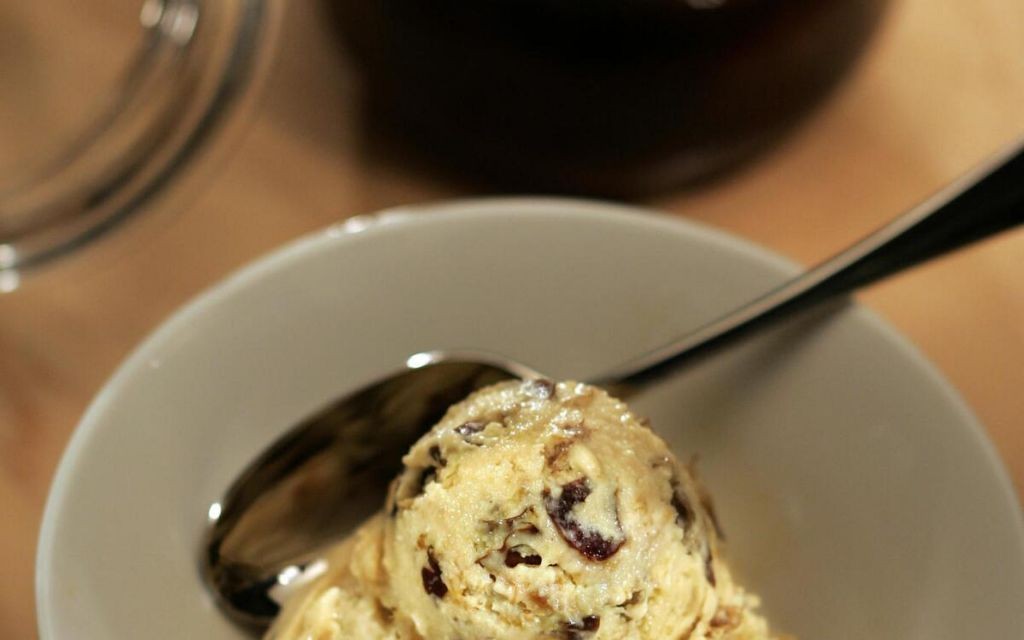
Yesterday, as the afternoon light faded, I found myself craving something both nostalgic and new—a quiet treat to mark the season’s turn. This ice cream, with its deep, wine-like fruit and floral sweetness, feels like a whispered secret, a gentle pause in the rush of the year.
Serving: 6 | Pre Time: 30 minutes | Cooking Time: 20 minutes
Ingredients
– 1 cup pitted prunes, roughly chopped (I like the plump, sticky ones for maximum flavor)
– 1 cup whole milk
– 2 cups heavy cream
– ¾ cup granulated sugar
– 1 vanilla bean, split lengthwise (scraping out those tiny seeds is my favorite part)
– 6 large egg yolks, at room temperature for a smoother custard
– ¼ teaspoon fine sea salt
Instructions
1. In a medium saucepan, combine the chopped prunes, whole milk, and heavy cream. Heat over medium-low heat until steaming but not boiling, about 5 minutes, then remove from heat, cover, and let steep for 20 minutes to infuse the dairy with prune flavor.
2. While steeping, in a separate bowl, whisk together the egg yolks, granulated sugar, and fine sea salt until pale and slightly thickened, about 2 minutes.
3. Strain the steeped milk-cream mixture through a fine-mesh sieve into a clean saucepan, pressing on the prunes to extract all liquid; discard the solids.
4. Add the scraped seeds from the vanilla bean and the empty pod to the strained liquid in the saucepan. Heat over medium heat until it reaches 170°F on a kitchen thermometer, stirring occasionally.
5. Slowly pour about 1 cup of the hot liquid into the egg yolk mixture while whisking constantly to temper the eggs and prevent curdling.
6. Pour the tempered egg mixture back into the saucepan with the remaining hot liquid. Cook over low heat, stirring constantly with a wooden spoon, until the custard thickens enough to coat the back of the spoon, about 5–7 minutes; do not let it boil.
7. Immediately strain the custard through a fine-mesh sieve into a clean bowl to remove the vanilla pod and any cooked egg bits.
8. Let the custard cool to room temperature, then cover and refrigerate for at least 4 hours or overnight until completely chilled.
9. Churn the chilled custard in an ice cream maker according to the manufacturer’s instructions, typically 20–25 minutes, until it reaches a soft-serve consistency.
10. Transfer the churned ice cream to a freezer-safe container, press plastic wrap directly onto the surface, and freeze for at least 4 hours until firm.
Now, as you scoop it, notice the velvety texture that melts slowly, carrying hints of caramelized fruit and warm vanilla. Nothing beats serving it in a chilled bowl, perhaps with a drizzle of honey or alongside a buttery shortbread cookie for a quiet moment of indulgence.
Summary
Gathering these 18 prune recipes shows how versatile this humble ingredient can be, adding natural sweetness and rich flavor to both sweet treats and savory meals. We hope you’ll try a few, find a new favorite, and let us know which one you love most in the comments below. Don’t forget to share this roundup on Pinterest to inspire other home cooks!