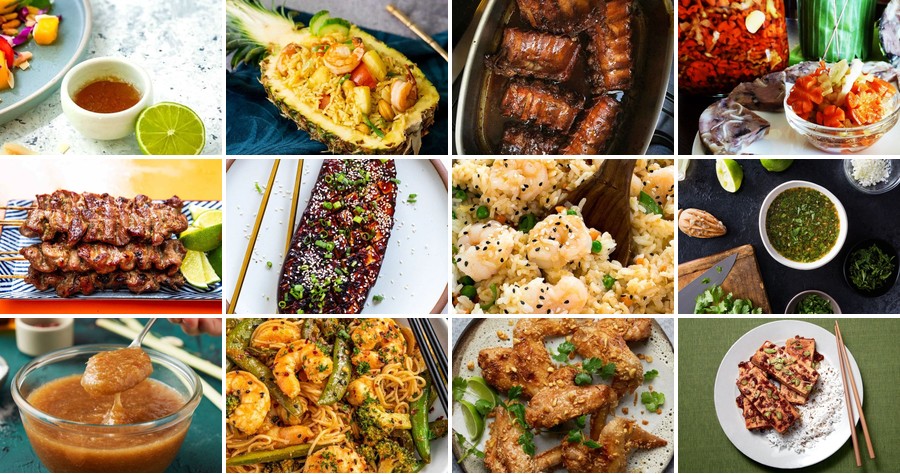
Many home cooks are discovering fish sauce’s magic—it’s not just for Asian cuisine! This versatile ingredient adds a savory depth to quick weeknight dinners, comforting stews, and even grilled favorites. Dive into our roundup of 20 flavorful recipes that will transform your cooking and make fish sauce a staple in your kitchen. Ready to explore? Let’s get cooking!
Vietnamese Fish Sauce Chicken Wings
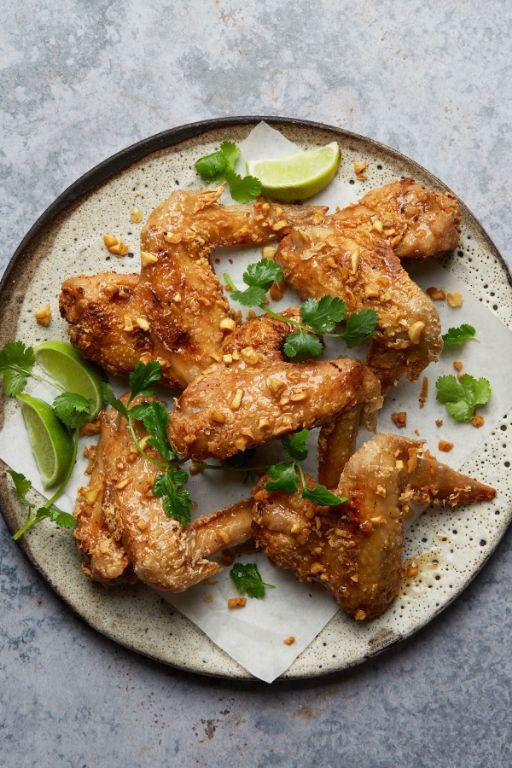
Sometimes you just need a flavor-packed appetizer that’s guaranteed to disappear fast. These Vietnamese fish sauce chicken wings deliver that perfect balance of sweet, salty, and umami with a sticky, caramelized glaze. You’ll love how simple they are to throw together for any gathering.
Serving: 4 | Pre Time: 15 minutes | Cooking Time: 45 minutes
Ingredients
– 2 pounds chicken wings, split into drumettes and flats
– ¼ cup granulated sugar
– ¼ cup fish sauce (preferably Red Boat 40°N)
– 3 tablespoons water
– 3 garlic cloves, finely minced
– 1 Thai bird’s eye chili, finely minced (optional)
– 2 tablespoons neutral oil (such as grapeseed oil)
– 1 tablespoon freshly squeezed lime juice
– 2 scallions, thinly sliced
– 1 tablespoon toasted sesame seeds
Instructions
1. Pat the chicken wings completely dry with paper towels to ensure crisp skin.
2. In a small saucepan over medium heat, combine the granulated sugar, fish sauce, and water.
3. Stir constantly until the sugar dissolves completely, about 2 minutes.
4. Add the minced garlic and minced Thai bird’s eye chili (if using) to the saucepan.
5. Simmer the mixture, stirring occasionally, until it thickens slightly to a syrup-like consistency, about 5 minutes. (Tip: Avoid boiling vigorously to prevent a bitter taste.)
6. Remove the saucepan from the heat and stir in the lime juice; set the glaze aside.
7. Preheat your oven to 400°F and line a rimmed baking sheet with aluminum foil.
8. Toss the dried chicken wings with the neutral oil in a large bowl until evenly coated.
9. Arrange the wings in a single layer on the prepared baking sheet, ensuring they are not touching.
10. Roast the wings in the preheated oven for 25 minutes. (Tip: This initial roast renders fat and starts the crisping process.)
11. Remove the baking sheet from the oven and carefully brush each wing generously with the prepared fish sauce glaze.
12. Return the wings to the oven and roast for an additional 15–20 minutes, or until the glaze is sticky and caramelized and the wings are cooked through with an internal temperature of 165°F. (Tip: For extra crispiness, broil on high for the final 2–3 minutes, watching closely to prevent burning.)
13. Transfer the glazed wings to a serving platter and garnish with thinly sliced scallions and toasted sesame seeds.
The wings emerge with a crackly, lacquered exterior that gives way to juicy, tender meat underneath. That addictive sweet-salty glaze clings to every nook, making them impossible to eat without licking your fingers. For a fun twist, serve them over a bed of jicama slaw to cut through the richness with a refreshing crunch.
Thai Fish Sauce Marinated Grilled Pork
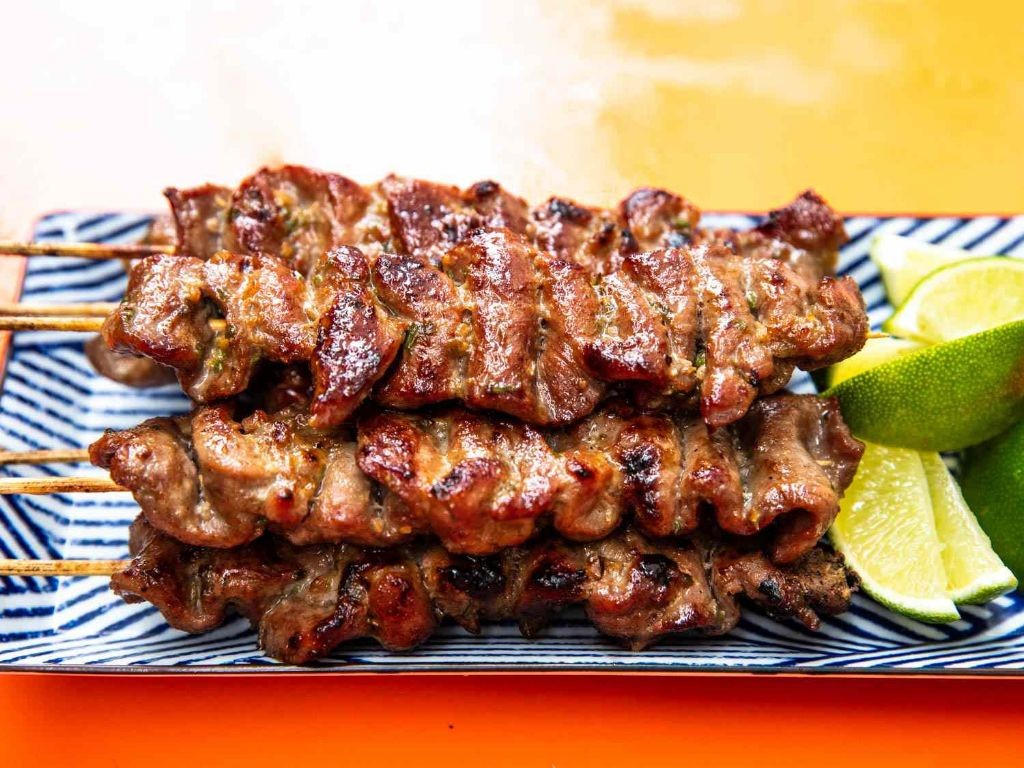
Brace yourself for a flavor explosion that’s about to become your new go-to for grilling season. This Thai-inspired marinated pork is incredibly simple to throw together, but the result is anything but basic—it’s savory, a little sweet, and packed with umami that will have everyone asking for seconds. You’ll love how the grill gives it those perfect charred edges.
Serving: 4 | Pre Time: 20 minutes | Cooking Time: 10 minutes
Ingredients
– 1.5 lbs pork shoulder, sliced into ¼-inch thick strips
– ¼ cup premium fish sauce
– 3 tbsp granulated sugar
– 3 tbsp water
– 4 garlic cloves, finely minced
– 1 tsp freshly ground black pepper
– 2 tbsp neutral oil (such as grapeseed oil)
– ¼ cup fresh cilantro leaves, for garnish
– 2 tbsp toasted sesame seeds, for garnish
Instructions
1. In a medium mixing bowl, combine ¼ cup premium fish sauce, 3 tbsp granulated sugar, and 3 tbsp water, whisking vigorously until the sugar is fully dissolved.
2. Add 4 finely minced garlic cloves and 1 tsp freshly ground black pepper to the bowl, stirring to incorporate evenly.
3. Place 1.5 lbs of sliced pork shoulder strips into the bowl, ensuring each piece is fully coated in the marinade.
4. Cover the bowl with plastic wrap and refrigerate for a minimum of 15 minutes to allow the flavors to penetrate the meat; for optimal results, marinate for up to 2 hours.
5. Preheat a grill or grill pan to high heat, approximately 450°F, ensuring the grates are clean and lightly oiled to prevent sticking.
6. Remove the pork from the marinade, letting any excess liquid drip off, and discard the used marinade.
7. Brush the pork strips lightly with 2 tbsp of neutral oil to promote even browning and prevent drying.
8. Place the pork strips on the preheated grill, cooking for 3–4 minutes per side until deeply caramelized with visible grill marks and an internal temperature of 145°F.
9. Transfer the grilled pork to a clean plate and let it rest for 5 minutes to allow the juices to redistribute.
10. Garnish the pork with ¼ cup fresh cilantro leaves and 2 tbsp toasted sesame seeds just before serving.
That first bite reveals a perfect harmony of salty, sweet, and savory with a satisfyingly tender yet slightly chewy texture from the quick grill. Try serving it over a bed of jasmine rice with a squeeze of lime or wrapped in crisp lettuce leaves for a refreshing, hands-on meal that’s sure to impress at any summer gathering.
Spicy Fish Sauce Shrimp Stir-Fry
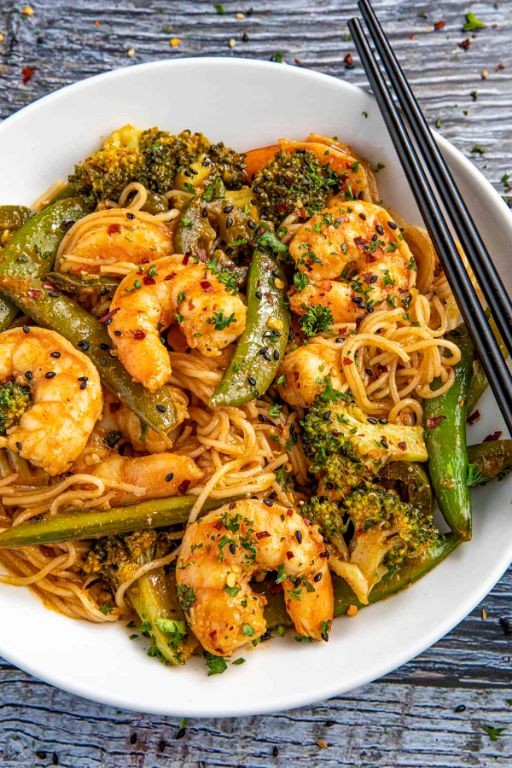
Haven’t you been craving something that’s both bold and quick? This spicy fish sauce shrimp stir-fry is your weeknight hero—it comes together in minutes but delivers a punch of umami and heat that feels restaurant-worthy. You’ll love how the sauce clings to each plump shrimp, making every bite irresistible.
Serving: 4 | Pre Time: 15 minutes | Cooking Time: 10 minutes
Ingredients
– 1 pound large wild-caught shrimp, peeled and deveined
– 3 tablespoons fish sauce
– 2 tablespoons granulated sugar
– 1 tablespoon rice vinegar
– 2 teaspoons sambal oelek
– 3 cloves garlic, minced
– 1 tablespoon fresh ginger, finely grated
– 2 tablespoons neutral oil (such as grapeseed oil)
– 4 scallions, thinly sliced, whites and greens separated
– 1 red Fresno chili, thinly sliced
– ¼ cup fresh cilantro leaves, for garnish
– Cooked jasmine rice, for serving
Instructions
1. Pat the shrimp completely dry with paper towels to ensure a good sear.
2. In a small bowl, whisk together the fish sauce, granulated sugar, rice vinegar, and sambal oelek until the sugar dissolves; set this sauce aside.
3. Heat the neutral oil in a large wok or skillet over high heat until it shimmers, about 1 minute.
4. Add the shrimp in a single layer and cook undisturbed for 90 seconds to develop a golden crust.
5. Flip each shrimp and cook for an additional 60 seconds until opaque and curled; transfer to a plate.
6. Reduce the heat to medium-high and add the minced garlic, grated ginger, scallion whites, and sliced Fresno chili to the same pan.
7. Sauté for 45 seconds, stirring constantly, until fragrant but not browned.
8. Pour in the prepared sauce and bring to a simmer, letting it reduce slightly for 30 seconds.
9. Return the shrimp to the pan, tossing to coat thoroughly in the sauce for about 30 seconds.
10. Remove from heat and stir in the scallion greens.
11. Garnish with fresh cilantro leaves and serve immediately over cooked jasmine rice.
Dive into a plate where the shrimp are tender with a slight snap, bathed in a glossy, savory-sweet sauce that’s balanced by a lingering heat. The crisp scallions and fresh cilantro add brightness, making it perfect spooned over fluffy rice or wrapped in lettuce leaves for a lighter twist.
Fish Sauce Glazed Salmon
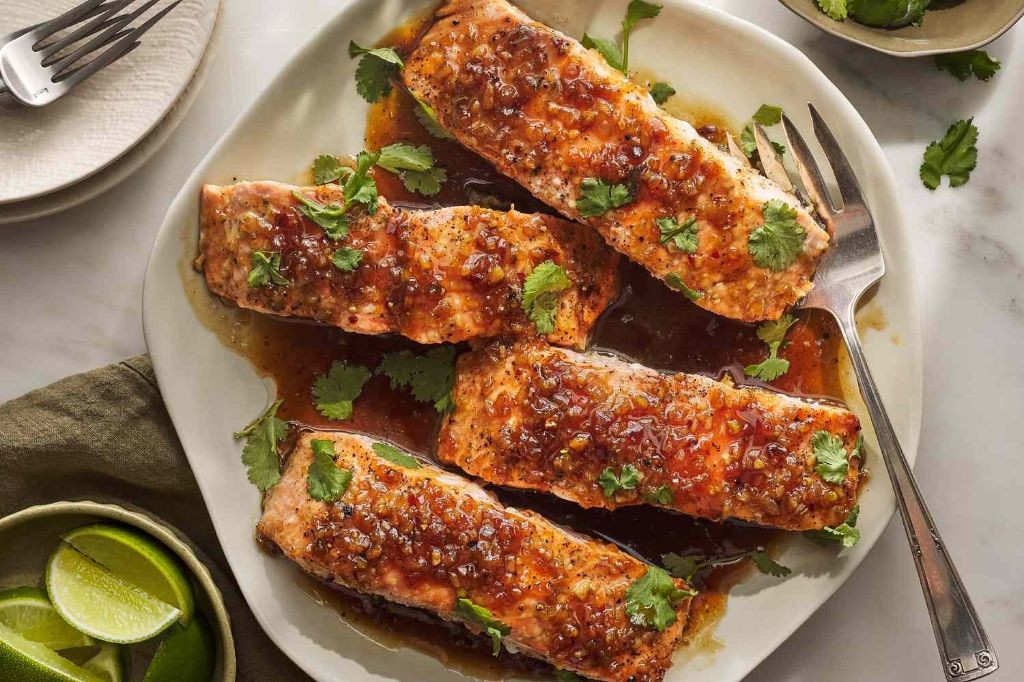
A perfectly glazed salmon fillet can turn any weeknight into a special occasion. You’ll love how the sweet, salty, and savory fish sauce glaze caramelizes into a sticky, glossy coating. It’s a restaurant-quality dish that comes together with minimal fuss.
Serving: 4 | Pre Time: 10 minutes | Cooking Time: 15 minutes
Ingredients
– 4 (6-ounce) skin-on, center-cut salmon fillets
– 1/4 cup premium fish sauce
– 1/4 cup pure maple syrup
– 2 tablespoons freshly squeezed lime juice
– 1 tablespoon finely grated fresh ginger root
– 2 large garlic cloves, minced
– 1 tablespoon neutral oil (such as grapeseed oil)
– 1 tablespoon toasted sesame seeds
– 2 scallions, thinly sliced on a bias
Instructions
1. Pat the salmon fillets completely dry with paper towels to ensure a crisp skin.
2. In a small saucepan, combine the fish sauce, maple syrup, lime juice, grated ginger, and minced garlic.
3. Bring the mixture to a simmer over medium heat, then reduce to low and cook for 5-7 minutes, stirring occasionally, until it thickens slightly to a syrup-like consistency. Remove from heat.
4. Preheat a large, heavy-bottomed skillet (preferably cast iron) over medium-high heat for 2 minutes.
5. Add the neutral oil to the hot skillet and swirl to coat.
6. Carefully place the salmon fillets in the skillet, skin-side down, pressing gently for the first 10 seconds to prevent curling.
7. Cook undisturbed for 5-6 minutes, until the skin is deeply golden and crisp.
8. Flip the fillets using a thin, flexible spatula and cook for 2-3 minutes on the flesh side.
9. Reduce the heat to medium-low and brush a generous layer of the prepared glaze onto the top of each fillet.
10. Cook for 1 more minute to allow the glaze to set and caramelize, then remove the skillet from the heat.
11. Transfer the glazed salmon to a serving platter and drizzle with any remaining glaze from the pan.
12. Garnish immediately with the toasted sesame seeds and sliced scallions.
Glazed to a beautiful mahogany sheen, the salmon boasts a crisp, lacquered exterior that gives way to tender, flaky flesh. The complex umami from the fish sauce is perfectly balanced by the maple’s sweetness and the bright acidity of lime. For a stunning presentation, serve it over a bed of coconut jasmine rice to soak up the extra glaze.
Caramelized Fish Sauce Tofu
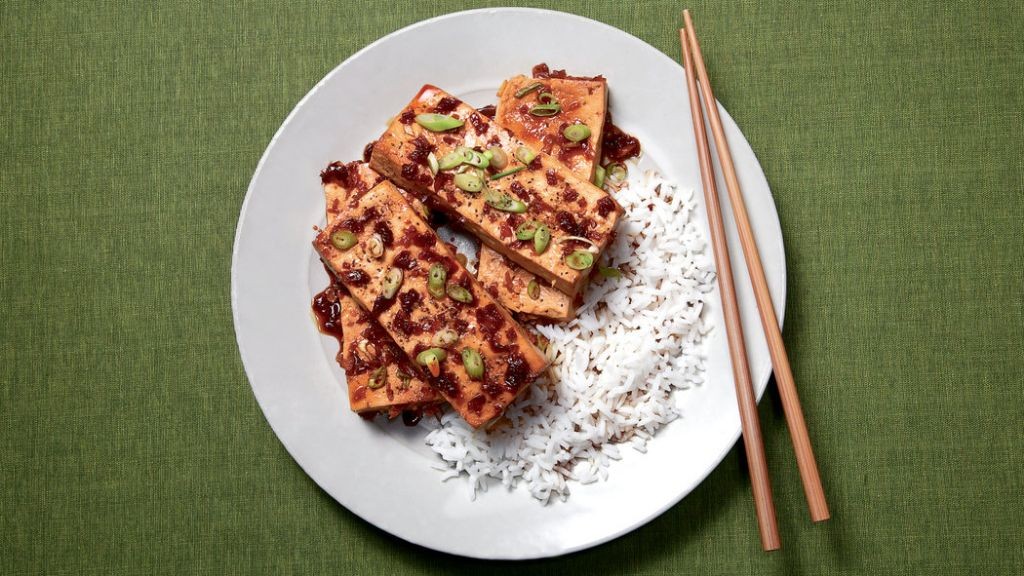
Let’s be real—sometimes tofu can be a bit… bland. But this caramelized fish sauce version is a total game-changer, turning simple tofu into a savory, umami-packed dish you’ll crave. It’s surprisingly easy to make and delivers that perfect balance of salty, sweet, and crispy.
Serving: 4 | Pre Time: 15 minutes | Cooking Time: 20 minutes
Ingredients
– 1 (14-ounce) block extra-firm tofu, pressed and cubed
– 2 tablespoons avocado oil
– 3 tablespoons fish sauce
– 2 tablespoons granulated sugar
– 2 tablespoons water
– 1 tablespoon rice vinegar
– 2 cloves garlic, minced
– 1 teaspoon freshly grated ginger
– 2 scallions, thinly sliced (white and green parts separated)
– 1 tablespoon toasted sesame seeds
Instructions
1. Press the tofu block under a weighted plate for 10 minutes to remove excess moisture, then cut it into 1-inch cubes.
2. Heat 2 tablespoons of avocado oil in a large nonstick skillet over medium-high heat until shimmering, about 2 minutes.
3. Add the tofu cubes in a single layer and cook undisturbed for 4–5 minutes until golden brown and crispy on the bottom.
4. Flip each tofu cube carefully using tongs and cook for another 4–5 minutes until all sides are evenly browned and crisp. Tip: Avoid overcrowding the pan to ensure proper caramelization.
5. Transfer the crispy tofu to a plate and set aside, leaving any residual oil in the skillet.
6. Reduce the heat to medium and add the minced garlic, grated ginger, and white parts of the scallions to the skillet. Sauté for 1 minute until fragrant.
7. Pour in 3 tablespoons of fish sauce, 2 tablespoons of granulated sugar, and 2 tablespoons of water, stirring constantly until the sugar dissolves completely.
8. Simmer the sauce for 3–4 minutes, stirring occasionally, until it thickens slightly and coats the back of a spoon. Tip: Watch closely to prevent burning, as the sugar can caramelize quickly.
9. Return the crispy tofu to the skillet, tossing gently to coat each piece evenly in the sauce for 1–2 minutes.
10. Remove from heat and stir in 1 tablespoon of rice vinegar and the green parts of the scallions. Tip: Adding vinegar off-heat preserves its bright acidity.
11. Transfer to a serving dish and garnish with 1 tablespoon of toasted sesame seeds.
What you get is tofu with a delightfully crispy exterior that gives way to a tender center, all glazed in a sticky, savory-sweet sauce with a hint of tang from the vinegar. Serve it over steamed jasmine rice with a side of quick-pickled vegetables for a complete meal, or enjoy it as a flavorful appetizer—either way, it’s bound to become a new favorite.
Fish Sauce Marinated Beef Skewers
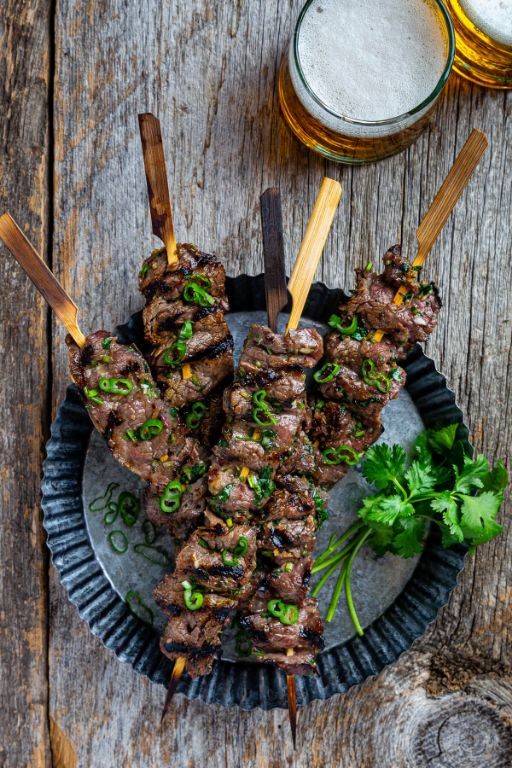
Mmm, picture this: you’re craving something savory, slightly sweet, and packed with umami, all ready to grill up in minutes. These fish sauce marinated beef skewers are your answer—they’re incredibly flavorful, surprisingly easy, and perfect for a casual cookout or a quick weeknight dinner. Trust me, once you try that caramelized, salty-sweet crust, you’ll be hooked.
Serving: 4 | Pre Time: 30 minutes | Cooking Time: 10 minutes
Ingredients
– 1.5 lbs flank steak, thinly sliced against the grain into 2-inch strips
– ¼ cup fish sauce
– 3 tbsp granulated sugar
– 2 tbsp fresh lime juice
– 4 garlic cloves, finely minced
– 1 tbsp neutral oil (such as grapeseed oil)
– 1 tsp freshly ground black pepper
– 12 bamboo skewers, soaked in water for 30 minutes
Instructions
1. In a medium mixing bowl, whisk together the fish sauce, granulated sugar, fresh lime juice, finely minced garlic cloves, neutral oil, and freshly ground black pepper until the sugar is fully dissolved.
2. Add the thinly sliced flank steak to the marinade, ensuring each piece is well-coated, and let it marinate at room temperature for 20 minutes to allow the flavors to penetrate quickly.
3. While the beef marinates, soak the bamboo skewers in water for 30 minutes to prevent burning during grilling.
4. Thread the marinated beef strips onto the soaked bamboo skewers, folding the strips accordion-style for even cooking and secure placement.
5. Preheat a grill or grill pan to high heat, approximately 450°F, and lightly oil the grates to prevent sticking.
6. Place the skewers on the preheated grill and cook for 3–4 minutes per side, or until the beef develops a deep caramelized crust and reaches an internal temperature of 135°F for medium-rare.
7. Remove the skewers from the grill and let them rest for 5 minutes on a wire rack to allow the juices to redistribute evenly.
8. Serve the skewers immediately while hot.
Enjoy these skewers hot off the grill, where the beef boasts a tender, juicy interior and a slightly charred, sticky-sweet exterior from the caramelized marinade. For a creative twist, serve them over a bed of jasmine rice with a side of quick-pickled vegetables to cut through the richness, making every bite a perfect balance of flavors and textures.
Fish Sauce and Lime Dressing Salad

Remember those days when you crave something bright, tangy, and totally refreshing? This salad is exactly that. It’s a vibrant mix of textures and flavors, anchored by a dressing that’s equal parts punchy and balanced.
Serving: 4 | Pre Time: 20 minutes | Cooking Time: 0 minutes
Ingredients
– 1 lb boneless, skinless chicken thighs, trimmed
– 2 tbsp avocado oil
– 1 tsp kosher salt
– 1/2 tsp freshly cracked black pepper
– 8 oz rice vermicelli noodles
– 1 English cucumber, julienned
– 2 large carrots, julienned
– 1 cup fresh mint leaves, roughly torn
– 1 cup fresh cilantro leaves, roughly torn
– 1/2 cup roasted peanuts, coarsely chopped
For the Dressing:
– 1/4 cup fresh lime juice (from about 2 limes)
– 3 tbsp fish sauce
– 2 tbsp granulated sugar
– 1 Thai chili, finely minced (seeds removed for less heat)
– 1 garlic clove, finely grated
Instructions
1. Pat the chicken thighs completely dry with paper towels.
2. Season the chicken evenly on all sides with the kosher salt and freshly cracked black pepper.
3. Heat the avocado oil in a large skillet over medium-high heat until it shimmers, about 90 seconds.
4. Place the chicken thighs in the skillet, presentation-side down, and cook undisturbed for 6-7 minutes until a deep golden-brown crust forms. Tip: Avoid moving the chicken to ensure proper searing.
5. Flip the chicken thighs and reduce the heat to medium. Cook for an additional 6-7 minutes until the internal temperature registers 165°F on an instant-read thermometer.
6. Transfer the cooked chicken to a cutting board and let it rest for 10 minutes to allow the juices to redistribute.
7. While the chicken rests, place the rice vermicelli noodles in a large heatproof bowl.
8. Pour boiling water over the noodles until fully submerged and let them soak for 5 minutes, stirring once halfway through to prevent clumping.
9. Drain the noodles in a colander and rinse under cold running water until completely cool to stop the cooking process.
10. Shred the rested chicken into bite-sized pieces using two forks.
11. In a small bowl, whisk together the fresh lime juice, fish sauce, granulated sugar, minced Thai chili, and finely grated garlic clove until the sugar is fully dissolved.
12. In a large serving bowl, combine the cooled noodles, julienned English cucumber, julienned carrots, torn mint leaves, and torn cilantro leaves.
13. Pour the prepared dressing over the salad and toss thoroughly to coat every component evenly. Tip: Toss with tongs for the most efficient mixing.
14. Add the shredded chicken and toss once more to incorporate.
15. Divide the salad among four bowls and garnish each serving with the coarsely chopped roasted peanuts.
Here, the cool, slippery noodles and crisp vegetables contrast beautifully with the tender, savory chicken. The dressing’s bold umami and citrus notes cut through the richness, while the fresh herbs and crunchy peanuts add layers of aroma and texture. Try serving it in lettuce cups for a fun, handheld twist.
Fish Sauce Braised Pork Belly
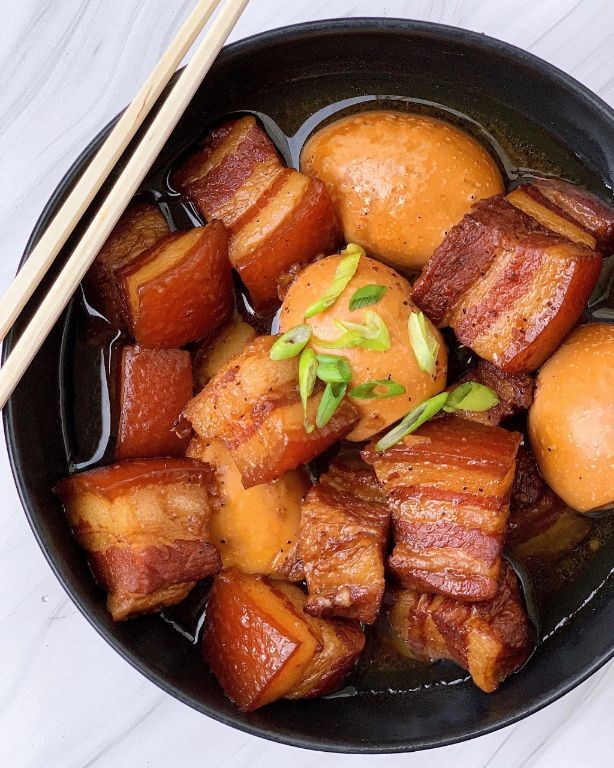
Wondering how to make a pork belly dish that’s both deeply savory and surprisingly easy? This fish sauce braised pork belly delivers rich, umami-packed flavor with minimal fuss. You’ll love how the pork becomes meltingly tender while the sauce reduces into a glossy, irresistible glaze.
Serving: 4 | Pre Time: 15 minutes | Cooking Time: 90 minutes
Ingredients
– 2 lbs pork belly, skin-on, cut into 1-inch cubes
– 1/4 cup fish sauce
– 1/4 cup granulated sugar
– 1/4 cup rice vinegar
– 2 cups low-sodium chicken stock
– 4 cloves garlic, finely minced
– 1 shallot, thinly sliced
– 2 tbsp neutral oil (such as grapeseed oil)
– 1 tsp whole black peppercorns
– 1 star anise pod
– 2 green onions, thinly sliced on a bias for garnish
Instructions
1. Pat the pork belly cubes completely dry with paper towels to ensure a proper sear.
2. Heat the neutral oil in a large Dutch oven over medium-high heat until shimmering, about 2 minutes.
3. Sear the pork belly cubes in a single layer, turning occasionally, until deeply browned on all sides, about 8-10 minutes total. Work in batches if necessary to avoid overcrowding.
4. Transfer the seared pork to a plate and pour off all but 1 tablespoon of the rendered fat from the pot.
5. Add the minced garlic and sliced shallot to the pot, sautéing over medium heat until fragrant and translucent, about 2 minutes.
6. Stir in the granulated sugar and cook, stirring constantly, until it melts and forms a light amber caramel, about 3 minutes. Tip: Watch closely to prevent burning.
7. Carefully deglaze the pot by pouring in the rice vinegar, scraping up any browned bits from the bottom with a wooden spoon.
8. Add the fish sauce, low-sodium chicken stock, whole black peppercorns, and star anise pod, stirring to combine.
9. Return the seared pork belly and any accumulated juices to the pot, ensuring the pieces are mostly submerged.
10. Bring the liquid to a gentle simmer, then reduce the heat to low and cover the pot with a tight-fitting lid.
11. Braise the pork for 1 hour and 15 minutes, maintaining a low simmer where only occasional bubbles break the surface. Tip: A slow, steady braise is key for tender meat.
12. After braising, uncover the pot and increase the heat to medium. Simmer vigorously, stirring occasionally, until the sauce reduces by half and thickens to a syrupy consistency that coats the back of a spoon, about 15 minutes. Tip: The sauce will continue to thicken slightly off the heat.
13. Remove the pot from the heat and discard the star anise pod.
14. Transfer the braised pork belly and sauce to a serving dish and garnish with the thinly sliced green onions.
Caramelized edges give way to impossibly tender, fatty pork that practically dissolves on the tongue. The reduced braising liquid is a perfect balance of salty, sweet, and aromatic—try serving it over a bowl of steamed jasmine rice to soak up every last drop, or spoon it into lettuce cups for a fresh, crunchy contrast.
Fish Sauce and Herb Dipping Sauce
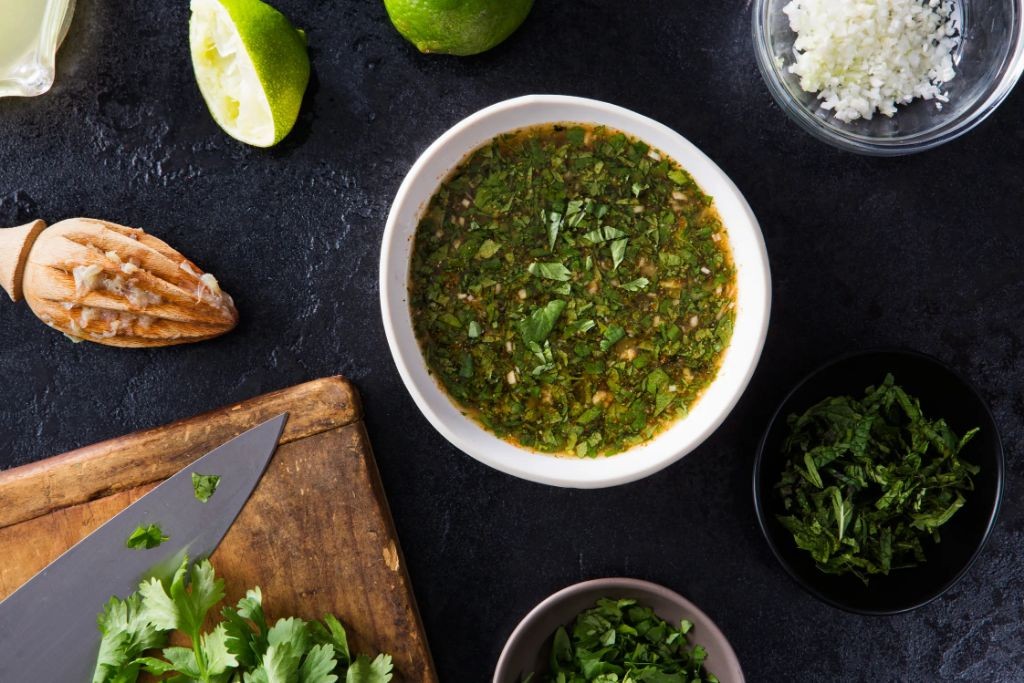
Kick off your next meal with this vibrant Fish Sauce and Herb Dipping Sauce—it’s the perfect balance of salty, sweet, and fresh that you can whip up in minutes. You’ll love how it brightens up everything from spring rolls to grilled meats, making any dish feel special without much effort. Trust me, once you try it, you’ll want to keep a jar handy all the time.
Serving: 4 | Pre Time: 10 minutes | Cooking Time: 0 minutes
Ingredients
– ¼ cup premium fish sauce
– ¼ cup granulated sugar
– ¼ cup freshly squeezed lime juice
– 2 tablespoons water
– 1 Thai bird’s eye chili, finely minced
– 2 cloves garlic, finely minced
– 2 tablespoons finely chopped fresh cilantro leaves
– 1 tablespoon finely chopped fresh mint leaves
Instructions
1. In a small saucepan over medium heat, combine the fish sauce, granulated sugar, and water, stirring constantly with a whisk until the sugar fully dissolves, about 2–3 minutes.
2. Remove the saucepan from the heat and let the mixture cool to room temperature, approximately 5 minutes, to prevent the herbs from wilting when added.
3. Transfer the cooled mixture to a medium mixing bowl and whisk in the freshly squeezed lime juice until fully incorporated.
4. Add the finely minced Thai bird’s eye chili and finely minced garlic to the bowl, stirring gently to distribute evenly throughout the sauce.
5. Fold in the finely chopped fresh cilantro leaves and finely chopped fresh mint leaves just before serving to maintain their vibrant color and aroma.
6. Taste the sauce and adjust the balance if needed—if it’s too salty, add a pinch more sugar; if too sweet, a splash of lime juice can brighten it up.
7. Serve immediately or refrigerate in an airtight container for up to 3 days, allowing the flavors to meld for a deeper taste.
Made with fresh herbs and a tangy lime base, this sauce offers a lively, umami-rich flavor with a subtle heat from the chili. Its thin, pourable texture clings beautifully to foods, making it ideal for drizzling over grilled shrimp or as a dip for crispy vegetable rolls—get creative and try it with rice bowls for an extra burst of freshness.
Fish Sauce Caramelized Ribs
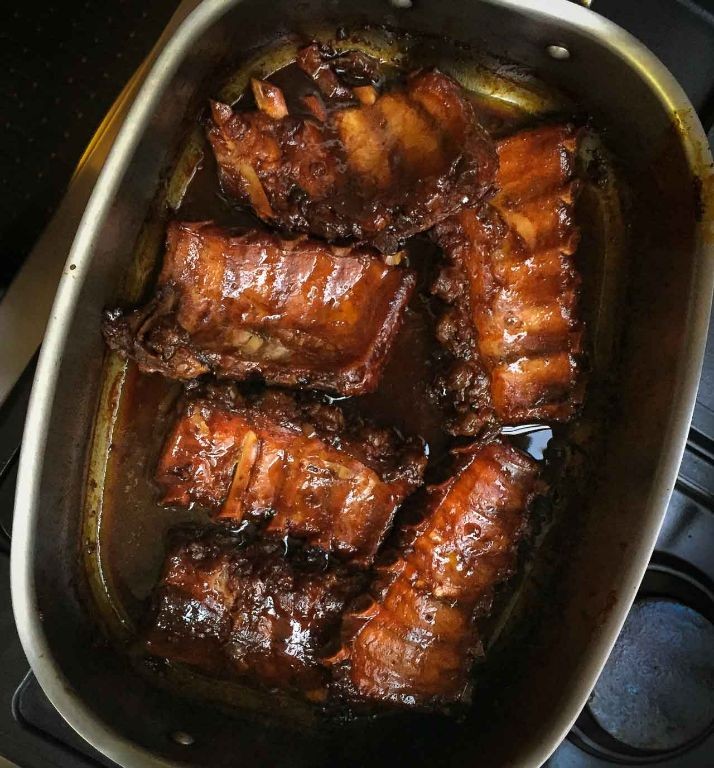
You know those sticky, sweet-savory ribs that make you forget all your troubles? Yeah, these Fish Sauce Caramelized Ribs are exactly that. They’re a total flavor bomb that’s surprisingly simple to pull off at home.
Serving: 4 | Pre Time: 15 minutes | Cooking Time: 90 minutes
Ingredients
– 2 racks (about 4 lbs) St. Louis-style pork ribs, membrane removed
– 1 cup granulated sugar
– 1/2 cup premium Vietnamese fish sauce
– 1/4 cup freshly squeezed lime juice
– 4 garlic cloves, finely minced
– 1 (2-inch) piece of fresh ginger, peeled and finely grated
– 1 tablespoon neutral oil (such as grapeseed)
– 2 tablespoons unsalted butter
– 1/4 cup water
– 1 teaspoon freshly cracked black pepper
– 1/4 cup thinly sliced scallions, for garnish
– 1 tablespoon toasted sesame seeds, for garnish
Instructions
1. Pat the St. Louis-style pork ribs completely dry with paper towels and set them aside on a wire rack.
2. In a heavy-bottomed saucepan over medium heat, combine the granulated sugar and 1/4 cup of water.
3. Cook the sugar mixture, swirling the pan occasionally but not stirring, until it melts and turns a deep amber color, about 8-10 minutes. (Tip: Use a pastry brush dipped in water to wash down any sugar crystals on the sides of the pan for a smoother caramel.)
4. Carefully and slowly whisk in the premium Vietnamese fish sauce; the mixture will bubble vigorously.
5. Whisk in the freshly squeezed lime juice, finely minced garlic cloves, and finely grated ginger until fully incorporated.
6. Remove the saucepan from the heat and stir in the unsalted butter until it melts and emulsifies into the sauce. Set the caramel sauce aside.
7. Preheat your oven to 300°F (149°C) and position a rack in the middle.
8. Season both sides of the dried pork ribs generously with the freshly cracked black pepper.
9. Heat the neutral oil in a large oven-safe skillet or Dutch oven over medium-high heat until shimmering.
10. Sear the ribs, meat-side down, until a deep golden-brown crust forms, about 4-5 minutes per side. (Tip: Work in batches if necessary to avoid overcrowding the pan, which steams the meat instead of searing it.)
11. Pour the prepared caramel sauce over the seared ribs in the skillet, turning them to coat evenly.
12. Cover the skillet tightly with a lid or aluminum foil and transfer it to the preheated oven.
13. Braise the ribs until the meat is fork-tender and begins to pull back from the bones, about 1 hour and 15 minutes. (Tip: Baste the ribs with the pan juices every 20 minutes to build layers of flavor and a glossy finish.)
14. Remove the skillet from the oven and carefully transfer the ribs to a clean cutting board.
15. Tent the ribs loosely with foil and let them rest for 10 minutes to allow the juices to redistribute.
16. While the ribs rest, place the skillet with the braising liquid over medium heat and simmer until the sauce reduces and thickens to a glaze consistency, about 5-7 minutes.
17. Slice the rested ribs between the bones into individual pieces.
18. Brush the reduced caramel glaze generously over the sliced ribs.
19. Garnish the glazed ribs with the thinly sliced scallions and toasted sesame seeds.
20. Serve immediately. Get ready for ribs that are fall-off-the-bone tender with a sticky, lacquered glaze. The caramel delivers a profound sweetness that’s perfectly balanced by the umami punch of fish sauce and the bright acidity of lime. For a next-level experience, serve them over a bed of jasmine rice to soak up every last drop of that incredible sauce.
Fish Sauce Fried Rice with Shrimp
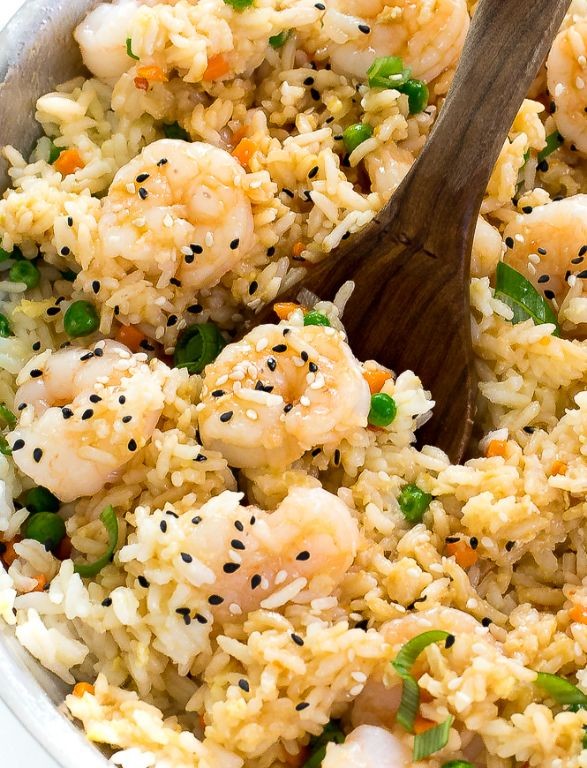
Zesty and savory, this Fish Sauce Fried Rice with Shrimp is the ultimate weeknight lifesaver. You get that perfect umami punch from the fish sauce, balanced with sweet shrimp and fluffy rice—it’s restaurant-quality without the fuss.
Serving: 4 | Pre Time: 15 minutes | Cooking Time: 10 minutes
Ingredients
– 1 lb large shrimp, peeled and deveined
– 3 cups day-old jasmine rice
– 3 tbsp fish sauce
– 2 tbsp clarified butter
– 1 tbsp neutral oil (such as grapeseed)
– 3 pasture-raised eggs, lightly beaten
– 1 cup finely diced yellow onion
– ½ cup thinly sliced scallions, green parts only
– 2 tsp minced garlic
– 1 tsp freshly ground black pepper
– ¼ tsp fine sea salt
Instructions
1. Pat the shrimp completely dry with paper towels to ensure a crisp sear.
2. Heat a large wok or skillet over high heat until a drop of water sizzles and evaporates immediately.
3. Add the neutral oil and swirl to coat the surface.
4. Add the shrimp in a single layer and cook for 90 seconds per side, until opaque and lightly browned.
5. Transfer the shrimp to a plate and set aside.
6. Reduce the heat to medium-high and add the clarified butter to the same wok.
7. Pour in the lightly beaten eggs and scramble for 45 seconds, breaking them into small curds with a spatula.
8. Add the diced yellow onion and minced garlic, stirring constantly for 2 minutes until fragrant and translucent.
9. Crumble the day-old jasmine rice into the wok, using the spatula to press and separate any clumps.
10. Drizzle the fish sauce evenly over the rice and toss vigorously for 3 minutes to coat and heat through.
11. Return the cooked shrimp to the wok, along with any accumulated juices.
12. Sprinkle in the freshly ground black pepper and fine sea salt, tossing to combine.
13. Fold in the thinly sliced scallion greens and cook for 30 seconds just to wilt.
14. Remove from heat and serve immediately.
The rice should be slightly chewy with distinct grains, while the shrimp remain tender and juicy. For a vibrant twist, top with a fried egg or serve alongside a crisp cucumber salad to cut through the rich umami flavors.
Fish Sauce and Garlic Roasted Chicken
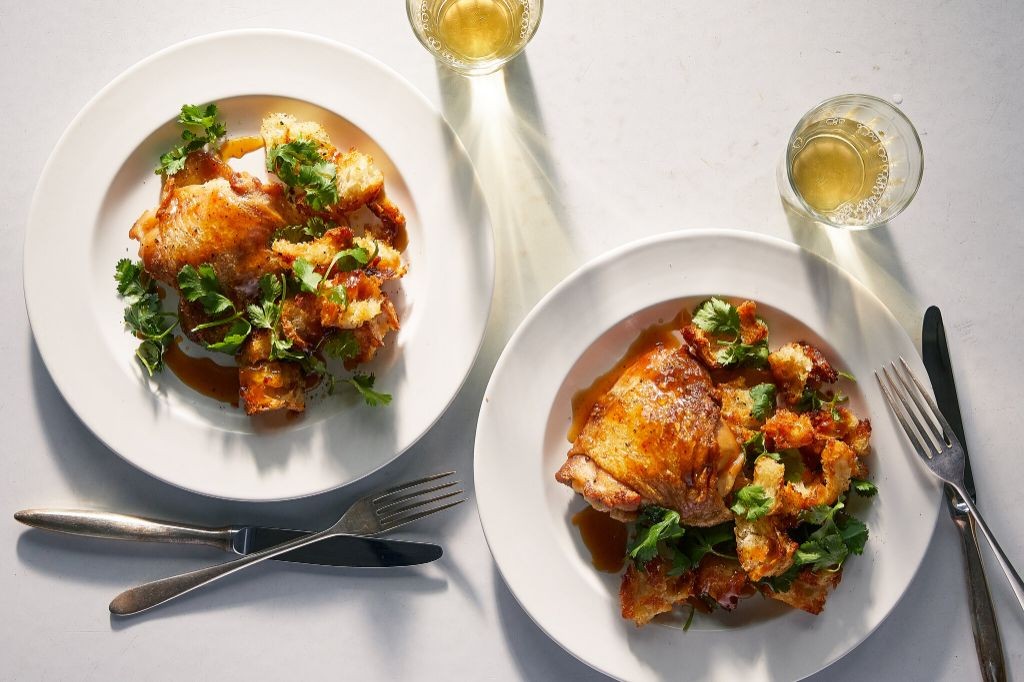
Picture this: you’re craving something savory, garlicky, and deeply satisfying without spending hours in the kitchen. This fish sauce and garlic roasted chicken delivers exactly that—it’s a flavor-packed, one-pan wonder that feels fancy but couldn’t be simpler to pull together.
Serving: 4 | Pre Time: 15 minutes | Cooking Time: 45 minutes
Ingredients
- 1 whole chicken (3.5–4 lbs), patted dry with paper towels
- ¼ cup fish sauce
- ¼ cup extra-virgin olive oil
- 8 garlic cloves, finely minced
- 2 tbsp granulated sugar
- 1 tbsp freshly ground black pepper
- 1 tsp kosher salt
- 1 lemon, halved
- Fresh cilantro leaves, for garnish
Instructions
- Preheat your oven to 425°F and position a rack in the center.
- In a small bowl, whisk together the fish sauce, extra-virgin olive oil, minced garlic, granulated sugar, black pepper, and kosher salt until the sugar fully dissolves.
- Place the patted-dry chicken in a large roasting pan or oven-safe skillet, breast-side up.
- Using a pastry brush, generously coat the entire exterior of the chicken with the fish sauce marinade, ensuring it seeps under the skin where possible for maximum flavor penetration.
- Insert the halved lemon into the chicken cavity to infuse the meat with citrus aroma during roasting.
- Transfer the pan to the preheated oven and roast for 45 minutes, or until the internal temperature at the thickest part of the thigh reaches 165°F when checked with an instant-read thermometer.
- Remove the chicken from the oven and let it rest, uncovered, on a cutting board for 10 minutes to allow the juices to redistribute—this prevents dryness when carving.
- While resting, skim any excess fat from the pan juices, then drizzle the remaining juices over the carved chicken as a simple, glossy sauce.
- Garnish with fresh cilantro leaves just before serving to add a bright, herbal contrast to the rich, umami flavors.
The result is chicken with crackly, mahogany-colored skin and incredibly juicy, garlic-infused meat. Try shredding the leftovers into a banh mi sandwich or tossing them with rice noodles and pickled vegetables for a quick, next-day meal that’s just as delicious.
Fish Sauce Pickled Vegetables
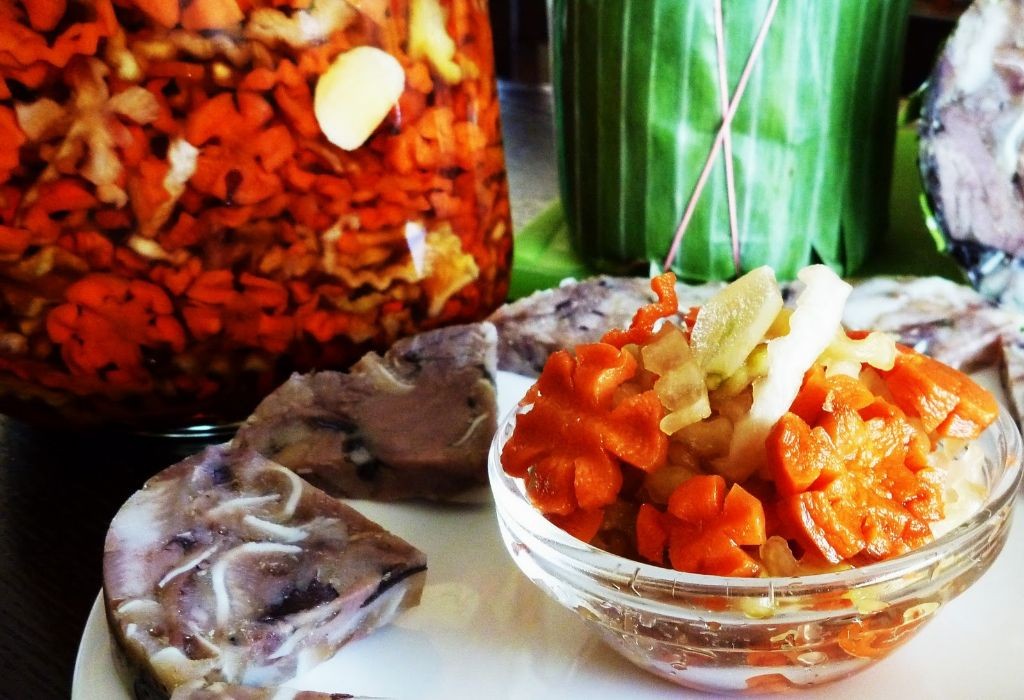
Aren’t you tired of the same old pickles? This fish sauce pickled vegetable recipe brings a salty, umami punch that’ll make your taste buds dance. It’s the perfect crunchy, tangy condiment to brighten up any meal, and it comes together in minutes with ingredients you probably already have.
Serving: 4 | Pre Time: 15 minutes | Cooking Time: 0 minutes
Ingredients
– 1 cup filtered water
– 1/2 cup granulated sugar
– 1/2 cup unseasoned rice vinegar
– 1/4 cup premium fish sauce (such as Red Boat)
– 1 tablespoon fine sea salt
– 1 pound assorted seasonal vegetables (such as daikon radish, carrots, and Persian cucumbers), julienned to 1/8-inch thickness
– 4 garlic cloves, thinly sliced
– 2 Thai bird’s eye chilies, thinly sliced
Instructions
1. Combine 1 cup filtered water, 1/2 cup granulated sugar, 1/2 cup unseasoned rice vinegar, 1/4 cup premium fish sauce, and 1 tablespoon fine sea salt in a small saucepan over medium heat.
2. Whisk the mixture constantly until the sugar and salt completely dissolve, about 2-3 minutes, then immediately remove from heat and let cool to room temperature (approximately 70°F).
3. Place 1 pound of julienned assorted seasonal vegetables, 4 thinly sliced garlic cloves, and 2 thinly sliced Thai bird’s eye chilies in a large, non-reactive glass or ceramic bowl.
4. Pour the completely cooled pickling liquid over the vegetables, ensuring all pieces are fully submerged.
5. Cover the bowl tightly with plastic wrap, pressing it directly onto the surface of the liquid to minimize air exposure.
6. Refrigerate the vegetables for at least 4 hours, or preferably overnight, to allow the flavors to fully develop and penetrate.
7. After pickling, use clean tongs to transfer the vegetables to a serving dish, leaving the excess liquid behind.
8. Serve the pickled vegetables chilled as a condiment or side dish.
Refrigerated, these pickles maintain their satisfying crunch while absorbing the complex, savory-sweet brine. The fish sauce adds a deep, funky umami that pairs beautifully with grilled meats or rice bowls—try them tucked into a banh mi for an extra flavor explosion.
Fish Sauce and Coconut Milk Curry
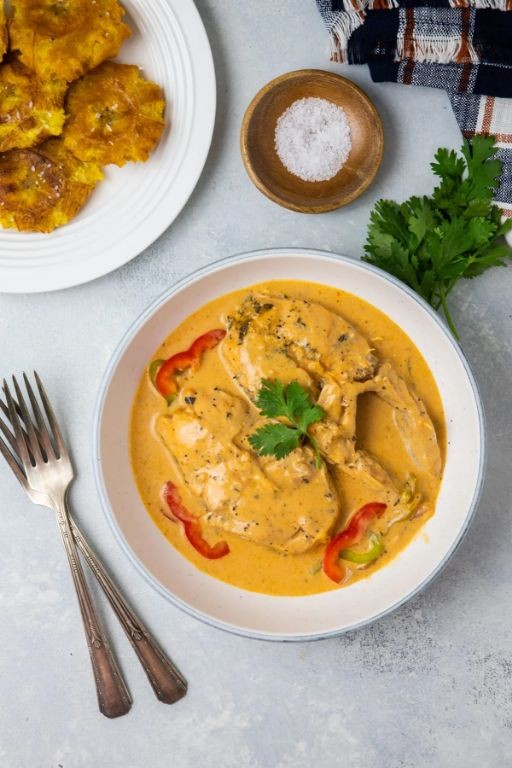
Kick off your cozy evening with this Fish Sauce and Coconut Milk Curry—it’s the kind of comforting, flavor-packed dish that feels like a warm hug on a chilly night, and you’ll love how the savory fish sauce and creamy coconut milk come together in a rich, aromatic broth. Perfect for a quick weeknight dinner or a relaxed weekend meal, it’s surprisingly simple to whip up with just a handful of ingredients. Let’s get cooking!
Serving: 4 | Pre Time: 15 minutes | Cooking Time: 25 minutes
Ingredients
– 1.5 pounds boneless, skinless chicken thighs, cut into 1-inch pieces
– 1 tablespoon clarified butter
– 1 medium yellow onion, finely diced
– 3 garlic cloves, minced
– 1 tablespoon fresh ginger, grated
– 2 tablespoons red curry paste
– 1 (13.5-ounce) can full-fat coconut milk
– 2 tablespoons fish sauce
– 1 tablespoon granulated sugar
– 1 cup low-sodium chicken broth
– 1 red bell pepper, thinly sliced
– 1 cup fresh basil leaves, torn
– 1 lime, cut into wedges for serving
– Cooked jasmine rice, for serving
Instructions
1. Pat the chicken thighs dry with paper towels to ensure even browning.
2. Heat the clarified butter in a large Dutch oven or heavy-bottomed pot over medium-high heat until shimmering, about 2 minutes.
3. Add the chicken pieces in a single layer, searing until golden brown on all sides, approximately 5–7 minutes total; remove and set aside on a plate.
4. Reduce the heat to medium and add the diced onion to the pot, sautéing until translucent and softened, about 4 minutes.
5. Stir in the minced garlic and grated ginger, cooking until fragrant, 1 minute.
6. Add the red curry paste, toasting it with the aromatics for 30 seconds to deepen its flavor.
7. Pour in the coconut milk, using a whisk to fully incorporate the curry paste and prevent clumping.
8. Add the fish sauce, granulated sugar, and chicken broth, bringing the mixture to a gentle simmer.
9. Return the seared chicken to the pot, along with any accumulated juices, and simmer uncovered for 15 minutes, or until the chicken is cooked through and tender.
10. Stir in the sliced red bell pepper during the last 3 minutes of cooking to retain a slight crunch.
11. Remove the pot from the heat and fold in the torn basil leaves just before serving to preserve their vibrant color and aroma.
12. Serve the curry over cooked jasmine rice, garnished with lime wedges for a bright, acidic finish.
Buttery and aromatic, this curry boasts a velvety texture from the coconut milk, balanced by the umami depth of fish sauce and a hint of heat from the curry paste. For a creative twist, try serving it with crispy rice crackers or a side of pickled vegetables to cut through the richness—it’s a dish that’s as versatile as it is delicious!
Fish Sauce Glazed Eggplant
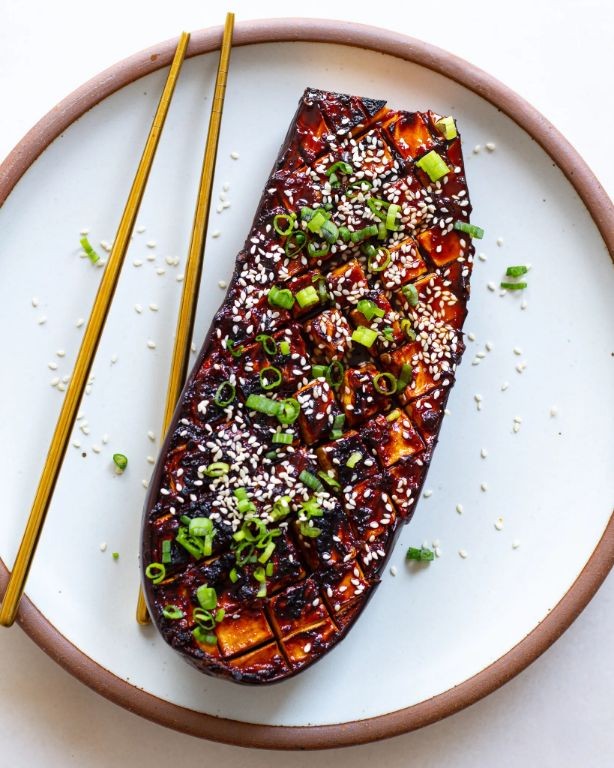
Mmm, you know those dishes that sound fancy but are secretly simple? This fish sauce glazed eggplant is exactly that—a restaurant-worthy side that comes together with minimal fuss. It’s savory, sweet, and has that addictive umami punch you’ll crave.
Serving: 4 | Pre Time: 10 minutes | Cooking Time: 20 minutes
Ingredients
– 2 medium globe eggplants, cut into 1-inch cubes
– 3 tablespoons avocado oil
– 3 tablespoons fish sauce
– 2 tablespoons granulated sugar
– 1 tablespoon rice vinegar
– 2 cloves garlic, minced
– 1 teaspoon freshly grated ginger
– 2 scallions, thinly sliced
– 1 tablespoon toasted sesame seeds
Instructions
1. Preheat a large skillet over medium-high heat and add the avocado oil.
2. Add the cubed eggplant in a single layer, working in batches if necessary to avoid overcrowding.
3. Cook the eggplant for 8-10 minutes, stirring occasionally, until all sides are deeply browned and the flesh is tender.
4. Tip: Let the eggplant develop a sear without moving it too much for better caramelization.
5. Reduce the heat to medium and push the eggplant to the sides of the skillet.
6. Add the minced garlic and grated ginger to the center of the skillet and sauté for 30 seconds until fragrant.
7. Pour in the fish sauce, granulated sugar, and rice vinegar, stirring to combine into a glaze.
8. Tip: The sugar will help the glaze thicken and coat the eggplant evenly.
9. Toss the eggplant in the glaze until thoroughly coated and cook for 2-3 minutes until the sauce reduces and becomes sticky.
10. Remove the skillet from the heat and fold in the sliced scallions.
11. Tip: Adding the scallions off the heat preserves their fresh, crisp texture.
12. Transfer the glazed eggplant to a serving dish and garnish with toasted sesame seeds.
Zesty and rich, the eggplant turns meltingly soft with a glossy, savory-sweet coating that clings to every piece. Serve it over steamed jasmine rice to soak up the extra glaze, or alongside grilled meats for a vibrant contrast.
Fish Sauce and Chili Grilled Squid
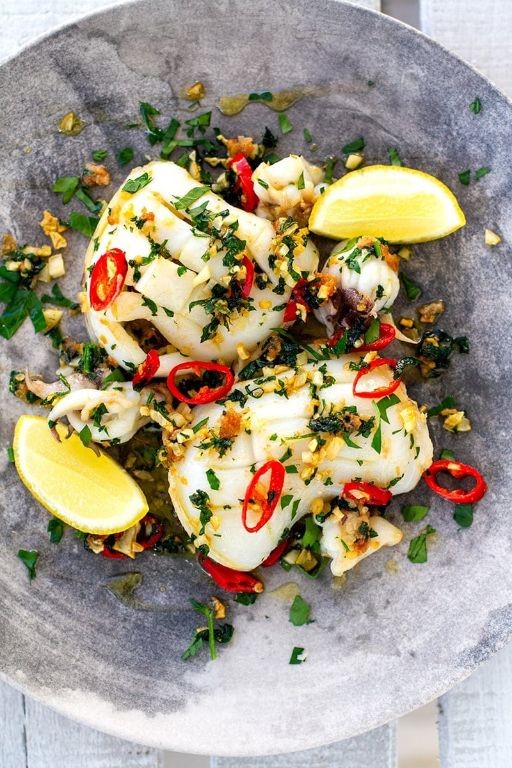
Ooh, have you ever had that perfect balance of salty, spicy, and smoky? This grilled squid dish delivers exactly that with minimal fuss. It’s a fantastic appetizer or light main that feels special but comes together quickly. You’ll love how the fish sauce caramelizes into something magical over the flames.
Serving: 4 | Pre Time: 15 minutes | Cooking Time: 6 minutes
Ingredients
– 1 lb cleaned squid tubes and tentacles, patted dry
– 3 tbsp high-quality fish sauce
– 2 tbsp freshly squeezed lime juice
– 2 tbsp granulated sugar
– 4 fresh Thai bird’s eye chilies, finely minced
– 2 large garlic cloves, finely grated
– 1 tbsp neutral oil (such as grapeseed oil)
– 2 tbsp finely chopped fresh cilantro, for garnish
– Lime wedges, for serving
Instructions
1. In a medium non-reactive bowl, whisk together the fish sauce, lime juice, granulated sugar, minced Thai bird’s eye chilies, and finely grated garlic cloves until the sugar is fully dissolved.
2. Add the patted-dry squid tubes and tentacles to the marinade, ensuring all pieces are thoroughly coated. Tip: For maximum flavor, let the squid marinate at room temperature for exactly 10 minutes—any longer and the acid will start to toughen the protein.
3. While the squid marinates, preheat a grill or grill pan to high heat (approximately 450°F).
4. Remove the squid from the marinade, allowing the excess liquid to drip off, and transfer it to a clean plate. Reserve the remaining marinade in the bowl.
5. Lightly brush the grill grates with the neutral oil to prevent sticking.
6. Place the squid on the preheated grill in a single layer. Grill for 2-3 minutes per side, or until you achieve distinct, dark grill marks and the flesh turns opaque white. Tip: Avoid moving the squid for the first 90 seconds to ensure proper searing and attractive marks.
7. While the squid grills, pour the reserved marinade into a small saucepan. Bring it to a rapid boil over medium-high heat and cook for 1 full minute to eliminate any raw seafood bacteria, then immediately remove from heat.
8. Transfer the grilled squid to a serving platter. Tip: For a glossy finish and extra flavor, immediately brush the hot squid with the boiled, reduced marinade sauce.
9. Garnish the platter with the finely chopped fresh cilantro and serve immediately with lime wedges on the side.
Zesty and tender, the squid has a fantastic chew without being rubbery, thanks to the quick grill. The glaze creates a sticky, sweet-salty crust that contrasts beautifully with the fresh chili heat. Try serving it over a simple salad of shredded green papaya for a complete, refreshing meal.
Fish Sauce and Ginger Steamed Fish
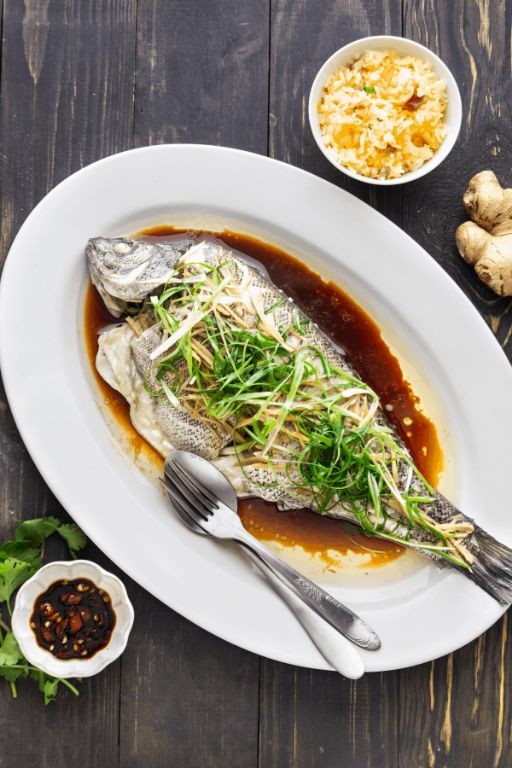
Now, picture this: you’re craving something light yet packed with flavor, something that feels fancy but comes together with minimal fuss. That’s exactly what this Fish Sauce and Ginger Steamed Fish delivers—a restaurant-worthy dish you can make on a busy weeknight. It’s all about clean, bright flavors that let the fish truly shine.
Serving: 4 | Pre Time: 15 minutes | Cooking Time: 12 minutes
Ingredients
– 1.5 lbs skin-on sea bass fillets, patted dry
– 3 tbsp premium fish sauce
– 2 tbsp freshly grated ginger root
– 1 tbsp unseasoned rice vinegar
– 1 tsp granulated sugar
– 2 scallions, thinly sliced on a bias
– 1 fresh red Thai chili, thinly sliced
– 2 tbsp neutral oil, such as grapeseed oil
– 1/4 cup cilantro leaves, for garnish
Instructions
1. Place the patted-dry sea bass fillets skin-side down on a heatproof plate that fits inside your steamer basket.
2. In a small bowl, whisk together the fish sauce, grated ginger, rice vinegar, and granulated sugar until the sugar is fully dissolved.
3. Pour the sauce mixture evenly over the fish fillets, ensuring they are fully coated.
4. Bring 1 inch of water to a vigorous boil in the base of a wok or large pot fitted with a steamer basket.
5. Carefully place the plate with the fish into the steamer basket, cover tightly with a lid, and steam over high heat for 10–12 minutes, or until the fish flakes easily with a fork and reaches an internal temperature of 145°F. (Tip: To prevent condensation from dripping onto the fish, you can tent the plate loosely with parchment paper before steaming.)
6. While the fish steams, heat the grapeseed oil in a small saucepan over medium-high heat until it shimmers, about 2 minutes.
7. Transfer the steamed fish to a serving platter, pouring any accumulated juices from the plate over the top.
8. Scatter the sliced scallions and red Thai chili evenly over the fish.
9. Carefully pour the hot oil over the scallions and chili; it should sizzle upon contact, wilting the aromatics and releasing their fragrance. (Tip: For maximum aroma, pour the oil in a circular motion to evenly distribute the heat.)
10. Garnish the finished dish with the fresh cilantro leaves. (Tip: For the best texture, serve the fish immediately after adding the hot oil to keep the skin from becoming soggy.)
This method yields fish that’s incredibly tender and moist, with the ginger and fish sauce creating a savory, umami-rich broth. The final hot oil drizzle adds a wonderful aromatic punch and a slight crispness to the scallions. Try serving it over a bed of jasmine rice to soak up every last drop of that delicious sauce.
Fish Sauce and Lemongrass Marinade
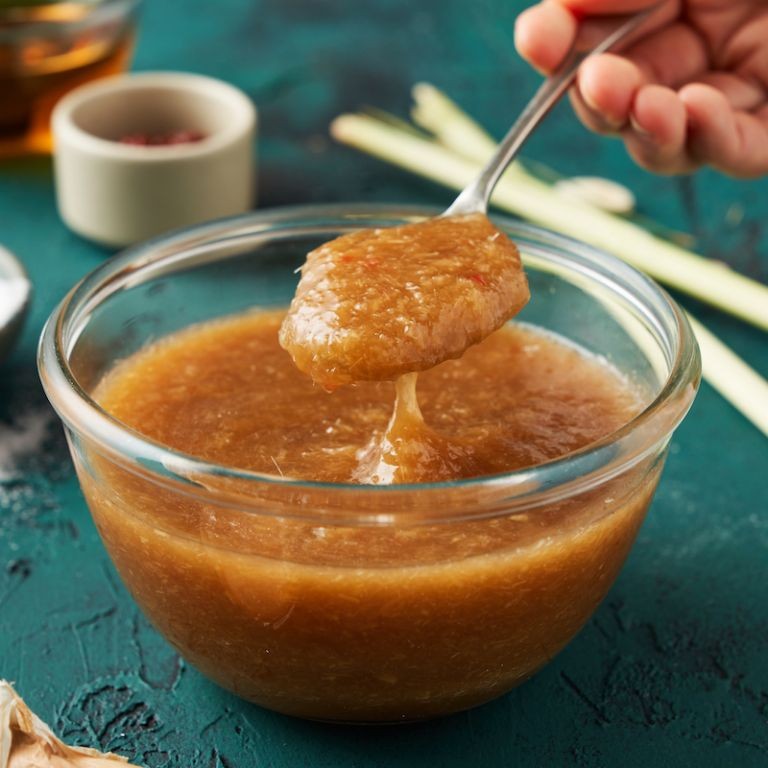
Just when you think your grilled chicken or tofu needs a serious flavor upgrade, this vibrant marinade swoops in to save dinner. It’s a perfect balance of salty, sweet, and aromatic that clings beautifully to whatever you’re cooking. You’ll want to make a double batch—trust me.
Serving: 4 | Pre Time: 15 minutes | Cooking Time: 20 minutes
Ingredients
– 1/4 cup premium fish sauce
– 3 tbsp freshly squeezed lime juice
– 2 tbsp granulated sugar
– 2 tbsp neutral oil, such as avocado oil
– 2 stalks fresh lemongrass, tender inner white parts only, finely minced
– 4 garlic cloves, finely grated
– 1 shallot, finely minced
– 1 Thai bird’s eye chili, finely minced (optional)
Instructions
1. In a medium glass or ceramic bowl, combine 1/4 cup premium fish sauce, 3 tbsp freshly squeezed lime juice, and 2 tbsp granulated sugar.
2. Whisk vigorously for 1 full minute until the sugar is completely dissolved and the mixture is slightly syrupy.
3. Slowly stream in 2 tbsp neutral oil while continuously whisking to create a stable emulsion.
4. Add 2 stalks of finely minced fresh lemongrass, 4 finely grated garlic cloves, 1 finely minced shallot, and 1 finely minced Thai bird’s eye chili (if using) to the bowl.
5. Whisk all ingredients together until thoroughly combined, about 30 seconds.
6. Place up to 2 lbs of your chosen protein (such as chicken thighs or firm tofu) in a large resealable plastic bag or shallow non-reactive dish.
7. Pour the marinade over the protein, ensuring it is completely submerged or evenly coated.
8. Seal the bag or cover the dish and refrigerate for a minimum of 2 hours, or ideally overnight for maximum flavor penetration.
9. Preheat your grill or grill pan to medium-high heat (approximately 400°F).
10. Remove the protein from the marinade, letting any excess drip off, and discard the used marinade.
11. Grill the protein for 8-10 minutes per side, or until it reaches an internal temperature of 165°F for chicken or develops a deep caramelized crust for tofu.
12. Transfer the cooked protein to a clean plate and let it rest for 5 minutes before slicing or serving.
Grilled to perfection, the exterior boasts a sticky, caramelized glaze while the interior remains incredibly juicy. The lemongrass and garlic offer a fragrant backbone that’s brightened by the lime, making it fantastic over jasmine rice or shredded into fresh summer rolls. Leftovers? Toss them cold into a noodle salad tomorrow for an easy second act.
Fish Sauce and Sesame Noodle Bowl

Fancy a quick, flavor-packed meal that feels like takeout but comes together in your own kitchen? This fish sauce and sesame noodle bowl delivers that perfect savory-umami punch with minimal fuss. You’ll love how the ingredients come together for a satisfying weeknight dinner.
Serving: 2 | Pre Time: 10 minutes | Cooking Time: 10 minutes
Ingredients
– 8 ounces dried rice noodles
– 2 tablespoons toasted sesame oil
– 3 tablespoons fish sauce
– 2 tablespoons freshly squeezed lime juice
– 1 tablespoon granulated sugar
– 2 cloves garlic, finely minced
– 1 teaspoon crushed red pepper flakes
– 2 pasture-raised eggs, lightly beaten
– 4 green onions, thinly sliced on the bias
– ¼ cup roasted unsalted peanuts, coarsely chopped
– 1 tablespoon toasted white sesame seeds
Instructions
1. Bring a large pot of salted water to a rolling boil over high heat.
2. Add the dried rice noodles and cook for 4-5 minutes, stirring occasionally, until al dente (tender but with a slight bite).
3. Drain the noodles in a colander and rinse immediately under cold running water for 30 seconds to stop the cooking process and prevent sticking.
4. In a small mixing bowl, whisk together the toasted sesame oil, fish sauce, freshly squeezed lime juice, granulated sugar, finely minced garlic, and crushed red pepper flakes until the sugar fully dissolves, about 1 minute.
5. Heat a large non-stick skillet over medium heat for 1 minute until warm.
6. Pour the lightly beaten pasture-raised eggs into the skillet and cook undisturbed for 45 seconds until the edges set.
7. Gently scramble the eggs with a spatula for 1-2 minutes until fully cooked but still moist, then transfer to a plate.
8. Return the skillet to medium heat and add the drained noodles.
9. Pour the prepared sauce over the noodles and toss continuously with tongs for 2-3 minutes until the noodles are evenly coated and heated through.
10. Fold in the scrambled eggs, thinly sliced green onions, and coarsely chopped roasted unsalted peanuts, tossing gently to combine for 1 minute.
11. Divide the noodle mixture between two bowls and garnish each with ½ tablespoon of toasted white sesame seeds.
Wondering about the final result? The noodles offer a pleasantly chewy texture that contrasts with the creamy eggs and crunchy peanuts, while the fish sauce provides a deep, savory base balanced by the bright lime. Try topping it with extra herbs like cilantro or mint for a fresh twist, or serve it alongside grilled shrimp to make it a heartier meal.
Fish Sauce and Pineapple Fried Rice
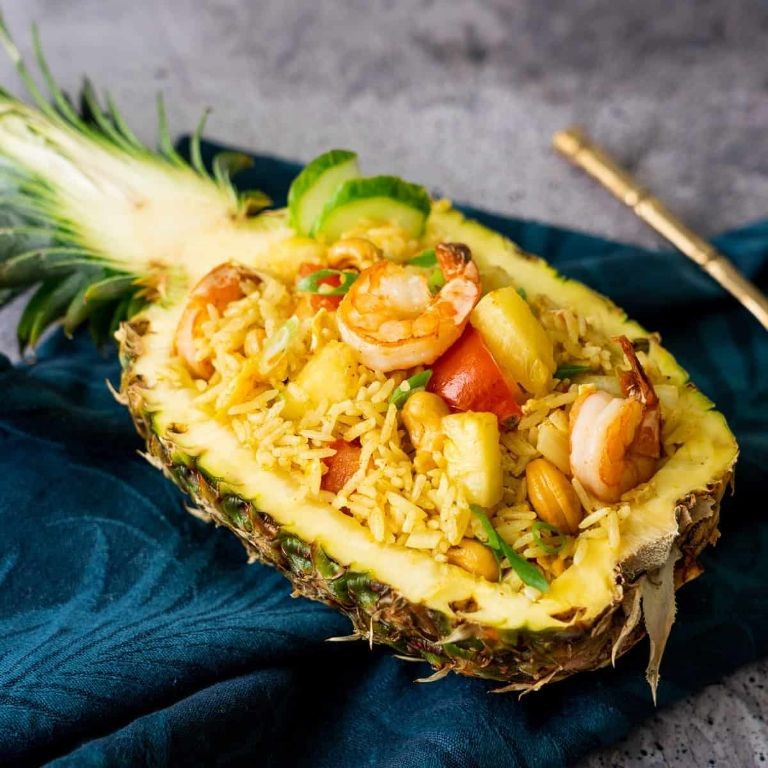
Kick off your dinner with a vibrant twist on a classic! This Fish Sauce and Pineapple Fried Rice is a sweet, savory, and umami-packed dish that comes together in a flash. You’ll love how the tangy pineapple balances the salty depth of the fish sauce for a truly addictive flavor.
Serving: 4 | Pre Time: 15 minutes | Cooking Time: 15 minutes
Ingredients
– 2 tablespoons grapeseed oil
– 4 large pasture-raised eggs, lightly beaten
– 1 cup finely diced yellow onion
– 2 tablespoons minced garlic
– 1 cup small-diced fresh pineapple
– 4 cups cooked and chilled jasmine rice
– 3 tablespoons premium fish sauce
– 2 tablespoons granulated sugar
– 1 cup thinly sliced scallions, green parts only
– ½ cup fresh cilantro leaves
– 1 lime, cut into wedges
Instructions
1. Heat a large wok or skillet over high heat for 2 minutes until very hot.
2. Add 1 tablespoon of grapeseed oil and swirl to coat the surface.
3. Pour in the lightly beaten pasture-raised eggs and cook for 45 seconds without stirring to set the bottom.
4. Gently scramble the eggs for 30 seconds until just set but still slightly moist, then transfer to a plate.
5. Add the remaining 1 tablespoon of grapeseed oil to the wok.
6. Add the finely diced yellow onion and cook for 3 minutes, stirring frequently, until translucent.
7. Stir in the minced garlic and cook for 1 minute until fragrant.
8. Add the small-diced fresh pineapple and cook for 2 minutes to lightly caramelize the edges.
9. Tip: Using cold, day-old jasmine rice prevents clumping and yields perfect individual grains.
10. Add the cooked and chilled jasmine rice to the wok, breaking up any clumps with a spatula.
11. Stir-fry the rice mixture for 4 minutes, pressing it against the hot surface to develop a slight crispness.
12. Tip: Combine the fish sauce and sugar in a small bowl first to ensure even distribution and prevent clumping of sugar.
13. Pour the mixture of premium fish sauce and granulated sugar over the rice.
14. Toss everything vigorously for 2 minutes until the rice is evenly coated and heated through.
15. Return the scrambled eggs to the wok and gently fold them in.
16. Remove the wok from the heat.
17. Tip: Adding the scallions and cilantro off the heat preserves their fresh color and crisp texture.
18. Fold in the thinly sliced scallions and fresh cilantro leaves.
19. Serve immediately with lime wedges on the side for squeezing.
Just savor the delightful contrast in every bite—the rice is wonderfully savory with pops of juicy pineapple and a bright, herbaceous finish. For a creative twist, serve it in hollowed-out pineapple halves for a stunning presentation that highlights the tropical flavors.
Summary
Packed with bold, savory flavor, these 20 recipes show just how versatile fish sauce can be in your kitchen. I hope you feel inspired to try a new dish this week! Let me know which recipe becomes your favorite in the comments below, and don’t forget to share this roundup on Pinterest to spread the umami love. Happy cooking!