
Ready to transform your kitchen into a Nordic haven? As the evenings grow cooler, there’s nothing quite like the comforting embrace of authentic Scandinavian cuisine. From hearty stews to delicate pastries, these 20 recipes bring the cozy charm of the North right to your table. Let’s explore these soul-warming dishes that promise to make every night feel like a hygge-filled retreat.
Swedish Meatballs with Lingonberry Sauce
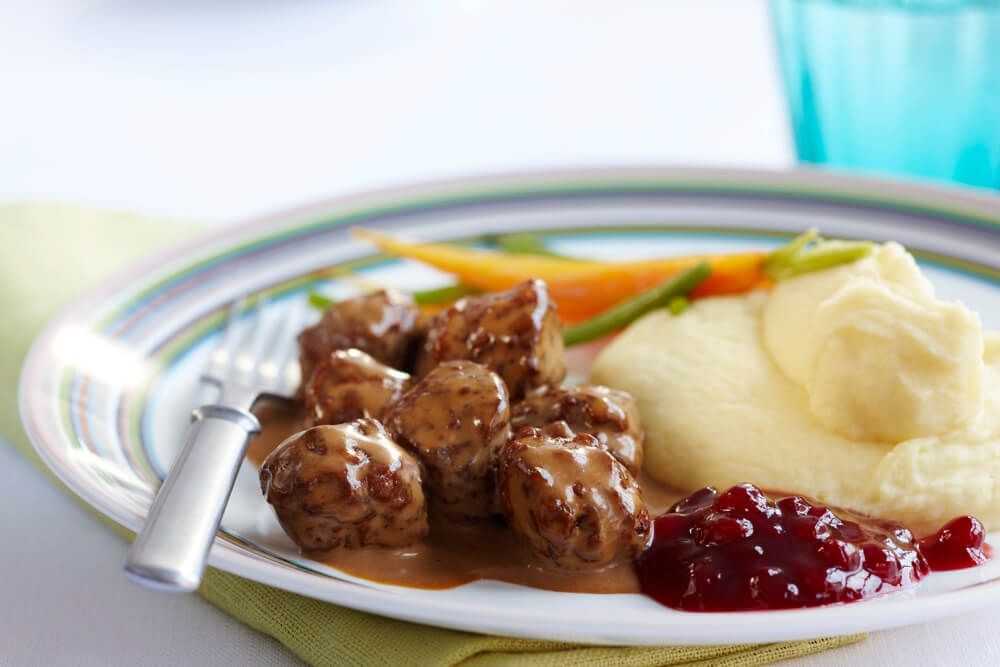
Nestled in the quiet of a December afternoon, with snowflakes drifting past the window, I find myself drawn to the warmth of the kitchen and the comforting ritual of preparing a dish that feels like a hug from the inside out. The rich, savory aroma of browning meat and the sweet-tart promise of lingonberries create a symphony of nostalgia, a gentle reminder that some traditions are meant to be savored slowly, one deliberate step at a time.
Serving: 4 | Pre Time: 20 minutes | Cooking Time: 25 minutes
Ingredients
– 1 lb ground beef (80/20 blend)
– ½ lb ground pork
– ½ cup panko breadcrumbs
– ½ cup whole milk, warmed to 100°F
– 1 large pasture-raised egg, lightly beaten
– ¼ cup finely minced yellow onion
– 2 tbsp clarified butter
– 1 tsp freshly grated nutmeg
– ½ tsp ground allspice
– 1 tsp Diamond Crystal kosher salt
– ½ tsp freshly cracked black pepper
– 2 tbsp unsalted butter
– 2 tbsp all-purpose flour
– 1½ cups beef stock, warmed
– ¼ cup heavy cream
– ½ cup lingonberry preserves
– 1 tbsp fresh dill, finely chopped
Instructions
1. In a medium bowl, combine the panko breadcrumbs and warmed whole milk; allow the mixture to soak for 5 minutes until the breadcrumbs soften completely.
2. Add the ground beef, ground pork, lightly beaten pasture-raised egg, finely minced yellow onion, freshly grated nutmeg, ground allspice, Diamond Crystal kosher salt, and freshly cracked black pepper to the soaked breadcrumb mixture.
3. Using your hands, gently mix the ingredients until just combined, being careful not to overwork the meat to ensure tender meatballs.
4. Portion the mixture into 24 equal-sized balls, rolling them gently between your palms to form smooth, compact spheres.
5. In a large skillet over medium heat, melt the clarified butter until it shimmers, about 2 minutes.
6. Add the meatballs in a single layer, working in batches if necessary to avoid crowding, and cook for 8–10 minutes, turning occasionally, until they develop a deep golden-brown crust on all sides and reach an internal temperature of 165°F.
7. Transfer the cooked meatballs to a plate and tent loosely with aluminum foil to retain warmth.
8. In the same skillet over medium heat, melt the unsalted butter until foamy, about 1 minute.
9. Whisk in the all-purpose flour and cook for 2 minutes, stirring constantly, until the roux turns a light nutty brown and loses its raw flour smell.
10. Gradually pour in the warmed beef stock while whisking continuously to prevent lumps, then simmer for 5 minutes until the sauce thickens enough to coat the back of a spoon.
11. Stir in the heavy cream and simmer for an additional 2 minutes until the sauce is velvety and smooth.
12. Return the meatballs to the skillet, spooning the sauce over them, and simmer gently for 3 minutes to allow the flavors to meld.
13. In a small saucepan over low heat, warm the lingonberry preserves for 3 minutes, stirring occasionally, until slightly loosened.
14. Plate the meatballs and sauce, garnish with finely chopped fresh dill, and serve immediately with the warmed lingonberry preserves on the side.
Yielding to the first bite reveals a tender, juicy interior contrasted by that delicate crust, while the creamy gravy, enriched with the fond from the skillet, clings lovingly to each meatball. The lingonberry sauce cuts through the richness with its bright, tart sweetness, creating a balance that feels both rustic and refined—try serving it over a bed of buttery egg noodles or with a simple side of roasted root vegetables to soak up every last drop of that savory sauce.
Norwegian Salmon Gravlax with Dill Mustard Sauce

Kneeling before the quiet miracle of preservation, I find myself returning to this Nordic tradition each December, when the light grows thin and the world outside slows to a hush. It’s a gentle, hands-off alchemy—salmon cured not by heat, but by time and salt, emerging silken and profound. The process asks for patience, rewarding it with slices of cold, jeweled fish that taste of the sea and fresh herbs.
Serving: 8 | Pre Time: 15 minutes | Cooking Time: 0 minutes
Ingredients
– 1 center-cut fillet of fresh, sushi-grade Norwegian salmon (about 2 lbs), skin-on and pin bones removed
– ½ cup granulated sugar
– ⅓ cup kosher salt (preferably Diamond Crystal)
– 1 large bunch of fresh dill, roughly chopped (about 1 cup packed)
– 2 tbsp whole black peppercorns, freshly cracked in a mortar and pestle
– 1 tbsp juniper berries, lightly crushed
– ½ cup Dijon mustard
– ¼ cup honey
– 3 tbsp extra-virgin olive oil
– 2 tbsp fresh lemon juice
– 1 tsp finely grated lemon zest
Instructions
1. In a small bowl, thoroughly combine the granulated sugar, kosher salt, cracked black peppercorns, and crushed juniper berries to create the cure mixture.
2. Place the salmon fillet, skin-side down, on a large piece of plastic wrap set over a rimmed baking sheet.
3. Evenly pack the entire surface of the salmon flesh with the cure mixture, using your hands to press it into an even layer.
4. Sprinkle the roughly chopped fresh dill uniformly over the cure-covered salmon.
5. Wrap the salmon tightly in the plastic wrap, then wrap it again in a second layer to ensure it is fully sealed.
6. Place the wrapped salmon on the baking sheet and set a second baking sheet or a flat, weighted plate directly on top to press it gently.
7. Transfer the weighted setup to the refrigerator and cure for exactly 48 hours, flipping the entire package once at the 24-hour mark to ensure even distribution.
8. After 48 hours, unwrap the salmon and rinse the fillet thoroughly under cold running water to remove all traces of the cure mixture.
9. Pat the salmon completely dry with clean paper towels, then place it on a wire rack set over a tray to air-dry in the refrigerator for 1 hour, which helps set the texture.
10. While the salmon air-dries, prepare the sauce: in a medium bowl, whisk together the Dijon mustard, honey, extra-virgin olive oil, fresh lemon juice, and finely grated lemon zest until smooth and emulsified.
11. Using a long, sharp slicing knife, cut the gravlax against the grain into very thin, bias-cut slices, angling the knife to avoid cutting through the skin.
12. Arrange the slices on a chilled serving platter and serve immediately with the dill mustard sauce on the side.
A final, delicate slice reveals a translucent, coral-hued flesh that yields without resistance, its flavor a clean, mineral-rich brine softened by the sweet perfume of dill and juniper. The mustard sauce, bright and piquant, cuts through the richness with a whisper of lemon. For a stunning presentation, drape the slices over blini or rye crisps, or layer them with paper-thin cucumber ribbons and a scatter of micro-cress.
Danish Smørrebrød with Pickled Herring
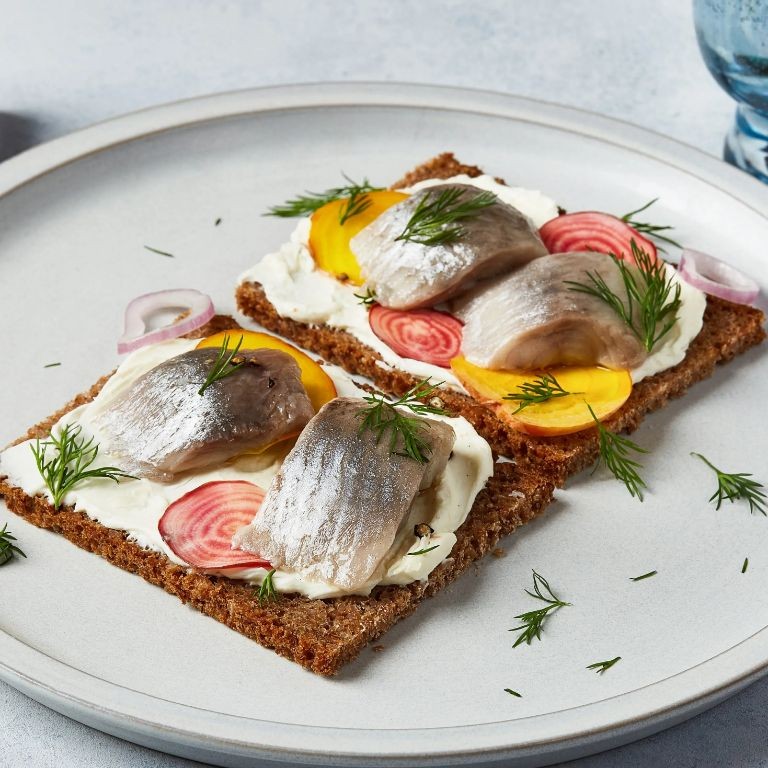
Perhaps it’s the quiet moments before a holiday that make me crave something simple yet profound, like the layered flavors of this open-faced sandwich, where each component tells its own story against the backdrop of dark rye.
Serving: 4 | Pre Time: 15 minutes | Cooking Time: 0 minutes
Ingredients
- 4 slices of dense, seeded dark rye bread
- 4 ounces of pickled herring fillets, drained and patted dry
- 1/2 cup of crème fraîche
- 2 tablespoons of fresh dill, finely chopped
- 1 small red onion, thinly sliced into half-moons
- 1 tablespoon of capers, drained
- 4 hard-boiled eggs, peeled and sliced into rounds
- Freshly ground black pepper
- Microgreens for garnish
Instructions
- Arrange the dark rye bread slices on a clean work surface, ensuring they are evenly spaced.
- Spread 2 tablespoons of crème fraîche evenly over each bread slice using a small offset spatula, covering the surface completely to create a moisture barrier that prevents sogginess.
- Place one pickled herring fillet on top of each crème fraîche-covered slice, positioning it slightly off-center for visual appeal.
- Layer 3 to 4 slices of hard-boiled egg over the herring on each sandwich, overlapping them gently to cover the fish.
- Scatter 1 tablespoon of thinly sliced red onion over the eggs on each sandwich, distributing it evenly for a balanced bite.
- Sprinkle 1/2 tablespoon of chopped fresh dill over each sandwich, focusing on the herring and egg areas to enhance the aromatic profile.
- Garnish each sandwich with 1/4 tablespoon of capers, placing them strategically for bursts of briny flavor.
- Season each sandwich with a pinch of freshly ground black pepper, adjusting to preference but avoiding over-salting due to the pickled components.
- Top each sandwich with a small handful of microgreens, gently pressing them into the layers to secure without crushing.
- Serve immediately on individual plates, using a sharp knife to cut each sandwich in half diagonally for easier handling, if desired.
As you take a bite, the crunch of the rye gives way to the creamy tang of crème fraîche, followed by the firm, salty-sweet herring and the subtle earthiness of eggs. For a creative twist, drizzle a few drops of aquavit over the assembled sandwiches just before serving to echo the Scandinavian origins, or pair them with a chilled glass of dry Riesling to balance the richness.
Finnish Karelian Pies with Egg Butter

Kneading the rye dough for these Finnish Karelian pies feels like pressing quiet winter mornings into my palms, each fold holding the gentle patience of a tradition passed through generations. The simple filling of rice porridge and rich egg butter creates a humble yet deeply comforting bite, perfect for a reflective moment with a warm cup of tea on a quiet afternoon.
Serving: 12 pies | Pre Time: 40 minutes | Cooking Time: 25 minutes
Ingredients
– 1 ½ cups rye flour
– ½ cup all-purpose flour
– ¾ cup water
– 1 tsp fine sea salt
– 2 tbsp clarified butter, melted
– 1 cup short-grain white rice
– 2 ½ cups whole milk
– ¼ tsp freshly grated nutmeg
– 4 pasture-raised eggs, lightly beaten
– ½ cup unsalted European-style butter, softened
Instructions
1. Combine 1 ½ cups rye flour, ½ cup all-purpose flour, and 1 tsp fine sea salt in a large mixing bowl.
2. Gradually add ¾ cup water while mixing with a fork until a shaggy dough forms.
3. Knead the dough on a lightly floured surface for 8-10 minutes until smooth and elastic, adding small amounts of rye flour if sticky.
4. Cover the dough with a damp kitchen towel and let rest at room temperature for 30 minutes to relax the gluten.
5. Rinse 1 cup short-grain white rice under cold water until the water runs clear to remove excess starch.
6. In a medium saucepan, combine the rinsed rice, 2 ½ cups whole milk, and ¼ tsp freshly grated nutmeg.
7. Bring to a simmer over medium heat, then reduce to low, cover, and cook for 25 minutes, stirring occasionally to prevent sticking.
8. Remove the rice porridge from heat, cover, and let stand for 10 minutes to thicken slightly.
9. Divide the rested dough into 12 equal portions and roll each into a thin 6-inch oval on a lightly floured surface.
10. Spoon 2 tbsp of the warm rice porridge onto the center of each dough oval, leaving a ½-inch border.
11. Fold the edges of the dough over the filling, pleating carefully to create the traditional crimped border.
12. Preheat oven to 425°F and place a baking sheet inside to heat for 10 minutes.
13. Brush each pie lightly with 2 tbsp melted clarified butter using a pastry brush.
14. Bake the pies on the preheated baking sheet for 15-18 minutes until the edges are golden brown and crisp.
15. While the pies bake, whisk 4 lightly beaten pasture-raised eggs in a small saucepan over low heat.
16. Cook the eggs gently, stirring constantly with a rubber spatula for 4-5 minutes until soft curds form, then immediately remove from heat.
17. Fold the warm egg curds into ½ cup softened unsalted European-style butter until fully incorporated.
18. Serve the warm Karelian pies immediately with generous dollops of the egg butter.
Perfectly baked pies reveal a delicate contrast between the crisp, nutty rye crust and the creamy rice filling that yields gently to the fork. The luxurious egg butter melts into warm crevices, its rich silkiness balancing the earthy grains—consider serving them open-faced with a sprinkle of fresh chives or alongside smoked salmon for a festive brunch presentation.
Icelandic Lamb Stew with Root Vegetables
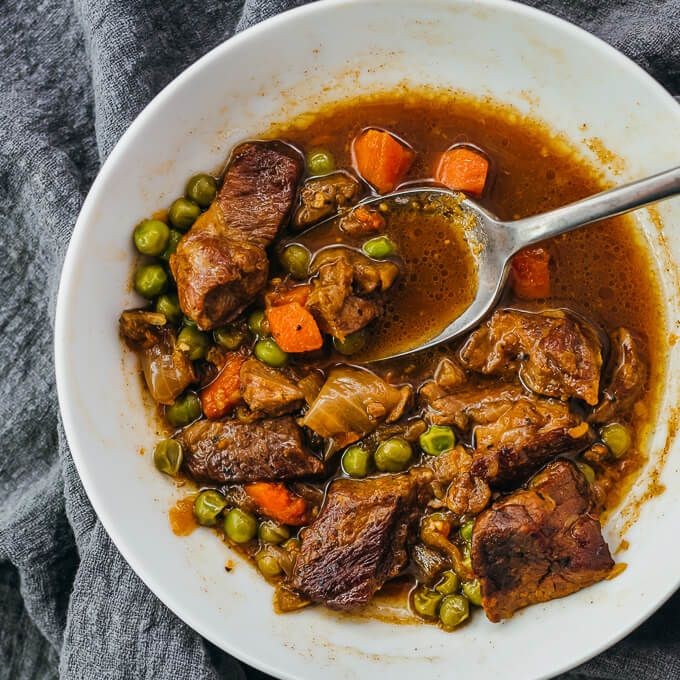
Huddled in the kitchen on this quiet December morning, the gentle simmer of a pot feels like a small, warm rebellion against the winter chill outside. This Icelandic lamb stew, with its humble root vegetables, is less a recipe and more a slow, deliberate act of care—a way to fill the house with the earthy, comforting scent of something that has taken its time.
Serving: 6 | Pre Time: 25 minutes | Cooking Time: 2 hours 30 minutes
Ingredients
– 2 lbs boneless Icelandic lamb shoulder, trimmed and cut into 1-inch cubes
– 3 tbsp clarified butter
– 1 large yellow onion, finely diced
– 4 garlic cloves, minced
– 1 tbsp tomato paste
– 6 cups homemade lamb or beef stock
– 2 bay leaves
– 1 lb Yukon Gold potatoes, peeled and cut into 1-inch chunks
– 3 large carrots, peeled and cut into ½-inch rounds
– 2 parsnips, peeled and cut into ½-inch rounds
– 1 rutabaga, peeled and cut into ¾-inch cubes
– 2 tsp fine sea salt
– 1 tsp freshly cracked black pepper
– ¼ cup fresh dill, finely chopped
Instructions
1. Pat the lamb cubes completely dry with paper towels to ensure proper browning.
2. In a large Dutch oven over medium-high heat, melt 2 tablespoons of clarified butter until it shimmers.
3. Working in two batches to avoid overcrowding, sear the lamb cubes for 3-4 minutes per side until a deep, caramelized crust forms; transfer to a plate.
4. Reduce heat to medium and add the remaining 1 tablespoon of clarified butter to the pot.
5. Add the diced onion and cook for 7-8 minutes, stirring occasionally, until translucent and lightly golden.
6. Add the minced garlic and cook for 1 minute until fragrant.
7. Stir in the tomato paste and cook for 2 minutes to deepen its flavor, scraping up any browned bits from the pot bottom.
8. Return the seared lamb and any accumulated juices to the pot.
9. Pour in the homemade stock, ensuring it just covers the meat, and add the bay leaves.
10. Bring the liquid to a gentle simmer, then immediately reduce heat to low.
11. Cover the pot and let the stew cook undisturbed for 1 hour and 30 minutes.
12. After 90 minutes, add the potato chunks, carrot rounds, parsnip rounds, and rutabaga cubes to the pot.
13. Stir gently to submerge the vegetables in the broth, then re-cover the pot.
14. Continue cooking over low heat for another 45-50 minutes, until the vegetables are fork-tender but not mushy.
15. Remove the pot from heat and discard the bay leaves.
16. Stir in the fine sea salt, freshly cracked black pepper, and half of the chopped fresh dill.
17. Let the stew rest, uncovered, for 10 minutes to allow the flavors to meld.
Buttery soft potatoes and sweet carrots melt into the rich, herbaceous broth, while the lamb, now impossibly tender, carries the deep, mineral notes of its origin. Serve it in deep bowls, garnished with the remaining fresh dill, alongside a slice of dense rye bread for dipping into the savory depths.
Swedish Cinnamon Buns (Kanelbullar)

Beneath the quiet hum of a winter morning, when the world outside seems to hold its breath, there is a simple, profound comfort in the ritual of baking. It’s in these slow, deliberate moments that the heart of Swedish fika—the cherished coffee break—is truly found, embodied in the gentle swirl of a cinnamon bun. The process itself becomes a meditation, a way to fill the kitchen with a warmth that feels like a soft embrace, one fragrant, buttery layer at a time.
Serving: 12 | Pre Time: 120 minutes | Cooking Time: 18 minutes
Ingredients
– 4 cups (500g) bread flour, sifted
– 1 cup (240ml) whole milk, warmed to 110°F
– ½ cup (100g) granulated sugar
– 7g (1 packet) active dry yeast
– 2 pasture-raised eggs, lightly beaten
– ½ cup (113g) unsalted European-style butter, softened
– 1 tsp fine sea salt
– ½ cup (113g) clarified butter, melted
– ⅔ cup (150g) dark muscovado sugar
– 3 tbsp ground Ceylon cinnamon
– 1 egg yolk, beaten with 1 tbsp heavy cream for egg wash
– Pearl sugar, for garnish
Instructions
1. In the bowl of a stand mixer fitted with a dough hook, combine the warmed whole milk, granulated sugar, and active dry yeast. Allow the mixture to rest undisturbed for 10 minutes until foamy and fragrant, indicating yeast activation.
2. Add the sifted bread flour, lightly beaten pasture-raised eggs, softened European-style butter, and fine sea salt to the yeast mixture. Mix on low speed for 2 minutes until a shaggy dough forms, then increase to medium speed and knead for 8 minutes until the dough is smooth, elastic, and pulls cleanly from the sides of the bowl.
3. Transfer the dough to a lightly oiled bowl, cover with a damp kitchen towel, and let it proof in a warm, draft-free area for 60–75 minutes, or until it has doubled in size. For optimal rise, place the bowl in an oven with only the light turned on.
4. While the dough proofs, prepare the filling by thoroughly combining the dark muscovado sugar and ground Ceylon cinnamon in a small bowl; set aside.
5. Turn the proofed dough onto a lightly floured surface. Using a rolling pin, roll it into a 16×12-inch rectangle, ensuring an even thickness of about ¼ inch.
6. Brush the entire surface of the dough rectangle evenly with the melted clarified butter, leaving a ½-inch border along one long edge. Sprinkle the cinnamon-sugar mixture uniformly over the buttered area.
7. Starting from the long edge opposite the border, tightly roll the dough into a log, using the unbuttered border to seal the seam. Pinch the seam firmly to secure it.
8. Using a sharp serrated knife, slice the log into 12 equal pieces, each about 1¼ inches thick. For clean cuts that preserve the swirls, use a gentle sawing motion without pressing down.
9. Arrange the slices, cut-side up, in a parchment-lined 9×13-inch baking pan, spacing them about 1 inch apart. Cover loosely with the damp towel and let them proof again for 45 minutes until puffy and nearly doubled.
10. Preheat your oven to 375°F. Just before baking, gently brush the tops of the buns with the prepared egg wash and sprinkle generously with pearl sugar.
11. Bake the buns on the center rack for 16–18 minutes, or until they are deeply golden brown and sound hollow when tapped on the bottom. Rotate the pan halfway through baking for even coloration.
12. Transfer the pan to a wire rack and allow the buns to cool for at least 20 minutes before serving; this resting period allows the flavors to settle and the texture to perfect.
Here, the true reward reveals itself: a bun with a tender, feather-light crumb that yields to a soft, sticky center, where the deep, woody warmth of cinnamon melds with the rich caramel notes of muscovado. Enjoy them warm, their tops glistening with sugar, alongside a strong cup of coffee for an authentic fika, or split and lightly toasted the next day to revive their delicate, fragrant layers.
Norwegian Lefse with Butter and Sugar
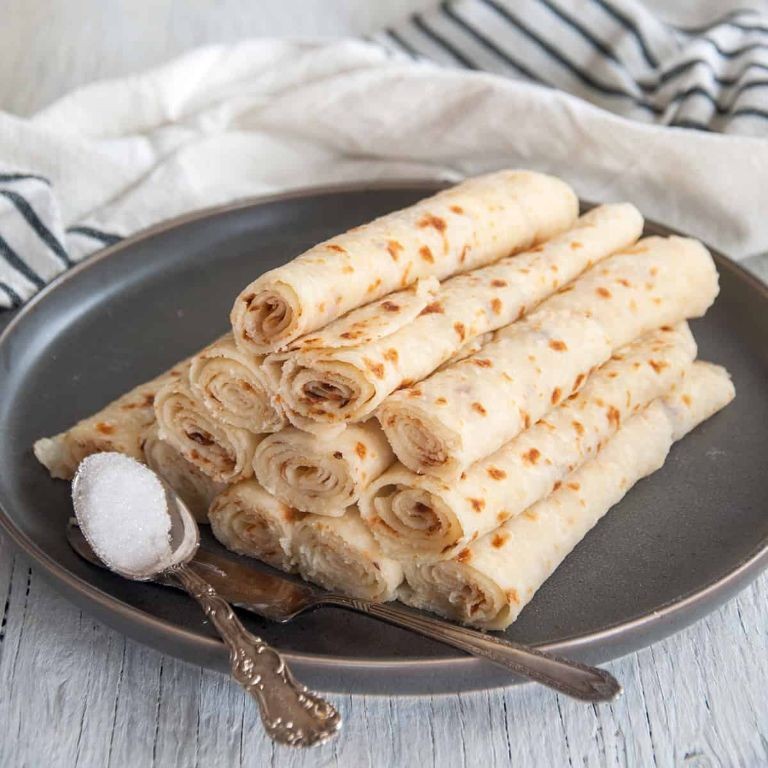
Venturing into the quiet kitchen on this December morning, I find myself drawn to the simple comfort of a Norwegian tradition—soft, pliable flatbreads, warm from the griddle, destined to be spread with melting butter and a dusting of sugar. It’s a humble ritual that feels like a whispered secret, a gentle pause in the holiday rush where flour-dusted hands and patient warmth create something deeply satisfying. This lefse, with its tender, almost translucent layers, offers a quiet moment of sweetness, a canvas for the simplest of toppings that somehow feels like a small celebration all its own.
Serving: 8 | Pre Time: 30 minutes | Cooking Time: 20 minutes
Ingredients
– 2 cups russet potatoes, peeled, boiled until fork-tender, and riced
– 1/4 cup unsalted European-style butter, melted and cooled to room temperature
– 1/2 cup all-purpose flour, plus additional for dusting
– 1/2 teaspoon fine sea salt
– 1/4 cup granulated sugar
– 4 tablespoons unsalted butter, softened to a spreadable consistency
Instructions
1. Place the riced potatoes in a large mixing bowl and allow them to cool completely to room temperature, about 20 minutes, to prevent the dough from becoming sticky.
2. Add the 1/4 cup of melted, cooled butter, 1/2 cup of all-purpose flour, and fine sea salt to the cooled potatoes.
3. Gently mix by hand until a soft, cohesive dough forms, being careful not to overwork it to maintain tenderness.
4. Divide the dough into 8 equal portions and roll each into a smooth ball.
5. Lightly dust a clean work surface and a rolling pin with additional all-purpose flour.
6. Roll one dough ball into a very thin circle, approximately 8 inches in diameter and 1/16-inch thick, using even pressure to avoid tears.
7. Preheat a dry, seasoned cast-iron griddle or non-stick skillet over medium heat to 375°F, verified with an infrared thermometer for accuracy.
8. Carefully transfer the rolled dough to the hot griddle and cook for 60 seconds, or until light golden-brown spots appear on the bottom.
9. Flip the lefse using a thin spatula and cook the second side for an additional 45 seconds, until puffed slightly and cooked through without browning too deeply.
10. Transfer the cooked lefse to a plate lined with a clean kitchen towel and cover loosely to keep warm and pliable.
11. Repeat steps 6 through 10 with the remaining dough balls, stacking the cooked lefse under the towel.
12. Spread each warm lefse with 1/2 tablespoon of softened butter, then sprinkle evenly with 1/2 tablespoon of granulated sugar.
13. Roll or fold the lefse gently to enclose the filling, and serve immediately while still warm.
Soft and yielding, the lefse cradles the butter and sugar in a delicate embrace, the granules dissolving into a subtle caramel-like sweetness against the earthy potato base. Serve it curled into a loose roll for a handheld treat, or layer it flat and let the toppings melt into a glossy, simple glaze—either way, it’s a texture that’s both comforting and elegantly understated, perfect for a quiet morning or a shared moment of pause.
Danish Æbleskiver with Powdered Sugar

Nostalgia settles in as I recall the gentle sizzle of batter in a cast-iron pan, the warm scent of vanilla and cardamom filling the kitchen on a quiet morning. These Danish Æbleskiver, dusted with a whisper of powdered sugar, are more than just a breakfast treat—they’re little spheres of comfort, perfect for savoring slowly with a cup of coffee.
Serving: 4 | Pre Time: 15 minutes | Cooking Time: 20 minutes
Ingredients
– 1 ½ cups all-purpose flour, sifted
– 2 teaspoons baking powder
– ¼ teaspoon fine sea salt
– ½ teaspoon ground cardamom
– 2 large pasture-raised eggs, lightly beaten
– 2 tablespoons granulated sugar
– 1 ¼ cups whole milk, at room temperature
– 1 teaspoon pure vanilla extract
– ¼ cup clarified butter, for frying
– ½ cup powdered sugar, for dusting
Instructions
1. In a large mixing bowl, whisk together the sifted all-purpose flour, baking powder, fine sea salt, and ground cardamom until fully combined.
2. In a separate bowl, combine the lightly beaten pasture-raised eggs and granulated sugar, whisking vigorously for 1 minute until pale and slightly frothy.
3. Gradually pour the whole milk and pure vanilla extract into the egg mixture, stirring gently to incorporate.
4. Pour the wet ingredients into the dry ingredients, folding with a spatula until just combined—do not overmix to avoid tough æbleskiver.
5. Heat a cast-iron æbleskiver pan over medium-low heat (325°F) for 3 minutes until evenly warm.
6. Add ½ teaspoon of clarified butter to each well of the pan, swirling to coat the sides completely.
7. Fill each well three-quarters full with batter using a small ladle or spoon.
8. Cook for 3–4 minutes until the edges appear set and bubbles form on the surface.
9. Insert a wooden skewer or fork into the side of each æbleskiver, gently rotating it 90 degrees to expose the uncooked batter to the pan—this creates the signature spherical shape.
10. Continue cooking for another 3–4 minutes, turning occasionally, until all sides are golden brown and a toothpick inserted into the center comes out clean.
11. Transfer the æbleskiver to a wire rack to cool slightly, about 2 minutes.
12. Dust generously with powdered sugar using a fine-mesh sieve just before serving.
Kindly warm and tender, these æbleskiver offer a delicate, cake-like interior with a subtly crisp exterior. The cardamom lends an aromatic warmth that pairs beautifully with the sweet dusting of sugar. For a creative twist, serve them alongside a dollop of lingonberry jam or a drizzle of warm maple syrup for dipping.
Finnish Rye Bread (Reikäleipä)
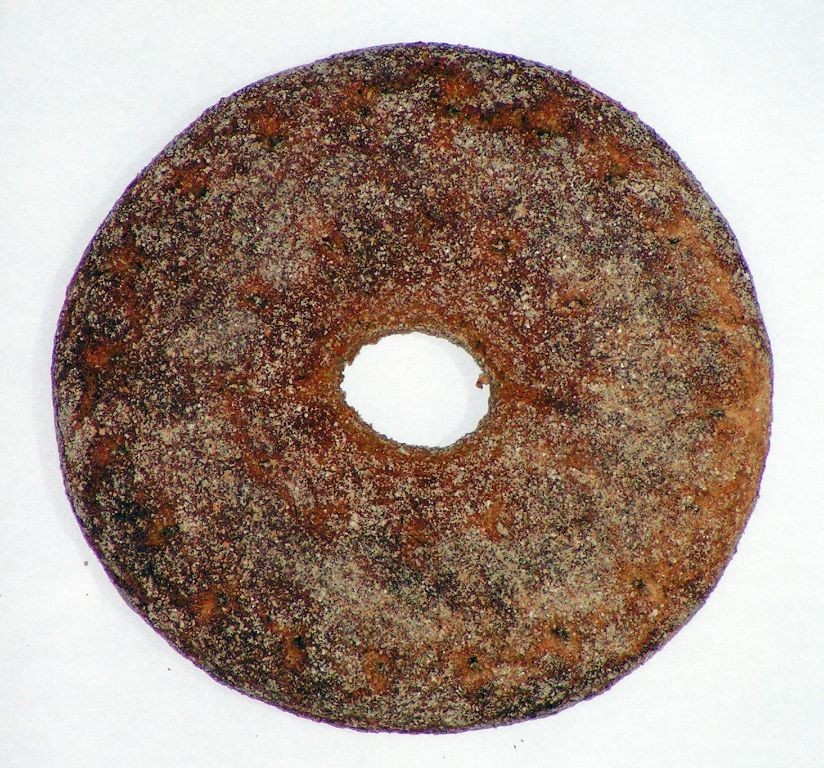
Beneath the quiet hum of a winter morning, there’s a certain solace in returning to the simplest of things—a dense, dark loaf that carries the earthy scent of rye and time. This Finnish rye bread, or reikäleipä, is a humble staple with a hole in its center, traditionally air-dried to last through long Nordic seasons. Making it feels like a slow, grounding ritual, one that yields a bread both sturdy and soulful.
Serving: 1 loaf | Pre Time: 20 minutes | Cooking Time: 50 minutes
Ingredients
– 2 cups whole-grain rye flour
– 1 cup bread flour
– 1 ½ cups lukewarm water (110°F)
– 2 teaspoons active dry yeast
– 1 teaspoon fine sea salt
– 1 tablespoon dark molasses
– 1 tablespoon unsalted butter, softened
– 1 teaspoon caraway seeds (optional)
Instructions
1. In a small bowl, combine the lukewarm water and active dry yeast, letting it sit undisturbed for 5 minutes until frothy.
2. In a large mixing bowl, whisk together the whole-grain rye flour, bread flour, and fine sea salt until evenly incorporated.
3. Pour the yeast mixture into the dry ingredients, adding the dark molasses and softened unsalted butter.
4. Stir with a wooden spoon until a shaggy dough forms, then knead by hand on a lightly floured surface for 8–10 minutes until smooth and elastic.
5. Tip: If the dough feels too sticky, dust with a little extra bread flour, but avoid over-flouring to keep the rye’s dense texture.
6. Shape the dough into a ball, place it in a lightly oiled bowl, cover with a damp kitchen towel, and let rise in a warm spot for 1 hour or until doubled in size.
7. Punch down the dough, then form it into a round loaf, pressing your thumb through the center to create a hole about 2 inches wide.
8. Tip: For even rising, let the shaped loaf rest on a parchment-lined baking sheet, covered, for 30 minutes.
9. Preheat the oven to 375°F and, if desired, sprinkle the loaf with caraway seeds for a subtle aromatic note.
10. Bake the bread on the center rack for 45–50 minutes, until the crust is deep brown and sounds hollow when tapped on the bottom.
11. Tip: To ensure a crisp crust, place a pan of water on the oven’s lower rack during baking to create steam.
12. Transfer the loaf to a wire rack and let it cool completely for at least 2 hours before slicing to prevent gummines.
13. This bread emerges with a firm, chewy crust and a moist, tangy crumb that pairs beautifully with smoked fish or a swipe of cultured butter. Try toasting thick slices until crisp and serving with a dollop of lingonberry jam for a sweet-savory contrast.
Icelandic Skyr Cheesecake with Berries
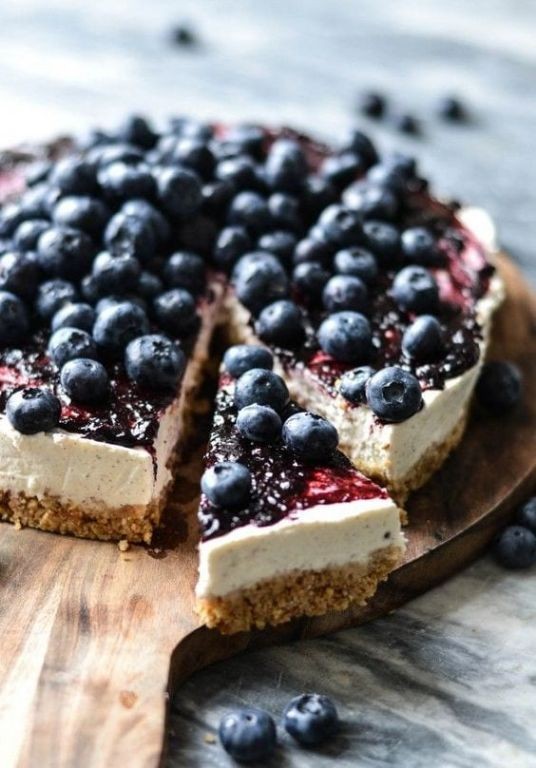
Perhaps it’s the quiet winter light filtering through my kitchen window today that makes me crave something both comforting and bright—a dessert that feels like a gentle embrace yet sparkles with life. This Icelandic Skyr Cheesecake with Berries is just that, a creamy, tangy creation anchored by the rich simplicity of a buttery crust and crowned with jewel-like fruit. It’s a reminder that sometimes the most profound joys come from blending the familiar with the novel, letting each ingredient speak in its own soft voice.
Serving: 8 | Pre Time: 25 minutes | Cooking Time: 55 minutes
Ingredients
- 1 ½ cups graham cracker crumbs, finely ground
- 5 tablespoons unsalted butter, clarified and cooled to room temperature
- 24 ounces Icelandic skyr, plain and full-fat
- 8 ounces cream cheese, softened to room temperature
- ¾ cup granulated sugar
- 3 pasture-raised eggs, lightly beaten
- 1 teaspoon pure vanilla extract
- 1 tablespoon cornstarch
- 2 cups mixed fresh berries (such as raspberries, blueberries, and blackberries)
- 2 tablespoons honey, for drizzling
Instructions
- Preheat your oven to 325°F (163°C) and position a rack in the center.
- Combine the graham cracker crumbs and clarified butter in a medium bowl, mixing until the crumbs are evenly coated and hold together when pressed.
- Press the crumb mixture firmly into the bottom of a 9-inch springform pan, using the bottom of a glass to create an even, compact layer.
- Bake the crust for 10 minutes, until it is lightly fragrant and just set, then transfer to a wire rack to cool completely.
- In the bowl of a stand mixer fitted with the paddle attachment, beat the skyr and cream cheese on medium speed for 3 minutes, until completely smooth and no lumps remain.
- Add the granulated sugar and beat for 2 more minutes, scraping down the sides of the bowl with a rubber spatula to ensure thorough incorporation.
- With the mixer on low speed, gradually pour in the lightly beaten eggs, mixing just until blended—overmixing can incorporate too much air and cause cracking.
- Add the vanilla extract and cornstarch, mixing on low for 30 seconds until the batter is homogeneous and slightly thickened.
- Pour the filling over the cooled crust, gently tapping the pan on the counter to release any large air bubbles.
- Place the springform pan on a baking sheet and bake for 45–55 minutes, until the edges are set but the center still jiggles slightly when nudged—this slow, low-temperature bake helps prevent cracks.
- Turn off the oven, crack the door open with a wooden spoon, and let the cheesecake cool inside for 1 hour to set gradually.
- Transfer the cheesecake to a wire rack to cool to room temperature, then refrigerate for at least 4 hours, or preferably overnight, to fully firm.
- Just before serving, arrange the mixed fresh berries artfully over the top of the chilled cheesecake.
- Drizzle the honey lightly over the berries in a zigzag pattern for a glossy finish.
Cooling it slowly in the turned-off oven yields a texture that is luxuriously dense yet impossibly smooth, with the skyr’s gentle tang cutting through the sweetness. Each forkful marries the crisp, buttery crust with the creamy filling and bursts of berry freshness, making it perfect for a quiet afternoon treat or an elegant centerpiece at a gathering. Consider serving thin slices with a dollop of extra skyr on the side, or garnish with edible flowers for a touch of whimsy that celebrates the season’s simplicity.
Swedish Princess Cake (Prinsesstårta)
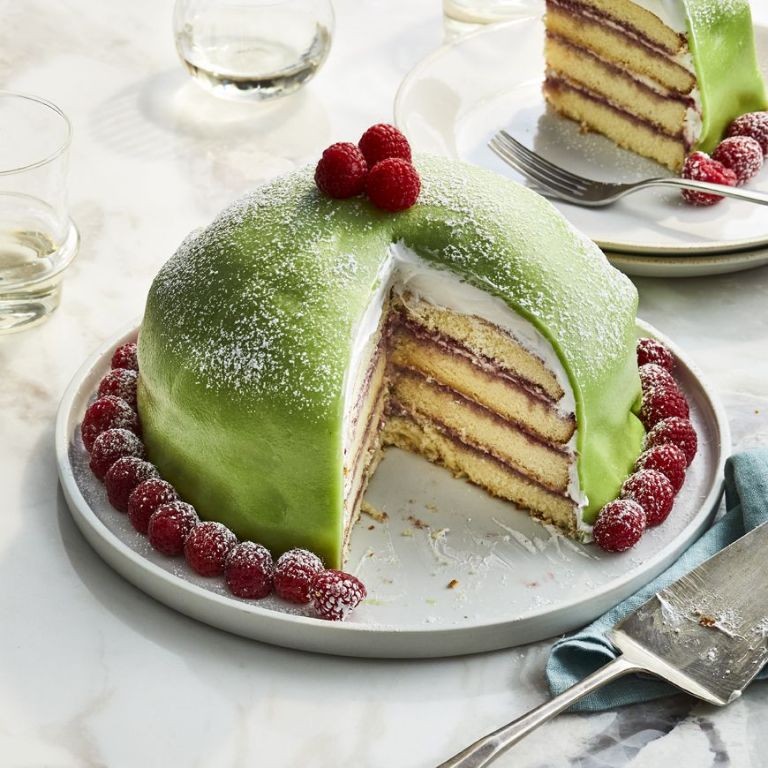
Wandering through the quiet kitchen this morning, the soft light reminds me of the gentle pastels of a Swedish Princess Cake, a confection that feels like a whispered secret from another time. Its layers tell a story of patience and care, a quiet celebration wrapped in smooth marzipan.
Serving: 12 | Pre Time: 60 minutes | Cooking Time: 30 minutes
Ingredients
– 1 ½ cups granulated sugar
– 1 cup unsalted butter, clarified and cooled to 75°F
– 4 large pasture-raised eggs, lightly beaten
– 2 cups cake flour, sifted twice
– 1 tbsp pure vanilla extract
– 2 cups heavy whipping cream, chilled to 40°F
– ½ cup seedless raspberry jam
– 1 ½ cups vanilla pastry cream
– 8 oz marzipan, rolled to ⅛-inch thickness
– Green food coloring, gel-based
– Confectioners’ sugar, for dusting
Instructions
1. Preheat your oven to 350°F and line three 8-inch round cake pans with parchment paper.
2. In a stand mixer fitted with the paddle attachment, cream the granulated sugar and clarified butter on medium speed for 5 minutes until pale and fluffy.
3. Gradually add the lightly beaten pasture-raised eggs in three additions, mixing for 30 seconds after each to fully incorporate.
4. Gently fold in the sifted cake flour and pure vanilla extract with a rubber spatula until just combined, taking care not to overmix the batter.
5. Divide the batter evenly among the prepared pans and bake for 25–28 minutes until a toothpick inserted into the center comes out clean.
6. Cool the cakes in the pans on a wire rack for 10 minutes, then turn them out to cool completely to room temperature, about 1 hour.
7. Whip the chilled heavy whipping cream in a chilled bowl on high speed for 3–4 minutes until stiff peaks form.
8. Place one cake layer on a serving plate and spread ¼ cup of seedless raspberry jam evenly over the top with an offset spatula.
9. Top with a second cake layer and spread ¾ cup of vanilla pastry cream in an even layer, then add the final cake layer.
10. Frost the entire cake with the remaining vanilla pastry cream, creating a smooth dome shape on top.
11. Tint the rolled marzipan with green food coloring until it reaches a soft pastel hue, then drape it over the frosted cake, smoothing it gently with your hands.
12. Trim any excess marzipan from the base and dust the top lightly with confectioners’ sugar using a fine-mesh sieve.
13. Chill the assembled cake in the refrigerator for at least 2 hours before serving to allow the layers to set firmly.
Upon slicing, the cake reveals its delicate strata—a tender crumb giving way to lush cream and the bright tang of jam. The marzipan shell offers a subtle almond sweetness that melts against the cool, velvety interior, perfect for serving with a pot of lightly steeped herbal tea on a quiet afternoon.
Norwegian Fårikål (Lamb and Cabbage Stew)
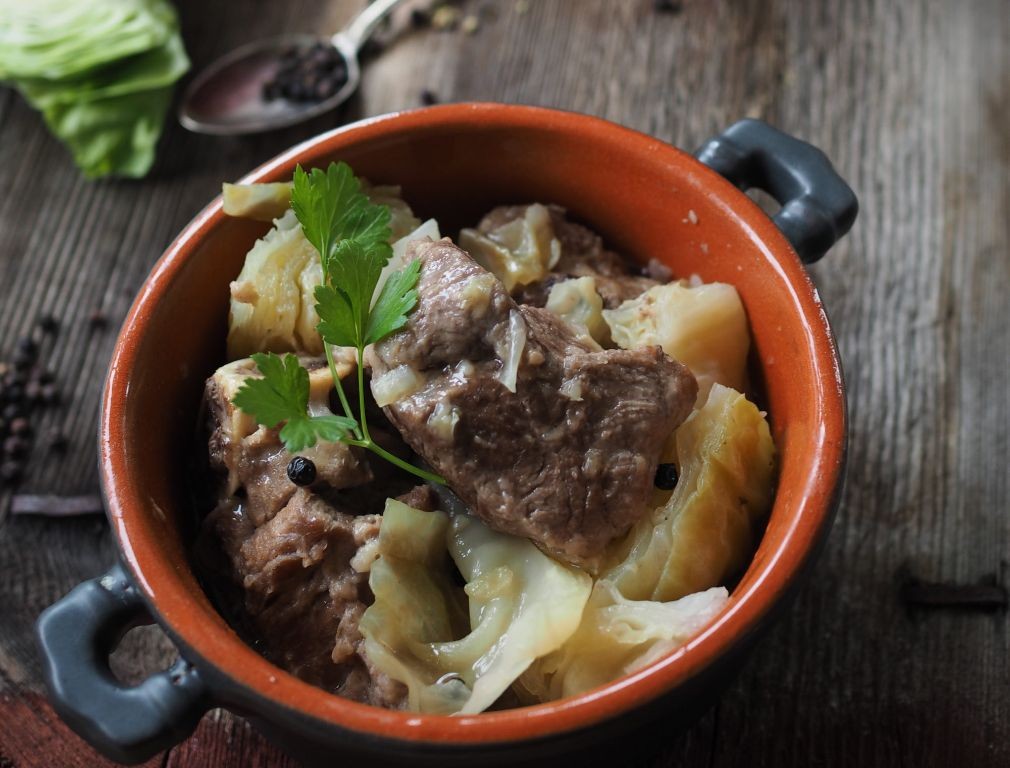
Drifting through the quiet afternoon, I find myself craving something that feels like a warm embrace—a dish that simmers patiently, filling the kitchen with the gentle promise of comfort. This Norwegian Fårikål, a humble lamb and cabbage stew, is exactly that: a slow-cooked melody of simple ingredients that transforms into something deeply nourishing, perfect for a reflective winter’s day.
Serving: 6 | Pre Time: 20 minutes | Cooking Time: 2 hours 30 minutes
Ingredients
– 3 pounds bone-in lamb shoulder, cut into 2-inch chunks
– 1 large green cabbage (about 3 pounds), cored and cut into 8 wedges
– 2 tablespoons unsalted butter
– 2 cups low-sodium chicken broth
– 1 tablespoon whole black peppercorns
– 1 teaspoon kosher salt
– 2 bay leaves
– ¼ cup chopped fresh parsley, for garnish
Instructions
1. Pat the lamb shoulder chunks dry with paper towels to ensure a proper sear.
2. In a large Dutch oven over medium-high heat, melt the unsalted butter until it foams, about 1 minute.
3. Add the lamb in a single layer, working in batches if needed, and sear until deeply browned on all sides, approximately 8–10 minutes total per batch.
4. Tip: Deglaze the pot with a splash of chicken broth after searing to lift the flavorful browned bits, which will enrich the stew.
5. Return all lamb to the pot and add the remaining chicken broth, whole black peppercorns, kosher salt, and bay leaves.
6. Bring to a gentle simmer over medium heat, then reduce to low, cover, and cook for 1 hour 30 minutes, until the lamb is fork-tender.
7. Nestle the cabbage wedges into the stew, submerging them partially in the liquid.
8. Cover and continue simmering on low heat for 45–50 minutes, until the cabbage is soft and translucent but still holds its shape.
9. Tip: Avoid stirring vigorously to prevent the cabbage from breaking apart; gently press it into the broth instead.
10. Remove from heat and discard the bay leaves.
11. Tip: Let the stew rest, covered, for 10 minutes before serving to allow the flavors to meld further.
12. Ladle into bowls and garnish with chopped fresh parsley.
O, the result is a stew where the lamb falls effortlessly from the bone, melting into a rich, savory broth that’s subtly spiced by the peppercorns. The cabbage, tender yet resilient, soaks up the deep flavors, offering a sweet, earthy contrast. For a creative twist, serve it over creamy mashed potatoes or with a side of crusty rye bread to soak up every last drop, turning a simple meal into a cozy ritual.
Danish Red Berry Pudding (Rødgrød)
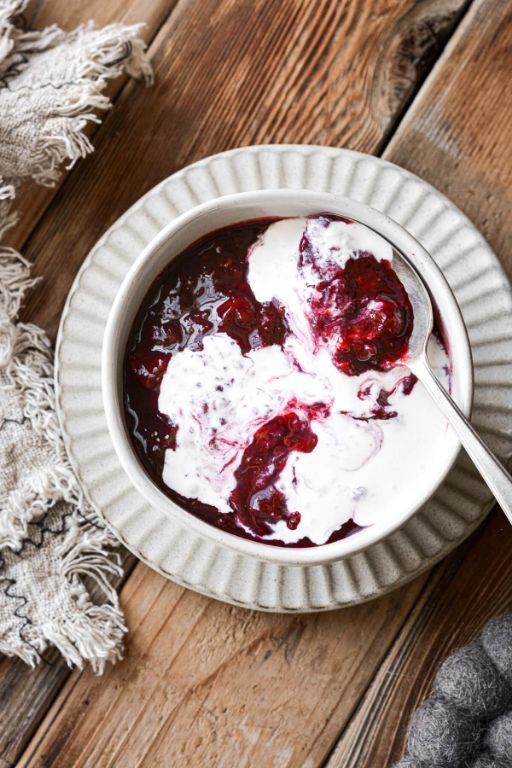
Sometimes, in the quiet of a winter afternoon, the simplest traditions feel most profound. This Danish red berry pudding, known as rødgrød, is one such comfort—a softly set, jewel-toned dessert that whispers of summer’s bounty preserved. It requires little more than patience and a gentle hand, transforming humble berries into a silken, spoonable delight.
Serving: 6 | Pre Time: 15 minutes | Cooking Time: 25 minutes
Ingredients
– 4 cups mixed fresh or frozen red berries (such as raspberries, strawberries, and red currants), hulled if using strawberries
– 1 cup granulated sugar
– ¼ cup cold water
– ¼ cup cornstarch
– 1 teaspoon pure vanilla extract
– ½ teaspoon fine sea salt
– 1 tablespoon unsalted butter, at room temperature
Instructions
1. In a heavy-bottomed saucepan, combine the mixed red berries, granulated sugar, and cold water over medium heat.
2. Bring the mixture to a simmer, stirring occasionally with a wooden spoon until the sugar dissolves completely and the berries release their juices, about 8–10 minutes.
3. Reduce the heat to low and let the berries cook gently for 5 minutes, mashing them lightly with the back of the spoon to break them down further.
4. While the berries simmer, in a small bowl, whisk together the cornstarch and 2 tablespoons of cold water until smooth to create a slurry, ensuring no lumps remain.
5. Slowly pour the cornstarch slurry into the berry mixture, stirring constantly to incorporate it evenly and prevent clumping.
6. Increase the heat to medium and cook, stirring continuously, until the mixture thickens noticeably and large bubbles break the surface, about 3–5 minutes.
7. Remove the saucepan from the heat and stir in the pure vanilla extract, fine sea salt, and unsalted butter until fully melted and blended.
8. Immediately pour the pudding into a glass serving bowl or individual ramekins, using a spatula to scrape the saucepan clean.
9. Let the pudding cool at room temperature for 30 minutes, then cover with plastic wrap pressed directly onto the surface to prevent a skin from forming.
10. Refrigerate the pudding for at least 4 hours, or until fully set and chilled through.
Dense yet yielding, the pudding offers a lush texture that melts on the tongue, with the berries’ natural tartness balanced by subtle sweetness. Serve it chilled with a dollop of whipped cream or a sprinkle of toasted almonds for contrast, or enjoy it simply as a cool, velvety treat on its own.
Finnish Lohikeitto (Creamy Salmon Soup)

Just now, as the winter light slants through my kitchen window, I find myself drawn to the quiet comfort of Finnish Lohikeitto, a creamy salmon soup that feels like a warm embrace on a cold day. Its gentle simmering fills the air with a promise of nourishment and peace, a simple yet profound dish that speaks to the soul through its delicate flavors and soothing texture.
Serving: 4 | Pre Time: 15 minutes | Cooking Time: 25 minutes
Ingredients
– 2 tablespoons clarified butter
– 1 large yellow onion, finely diced
– 2 medium carrots, peeled and cut into ¼-inch rounds
– 4 cups fish stock
– 1 pound skinless, boneless salmon fillet, cut into 1-inch cubes
– 1 pound Yukon Gold potatoes, peeled and diced into ½-inch pieces
– 1 cup heavy cream
– 1 tablespoon fresh dill, finely chopped
– ½ teaspoon fine sea salt
– ¼ teaspoon freshly ground white pepper
Instructions
1. In a large Dutch oven or heavy-bottomed pot, melt the clarified butter over medium heat until it shimmers lightly, about 1 minute.
2. Add the finely diced yellow onion and sauté, stirring occasionally, until translucent and fragrant, approximately 5 minutes.
3. Incorporate the carrot rounds and cook for an additional 3 minutes, allowing them to soften slightly while retaining a hint of crunch.
4. Pour in the fish stock and bring the mixture to a gentle boil over medium-high heat, which should take about 4 minutes.
5. Reduce the heat to medium-low and add the diced Yukon Gold potatoes, simmering uncovered until they are fork-tender, roughly 10 minutes.
6. Gently place the salmon cubes into the pot, ensuring they are submerged, and poach for exactly 5 minutes until the salmon turns opaque and flakes easily with a fork.
7. Stir in the heavy cream, fresh dill, fine sea salt, and freshly ground white pepper, heating through for 2 minutes without allowing it to boil to prevent curdling.
8. Remove the pot from the heat and let it rest for 3 minutes to allow the flavors to meld harmoniously.
9. Ladle the soup into warmed bowls, garnishing with an extra sprinkle of fresh dill if desired.
Creating this soup yields a velvety broth that cradles tender salmon and soft potatoes, with the dill adding a bright, herbal note that cuts through the richness. Consider serving it with a slice of dark rye bread for dipping, or for a festive touch, top with a dollop of crème fraîche and a few capers to enhance its Nordic character.
Icelandic Plokkfiskur (Fish Stew)
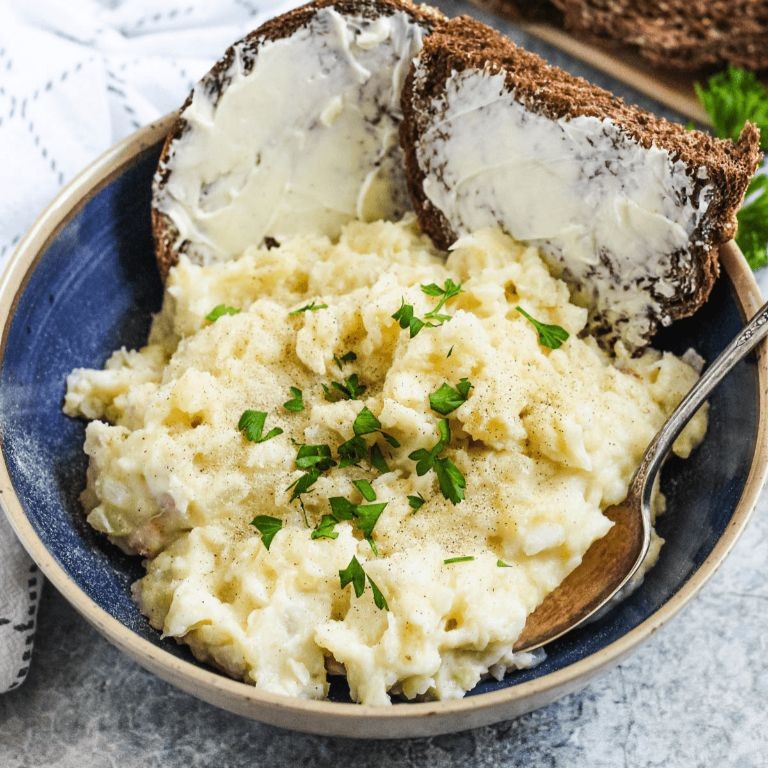
Just now, as the winter light slants across my kitchen counter, I find myself drawn to the quiet comfort of Icelandic Plokkfiskur, a humble fish stew that feels like a warm embrace on a cold day. Its simplicity belies a depth of flavor that settles the soul, a reminder that nourishment often comes from the most straightforward of ingredients.
Serving: 4 | Pre Time: 15 minutes | Cooking Time: 30 minutes
Ingredients
– 1 lb skinless, boneless cod fillets, cut into 1-inch pieces
– 1 lb Yukon Gold potatoes, peeled and diced into ½-inch cubes
– 1 large yellow onion, finely diced
– 2 tbsp clarified butter
– 2 cups whole milk
– ¼ cup all-purpose flour
– 2 tbsp fresh dill, finely chopped
– 1 tsp fine sea salt
– ½ tsp freshly ground white pepper
– ¼ tsp freshly grated nutmeg
– 2 tbsp unsalted butter, cold and cubed
Instructions
1. Place the diced potatoes in a medium saucepan, cover with cold water, and bring to a boil over high heat.
2. Reduce the heat to medium and simmer the potatoes for 10-12 minutes, or until they are fork-tender but not falling apart.
3. Drain the potatoes thoroughly in a colander and set them aside to steam-dry for 2 minutes.
4. While the potatoes cook, melt the clarified butter in a large Dutch oven over medium-low heat.
5. Add the finely diced onion and sauté for 8-10 minutes, stirring occasionally, until it is translucent and fragrant but not browned.
6. Sprinkle the all-purpose flour over the onions and cook, stirring constantly, for 2 minutes to form a pale roux.
7. Gradually whisk in the whole milk, ensuring no lumps remain, and bring the mixture to a gentle simmer.
8. Add the cod pieces, fine sea salt, white pepper, and grated nutmeg to the pot, gently submerging the fish in the liquid.
9. Poach the fish in the simmering milk sauce for 5-7 minutes, or until the cod flakes easily with a fork.
10. Gently fold in the cooked potatoes and chopped fresh dill, being careful not to break up the fish too much.
11. Remove the pot from the heat and stir in the cold, cubed unsalted butter until it is fully melted and emulsified into the sauce.
12. Let the stew rest, uncovered, for 5 minutes to allow the flavors to meld and the sauce to thicken slightly.
Remarkably creamy yet textured, this stew offers tender flakes of cod nestled among soft potatoes in a velvety, dill-infused sauce. For a creative twist, serve it in shallow bowls with a side of dark rye bread for dipping, or top each portion with a sprinkle of crispy fried shallots for added crunch.
Swedish Janssons Frestelse (Jansson’s Temptation)
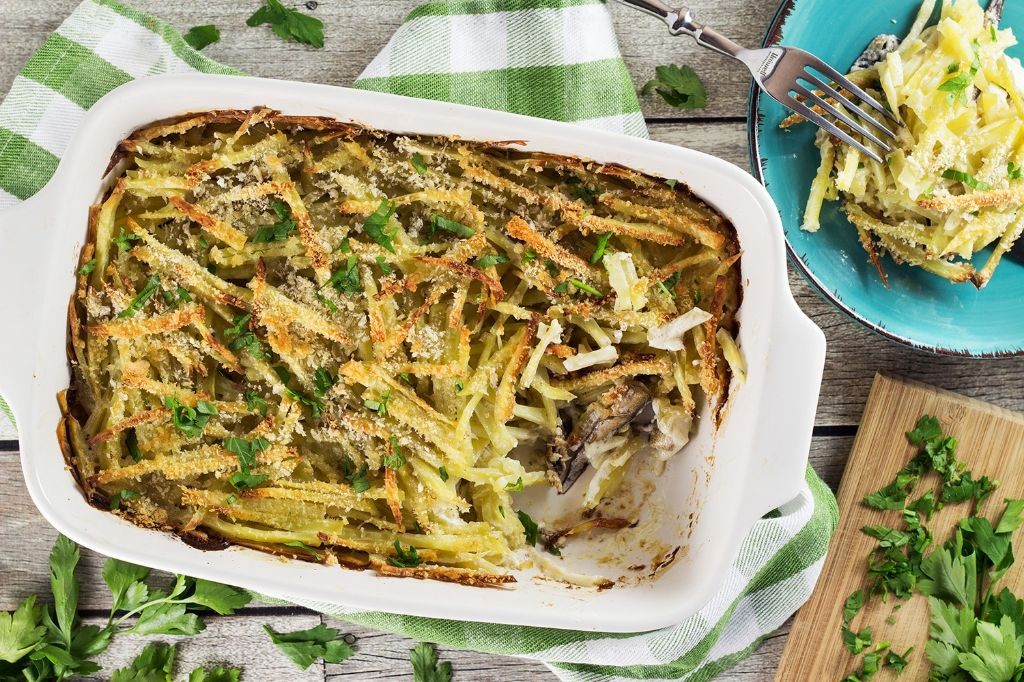
On this quiet winter morning, as the light filters softly through the kitchen window, I find myself drawn to the simple, comforting embrace of a classic Swedish dish. It’s a layered casserole of humble ingredients—potatoes, onions, anchovies, and cream—that transforms in the oven into something deeply satisfying and rich, a true testament to the magic of slow, patient cooking.
Serving: 6 | Pre Time: 25 minutes | Cooking Time: 60 minutes
Ingredients
– 2 lbs Yukon Gold potatoes, peeled and julienned
– 2 medium yellow onions, thinly sliced
– 1 (2 oz) tin of Swedish anchovy fillets in brine, drained and finely chopped
– 2 cups heavy cream
– 4 tbsp unsalted butter, melted
– 1/2 cup fine, dry breadcrumbs
– 1/4 tsp freshly grated nutmeg
– 1/2 tsp fine sea salt
– 1/4 tsp freshly ground white pepper
Instructions
1. Preheat your oven to 375°F (190°C) and lightly grease a 9×13-inch baking dish with 1 tablespoon of the melted butter.
2. In a large bowl, combine the julienned potatoes, sliced onions, chopped anchovies, nutmeg, salt, and white pepper, tossing gently to distribute the ingredients evenly.
3. Layer half of the potato mixture into the prepared baking dish, pressing down lightly to create an even base.
4. Pour 1 cup of the heavy cream evenly over the first layer, allowing it to seep into the crevices.
5. Add the remaining potato mixture on top, creating a second, even layer.
6. Pour the remaining 1 cup of heavy cream over the top layer, ensuring it covers the surface.
7. In a small bowl, mix the breadcrumbs with the remaining 3 tablespoons of melted butter until the crumbs are evenly coated.
8. Sprinkle the buttered breadcrumbs evenly over the top of the casserole.
9. Place the baking dish in the preheated oven and bake for 60 minutes, or until the top is a deep golden brown and a knife inserted into the center meets no resistance from the potatoes.
10. Remove the dish from the oven and let it rest on a wire rack for 15 minutes before serving to allow the layers to set.
During this resting time, the cream thickens into a luxurious sauce that binds the tender potatoes and sweet, softened onions. The anchovies melt away, leaving behind a profound, savory umami depth without a fishy overtone. Serve it warm alongside a crisp green salad or as a hearty accompaniment to roasted meats for a comforting, elegant meal.
Norwegian Krumkake with Whipped Cream

There’s a quiet magic in rolling delicate, lace-like cookies around a cone, a ritual that feels both ancient and intimately personal. Today, as the winter light slants through the kitchen window, I’m drawn to the gentle art of making Norwegian krumkake, each crisp shell destined to cradle a cloud of softly whipped cream.
Serving: 24 | Pre Time: 25 minutes | Cooking Time: 30 minutes
Ingredients
– 2 cups (250 g) all-purpose flour, sifted
– 1 cup (200 g) granulated sugar
– ½ cup (113 g) unsalted European-style butter, melted and cooled to 110°F
– 3 large pasture-raised eggs, lightly beaten
– 1 cup (240 ml) whole milk, at room temperature
– 1 teaspoon (5 ml) pure vanilla extract
– ¼ teaspoon (1.5 g) fine sea salt
– 1 cup (240 ml) heavy whipping cream, chilled
– 2 tablespoons (25 g) confectioners’ sugar
Instructions
1. In a large mixing bowl, whisk together the sifted all-purpose flour, granulated sugar, and fine sea salt until fully incorporated.
2. Create a well in the center of the dry ingredients and pour in the lightly beaten pasture-raised eggs, melted European-style butter cooled to 110°F, whole milk at room temperature, and pure vanilla extract.
3. Using a flexible silicone spatula, gently fold the wet ingredients into the dry until a smooth, thin batter forms with no visible lumps, being careful not to overmix.
4. Preheat a krumkake iron or pizzelle maker to 375°F, lightly brushing the plates with a neutral oil using a pastry brush for the first batch only.
5. Drop 1 tablespoon of batter onto the center of the preheated iron, close the lid firmly, and cook for 45–50 seconds until the steam subsides and the cookie turns a uniform golden-brown.
6. Immediately remove the hot cookie with an offset spatula and roll it around a wooden krumkake cone, holding it firmly for 10 seconds to set the shape before sliding it off to cool completely on a wire rack.
7. Repeat the cooking and shaping process with the remaining batter, allowing the iron to reheat for 20 seconds between batches to maintain consistent temperature.
8. For the whipped cream, pour the chilled heavy whipping cream into a chilled metal bowl and whip on medium-high speed with a hand mixer until soft peaks form, about 2 minutes.
9. Sift the confectioners’ sugar over the cream and continue whipping for 30–45 seconds until firm, glossy peaks hold their shape when the beaters are lifted.
10. Just before serving, pipe or spoon the whipped cream into the cooled krumkake cones using a pastry bag fitted with a star tip.
Here, the contrast is everything: the shatteringly crisp, buttery shell gives way to the cool, pillowy cream within, a textural dance that feels like winter itself. For a festive twist, try dusting the filled cones with a whisper of cardamom sugar or serving them alongside a shot of strong, hot coffee to cut through the sweetness.
Danish Smoked Eel on Rye Bread
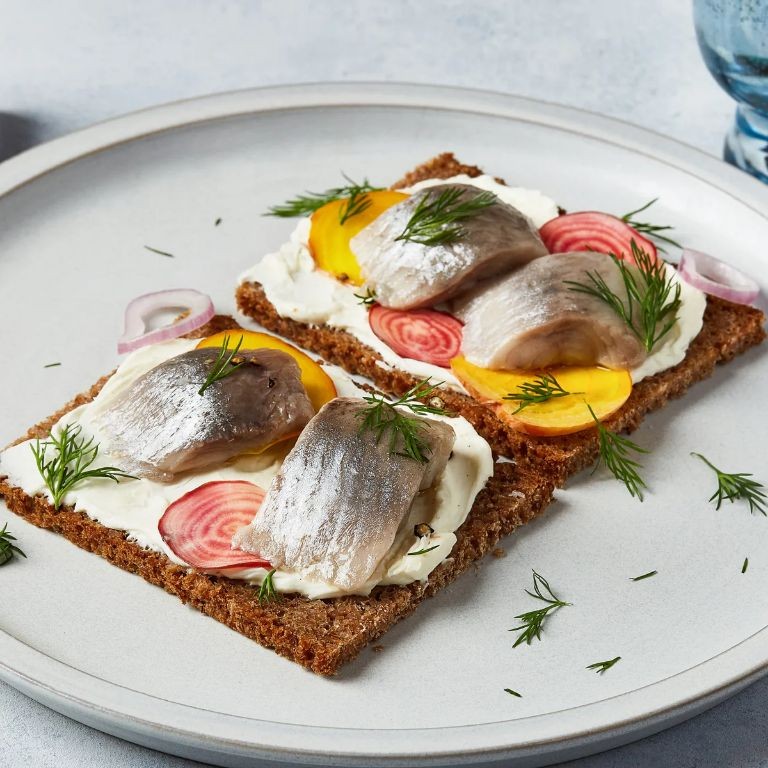
Nostalgia often arrives in quiet moments, like the gentle pull of a memory tied to a simple, elegant dish. This Danish smoked eel on rye bread feels like a whispered secret from a Copenhagen kitchen, where tradition meets the quiet satisfaction of assembling something beautiful with your own hands. It’s a testament to how a few quality ingredients, treated with care, can create a moment of pure, reflective delight.
Serving: 4 | Pre Time: 15 minutes | Cooking Time: 0 minutes
Ingredients
– 8 ounces Danish smoked eel, skin removed and flaked into large pieces
– 4 slices dense, dark rye bread, about 1/2-inch thick
– 4 tablespoons European-style cultured butter, softened to room temperature
– 1 small red onion, very thinly sliced into half-moons
– 2 tablespoons fresh dill fronds, finely chopped
– 1 tablespoon small capers, drained and rinsed
– 1/2 teaspoon freshly cracked black pepper
– 4 lemon wedges, for serving
Instructions
1. Place the rye bread slices on a clean work surface. Using a butter knife, evenly spread 1 tablespoon of softened European-style cultured butter onto each slice, covering the surface completely for a rich, creamy base.
2. Arrange the flaked smoked eel pieces artfully over the buttered rye bread, ensuring an even distribution that covers most of the surface.
3. Scatter the thinly sliced red onion half-moons evenly over the eel, aiming for about 1 tablespoon per slice to provide a sharp, crisp contrast.
4. Sprinkle 1 1/2 teaspoons of finely chopped fresh dill fronds over each assembled slice, distributing it gently to avoid clumping and to infuse a bright, herbal note.
5. Garnish each slice with 3/4 teaspoon of drained capers, placing them sporadically for bursts of salty, briny flavor.
6. Finish each portion with a light dusting of freshly cracked black pepper, using approximately 1/8 teaspoon per slice to add a subtle warmth.
7. Transfer the assembled open-faced sandwiches to individual serving plates and accompany each with a lemon wedge on the side for squeezing.
Buttery rye yields to the firm, smoky richness of the eel, while the onion and capers cut through with sharp, clean notes. For a creative twist, serve alongside a small glass of chilled aquavit or top with a quenelle of crème fraîche and extra dill for added luxury.
Finnish Karjalanpiirakka (Karelian Pasties)

Dusting off an old family recipe card, I find myself drawn to the quiet comfort of Finnish Karjalanpiirakka today. These delicate pasties, with their crimped rye crusts cradling a simple rice filling, speak of humble kitchens and patient hands. There’s a gentle, almost meditative quality to their making that feels right for a slow morning like this.
Serving: 12 pasties | Pre Time: 40 minutes | Cooking Time: 25 minutes
Ingredients
– 1 ½ cups fine rye flour
– ½ cup all-purpose flour
– ½ teaspoon fine sea salt
– ¾ cup cold water
– 2 tablespoons unsalted European-style butter, cubed and chilled
– 1 cup short-grain white rice, such as Arborio
– 2 ½ cups whole milk
– 1 large pasture-raised egg, lightly beaten
– ¼ cup clarified butter, melted
– Flaky sea salt, for finishing
Instructions
1. Combine 1 ½ cups fine rye flour, ½ cup all-purpose flour, and ½ teaspoon fine sea salt in a large mixing bowl.
2. Create a well in the center of the dry ingredients and pour in ¾ cup cold water.
3. Add 2 tablespoons cubed, chilled unsalted European-style butter to the well.
4. Using a fork, gradually incorporate the dry ingredients into the wet until a shaggy dough forms.
5. Turn the dough onto a lightly floured surface and knead gently for 2-3 minutes until just smooth and cohesive, being careful not to overwork the rye flour.
6. Wrap the dough tightly in plastic wrap and let it rest at room temperature for 30 minutes to allow the gluten to relax.
7. While the dough rests, rinse 1 cup short-grain white rice under cold water until the water runs clear.
8. In a medium saucepan, combine the rinsed rice and 2 ½ cups whole milk.
9. Bring the mixture to a simmer over medium heat, then immediately reduce the heat to low.
10. Cover the saucepan and cook the rice for 25-30 minutes, stirring occasionally, until the milk is fully absorbed and the rice is very soft and porridge-like.
11. Transfer the cooked rice porridge to a shallow dish and let it cool completely to room temperature, which will make it easier to handle and shape.
12. Preheat your oven to 475°F and line two baking sheets with parchment paper.
13. Divide the rested dough into 12 equal portions, rolling each into a smooth ball.
14. On a lightly floured surface, roll one dough ball into a very thin, 5-inch oval, about 1/16-inch thick, using a rolling pin.
15. Place 1 heaping tablespoon of the cooled rice porridge in the center of the oval.
16. Fold the long edges of the dough oval up and over the filling, pinching and crimping them together at ½-inch intervals to create a distinctive ridged crust, leaving the ends open.
17. Transfer the formed pasty to a prepared baking sheet and repeat with the remaining dough and filling.
18. Brush the top crust of each pasty lightly with 1 large lightly beaten pasture-raised egg, avoiding the filling.
19. Bake the pasties on the middle oven rack for 12-15 minutes, or until the crusts are set and just beginning to color.
20. Remove the baking sheets from the oven and immediately brush each hot pasty generously with ¼ cup melted clarified butter, which will keep the rye crust tender and add rich flavor.
21. Sprinkle the pasties lightly with flaky sea salt and let them cool on the sheets for 10 minutes before serving.
Gently warm, the pasties offer a beautiful contrast: the thin, slightly chewy rye crust gives way to the creamy, comforting rice within. Their simplicity is their strength, making them perfect alongside a soft-boiled egg or a dollop of cold smoked salmon spread. For a traditional touch, serve them with egg butter—a mix of hard-boiled eggs mashed with softened butter—spread generously inside while still warm.
Icelandic Brennivinshot Chocolate with Whipped Cream

Huddled in the quiet glow of a winter afternoon, I find myself drawn to the warmth of something both familiar and exotic—a hot chocolate that whispers of distant, frosty landscapes. It’s a moment to slow down, to let the rich, complex flavors unfold like a story told by the fire, blending the comforting sweetness of chocolate with the bold, herbal notes of a spirit that carries the chill of the north in its very essence.
Serving: 2 | Pre Time: 5 minutes | Cooking Time: 10 minutes
Ingredients
– 2 cups whole milk
– 4 ounces high-quality dark chocolate (70% cacao), finely chopped
– 2 tablespoons granulated sugar
– 2 ounces Icelandic Brennivín (schapps)
– ½ cup heavy cream, chilled
– 1 teaspoon pure vanilla extract
– Pinch of fine sea salt
Instructions
1. In a small saucepan over medium-low heat, gently warm 2 cups of whole milk until small bubbles form around the edges, approximately 5 minutes, stirring occasionally to prevent scorching.
2. Add 4 ounces of finely chopped dark chocolate and 2 tablespoons of granulated sugar to the warmed milk, whisking continuously until the chocolate is fully melted and the mixture is smooth and glossy, about 3 minutes.
3. Stir in 2 ounces of Icelandic Brennivín and a pinch of fine sea salt, then remove the saucepan from the heat and let it rest for 1 minute to allow the flavors to meld.
4. While the hot chocolate rests, pour ½ cup of chilled heavy cream and 1 teaspoon of pure vanilla extract into a chilled mixing bowl, then whisk vigorously by hand or with an electric mixer on medium-high speed until soft peaks form, about 2–3 minutes.
5. Divide the hot chocolate evenly between two pre-warmed mugs, then spoon or pipe the whipped cream generously on top of each serving.
6. Serve immediately, encouraging sippers to enjoy the contrast of the cool, airy cream against the warm, spiced chocolate base.
Each sip reveals a velvety texture that coats the palate, with the dark chocolate’s bitterness softened by the creamy milk and the Brennivín’s caraway and angelica notes adding a subtle, warming spice. For a festive twist, garnish with a sprinkle of cocoa powder or a cinnamon stick stirrer to enhance the aromatic experience.
Summary
Gather around the table with these 20 authentic Scandinavian recipes—they’re perfect for cozy nights and bringing warmth to your home. We hope you’ll try a few, leave a comment with your favorites, and share this roundup on Pinterest to spread the comfort. Happy cooking!